Quick answer
For home use, choose a dance pole that offers both static and spinning modes, fits your ceiling height, and can be securely installed without permanent damage. The DANCE POLE is a solid choice because it combines both functions and is designed for home compatibility.
Static vs. Spinning: Why You Need Both
A static pole stays fixed in place, which is ideal for learning climbs, poses, and strength moves. A spinning pole rotates, allowing for fluid spins and transitions. Many dancers start with static and later want spinning for more dynamic routines. A pole that offers both modes saves you from buying a second one later.
Installation and Ceiling Fit
Home poles typically use tension mounting between floor and ceiling. Check your ceiling height and ensure the pole's adjustable range covers it. Also consider the ceiling material—drywall may need a support plate to avoid damage. The DANCE POLE is designed for home compatibility, but always verify your specific ceiling type.
Space and Safety Considerations
You need a clear area around the pole—at least 6 feet in all directions—to avoid hitting furniture or walls. A non-slip mat underneath can protect your floor and reduce noise. Also, ensure the pole is mounted on a level surface; an uneven floor can compromise stability.
Your decision rules for choosing a home dance pole
- Check ceiling height and type: Measure your ceiling height and compare it to the pole's adjustable range. If you have a dropped or textured ceiling, a tension-mounted pole may not work safely.
- Decide on static, spinning, or both: If you are a beginner, start with a static pole. If you want to do spins and more advanced moves later, choose a pole that can switch to spinning mode. A dual-mode pole like the DANCE POLE allows you to start static and switch to spinning as you progress.
- Assess your space: Ensure at least 6 feet of clearance around the pole. Remove any furniture or obstacles that could be hit during use.
- Verify installation requirements: Read the manufacturer's instructions for tension mounting. Some poles require a support plate for drywall ceilings. Never mount on a sloped or weak ceiling. If you rent, check if the pole can be installed without damaging the ceiling or floor.
Product spotlight
-
DANCE POLE: The DANCE POLE functions as either a static or spinning pole, offering two-in-one versatility. You get both training modes in one product, so you can progress from static strength moves to spinning routines without buying a second pole.
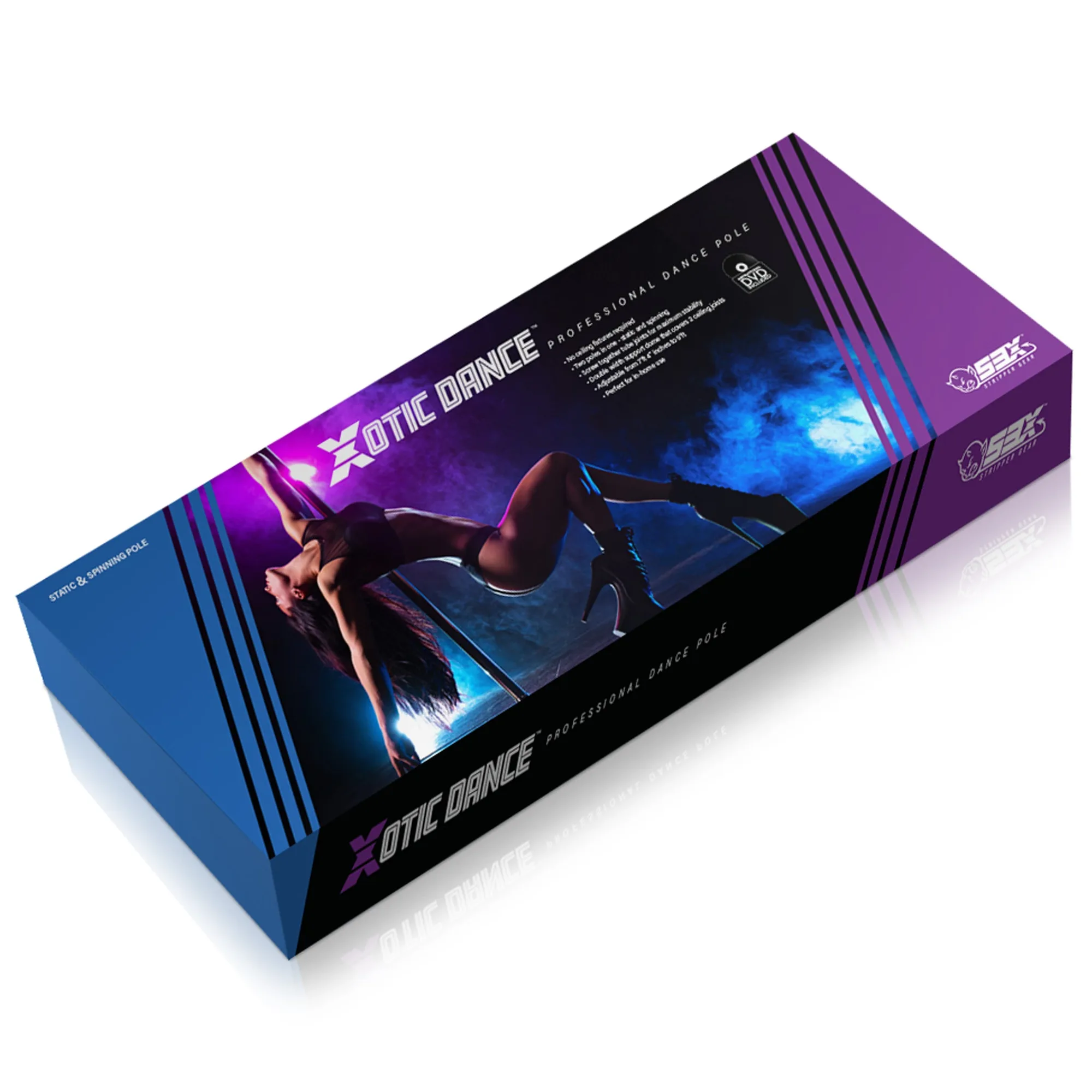
DANCE POLE
Who should buy what
Best for
- Home users who want a single pole that works for both strength training and dance routines
- Beginners who plan to progress from static to spinning moves
Not for
- Professional dancers who need a stage-grade fixed pole with specific diameter and finish options
- Homes with very low ceilings (under 7 feet) or sloped ceilings where tension mounting is unsafe