Quick answer
Choose a deck the collector cannot easily buy themselves: a limited, numbered, or gilded edition from a maker they already follow. If you do not know their focus, pick a sealed limited deck with a clear production story rather than a standard deck they may already own. When in doubt, buy the edition, not the theme.
Start with the collector's focus, not the artwork
Collectors organize around a focus: a maker, a series, a printing method, or a theme. Ask one question before browsing: what is the last deck they showed you? The answer usually reveals the focus. A person who talks about foil and tuck boxes is buying production quality. A person who talks about a specific series is buying continuity. A person who opens and plays with decks is buying handling, not shelf presence.
If you cannot ask without spoiling the surprise, look at what they display versus what they store. Displayed decks are the focus. Stored duplicates are trade stock. Buy into the display, not the storage.
Match the edition to the shelf it will sit on
Edition is the single biggest factor in whether a deck gift lands. A numbered or gilded deck signals a gift for a serious collector. A vivid, well-printed standard deck signals a gift for someone who collects casually or actually plays. Both are valid; mixing them up is the mistake.
Limited production numbers matter because they create a finite shelf life. When a catalog note says very few units remain, that is not marketing noise, it is a real constraint on your decision. If the collector follows that maker, waiting is the risk.
Set a budget band before you look at decks
Decide whether you are buying a $20 gift, a $50 gift, or a $100 gift before you open any store page. Playing card prices swing widely for reasons that have nothing to do with card quality: gilding, foil count, box printing method, and production run size. A higher price usually buys scarcity and finishing, not better shuffling.
If your budget is under $25, aim for a well-printed deck with a story. If your budget is $50 or more, aim for a limited or luxury edition. Do not stretch for a luxury deck if the collector is new; they will not yet value what makes it expensive.
Read the production notes like a collector
The details that separate a good gift from a forgettable one are printed on the product page: who printed the cards, who printed the box, how many foils the box uses, whether the deck is sealed and numbered, and how many were made. These are the facts a collector will ask about.
If a specification is missing, treat that as a limitation, not a blank to fill in with a guess. Do not tell the recipient a deck is gilded, limited, or foil-stamped unless the listing says so. Getting that wrong is worse than giving a simpler deck.
Gift the deck, not just the object
A deck arrives in a tuck box, which is a thin gift on its own. Add context: a short note explaining why you chose this maker, this series, or this production run. Collectors keep the story with the deck, and a note turns a purchase into a piece of their collection history.
If the deck is sealed and limited, do not open it to check the cards. Sealed condition is part of the value. If you want them to actually handle the deck, buy two: one to keep sealed and one to open.
Decision rules for gifting a deck
- Rule 1: If they follow a maker, buy that maker's limited edition: Continuity beats novelty. A limited or numbered deck from a maker they already collect fits the shelf immediately, while a random theme deck becomes a drawer item. Checkpoint: can you name the last deck they bought from this maker? If yes, buy the limited edition.
- Rule 2: If you do not know their focus, buy scarcity over theme: A sealed, numbered, or gilded deck with a documented production run is a safe gift because its value does not depend on guessing their taste in artwork. Checkpoint: does the listing state a production number or a finishing detail like gilding? If not, it is a risky blind gift.
- Rule 3: If they open and play with decks, skip the luxury edition: Gilded and foil-heavy decks are display pieces. A well-printed standard deck with vivid color and extra jokers is the better gift for someone who shuffles. Checkpoint: do they keep decks sealed or break the seal? Match the gift to that habit.
- Rule 4: If the catalog says few units remain, decide now: Limited runs do not come back. A deck marked as nearly sold out is a gift you either buy today or explain later. Checkpoint: treat low-stock notes as a deadline, not a suggestion.
Decks that work as gifts, and why
- Egoism Relic: Egoism Relic is the gilded, luxury edition of Egoism Ivory Eternal Edition (EE), with copper gilding, a metallic copper letterpressed box by Clove St Press, and it is sealed and numbered at 640 decks made in total. This is a gift for a serious collector: the gilding and the 640-deck run give it shelf presence and a clear reason it will not be restocked. The numbered seal also means you should not open it.
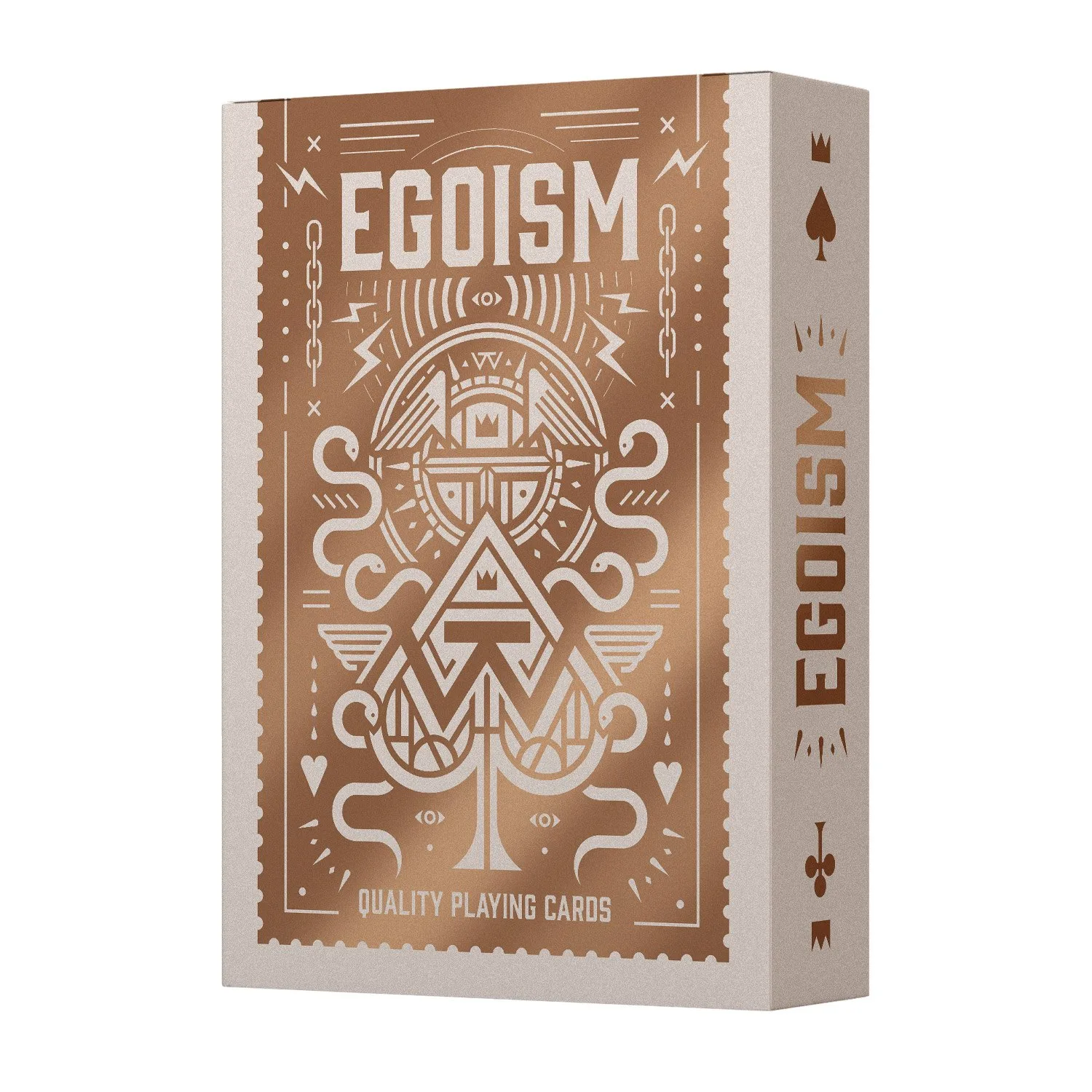
Egoism Ivory
- Bestiary Blackness: Bestiary Blackness is limited to 2,000 total decks, uses holographic silver cold foil on both sides of the cards, and the box is printed by Boschiero and Newton with 4+ different foils. A strong pick when the collector values foil work and custom card art, and the catalog notes very few units remain, so this is a gift decision you should not postpone.
- Good Deck: The Good Deck is a 2014 Thirdway Industries design printed in 2021 with USPCC, featuring 56 cards (4 jokers) and Pantone colors that are more vivid and accurate than the original version. A sensible gift at a lower budget for a collector who plays with decks or is new to the maker, since it is a remake rather than a scarce limited edition.
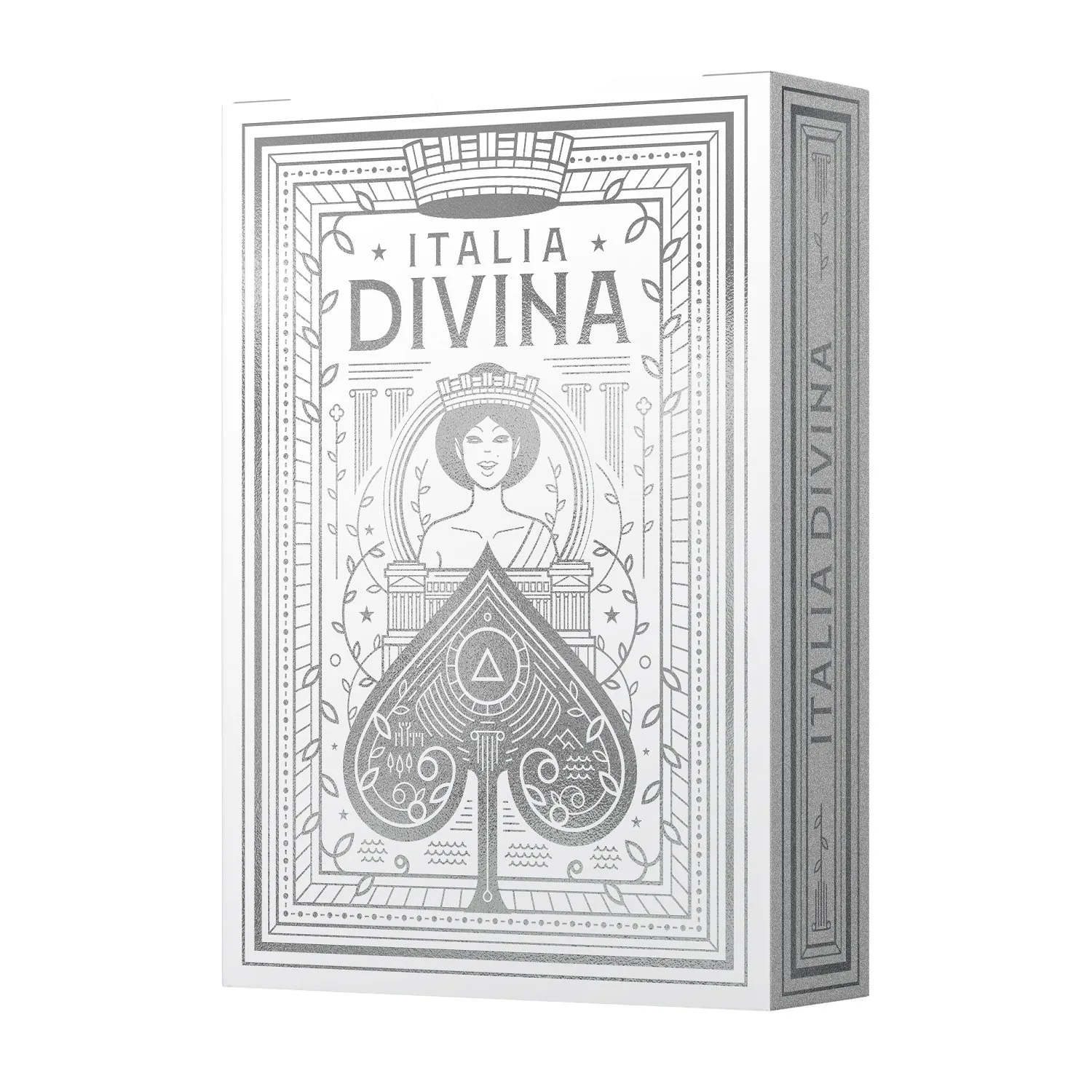
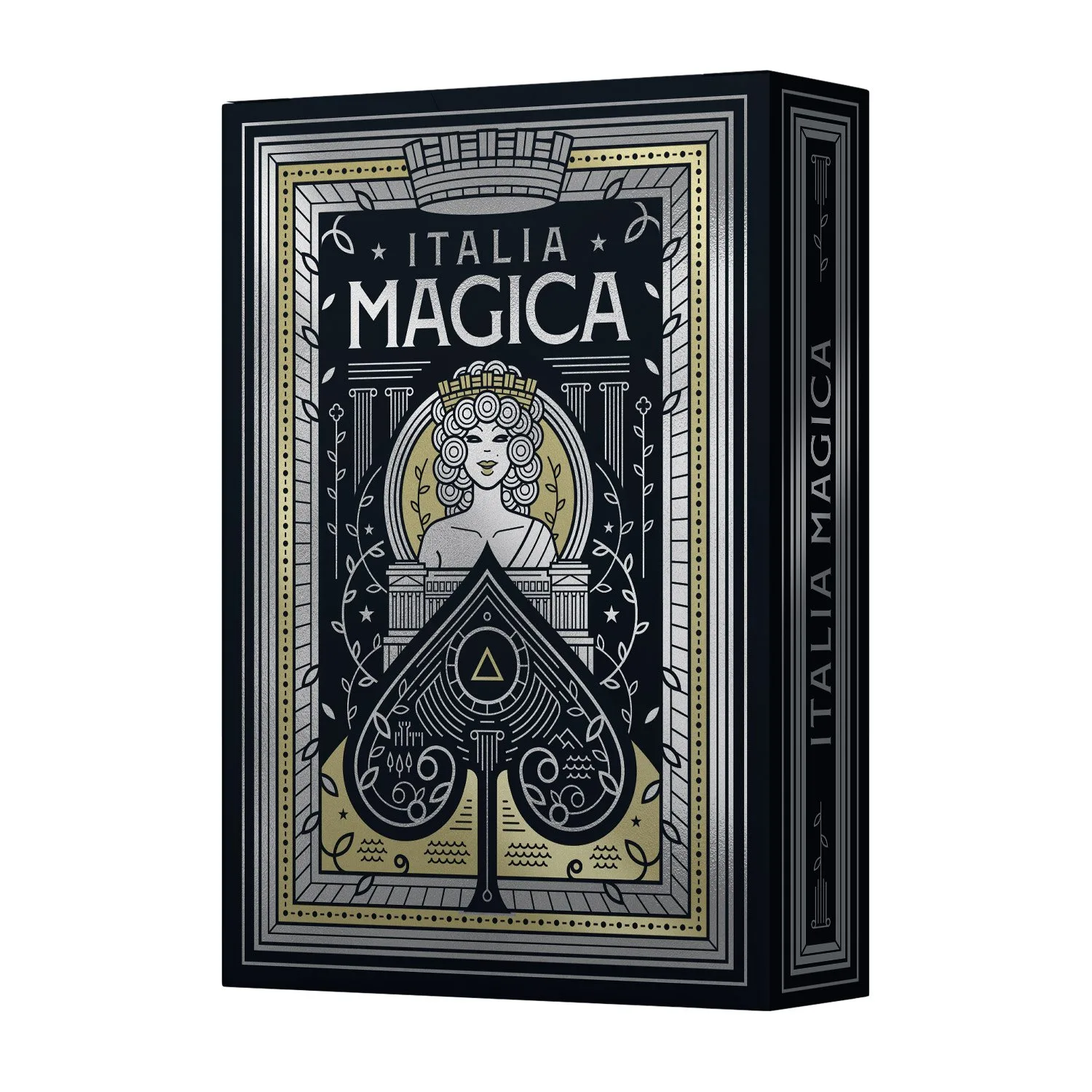
- Italia Magica: Italia Magica is the fourth, secret deck from the Italia Divina Series, with the same cards as Italia Divina but a different tuck box, USPCC Silver Metalluxe on the backs, and a limited edition run of around an unspecified number. Best for a collector who already follows the Italia Divina Series, because the value here is series continuity and the tuck box, not a standalone theme.
Is this gift approach right for you?
Best for
- Buying for a collector who follows a specific maker or series and will recognize a limited edition
- Gift givers with a set budget who want a clear rule for spending $20 versus $50 or more
- Situations where you want a gift that stays sealed and holds its condition
Not for
- Buying for a casual player who wants a durable everyday deck to shuffle and wear out
- Gift givers who cannot confirm the maker or series the collector follows and want a guaranteed personal match
- Anyone shopping for a non-collector who would rather receive a standard deck at a standard price