Quick answer
Choose a dog backpack that fits snugly without restricting movement, has enough capacity for your hike length, and includes reflective trim or waterproof features for safety. For most day hikes, a lightweight saddle-bag style that attaches to a well-fitting harness works best. Avoid overloading your dog—pack weight should never exceed 25% of their body weight.
Fit and sizing basics
A properly fitted backpack is the most important factor. Measure your dog's girth (around the widest part of the ribcage) and length from the base of the neck to the base of the tail. The backpack should sit evenly on both sides without sagging or shifting. If the bag is too loose, it can chafe or cause your dog to adjust their gait. If too tight, it restricts breathing and movement. Always test the fit at home before heading out on a trail.
Capacity and weight limits
Match the backpack capacity to the length of your hike. For short day hikes, a small bag with one main compartment is enough for water, treats, and a collapsible bowl. Longer treks may require more storage. The general rule is that a dog should carry no more than 25% of their body weight. Start lighter if your dog is new to backpacking. Overloading can cause fatigue, joint strain, or heat stress. Look for bags with multiple compartments so you can distribute weight evenly.
Durability and weather resistance
Hiking exposes gear to rain, mud, and rough terrain. A waterproof or water-resistant backpack protects your items and lasts longer. Check for sealed zippers or waterproof closures. Reflective trim is a valuable safety addition for low-light conditions or early morning/evening hikes. The fabric should be abrasion-resistant to withstand brush and rocks. If you hike in wet climates, prioritize waterproof materials over breathable mesh.
Decision rules for choosing a dog backpack
- Check the attachment system: The backpack should attach securely to a harness that your dog already fits well. Avoid backpacks that rely on a single strap or that clip to a collar—they can shift or cause discomfort. Look for a saddle-bag style that clips onto a harness with multiple attachment points.
- Prioritize reflective and waterproof features: Hiking often means changing weather and low-light conditions. Reflective trim helps drivers and other hikers see your dog. Waterproof zips keep contents dry during rain or stream crossings. Choose a bag with reflective trim and waterproof closures for year-round use.
- Start with a low load: Even if the bag can hold a lot, your dog needs to build up strength and stamina. Begin with just a few ounces and gradually increase as your dog gets comfortable. Never exceed 25% of your dog's body weight, and start at 10% for beginners.
Product features that matter
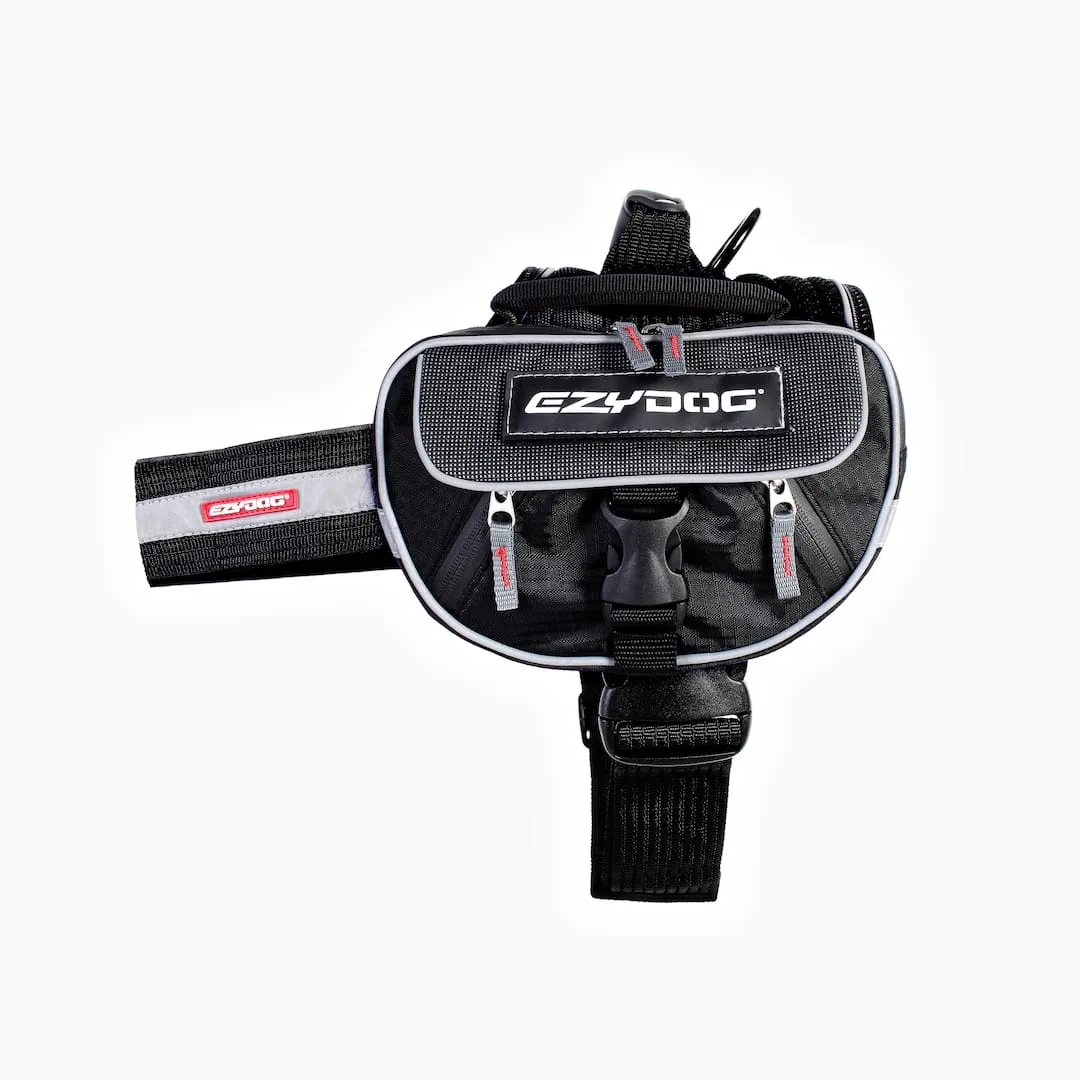
- Convert™ Saddle Bags: Transform your Convert Harness into a functional dog backpack with the Convert Saddle Bags. These durable and waterproof bags easily attach to the sides of your existing Convert Harness, offering a large main compartment and a quick-access front section for you and your dog’s essentials. The bags feature waterproof zip closures and reflective trim for safety during nighttime walks. This modular design lets you use a harness you already own, saving money and ensuring a familiar fit. The waterproof zips and reflective trim add safety and weather protection for hiking.
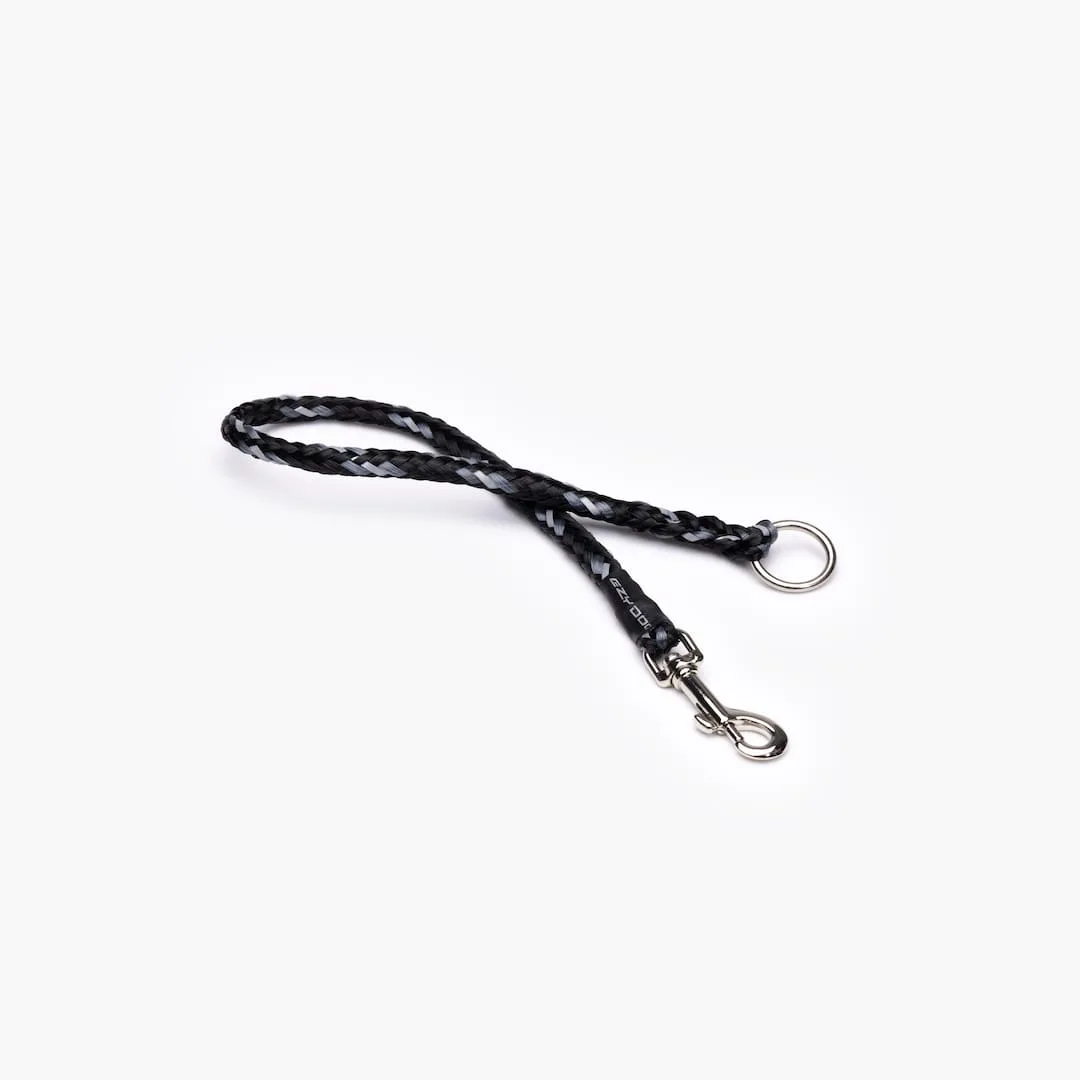
- Soft Touch™ Extensions: Enhance Your Walks with the Soft Touch Extension. This adjustable 12-inch to 26-inch extension adds length to any leash, offering flexibility and more freedom for your dog. Crafted from super soft, strong nylon with reflective trim for safety. When your dog is wearing a backpack, a slightly longer leash gives them more room to explore without pulling on the pack. The reflective trim adds visibility on shared trails.
Who this advice works for
Best for
- Day hikers who want a lightweight, modular backpack that attaches to an existing harness
- Owners who hike in variable weather and need waterproof storage and reflective safety features
Not ideal for
- Overnight backpacking trips where a larger, integrated pack with more capacity is needed
- Dogs with very short backs or deep chests that may not fit standard saddle-bag designs