Quick answer
For most daily walks, choose a 1.2–1.8 m (4–6 ft) flat or rope lead with a sturdy clip that matches your dog’s size and pull strength. The right length gives your dog freedom without sacrificing control, and the material should feel comfortable in your hand.
Length matters more than you think
A 1.8 m (6 ft) lead is the standard for everyday walking because it lets your dog sniff and explore while keeping them close enough to manage safely. Shorter leads (1.2 m) give more control in crowded areas, while longer leads (2–3 m) are better for training or open spaces but can become a tripping hazard in traffic.
Material affects grip and durability
Nylon webbing leads are lightweight, affordable, and dry quickly, but they can cause friction burns if your dog pulls suddenly. Leather leads soften over time and offer a comfortable grip, but they require occasional conditioning. Rope leads (often made of cotton or climbing rope) are strong and easy on the hands but can fray if chewed.
Clip and hardware should match your dog’s strength
A standard bolt snap clip works for most small to medium dogs. For strong pullers or large breeds, look for a carabiner-style clip with a locking mechanism. Check that the clip rotates freely to prevent the lead from twisting, and avoid lightweight plastic buckles on leads meant for daily outdoor use.
Your daily walk lead decision rules
- Measure your dog’s walking style: If your dog pulls constantly, choose a shorter lead (1.2 m) with a padded handle to maintain control. If your dog walks calmly beside you, a 1.8 m lead offers more freedom without sacrificing safety.
- Check the clip compatibility: Make sure the clip fits your dog’s collar ring or harness D-ring. A clip that is too small can pop open; one that is too large may slide and cause the lead to detach. Test the fit before the first walk.
- Match the material to your environment: For wet climates or beach walks, choose nylon webbing that dries quickly and resists mildew. For cold, dry weather, a leather or rope lead stays more comfortable in gloved hands. If you walk in multiple conditions, keep two leads: one all-weather nylon and one comfortable rope or leather for dry days.
- Consider the lead’s weight: A heavy lead can fatigue your hand on long walks, especially with a small dog. Lightweight nylon leads are easier to carry, while leather or rope adds heft that some handlers prefer for larger breeds.
Product highlights
-
Soho Poms x Bowl & Bone Republic Dog Lead - Blue: The Mayfair Dog Lead (1.8m) is a premium collaboration between Soho Poms and Bowl & Bone Republic, featuring a deep navy tone inspired by Grosvenor Square. The 1.8 m length is ideal for daily walks, and the blue colour stays clean-looking longer than lighter shades.
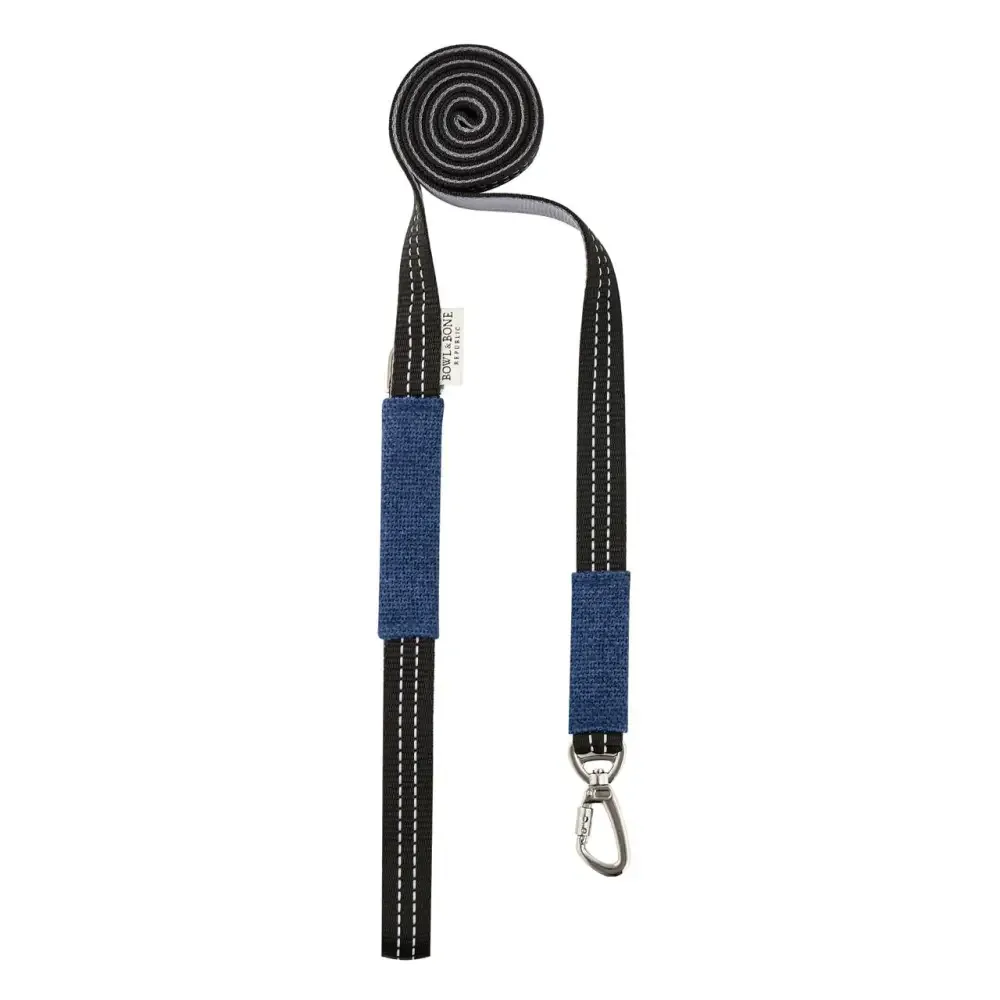
Soho Poms x Bowl & Bone Republic Dog Lead - Blue
-
Soho Poms x Bowl & Bone Republic Dog Lead - Lily: The Lily coloured lead captures the calm elegance of a Hyde Park stroll with a gentle pastel tone. If you walk in low-light conditions, a lighter colour like Lily improves visibility, but it will show dirt more quickly than darker options.
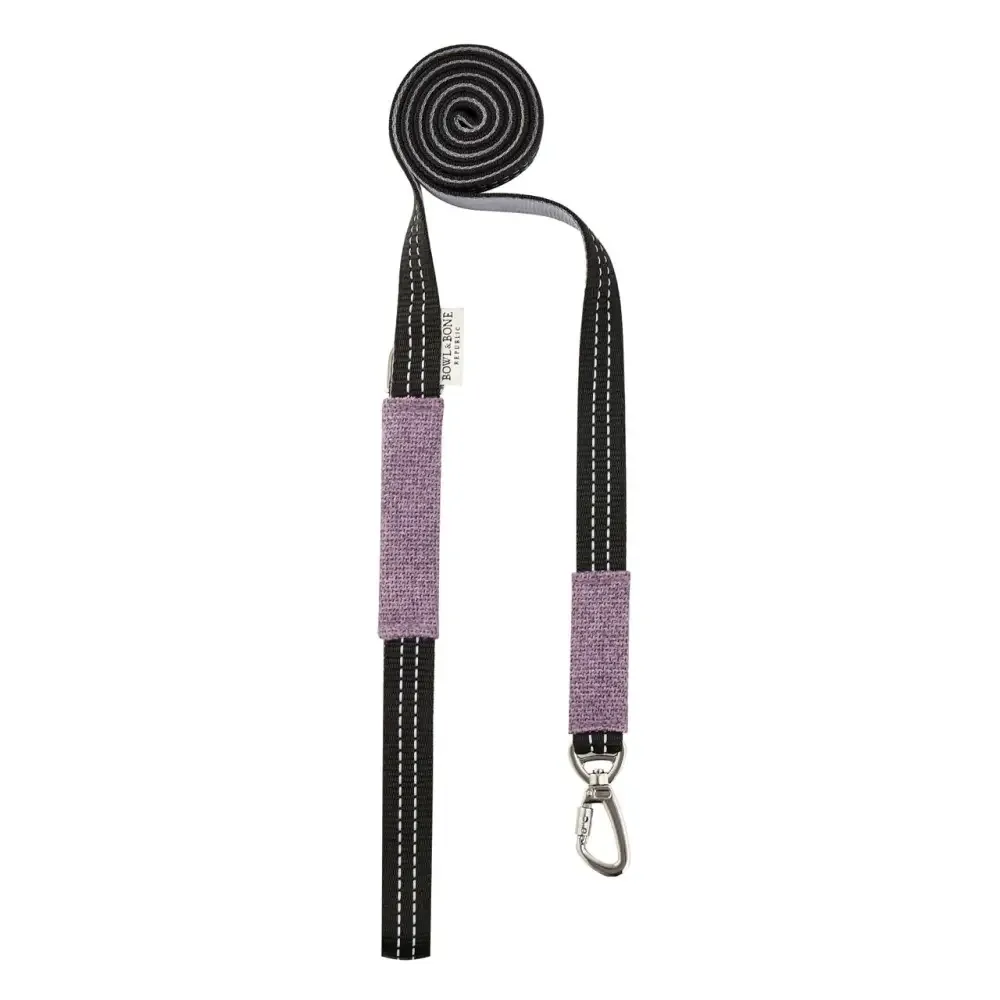
Soho Poms x Bowl & Bone Republic Dog Lead - Lily
Who this guide works for
Best for
- Daily walkers with medium-sized, moderate-pulling dogs who want a balanced mix of control and freedom
- Owners looking for a stylish lead that still functions well for regular neighbourhood walks
Not for
- Owners of strong pullers or large breeds who need a heavy-duty training lead or head collar attachment
- People who need a hands-free lead for jogging or multi-dog walking (those require different clip and length designs)