Quick answer
Choose a fat quarter bundle by matching the number of pieces to your project size, checking that the palette fits your plan, and confirming the fabric weight suits quilting or garment sewing. For most quilts, 12–20 fat quarters cover a throw, while larger beds need 25 or more. If you need long, continuous strips or borders, buy yardage instead.
A fat quarter bundle is one of the fastest ways to build a coordinated fabric stash for a quilt, bag, or small sewing project. Instead of hunting down matching prints one bolt at a time, you get a curated set of 18" x 22" cuts that already work together.
But bundles vary widely in size, palette, and fabric type, and the wrong pick can leave you short or stuck with prints you never use. This guide walks through the decisions that matter most so you can buy with confidence.
Start With Your Project, Not the Bundle
Before you look at any bundle, sketch out what you want to make. A baby quilt typically needs 6–10 fat quarters, a throw uses 12–20, and a queen-size quilt often calls for 25 or more. Knowing this number prevents you from buying a bundle that is too small or paying for extras you will not touch.
If your pattern calls for long borders, sashing, or backing, plan to buy separate yardage. Fat quarters are 18" x 22", so they cannot provide a continuous strip longer than about 22 inches without piecing. Bundles are best for patchwork, appliqué, and scrappy designs.
- Count the fat quarters your pattern lists, then add one or two extras for mistakes or future projects.
- Check whether the pattern uses fat quarters or quarter yards; they are different cuts and not interchangeable.
Match the Palette to the Room or Recipient
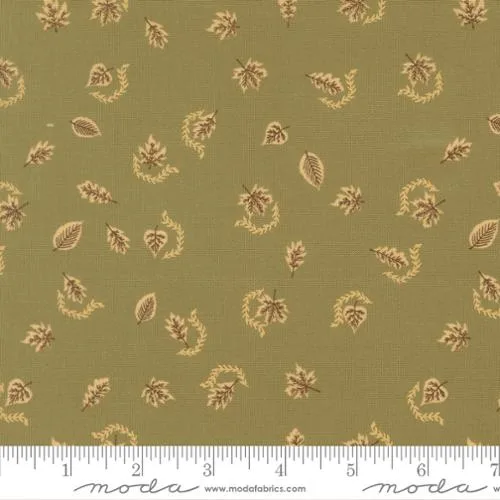
Color is the most personal part of the decision. Look at the bundle photo as a whole and ask whether the dominant colors match where the finished quilt will live. A bundle built around golds, yellows, and greens will feel warm and sunny, while a bundle with moody blues and purples reads cooler and more dramatic.
Designer collections usually include a mix of focal prints, blenders, and small-scale textures. That balance is what makes a bundle easy to work with, because you can alternate busy prints with quieter ones. If a bundle is all large-scale prints, your quilt may look chaotic unless you add solids.
- Pull up a photo of the room or the recipient's favorite colors before you commit.
- Look for at least two or three low-volume or blender prints in the bundle to give the eye a rest.
Check Fabric Weight and Fiber Content
Most fat quarter bundles are 100% quilting-weight cotton, which is what you want for piecing and quilting. That weight also works for many bags, pillows, and light garments, but it is usually too stiff for drapey clothing like dresses or blouses.
If you plan to mix the bundle with fabric you already own, confirm both are the same fiber and similar weight. Combining quilting cotton with stretch knits or heavy canvas rarely gives good results. When a listing does not state the weight, treat that as a limitation and ask the seller before buying.
- Quilting-weight cotton is the safe default for pieced quilts and most home decor.
- For garments, look for bundles labeled as lawn, voile, or double gauze instead.
Bundle Size and Value: What You Actually Get
Bundle sizes range from 5–6 pieces for small projects up to 40 or more for full collections. Larger bundles usually cost less per fat quarter, but only if you will use most of the prints. A 40-piece bundle is a poor value if you only need 12.
Compare the bundle price against buying the same number of individual fat quarters. Pre-cuts also save cutting time and guarantee the fabrics are from the same dye lot, which matters when color consistency is critical.
- Calculate cost per fat quarter before deciding; it is the fairest comparison.
- If you only love half the prints, buy individual fat quarters instead of a full bundle.
Fat Quarters vs. Yardage: When to Switch
Fat quarters win for scrappy quilts, sampler blocks, and projects where variety matters more than length. Yardage wins when you need borders, backing, binding, or any piece longer than 22 inches. Many quilters use both: a bundle for the patchwork and yardage for the frame.
If your pattern repeats the same fabric many times, yardage is usually more economical and avoids visible seams. If the pattern celebrates many different prints, a bundle is faster and more cohesive.
- Buy yardage for backing and binding even when the top comes from a bundle.
- Pre-wash a small test square if you plan to wash the finished quilt frequently.
Decision Rules for Buying a Fat Quarter Bundle
- Rule 1: Match piece count to project size: Count the fat quarters your pattern requires. Buy that number plus one or two extras for errors or future small projects. If the pattern needs 20 and the bundle has 17, buy two bundles or add individual fat quarters.
- Rule 2: Prioritize palette over print quantity: A bundle with a balanced mix of focal prints and blenders is easier to use than one dominated by busy large-scale prints. If you love fewer than half the prints, skip the bundle and buy individual cuts.
- Rule 3: Buy yardage for anything longer than 22 inches: Fat quarters cannot provide continuous borders, backing, or binding without piecing. Plan separate yardage for those parts. Budget for backing and binding before you check out.
- Rule 4: Confirm fiber and weight before mixing: Stick to 100% quilting-weight cotton unless your pattern specifically calls for another substrate. When weight is not listed, ask the seller rather than guessing.
Bundles and Pre-Cuts Worth Knowing
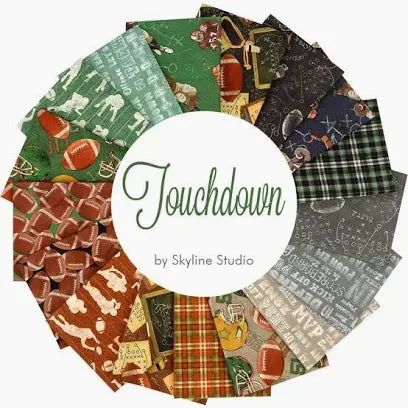
- Benartex Touchdown FQ Bundle - 17 Piece: 17-piece fat quarter bundle from Benartex's Touchdown collection with sporty prints, plaids, and textured blenders. A good fit for a throw quilt or a sports-themed project where you want a coordinated mix of focal and blender prints.
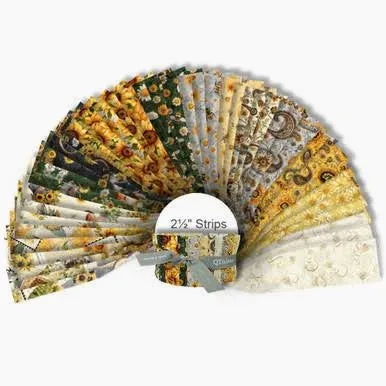
- Sunflower Serenade Jelly Roll: Pre-cut collection of 2.5" x 44" strips in golds, yellows, greens, and warm neutrals. Jelly rolls are faster for strip quilts and race quilts, but the narrow strips limit block sizes compared with fat quarters.
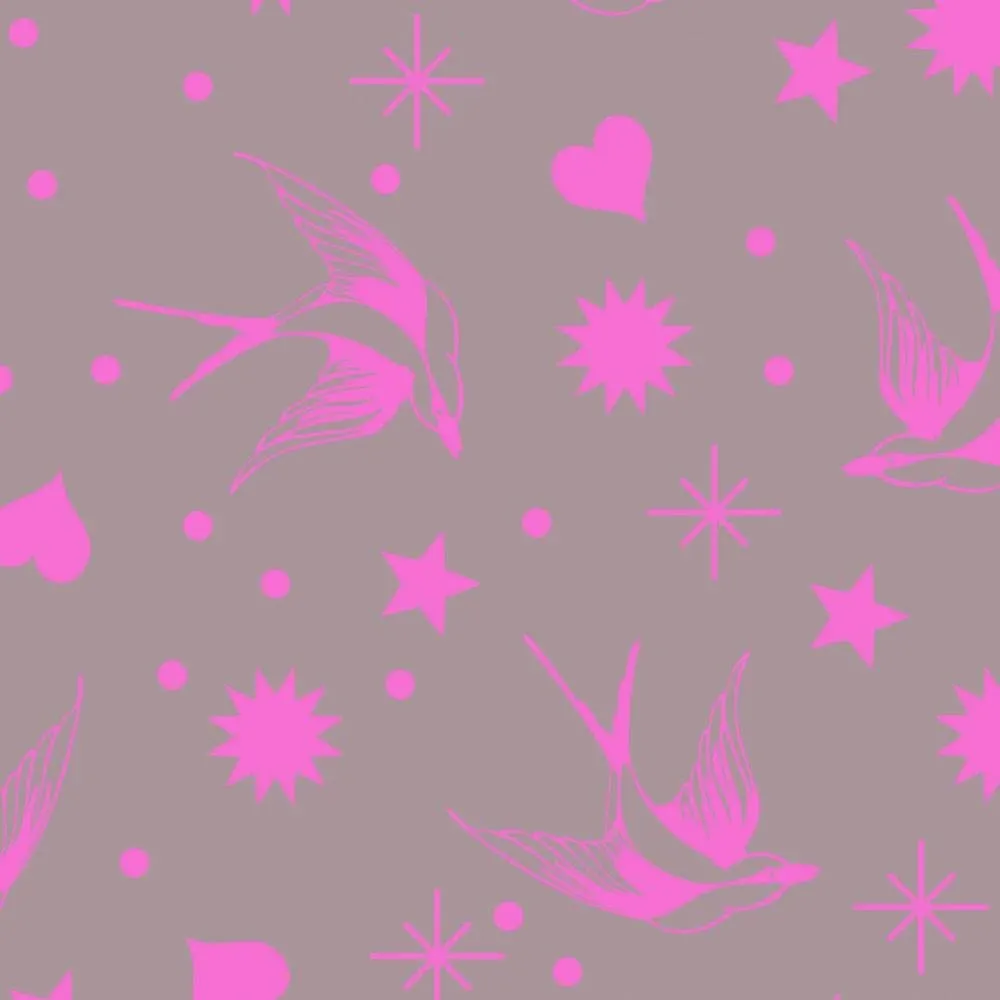
- Tula Pink Neon True Colors Fairy Flakes - Mystic 1/2 yd: 100% quilting-weight cotton, 44/45" wide, sold by the 1/2 yard in the Mystic colorway. Useful when you need a specific coordinating print or extra yardage beyond what a bundle provides.
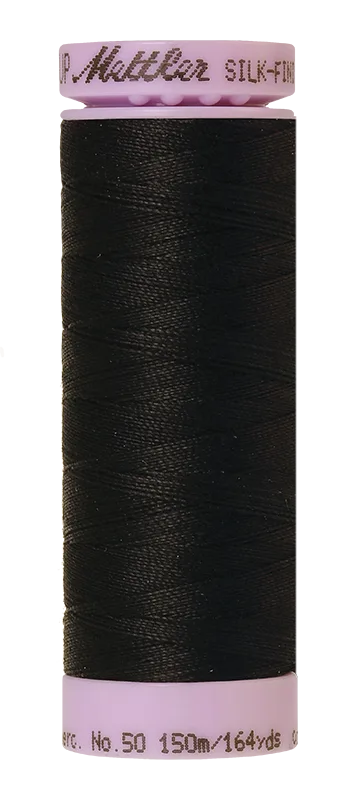
- Mettler Silk-Finish Cotton Thread 50wt 150M – Black: 50wt mercerized cotton thread, 150 meters per spool, suitable for piecing and quilting. A neutral thread that works with most bundle palettes, so you can start sewing as soon as the fabric arrives.
Is a Fat Quarter Bundle Right for You?
Best for
- Quilters making scrappy, sampler, or patchwork designs that use many different prints.
- Sewists who want a coordinated palette without spending hours matching fabrics.
- Beginners who want pre-cut, ready-to-sew pieces in consistent sizes.
Not for
- Projects that need long continuous strips, wide borders, or backing fabric.
- Garment sewers who need drapey or stretch fabrics rather than quilting cotton.
- Makers who only like a few prints in a collection and would waste the rest.
Choosing a fat quarter bundle comes down to matching the piece count and palette to your actual project, then buying yardage for anything the pre-cuts cannot cover. Get those two decisions right and the bundle becomes a time-saving shortcut instead of an expensive mistake.