Quick answer
Choose a gacha crate by matching its theme and rarity structure to your collection goals, budget, and tolerance for duplicates.
Know your collection style
Gacha crates are blind box experiences: you pay for a random capsule containing a collectible. If you aim to complete a set, you may need to trade or buy multiple crates. If you prefer the surprise itself, then any themed crate works.
The Gacha Gacha Crate, for example, recreates the Japanese vending machine experience with a coin slot and crank. The prize drops with a distinctive “Pon” sound, adding sensory fun to the reveal.
Budget and value trade-offs
Gacha crates range from inexpensive single capsules to pricier subscription boxes. A lower price per crate often means simpler items, while premium crates may include larger or more detailed collectibles.
The Gacha Gacha Crate is priced at $24.93 (compared to a catalog price of $38.95), offering a mid-range entry point. That price includes the interactive dispenser and one capsule, but you'll need additional coins or capsules for more pulls.
Duplicate risk and trading
Because gacha crates are random, duplicates are common. Some collectors embrace this as part of the hunt; others prefer crates that offer a trade-in program or guarantee no repeats within a set.
If you dislike duplicates, look for crates that specify a “no duplicate” policy or that sell individual capsules by series. Otherwise, plan to trade with friends or online communities.
Decision rules for picking your gacha crate
- Match theme to your interest: Choose a crate whose collectible theme aligns with what you already collect or enjoy. A mismatch leads to disappointment regardless of the item's quality.
- Check rarity tiers: Look for crates that publish rarity odds (common, rare, ultra-rare). If you want a specific rare item, be prepared to buy multiple crates or trade. Some crates hide rarity information; if transparency matters, ask the seller before buying.
- Compare per-pull cost: Divide the crate price by the number of capsules inside. A $25 crate with one capsule costs more per pull than a $30 crate with three capsules.
- Review trade and exchange options: Some sellers offer a swap program for duplicates. If you dislike having extras, prioritize crates with such policies.
- Factor in the unboxing experience: If the reveal ritual matters to you (like turning a crank or hearing a sound), look for crates that emphasize that interaction. The Gacha Gacha Crate's coin-and-crank mechanism is a clear example.
Product facts
-
Gacha Gacha Crate: With a simple slip of a few coins, and a couple twists to turn the crank, “Gacha”, “Gacha”. Your awaited prize drops with the distinctive “Pon” (ポン) sound. This interactive reveal adds a tactile and auditory layer to the unboxing, making it more than just opening a box—it's an experience.
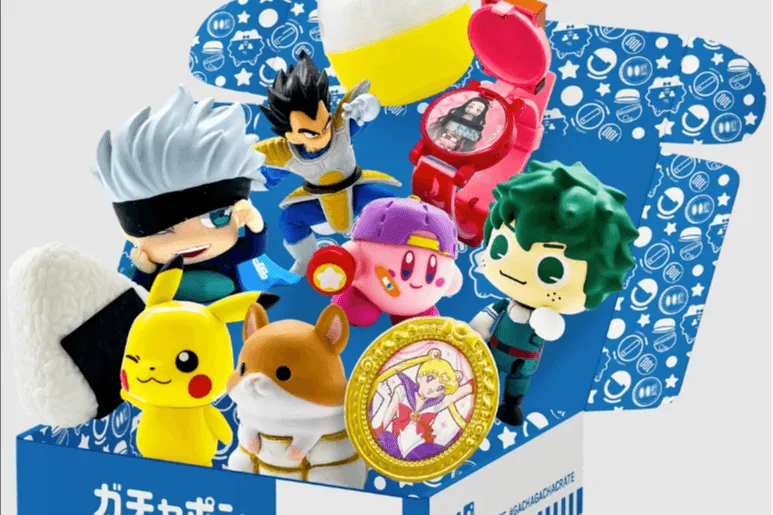
Gacha Gacha Crate
Who should buy a gacha crate?
Best for
- Collectors who enjoy the surprise and ritual of a blind box unboxing
- Hobbyists looking for an affordable way to add small, themed collectibles to their shelf
Not for
- Collectors who need to complete a specific set without duplicates or trading
- Anyone on a strict per-item budget who wants to know exactly what they're getting