Quick Answer
Choose a smaller barrel (about 1 to 1.5 inches) with firm bristles if you have fine or short hair, and a larger barrel (1.5 to 2 inches) with mixed bristles if your hair is thick or long. Curly and coily hair usually does better with a blow dry brush on low heat plus a diffuser, or with a traditional hair dryer and diffuser instead. If you want one tool that dries and shapes in a single-3100978">single pass, a one step hair dryer brush is the right category — just check that it has adjustable heat and a cool shot.
A hair dryer brush is not one product; it is a category with real differences in barrel size, bristle layout, airflow, and heat control. Those differences decide whether the tool smooths your hair in one pass or leaves it frizzy, flat, or overheated.
This guide walks through the decisions that actually change your result: hair type and density, barrel diameter, bristle type, heat and speed settings, and when a blow dry brush vs hair dryer is the better call. It also covers the honest trade-offs so you can pick a hot air brush you will keep using.
Start With Hair Type, Not the Tool
Fine hair loses volume fast under high heat and heavy airflow, so the best hair dryer brush for fine hair is usually a small-barrel brush with firm bristles and a low heat setting. Fine strands dry quickly, which means the shaping step matters more than raw drying power. Look for a brush that lets you drop to low speed without losing heat consistency.
Thick or coarse hair needs the opposite: more airflow, higher heat, and a larger barrel so you are not making endless passes. A hair dryer brush for thick hair should have a wide barrel and strong airflow, because the bottleneck is drying time, not styling. If your hair is both thick and long, a 1.5 to 2 inch barrel keeps passes efficient.
- Fine or thin hair: small barrel, firm bristles, low heat, short passes.
- Medium hair: 1.25 to 1.5 inch barrel, mixed bristles, medium heat.
- Thick or coarse hair: 1.5 to 2 inch barrel, strong airflow, higher heat with a cool shot to set.
- Curly or coily hair: low heat plus a diffuser attachment, or a separate dryer with a diffuser.
Barrel Size and Bristle Type Decide the Shape
Barrel diameter controls curl and volume. A 1 inch barrel creates tighter bend and root lift; a 2 inch barrel smooths and adds body without a tight curl. If you want a soft blowout, go larger. If you want movement at the ends, go smaller. Bristle type controls grip and shine: firm nylon bristles grab and tension the hair, while boar-style or mixed bristles polish the cuticle and reduce static.
For a one step hair dryer brush, the bristle layout also decides how much hair you can load at once. Dense bristle rows handle more hair per pass but can snag fine hair, while sparser rows are gentler and better for detail work. There is no single best layout — match it to how much hair you plan to wrap around the barrel.
- Small barrel (1 to 1.25 in): root lift, tighter ends, short hair.
- Medium barrel (1.25 to 1.5 in): everyday blowout, medium-length hair.
- Large barrel (1.5 to 2 in): smoothing and volume for long or thick hair.
- Firm bristles: more grip and tension, better for thick hair.
- Mixed or softer bristles: more polish, better for fine or fragile hair.
Blow Dry Brush vs Hair Dryer: What You Give Up
A blow dry brush vs hair dryer comparison comes down to speed and control. A brush dries and shapes in one motion, which saves time and reduces the number of tools on your counter. A traditional hair dryer with a separate round brush gives you more precise airflow direction, better root control, and easier diffusing for curls. If your priority is a fast, smooth blowout, the brush wins. If your priority is maximum control or curl definition, the dryer wins.
Heat control is the deciding feature on either tool. Adjustable heat and a cool shot let you set the shape without cooking the strand. If a brush only has one heat level, it is a poor fit for fine or color-treated hair, no matter how good the barrel size looks.
- Choose a brush if you want one tool and a fast smooth finish.
- Choose a dryer plus round brush if you need root precision or diffusing.
- Always check for adjustable heat and a cool shot before buying.
- Ionic or ceramic claims help with frizz, but heat control matters more.
Settings, Weight, and Cord Matter More Than You Think
A hot air brush selection should account for how the tool feels in your hand for 15 to 20 minutes. A heavy brush with a short cord is tiring and limits where you can stand. Look for a swivel cord, a comfortable grip, and a weight that lets you hold the barrel at the root without your wrist dropping.
Attachment systems are the other practical factor. A brush with a removable head can switch between a small barrel for ends and a larger one for smoothing, which is useful if you style more than one hair length in the house. If you travel, check whether the brush is dual voltage; if that spec is not listed, assume it is not and plan accordingly.
- Swivel cord and light weight reduce wrist fatigue on long styling sessions.
- Removable barrels add flexibility but add storage and cost.
- Check voltage for travel; do not assume dual voltage.
- A cool shot is the fastest way to lock in a smooth finish.
Decision Rules for Picking a Hot Air Brush
- Fine or thin hair: Pick a 1 to 1.25 inch barrel with firm bristles and confirm the brush has a low heat setting and a cool shot. If it only has one heat level, skip it.
- Thick or coarse hair: Pick a 1.5 to 2 inch barrel with strong airflow and higher heat, and plan on working in small sections. A small barrel will make drying take too long.
- Curly or coily hair: Choose a blow dry brush only if it has low heat and a diffuser option; otherwise choose a traditional dryer with a diffuser. Do not buy a brush that cannot diffuse.
- Short on time: A one step hair dryer brush with a large barrel and a cool shot gives the fastest smooth finish for medium to thick hair. Accept slightly less root control for the speed.
- Maximum control: Use a hair dryer with a separate round brush so you can direct airflow at the root and set each section. More tools, more time, better precision.
Product Facts From the Catalog
- Basic tote: The Basic tote is a crochet kit designed for beginners, offering a straightforward project to build your skills, and it includes the materials needed to complete the project. If you keep your styling tools in a bag, a simple beginner kit like this is a low-cost way to make a dedicated pouch for a brush and its attachments instead of leaving them loose in a drawer.
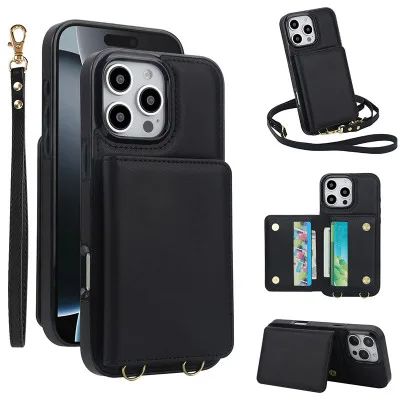
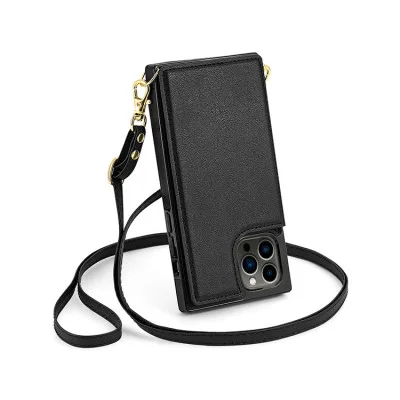
- iPhone 13 Pro Max Case - Heavy Duty Crossbody Phone Case - Casebus Crossbody Phone Case, Silicone Case, with Adjustable Lanyard Strap - FAITH - Casebus: This Casebus crossbody phone case is a heavy duty silicone case with an adjustable lanyard strap. Styling with a hot brush ties up both hands, so a crossbody strap keeps your phone reachable for timers or tutorials without setting the brush down mid-section.
Who Should Buy Which
Best for
- Anyone with fine to medium hair who wants a fast, smooth blowout with one tool.
- People with thick or long hair who will use a large barrel and higher heat in small sections.
- Travelers who want a single dual-voltage tool for drying and shaping, after confirming the voltage spec.
Not for
- Curly or coily hair types who need true diffusing and low, even heat.
- Anyone who wants precise root lift and section-by-section control, who should use a dryer plus round brush.
- Fine or color-treated hair if the brush lacks adjustable heat and a cool shot.
Match the barrel and bristles to your hair type first, then confirm heat control, weight, and cord before you buy. A hair dryer brush buying guide is only useful if it tells you when to walk away — and for curly hair or maximum root control, a traditional dryer with a diffuser or round brush is still the better tool.