Quick answer
Choose a rain jacket by matching three things to your real use: waterproof rating, breathability, and the features you will actually use. For hiking and active days, prioritize pit zips, a helmet-compatible or adjustable hood, and a shell that fits over one mid layer without being baggy. For commuting and everyday rain, a lighter, packable jacket with taped seams and a simple hood is usually enough.
Most rain jackets fail for one of two reasons: they are not waterproof enough for the rain you meet, or they trap so much sweat that you get wet from the inside. The fix is not buying the most expensive shell. It is matching the jacket's waterproofing, breathability, and features to how and where you actually wear it.
This guide walks through the specs in plain language, shows how to test fit before you buy, and explains when a heavier expedition-style jacket makes sense versus a lightweight rain shell you can fold into a bag. Houdini's own lineup gives useful examples of both ends of that spectrum.
Waterproofing: what the numbers and seams really tell you
Waterproof ratings describe how much water pressure a fabric can resist before it leaks. For city rain and short commutes, a lower rating is fine. For long hikes, exposed ridgelines, or sitting on wet ground, you want a higher rating and fully taped seams. Taped seams matter as much as the fabric: a waterproof membrane is only as good as the stitching it is sewn with.
Also check the face fabric and the finish. A durable water repellent (DWR) finish makes rain bead up and roll off, but it wears away with use and dirt. That is normal, not a defect. You can restore it with a wash and a re-proofing treatment, which is far cheaper than replacing the jacket.
- Look for 'fully taped seams' rather than 'critical seam taping' if you will be out in sustained rain.
- A jacket that wets out (fabric darkens and feels damp) usually needs cleaning and re-proofing, not replacing.
- Pockets with water-resistant zippers or flaps keep phone and keys dry without a separate pouch.
Breathability: the spec that decides whether you stay dry inside
Breathability is how well the jacket lets your sweat vapor escape. It matters more the harder you work. On a flat walk in cool rain, almost any shell is fine. On a steep climb with a pack, a low-breathability jacket turns into a sauna, and you end up as wet as you would have been without it.
Ventilation features are the practical backup. Pit zips let you dump heat fast when you are climbing, and they are often more effective than a marginally better breathability number. If you run hot, prioritize pit zips and a two-way front zipper over a higher price tag.
- If you hike or bike in rain, choose a breathable rain jacket with pit zips.
- For low-output use like walking the dog or waiting at a bus stop, breathability is a nice-to-have, not a dealbreaker.
- Layering a breathable shell over a merino or synthetic base layer manages moisture better than a shell alone.
Hood, cuffs, and hem: small features, big comfort
A hood that does not adjust will flap in wind and funnel rain down your neck. Look for at least one rear or side adjustment and a brim that holds its shape. If you wear a helmet, check whether the hood fits over it or has a dedicated helmet-compatible cut.
Cuffs and hem are your second line of defense. Adjustable cuffs seal around gloves or bare wrists, and a drawcord hem stops the jacket riding up under a backpack. These details cost little but decide whether you stay dry on a windy, wet day.
- Test the hood with a hat or helmet on before committing.
- Velcro or elastic cuffs are easier to adjust with cold, wet hands than snap closures.
- A slightly longer hem covers your seat when you sit or bend.
Weight and packability: when light wins
Lightweight rain jackets trade durability and feature count for pack size. They are ideal for travel, summer showers, and emergency layers you carry just in case. Heavier shells add abrasion resistance, more pockets, and warmth, which suits winter use, backpacking with rough loads, or expedition-style trips.
The honest tradeoff is that a very light jacket will not survive years of scraping against rock or carrying a heavy pack. If your rain is mostly urban and occasional, light is the smarter buy. If you are out in rough terrain every weekend, accept the extra grams.
- Packable shells are best for travel and summer hiking.
- Choose a burlier shell if you carry a heavy pack or brush against rock and branches.
- One jacket rarely covers both extremes well; many people end up with a light shell and a warmer winter jacket.
Fit: how to test it before you buy
A rain jacket should fit over your mid layer with room to move, but not so loose that it billows. Wear the layers you plan to use, then check: can you raise your arms overhead without the hem lifting past your waist? Can you reach forward without the cuffs pulling back? If the jacket restricts either, size up.
Sleeve length should reach the base of your hand when your arms are down, so rain does not run into your gloves. The chest and shoulders should allow a deep breath without tightness. If you are between sizes and plan to wear a puffy mid layer, go with the larger size.
- Test fit with your actual mid layer, not a t-shirt.
- Raise both arms overhead: the hem should stay near your waist.
- Check that the hood turns with your head, not against it.
Decision rules: pick your jacket in five checks
- Rule 1: Match waterproofing to exposure time: Short commutes and errands need less waterproofing than multi-hour hikes or wet camp setups. If you will be out for hours, insist on fully taped seams and a higher waterproof rating. If in doubt, choose the more waterproof option for hiking and the lighter option for city use.
- Rule 2: Buy breathability for your hardest output: Pick the jacket for the most intense activity you will do in rain, not the average. If you climb hills with a pack, prioritize pit zips and a breathable membrane. Pit zips fix more overheating problems than a slightly better breathability number.
- Rule 3: Choose features you will actually use: A helmet-compatible hood is essential for climbing and cycling, unnecessary for commuting. Adjustable cuffs and hem help everyone. Extra pockets add weight you may not want. List your three must-have features before you shop, and ignore the rest.
- Rule 4: Decide light versus durable: Lightweight shells pack small and suit travel and summer rain. Heavier shells resist abrasion and carry loads better. You are choosing between pack size and long-term toughness. If you carry a heavy pack or hike rough terrain often, accept the extra weight.
- Rule 5: Fit over your real mid layer: Try the jacket on with the mid layer you will wear in cold rain. Check arm raise, forward reach, and sleeve length. If any of those restrict you, size up. Between sizes with a puffy mid layer? Take the larger size.
Houdini examples that show the tradeoffs
- M's Bouncer Jacket: Houdini describes the Bouncer Jacket as an expedition-type technical winter jacket built for maximum warmth at minimal weight, with stretchy, soft, quiet fabrics, warmth barriers at exposed points, and a PrimaLoft® Rise lining. This is the heavy end of the spectrum: it suits cold, wet winter conditions and low-output use where warmth matters more than packability. If you mostly hike fast in summer rain, it is more jacket than you need.
- M's Core Tech Pants: Houdini describes the Core Tech Pants as wind-resistant softshell pants made in Prime Ripstop™, a fully recyclable fabric, designed for an active lifestyle from early spring to late autumn and for climbing, hiking, and kayaking. They show how Houdini handles wind and light weather on the lower body. Softshell pants like these pair well with a rain shell on top: the shell handles rain, while the pants handle wind and abrasion.
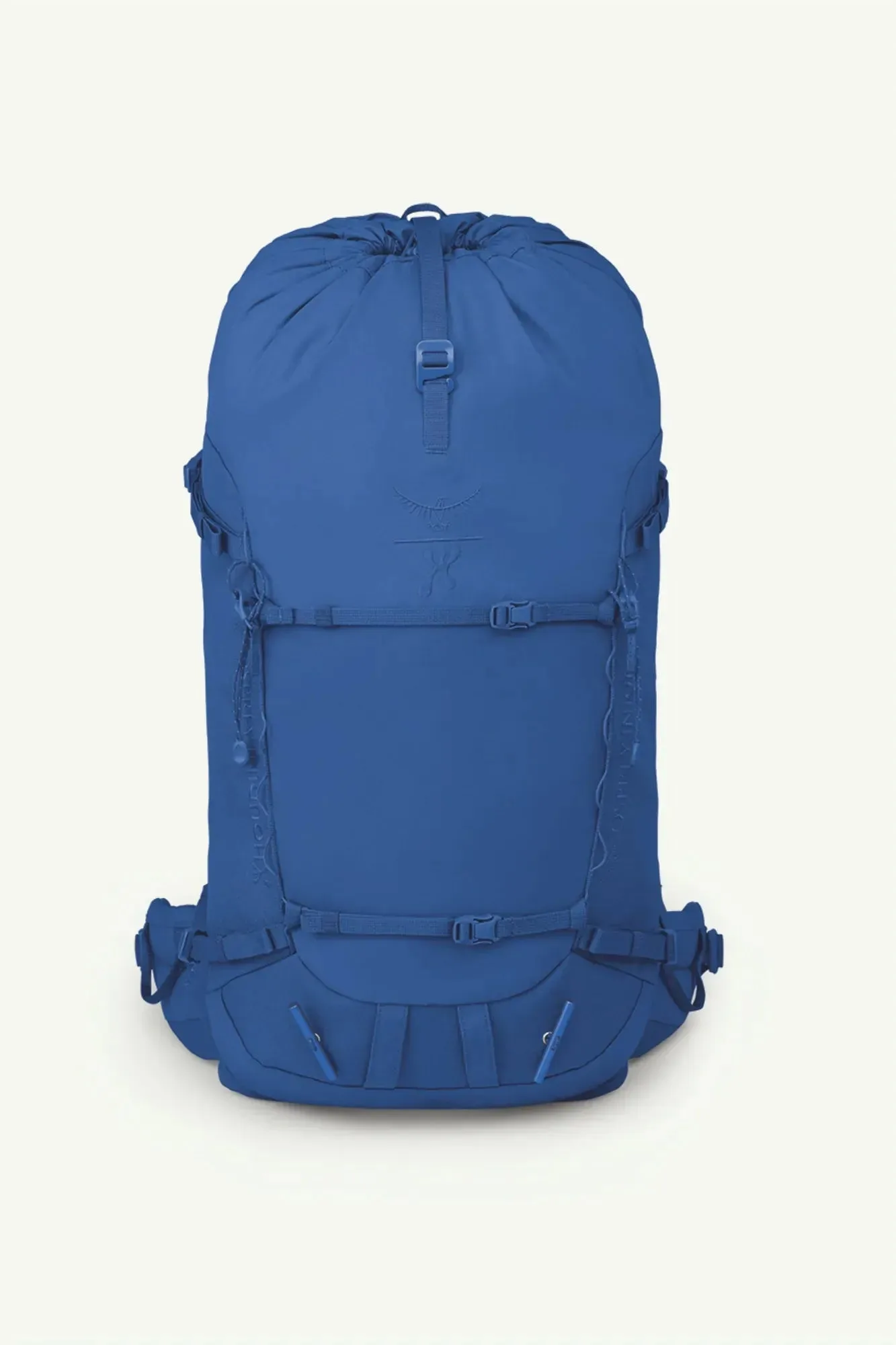
- Osprey x Houdini Allt 30L Tribe Blue OS: The Allt Series combines Osprey's design with Houdini's circularity expertise, made from advanced fully recyclable polyester materials, and is described as a four-season backpack for alpine adventures. A packable rain shell lives in your bag until it rains. A 30L four-season pack gives you room for a shell, a mid layer, and essentials without strapping gear outside where it soaks through.
Who this guide is for
Best for
- Hikers and commuters who want one rain jacket that handles real wet weather
- Travelers who need a packable shell for unpredictable rain
- Anyone layering a rain jacket over a mid layer in cool or cold conditions
Not for
- Skiers and winter athletes who need insulated snow protection rather than a rain shell
- People looking for a fully waterproof winter parka with built-in warmth
- Ultra-minimalist runners who want only a windbreaker and accept getting wet in heavy rain
Pick your rain jacket by matching waterproofing and breathability to your hardest realistic use, then confirm the fit over your actual mid layer. A simple, well-fitting shell with taped seams and pit zips will keep you drier than an expensive jacket that fights your layers.