Quick answer
Choose a shell when you generate heat and need weather protection without bulk, such as the W's Lana Anorak. Choose insulation when you stop moving and need warmth, such as the M's Ride Insulated Jacket. If you are deciding between an anorak vs jacket, pick the anorak for a quieter, more natural feel and a jacket for easier on-and-off layering.
Start with how you move, not the weather
Your activity sets the baseline. High-output skiing, snowboarding or hiking means you will warm up fast, so a shell that blocks wind and sheds light moisture works better than thick insulation. Low-output activities such as lift riding, commuting or camp time mean you will cool down quickly, so insulation earns its place.
A useful rule: if you expect to sweat within the first 20 minutes, start with a shell and add layers underneath. If you expect to stand still for long stretches, start with an insulated jacket.
Shell, insulation or anorak: what each one is for
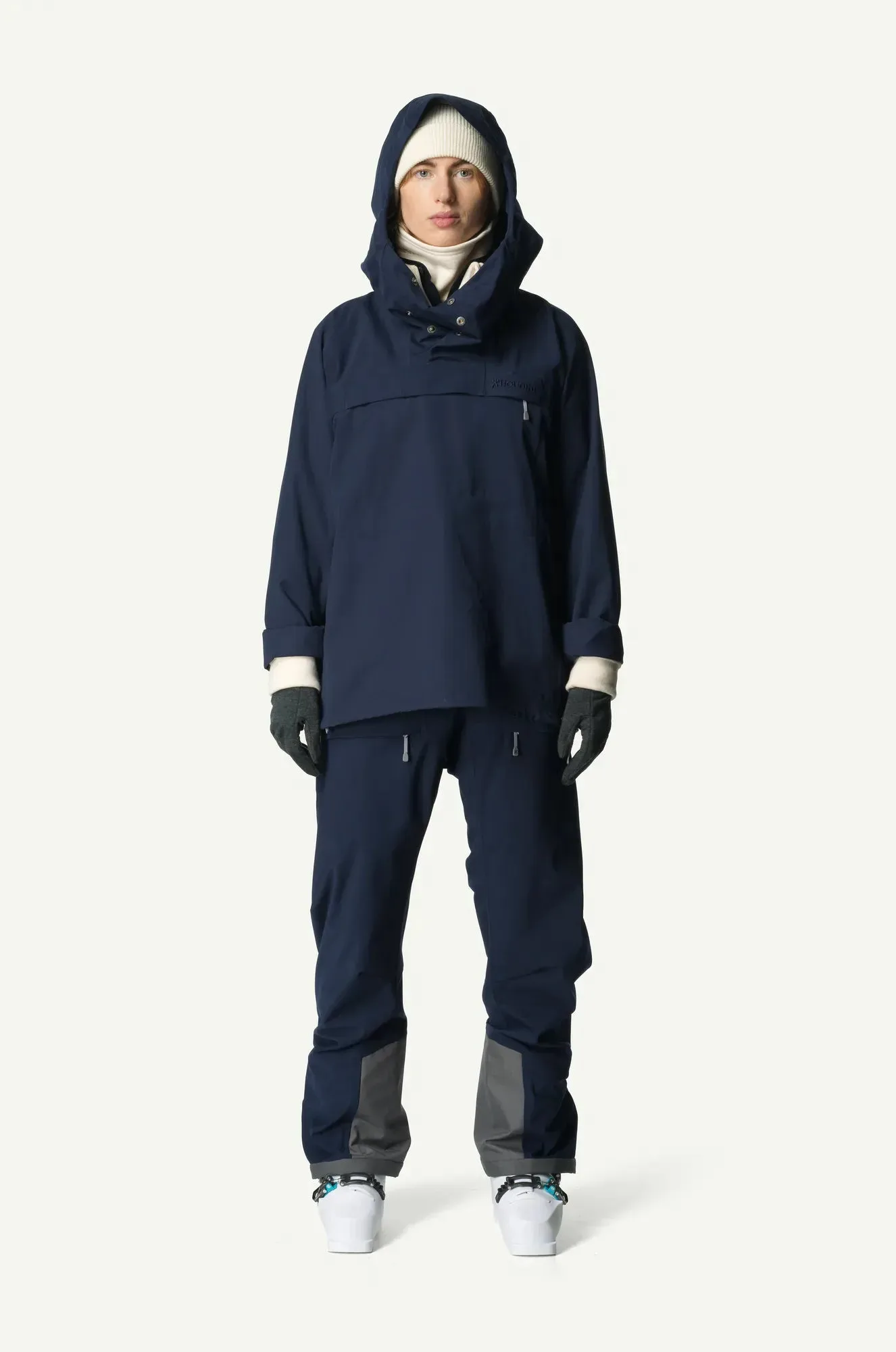
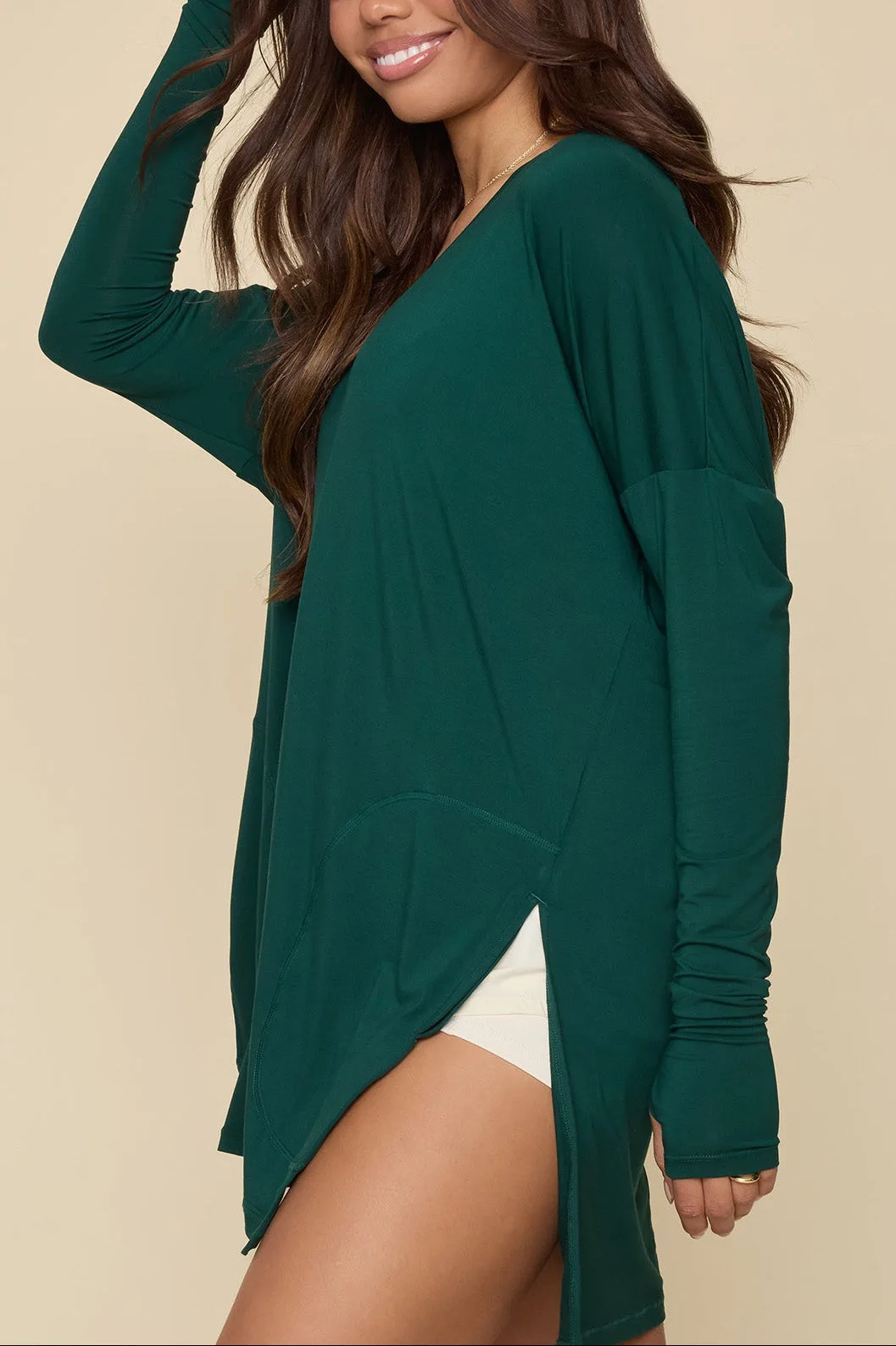
A shell is a protective outer layer. The W's Lana Anorak is a high-function shell made from 100% merino wool, with a dense weave and natural lanolin providing water and wind resistance without added chemicals, impregnation or synthetic treatment. That makes it a strong pick when you want weather protection and a quiet, natural feel rather than a crisp synthetic face fabric.
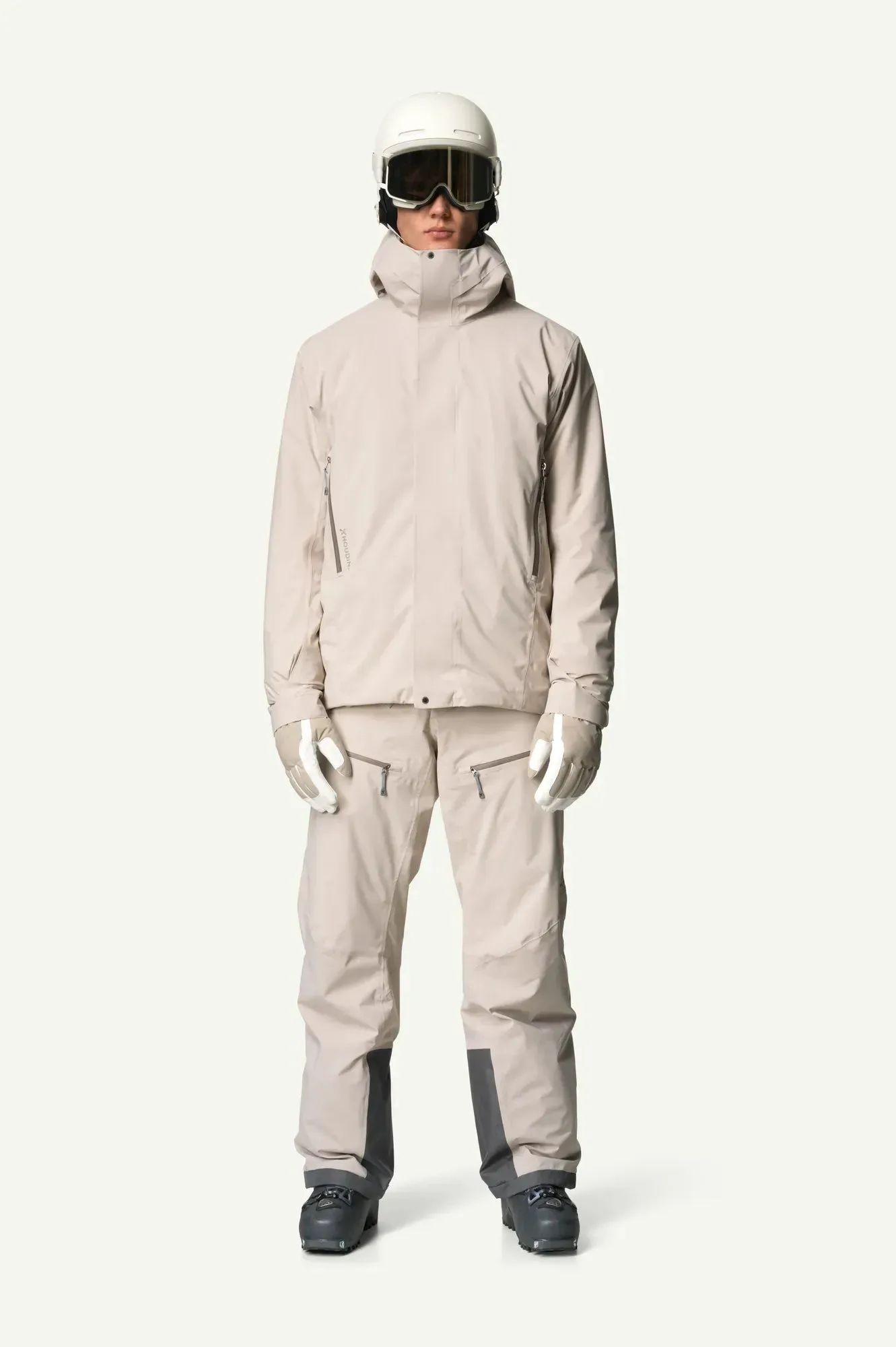
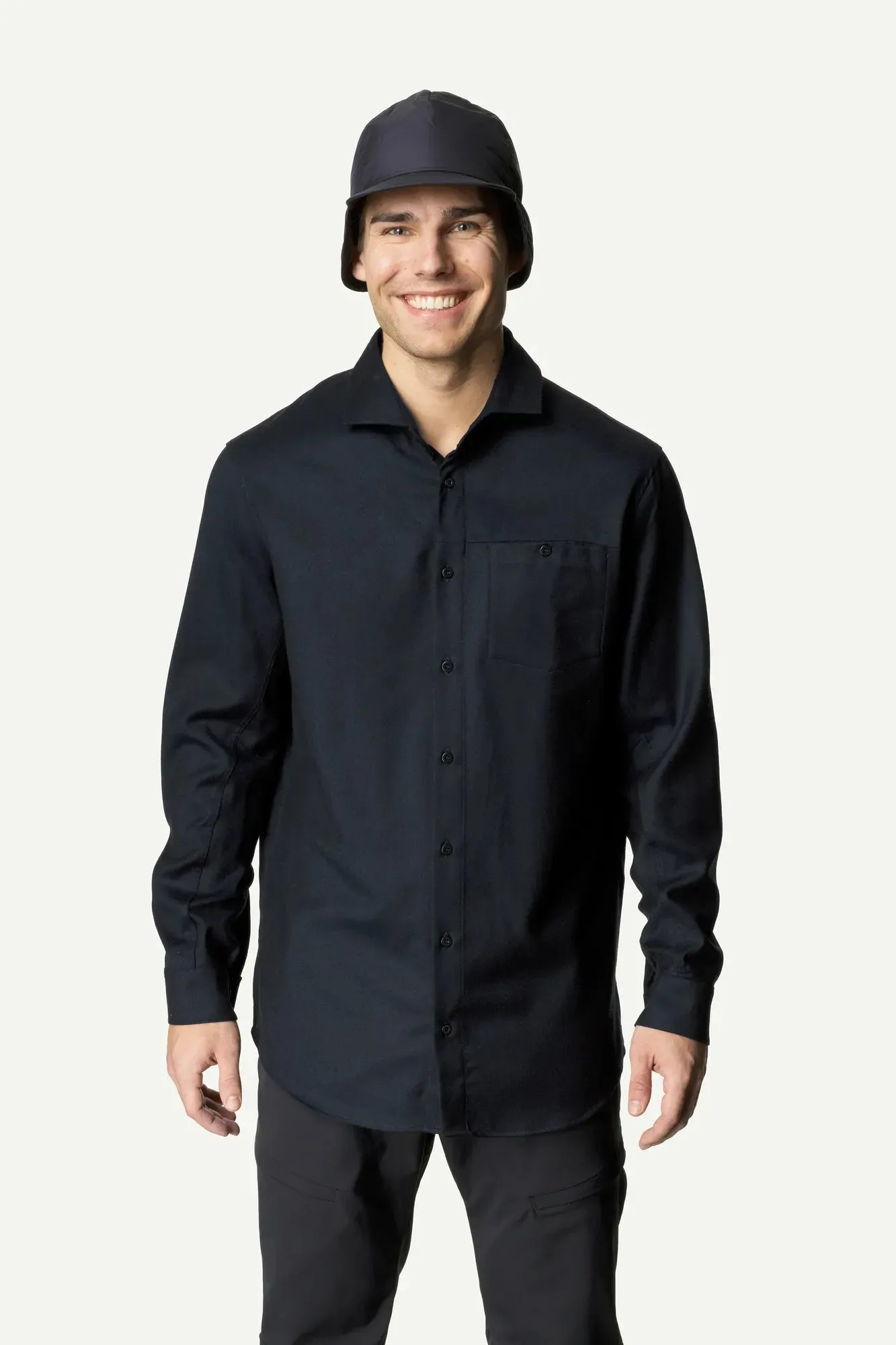
An insulated jacket adds warmth. The M's Ride Insulated Jacket combines effective weather protection with comfort for skiing, snowboarding or an active winter life in the mountains, so it suits days when you want warmth without adding a separate midlayer.
Anorak vs jacket is mostly about closure and layering. An anorak pulls over the head and usually has a large front pocket, which keeps the front clean and quiet. A full-zip jacket is faster to vent and easier to take on and off when you are switching between moving and standing still.
Fit guidance: how a Houdini jacket should sit
A shell should fit close enough to block wind but leave room for a midlayer. Check that you can raise your arms overhead without the hem lifting above your waist. If the shell is too tight across the back, you will feel the cold at the seams when you move.
An insulated jacket should fit slightly looser than a shell because the insulation itself takes up space. Wear it over the layers you plan to use most, then test a forward reach and a deep squat. If the jacket restricts your shoulders, size up rather than relying on the insulation to compress.
For an anorak, the neck opening is the fit point that matters most. It should seal without pressing on your throat, and you should be able to pull it on and off without removing your hat. If you often wear a helmet, check the hood over the helmet before you commit.
Carry and packability: the bag question
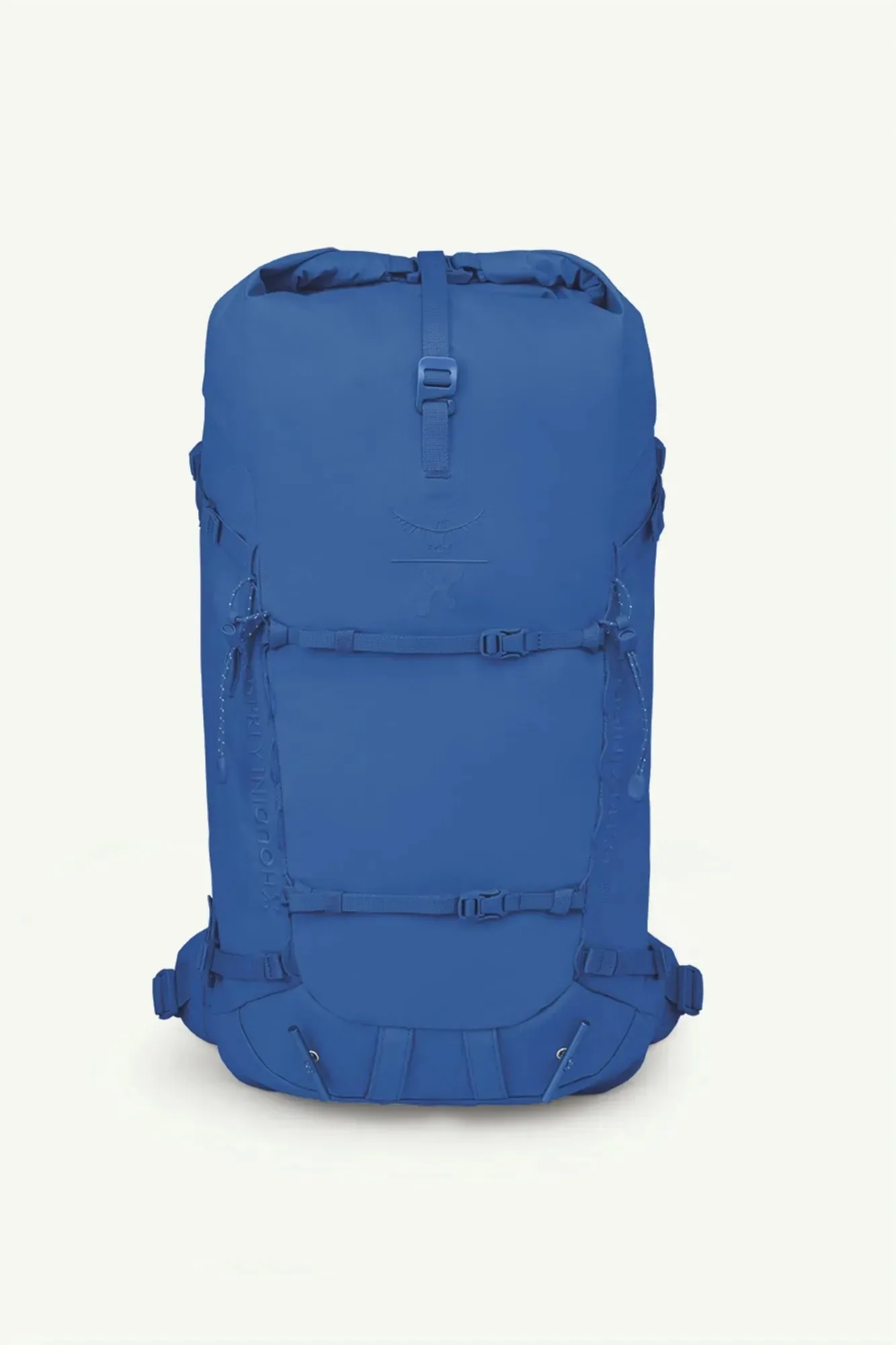
If you plan to carry a layer instead of wearing it, pack size matters as much as warmth. The Osprey x Houdini Allt 20L Tribe Blue OS is a four-season alpine backpack built from advanced, fully recyclable polyester materials, combining Osprey's fit, comfort and durability with Houdini's Nordic aesthetic and circular design principles. It gives you a place for a shell or insulated layer when conditions change mid-day.
Pack the layer you are most likely to remove first at the top of the bag. If you run hot, that is usually the insulated jacket. If you run cold, it is usually the shell, with the insulation staying on.
Decision rules for picking your Houdini jacket
- If you sweat within 20 minutes: Choose a shell like the W's Lana Anorak and manage warmth with layers underneath rather than built-in insulation. Shell first for high-output days.
- If you stand still for long stretches: Choose an insulated jacket like the M's Ride Insulated Jacket so warmth stays with you when your body stops producing it. Insulation first for lift, camp and commute time.
- If you want the quietest front and fewer zips: Choose an anorak. If you vent often or layer in a hurry, choose a full-zip jacket instead. Anorak vs jacket is a closure decision, not a warmth decision.
- If you carry a layer: Check pack volume and how you will reach the layer you remove first. A 20L alpine pack such as the Osprey x Houdini Allt 20L Tribe Blue OS covers a shell or insulated jacket plus essentials. Pack the layer you shed first at the top.
Product facts to compare
- W's Lana Anorak: A high-function shell in 100% merino wool, with a dense weave and natural lanolin giving water and wind resistance without harmful chemicals, impregnation or synthetic treatment. Best when you want weather protection with a quiet, natural feel and no added chemical finish.
- M's Ride Insulated Jacket: Combines effective weather protection with comfort for skiing, snowboarding or an active winter life in the mountains. Best when you want warmth and protection in one layer for cold, stop-start mountain days.
- Osprey x Houdini Allt 20L Tribe Blue OS: The Allt Series combines Osprey's proven design with Houdini's circularity expertise, made from advanced, fully recyclable polyester materials for four-season alpine use. Useful if you need to carry a layer and want a pack built around fit, durability and circular design.
Who each jacket is for
Best for
- Skiers, snowboarders and hikers who run warm and want a shell with a natural feel
- Cold, stop-start mountain days where you want warmth and weather protection in one layer
- Anyone deciding between an anorak and a full-zip jacket based on how they vent and layer
Not for
- Buyers who need a fully synthetic, chemical-finished shell for the most abrasive wet-weather use
- Buyers who want the lightest possible packable insulation with no weather protection