Quick answer
For a keychain that lasts, prioritize a solid metal body (stainless steel or brass) over plated or plastic parts, choose a clip that matches how you carry it, and keep the total weight low. A stainless steel carabiner or a brass split ring with a screw gate will outlast decorative alloys and coated clips, especially if you attach it to a bag strap or belt loop daily.
Start with the material, not the design
The material determines how a keychain ages. Stainless steel resists rust and bending, brass develops a patina but stays strong, and zinc alloy or coated pot metal can flake or snap at the clip. If the listing does not name the metal, assume it is a plated or cast alloy and treat it as a light-duty option. Leather and fabric keychains can look great but stretch and fray at the attachment point, so check whether the metal hardware is riveted or sewn in.
- Stainless steel: best for daily carry, sweat, and rain.
- Brass: strong and repairable, but heavier and can patina.
- Plated or cast alloy: fine for occasional use, not for constant bag carry.
- Leather or fabric: choose only if the clip is metal and reinforced.
Match the clip type to how you carry it
Clip type decides whether your keys stay put. A carabiner or gate clip is fastest to move between a belt loop and a bag strap, but a spring gate can loosen over years of use. A screw-gate or locking carabiner is more secure for bags but slower to open. Split rings are the most secure for keys but harder on fingernails; a screw-together key ring solves that if you change keys often. For a bag, look for a clip with a wide enough opening to fit over a strap or D-ring without forcing it.
- Carabiner or gate clip: quick on and off, check the gate tension.
- Screw-gate carabiner: secure for bags, slower to open.
- Split ring: most secure, least convenient.
- Screw-together ring: easier key changes, check the threads.
Keep the load light and the length short
Weight and length are the two quiet causes of keychain failure. A long chain or strap swings, catches on door handles, and puts leverage on the clip, which can bend or open. Keep the total drop under about 10 cm if you carry it on a belt loop, and under 15 cm if it lives inside a bag. If you carry more than four keys plus a fob, use a second ring or a small pouch so the main clip is not carrying everything.
- Weigh your keys: over about 150 g, use a stronger clip or split the load.
- Shorten the drop to reduce swing and snagging.
- Use a second ring for car fobs and bulky items.
Check the connection points, not just the body
Most keychains fail at the joints, not the middle. Look for welded or riveted loops rather than open wire ends, and check that the ring is thick enough that it will not pull open. If the keychain has a decorative charm, make sure it is attached with a closed jump ring, not an open one that can slip. For hand-placed details like rhinestones, expect some natural loosening over time and treat the piece as a fashion accessory rather than a load-bearing tool.
- Welded or riveted loops outlast open wire ends.
- Closed jump rings hold charms better than open ones.
- Decorative stones and charms are not structural.
Match the finish to your bag and keys
Finish is mostly about wear, not looks. Glossy coated metals show scratches sooner than brushed or raw metal, and dark coatings can chip at the clip edge where it rubs. If your bag has metal hardware, choose a keychain in a similar tone so scratches are less obvious. If you carry a soft or padded bag, a smooth metal clip slides in and out more easily than a rough cast one, which can catch on lining.
- Brushed or raw metal hides scratches better than high gloss.
- Match tone to your bag hardware to reduce visible wear.
- Smooth clips are easier on padded or lined bags.
Decision rules for a long-lasting keychain
- If you carry keys on a belt loop daily: Choose a stainless steel or brass carabiner with a spring gate and keep the drop under 10 cm. Check the gate tension every few months; replace the clip if it opens easily.
- If you move keys between bags often: Use a screw-gate carabiner or a screw-together ring so the connection does not pop open in a bag. Test the threads; if they feel loose, the ring will unscrew on its own.
- If you carry more than four keys plus a fob: Split the load with a second ring or pouch so the main clip is not carrying all the weight. Keep the total under about 150 g per clip to avoid bending.
- If the keychain has decorative stones or charms: Treat it as a fashion piece and avoid hanging it where it will rub against zippers or bag hardware. Hand-placed details can loosen over time; inspect them monthly.
- If you wear textured or knit clothing: Choose a smooth metal clip or keep the keychain inside a bag pocket to prevent snags. Ribbed knits and scarf details catch on rough cast metal.
Product facts that matter for daily carry
- The Puffer Case® - Strawberry Frozen Yogurt: The Puffer Case® - Strawberry Frozen Yogurt has raised edges for screen and camera protection and 360° full coverage, with a glossy polyurethane exterior, soft padded filling, and felt interior. If you clip a keychain to a bag that also holds your phone, a padded, full-coverage case reduces the chance that keys scratch the screen or camera.
- The Skinny Case™ - Heartbreaker: The Skinny CaseTM - Heartbreaker has raised edges for screen and camera protection and 360° full coverage, with a glossy polyurethane exterior and felt interior; rhinestones are hand-placed and some natural loosening may occur over time. A slim case with hand-placed stones is a reminder that decorative details wear; keep metal keychains in a separate pocket or use a soft pouch to avoid rubbing.
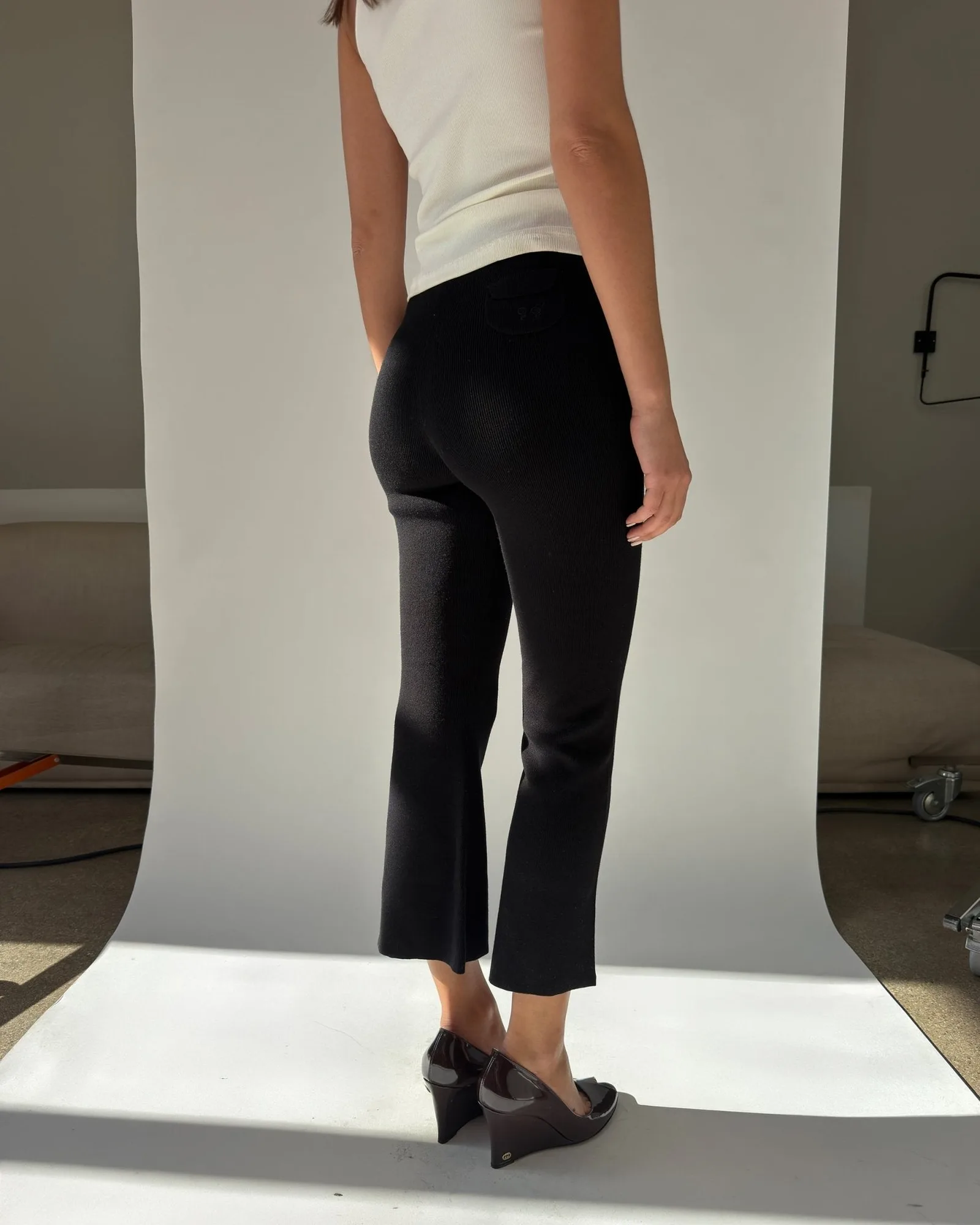
- Carolyn Scarf Top: Carolyn Scarf Top is a sleeveless ribbed knit with an integrated scarf detail, made of 72% viscose and 28% nylon, and fits true to size. Ribbed knits and scarf details can snag on rough metal clips, so choose a smooth keychain or keep it inside a bag pocket when wearing textured fabrics.
Who this guide is for
Best for
- People who carry keys on a belt loop or bag strap every day
- Shoppers who want a keychain that survives rain, sweat, and constant handling
- Anyone matching a keychain to a specific bag or set of keys
Not for
- Collectors looking for a display-only decorative keychain
- Anyone who wants the lightest possible keychain and will not check clip strength
- Shoppers who need a keychain for a single special event rather than daily use