Quick answer
Choose a kickstand that matches your child's wheel size and bike weight. For most kids' bikes, a center-mount adjustable stand in 16" to 20" length works best. Avoid kickstands that are too long or too short—they can tip the bike or fail to hold it.
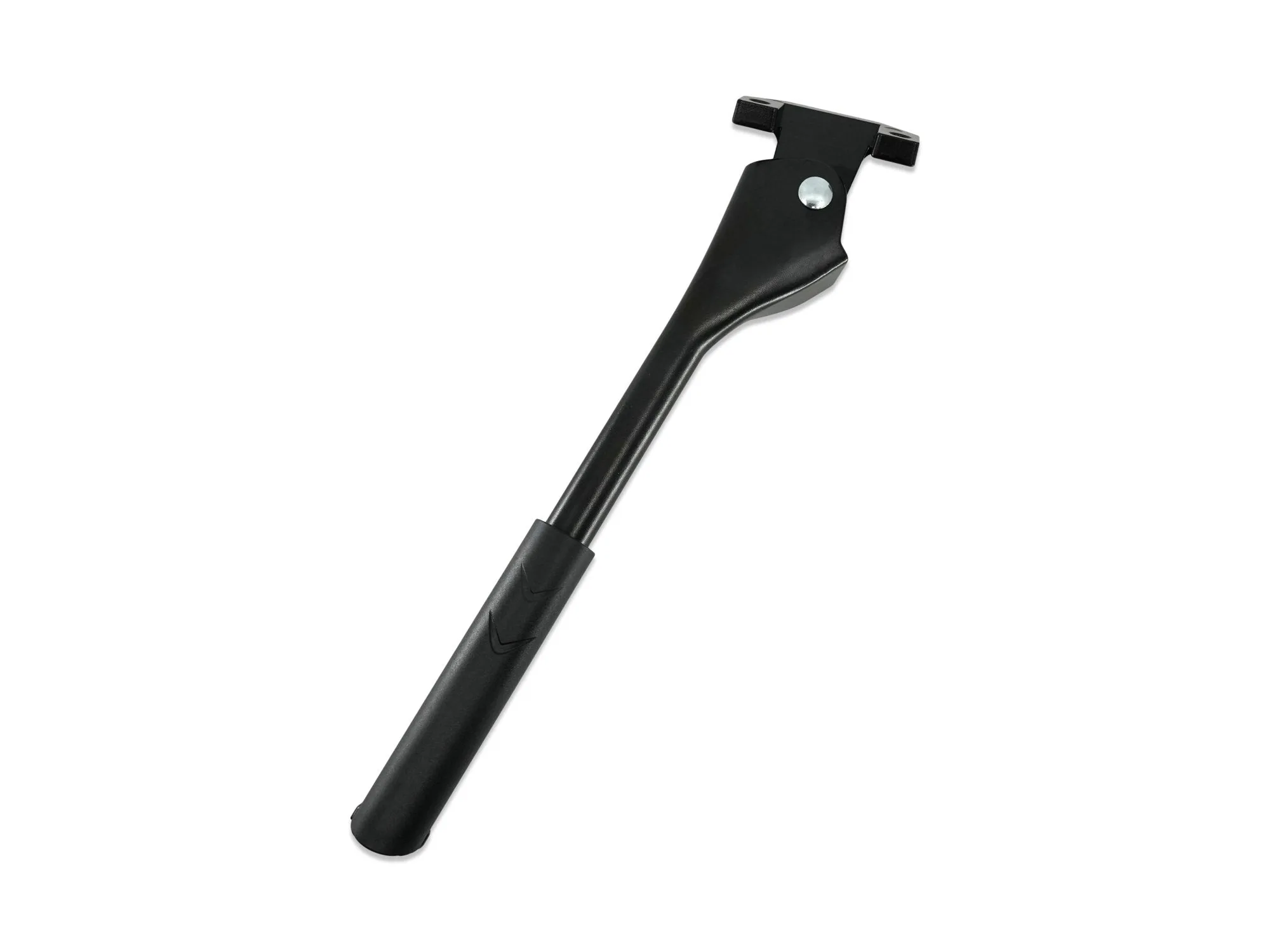
kickstand
Kickstand types: center-mount vs. rear-mount
Center-mount kickstands attach to the bike's bottom bracket area and fold under the chainstays. They work well on most kids' bikes with standard frame geometry. Rear-mount stands clamp to the chainstay near the rear axle and are better for bikes with limited space near the bottom bracket, such as some full-suspension models.
For kids' bikes, center-mount stands are the most common and easiest to install. They provide stable support and don't interfere with pedaling. Rear-mount stands can be a good alternative if your child's bike has a unique frame design, but they may add more weight and can affect balance if not adjusted properly.
Size and adjustability
Kickstand length is critical. A stand that's too short won't reach the ground, while one that's too long can tip the bike over. Measure the distance from the mounting point to the ground with the bike upright. Most kids' bikes with 12" to 20" wheels need a stand between 10" and 14" long. For 24" and 26" wheels, look for stands in the 16" to 20" range.
Adjustable stands let you fine-tune the length as your child grows or when switching between bikes. Look for stands with a simple screw or pin adjustment. Avoid non-adjustable stands unless you're certain of the exact measurement.
Material and weight
Most kickstands are made from steel or aluminum. Steel stands are durable and inexpensive but add weight. Aluminum stands are lighter and resist rust but can bend under heavy loads. For a kids' bike, a steel stand is usually fine because the weight penalty is small. If your child is a lighter rider or you want to minimize added weight, an aluminum stand is a good choice.
Check the weight rating of the stand. Most kids' bike stands support up to 50-70 pounds, which covers the bike plus rider weight when parked. If your child's bike is heavy (like a 26" mountain bike), look for a stand rated for at least 80 pounds.
Mounting hardware compatibility
Most center-mount kickstands use a single bolt that attaches to the bike's chainstay bridge or bottom bracket plate. Some bikes have a dedicated kickstand plate; others require a clamp-on adapter. Check your bike's frame for a threaded hole near the bottom bracket. If there's no hole, you'll need a clamp-on kickstand or a model that comes with a mounting bracket.
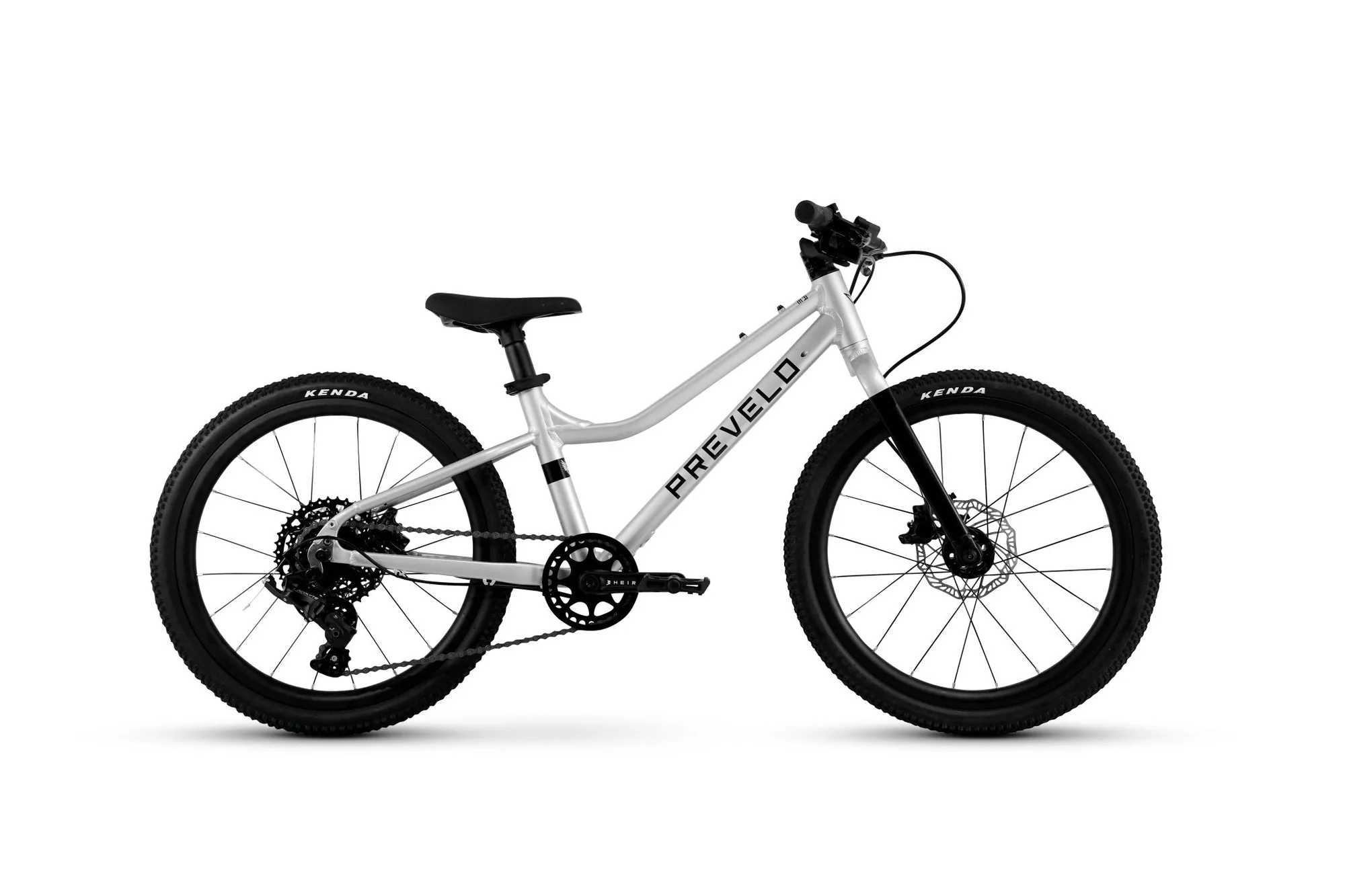
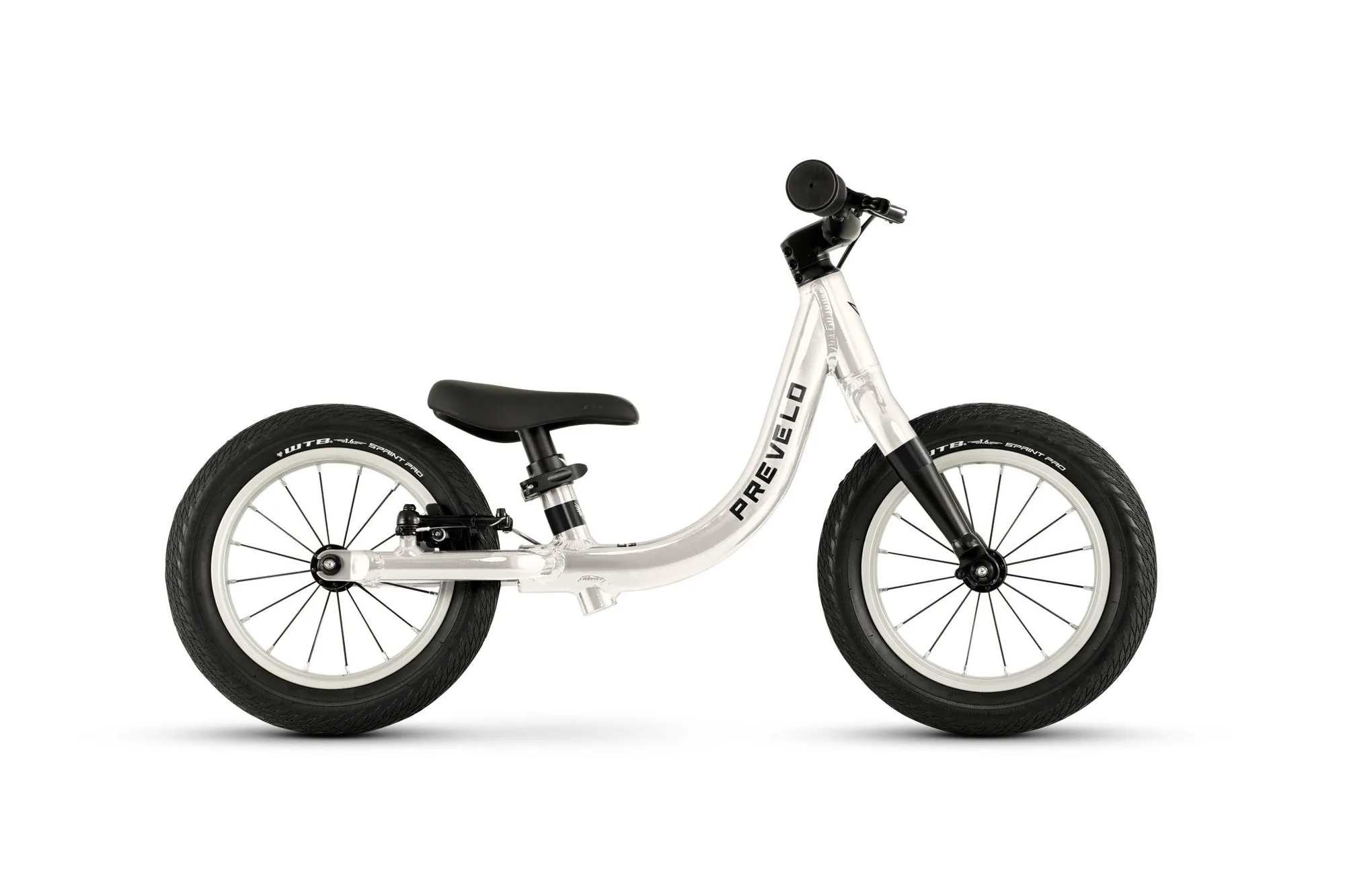
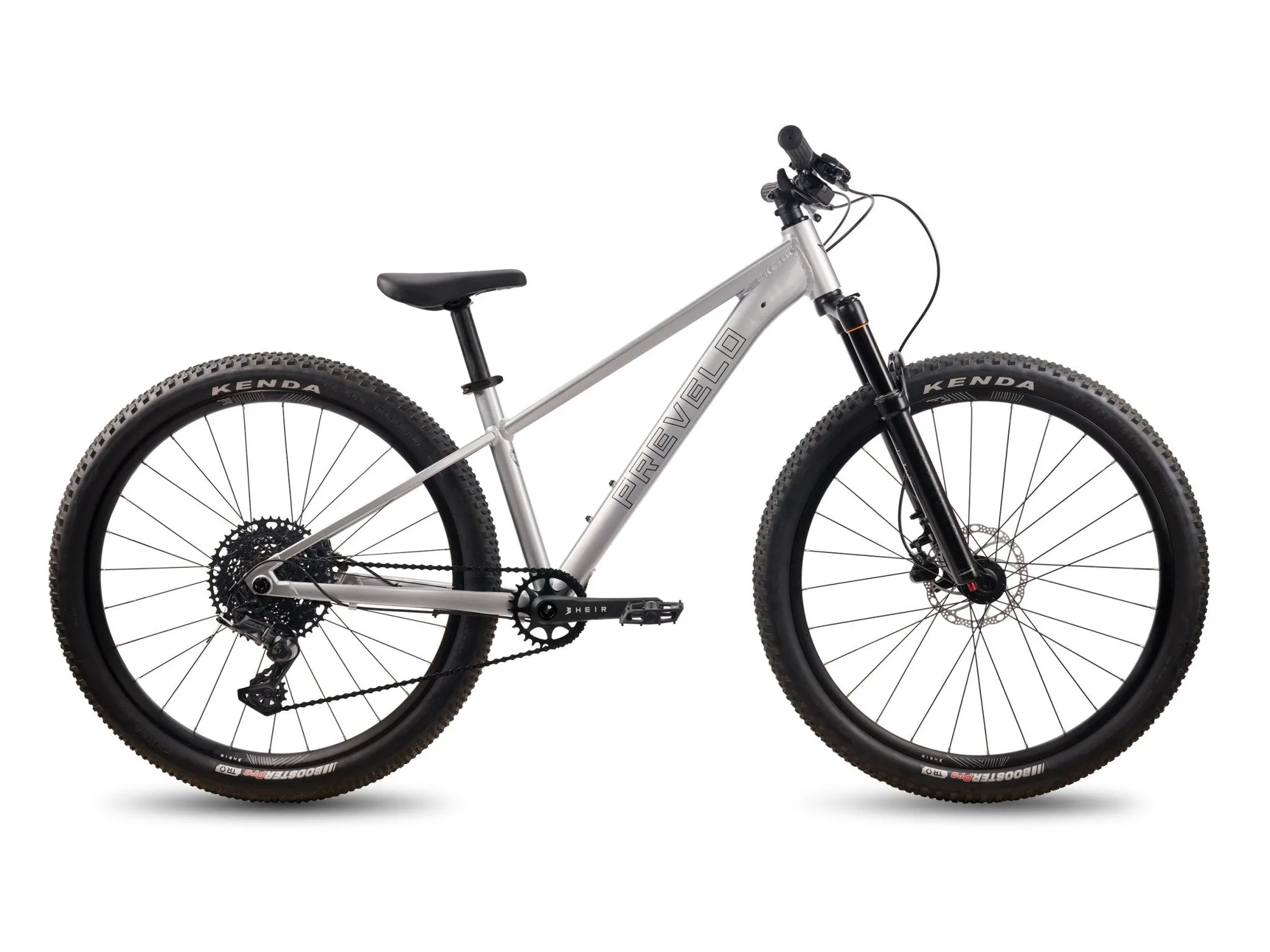
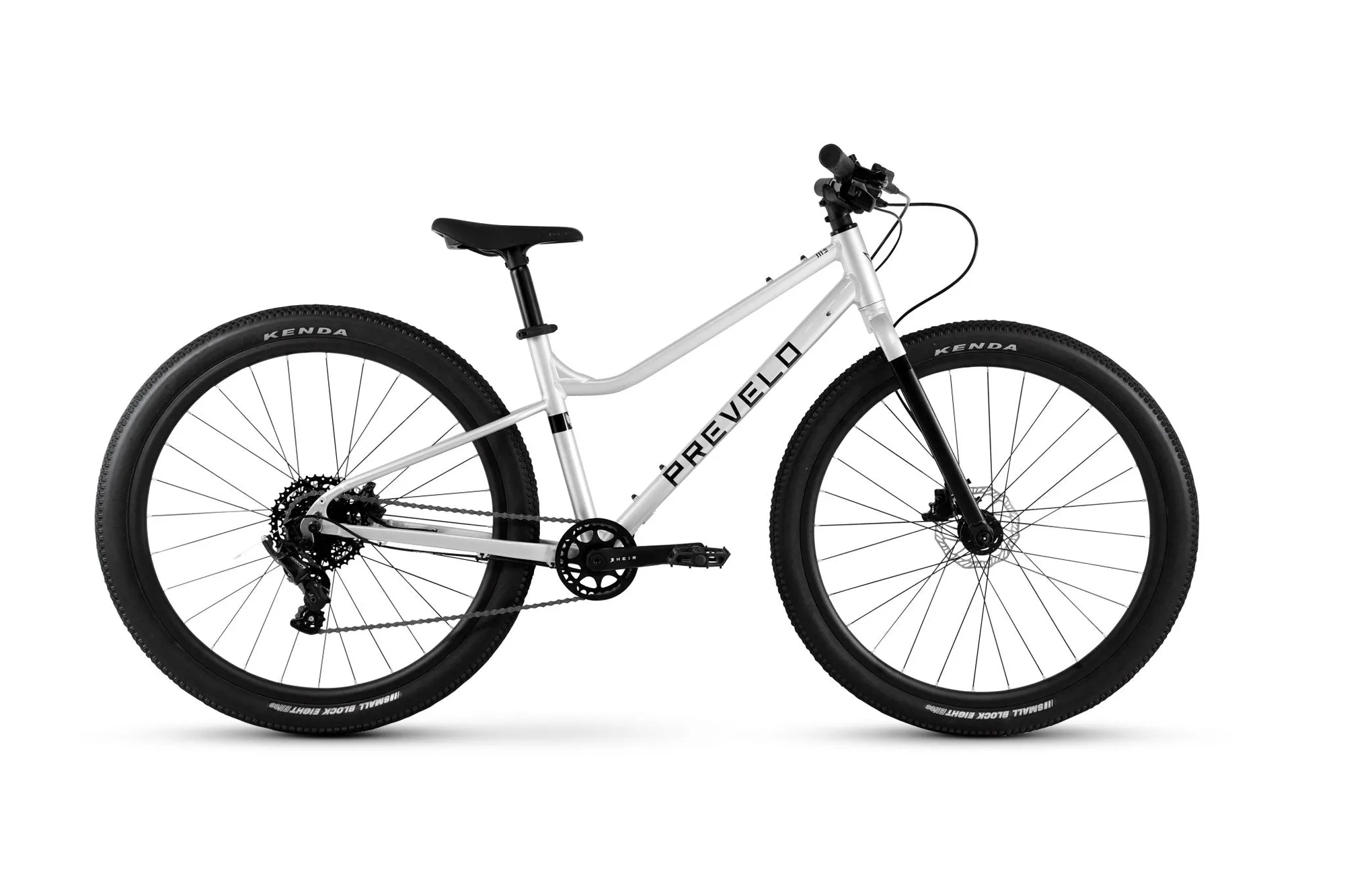
For bikes like the Prevelo Zulu Five with 26" wheels, the frame often has a kickstand plate. For smaller bikes like the Alpha Zero balance bike, a kickstand isn't needed—balance bikes are meant to be parked on their side or leaned. For geared bikes like the Alpha Three or Alpha Five, a center-mount stand usually fits without issues.
Decision rules for choosing a kids bike kickstand
- Match stand length to wheel size: For 12-20" wheels, choose a stand 10-14" long. For 24-26" wheels, choose 16-20". Measure the distance from the mounting point to the ground to be sure. A stand that's too long or too short will cause instability.
- Choose center-mount for most kids' bikes: Center-mount stands attach near the bottom bracket and are easy to install. Rear-mount stands are only needed if the frame lacks space near the bottom bracket. Center-mount is the standard for kids' bikes.
- Check for a kickstand plate or threaded hole: Look under the bottom bracket. If there's a threaded hole, you can use a bolt-on stand. If not, get a clamp-on model. Clamp-on stands work on any frame but may shift over time.
- Consider weight rating: For lightweight kids' bikes (under 30 lbs), a 50 lb rating is fine. For heavier bikes like 26" mountain bikes, look for 80+ lb rating. A stand that's too weak can bend or break.
- Skip kickstands on balance bikes: Balance bikes like the Prevelo Alpha Zero are designed to be parked without a stand. Adding one adds weight and can tip the bike. No kickstand needed for balance bikes.
Kickstand compatibility with Prevelo bikes
- Zulu Five: The Prevelo Zulu Five packs high performance mountain bike features into a 26-inch wheel size package. Every component is the real deal and is carefully chosen to provide the best performance and fit for young riders ready to tear up the trails. The Zulu Five's 26" wheels mean you need a longer kickstand (16-20"). Its mountain bike frame may have a dedicated kickstand plate, making installation straightforward. A steel or aluminum stand with a 80+ lb rating works well.
- Alpha Zero: The Alpha Zero Mk III is a premium balance bike built to help toddlers start strong. Weighing just 6.9 pounds, it features a lightweight aluminum frame, child-sized components, and a real rear V-brake to teach early stopping skills. The Alpha Zero is a balance bike, so a kickstand is not recommended. Its ultra-lightweight design (6.9 lbs) means a kickstand would add unnecessary weight and could tip the bike. Simply lean it against a wall or lay it on its side.
Who should use a kickstand?
Best for
- Kids with geared bikes (16" to 26" wheels) who park on flat surfaces
- Parents who want a convenient parking option for their child's bike
Not for
- Balance bikes (like Prevelo Alpha Zero) – they are too light and unstable with a kickstand
- Full-suspension mountain bikes that lack a mounting point near the bottom bracket