Quick answer
Choose a kids pool made from durable, non-toxic materials with clear safety certifications, and match the size to your child's age and supervision level. For toddlers, a shallow paddling pool with reinforced seams offers the best balance of fun and safety.
Material matters for safety and longevity
Not all inflatable pools are built the same. Thin PVC can puncture easily, leading to sharp edges or leaks that end the fun fast. Look for pools made from thicker PVC (0.3 mm or more) that resist wear and are printed with non-toxic colours. This ensures the pool lasts more than a season and stays safe for little hands and mouths.
Another often-overlooked detail is the packaging. A dust bag made from organic cotton, for example, makes storage and transport easier and reduces plastic waste. It's a small sign that the brand cares about the full product lifecycle.
Safety certifications you should trust
For peace of mind, check that the pool meets recognised safety standards. In Europe, look for EN 71-8 compliance, which covers swings, slides, and similar activity toys for children. CE and UKCA marking also indicate the product has been independently tested. Additionally, REACH regulation approval means the pool is free from harmful substances like phthalates and heavy metals.
If a product doesn't list these certifications, it's a red flag. You want a pool that has been tested, not just claimed to be safe.
Size and age considerations
A larger pool might seem more fun, but for toddlers and young children, shallow water is safer. Pools designed for ages 3+ usually have lower sides and smaller water capacity. Always check the recommended age range and supervise constantly, regardless of depth.
For babies under 3, look for very shallow splash pools (water depth under 20 cm) and never leave them unattended. Some pools are explicitly designed for older children and may not be suitable for toddlers.
Your decision rules for choosing a kids pool
- Check the material thickness: Aim for at least 0.3 mm PVC. Thinner materials puncture easily and create sharp edges. Thicker PVC also holds up better to sun and chlorine.
- Verify safety certifications: Look for EN 71-8, CE/UKCA marking, and REACH compliance. These confirm the pool has been independently tested and is free from harmful chemicals. If the product page doesn't list certifications, contact the seller before buying.
- Match size to age and supervision: For toddlers (3+), choose a shallow paddling pool with low sides. For babies under 3, use a very shallow splash pool and never leave them unattended. Always follow the manufacturer's age recommendation. Constant adult supervision is non-negotiable, regardless of pool size or depth.
Product spotlight
-
Kids Pool: Made from durable 0.3 mm PVC printed with non-toxic colours and packed in a dust bag made of 100% organic cotton. The thick PVC resists punctures and the non-toxic print keeps kids safe, while the organic cotton bag makes storage easy and eco-friendly.
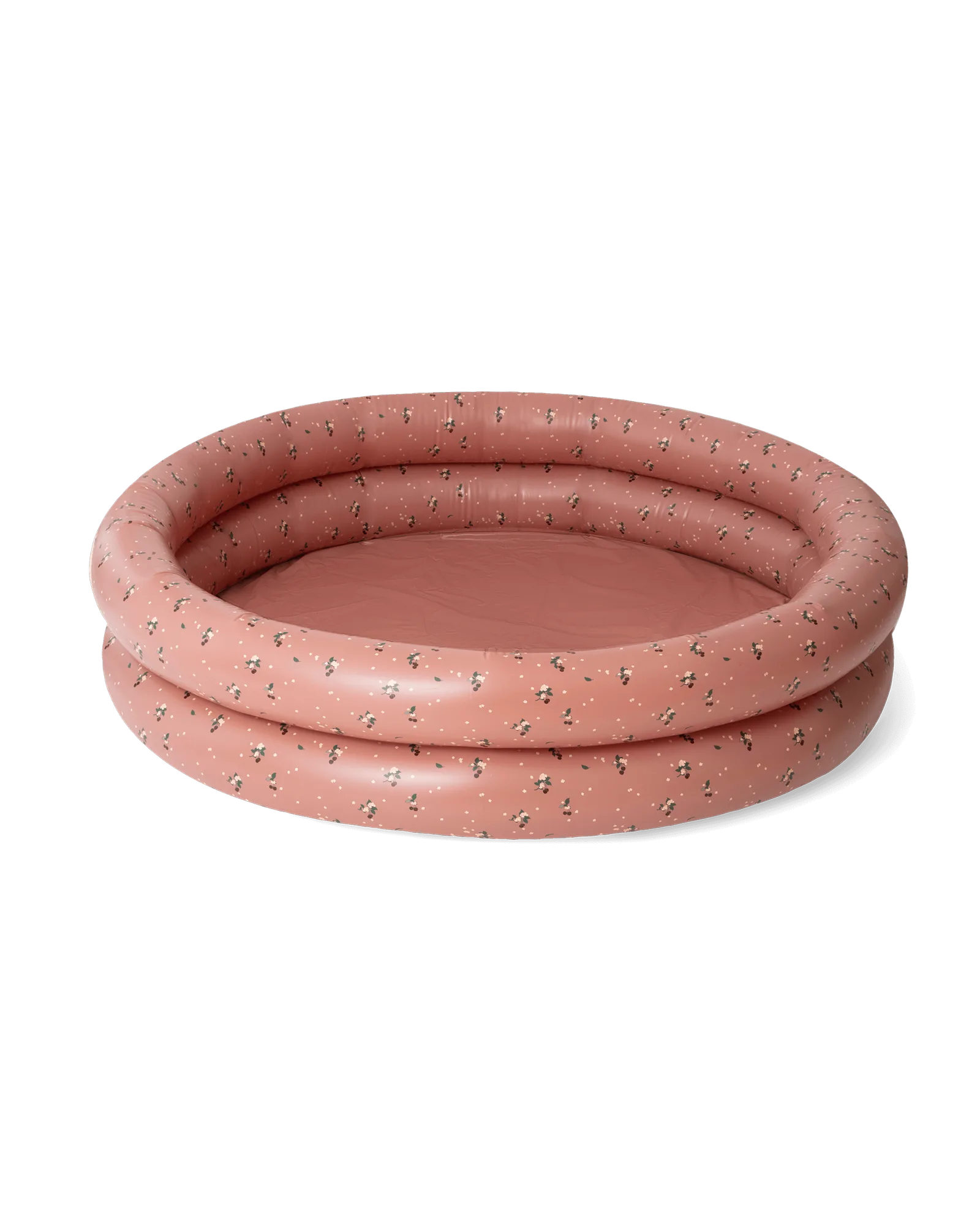
Kids Pool
Who is this pool for?
Best for
- Parents who want a durable, safe pool for children aged 3+
- Families looking for a non-toxic, certified option for outdoor water play
Not for
- Parents seeking a pool for infants under 3 years old (choose a shallower splash pool instead)
- Those who want a very large or deep pool for older kids and teens