Quick answer
Focus on closure type, material waterproofing, and size capacity. Roll-top or dry-zip closures offer the best rain protection, while high-denier nylon or PVC-coated fabrics balance durability and weight.
Material matters: waterproof vs. water-resistant
Not all waterproof travel bags are created equal. Waterproof bags use sealed seams and coated fabrics (like PVC or TPU) that keep water out even when submerged. Water-resistant bags handle light rain but will leak if dropped in a puddle. For heavy rain or river crossings, choose fully waterproof materials.
High-denier nylon (e.g., 840D or 1000D) offers excellent tear strength for checked luggage, while lighter 210D nylon works for carry-on use. Microfiber leather trims add style but are not fully waterproof—they are best for urban trips where rain is occasional.
Closure type: roll-top vs. zipper vs. buckle
Roll-top closures are the gold standard for full waterproofing—fold the opening down three times and clip it shut. They are simple and reliable but can be slower to access. Dry-zip bags use a waterproof zipper (often YKK AquaGuard) that is faster but more expensive and prone to wear if sand or grit gets in.
Buckle-down flap closures are common on duffel bags and offer good water resistance when the flap overlaps the opening. They are quick to open but less secure in heavy rain. For a travel bag that doubles as a daypack, a roll-top is the safest choice.
Size and organization trade-offs
Large waterproof bags typically range from 40L to 70L. A 50L bag fits a week’s worth of clothing and a toiletry kit. Larger sizes (60L+) work for longer trips or bulky gear like a sleeping bag. However, bigger bags are heavier and harder to carry when full—consider a bag with padded shoulder straps if you plan to walk long distances.
Interior pockets help keep small items accessible, but every pocket is a potential leak point. Bags with one main compartment and a single interior pocket (like the HJAQLo New Waterproof Travel Bag) offer a good balance between organization and waterproof integrity.
Decision rules for your next waterproof travel bag
- Rule 1: Match closure to rain risk: If you expect heavy rain or water crossings, choose a roll-top or dry-zip bag. For light rain only, a flap or zipper bag is fine.
- Rule 2: Choose material based on trip type: Use PVC/TPU-coated nylon for rugged outdoor trips; high-denier fabric with microfiber leather for urban travel where style matters. Check the denier rating—higher numbers mean more durability but more weight.
- Rule 3: Pick size by trip length: 40-50L for weekend to week-long trips; 60L+ for extended travel or bulky gear. Always leave 10% empty space for easier packing.
- Rule 4: Verify carry compatibility: If you will walk with the bag, look for padded shoulder straps and a sternum strap. Duffel-style handles are fine for car or plane travel.
Featured product
-
HJAQLo New Waterproof Travel Bag/Large (Model 1639): Made of high-grade fabric with microfiber leather, it's durable and water-resistant, with one main compartment and an interior pocket. The water-resistant fabric and simple pocket layout make it a practical choice for city trips where you want style and basic rain protection without the bulk of a fully waterproof roll-top bag.
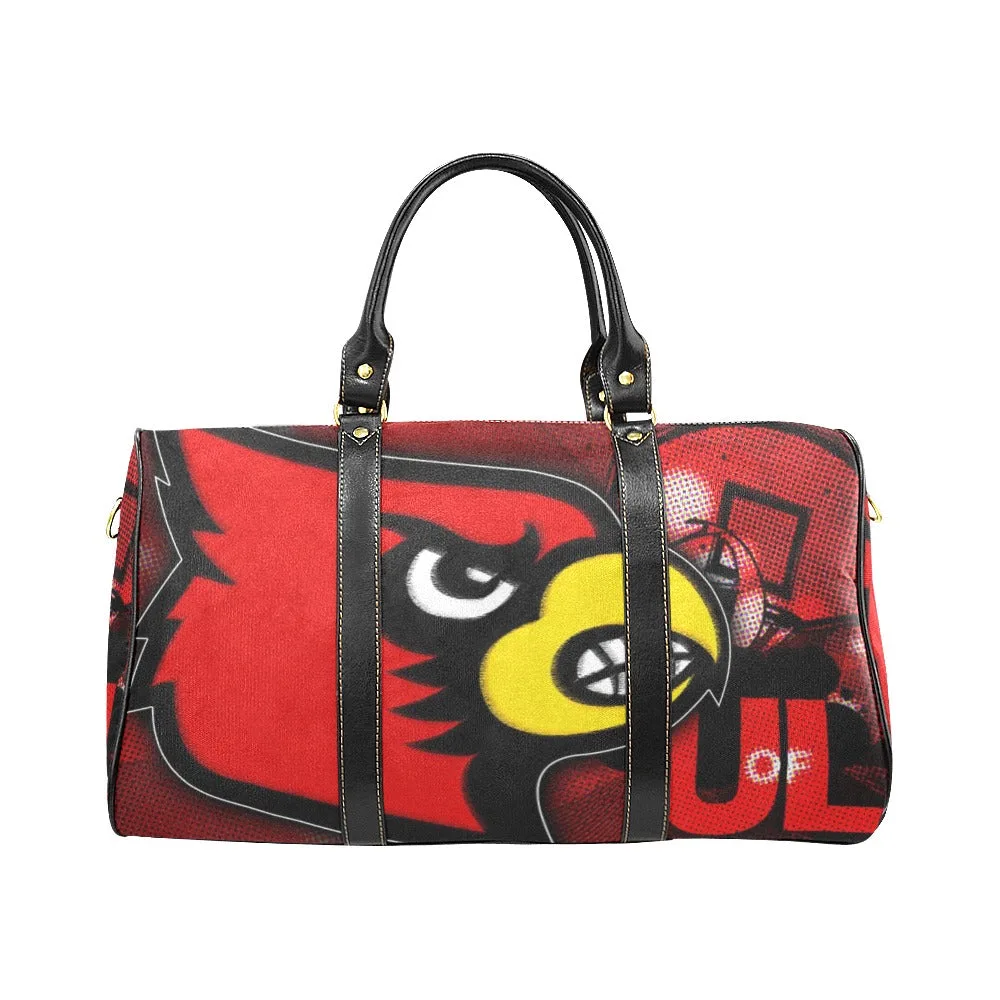
HJAQLo New Waterproof Travel Bag/Large (Model 1639)
Who should buy what
Best for
- Travelers who need a stylish water-resistant bag for city trips and occasional rain
- Outdoor adventurers who require a fully waterproof roll-top bag for river or heavy rain conditions
Not for
- Minimalist travelers who want a bag under 30L (look for smaller waterproof daypacks)
- Business travelers who need a structured bag with multiple laptop compartments (choose a waterproof briefcase instead)