Quick answer
For performance whip cracking, choose a kangaroo hide bullwhip with 16 plaits and a leather core and bolsters. Cowhide whips are more affordable but less durable and responsive.
Leather type: cowhide vs. kangaroo hide
Kangaroo hide is the strongest leather for whips. It is lighter, more flexible, and holds its shape better than cowhide. This makes kangaroo hide whips crack more easily and last longer with regular use.
Cowhide whips are heavier and stiffer. They are a good entry-level option but may require more effort to crack and are more prone to stretching over time.
Plait count and construction
Higher plait counts (16 strands or more) produce a smoother, tighter whip that cracks with less effort. A whip with a leather core and bolsters (rather than a rope core) is more balanced and responsive.
Lower plait counts (8 strands) are easier to make and more affordable but produce a rougher, less consistent whip. They are fine for occasional use or display.
Length considerations
A 6–8 foot whip is ideal for beginners and smaller spaces. Longer whips (10–12 feet) require more arm strength and space but produce louder cracks and are preferred by experienced performers.
The fall and cracker add extra reach. Look for a fall of at least 12 inches and a cracker of 8 inches for reliable cracking.
How to choose your bullwhip
- 1. Choose your leather: Select kangaroo hide for the best performance, durability, and responsiveness. Choose cowhide if you are on a budget or only need a whip for occasional use. Kangaroo hide is the top choice for serious whip crackers.
- 2. Check the plait count: Look for 16 plaits (or more) for a smooth, fast whip. 8-plait whips are cheaper but less effective for cracking sports.
- 3. Verify the core and bolsters: A leather core and bolsters (not a rope core) produce a whip that cracks cleanly and holds its shape. Avoid rope-core whips for performance. Leather core and bolsters are essential for consistent cracking.
- 4. Pick the right length: Start with 6–8 feet if you are new to whip cracking. Move to 10–12 feet as you gain experience and space.
- 5. Look at the fall and cracker: A fall of at least 12 inches and a cracker of 8 inches give you the reach and snap needed for reliable cracks.
Bullwhip options compared
-
Bull Whip 6, 8, 10, 12, 14 & 16 Feet long 16 Strands Cowhide Leather Equestrian Bullwhip Indiana Jones: 16-strand cowhide bullwhip with leather core, two cowhide bolsters, and two braided bellies. Steel rod in handle. 30-inch leather fall. This whip offers a solid mid-range construction with a leather core and bolsters, making it more responsive than rope-core designs. The steel rod handle provides stability.
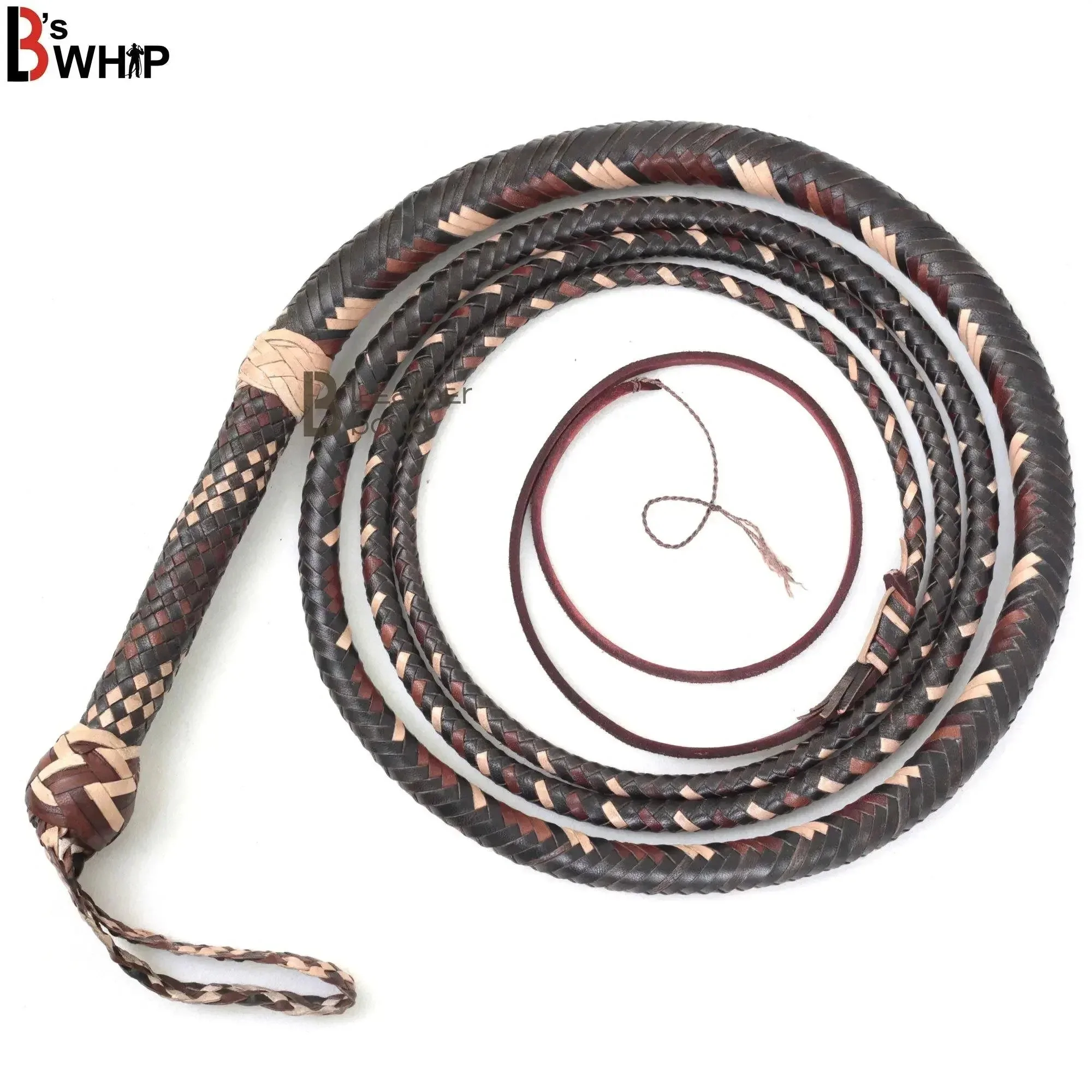
Bull Whip 6, 8, 10, 12, 14 & 16 Feet long 16 Strands Cowhide Leather Equestrian Bullwhip Indiana Jones
-
Bull Whip 6, 8, 10, 12, 14 & 16 Feet long 16 Strands Kangaroo Hide Leather Equestrian Bullwhip Leather Belly and Bolster Inside: 16-strand kangaroo hide bullwhip with kangaroo leather core, bolsters, and bellies. Steel rod in handle. 30-inch leather fall. Kangaroo hide is the strongest leather for whips, so this whip is lighter, more flexible, and more durable for regular performance use.
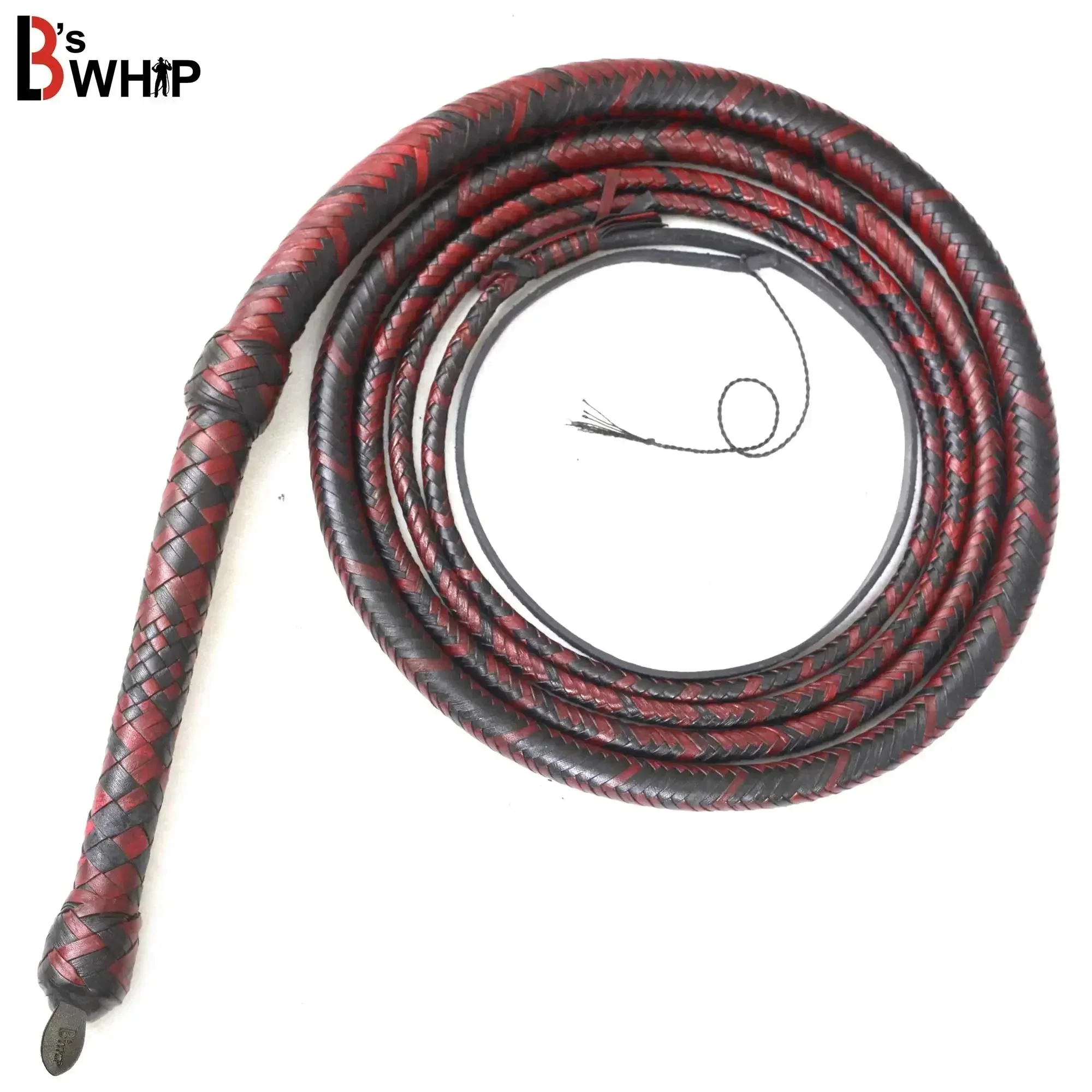
Bull Whip 6, 8, 10, 12, 14 & 16 Feet long 16 Strands Kangaroo Hide Leather Equestrian Bullwhip Leather Belly and Bolster Inside
Which bullwhip is right for you?
Best for performance
- Serious whip crackers who want the best durability and response
- Performers who crack regularly and need a reliable whip
Not ideal for
- Collectors who want a display piece with Indiana Jones styling
- Beginners on a tight budget who want a low-cost starter whip