Quick Answer
Choose a full grain leather wallet with tight, even stitching, a simple fold or card-slot layout, and a size that matches how you actually carry it. Prioritize leather quality and construction over features, because those two things decide whether a wallet lasts years or gets replaced in months.
Most wallets fail for predictable reasons: thin split leather that cracks at the fold, loose stitching that pulls out, or a design that gets overstuffed until seams give way. None of those are random defects, and all of them are avoidable if you know what to inspect before you buy.
This guide walks through the decisions that matter most, from leather type and construction to size, card capacity, and the honest trade-offs between slim and traditional billfolds. It is written for anyone who wants one wallet to carry daily for years rather than replace every season.
Start With the Leather, Not the Brand
Full grain leather is the top layer of the hide, and it keeps the tight fiber structure that resists stretching and cracking. It develops a patina over time and generally outlasts corrected grain or split leather. Bonded leather, which is shredded leather fibers glued together, is the least durable option and often peels at stress points. If a listing does not state the leather type, treat that as a real limitation and ask before buying.
Vegetable-tanned and oil-and-wax-tanned leathers are common in heritage goods because they age well and can be conditioned. Chrome-tanned leather is softer and often cheaper, but it can dry out faster in arid climates. None of these are automatically bad, but the tanning method affects how the wallet feels on day one and how it looks in year five.
- Look for the words full grain or top grain; be cautious if the listing only says genuine leather.
- Ask how the leather was tanned if the product page does not say, since it affects care and aging.
- Expect a break-in period with stiff full grain leather; it softens with use.
Construction Details That Predict Longevity
Stitching is the most visible signal of build quality. Tight, evenly spaced stitches with matched thread color usually mean the maker cared about the whole assembly. Loose or uneven stitching, or glue visible along edges, often precedes early failure. Reinforced stress points at the fold and corners matter more than decorative stitching elsewhere.
Edge finishing also matters. Burnished or painted edges resist moisture and fraying better than raw cut edges. Hardware, if present, should be solid brass or stainless steel rather than plated mystery metal. A wallet with no hardware at all, such as a simple billfold, removes one more failure point.
- Check that stitching is tight and even along the fold and card slots.
- Prefer burnished or sealed edges over raw cut edges.
- Solid brass or stainless hardware outlasts plated hardware.
Size, Capacity, and How You Carry It
A wallet that is too thick for your pocket will get sat on, stretched, and eventually torn. Match capacity to your real habits: if you carry four cards and a few bills, a slim billfold is enough. If you carry a dozen cards, receipts, and a checkbook, a larger wallet or a card case plus a separate billfold may serve you better than one overstuffed wallet.
Front-pocket carriers should prioritize thin leather and minimal layers. Back-pocket carriers can handle a traditional billfold but should avoid anything that creates a thick sitting profile. Consider whether you want a money clip, a snap closure, or an open billfold, since each changes how the wallet wears over time.
- Count your actual daily cards before choosing a capacity.
- Front-pocket carry favors slim, single-fold designs.
- Overstuffing is the most common cause of seam failure, regardless of leather quality.
Fit and Feel: What to Check Before You Commit
Fit for a wallet means how it sits in your hand and pocket, not your body measurements. A wallet that feels bulky in the store will feel worse after you load it. If you can, hold the wallet with your typical card load and check whether it closes flat without strain. A wallet that already bulges when empty will only get worse.
Pocket dimensions matter too. Measure the depth and width of your most-used pocket, then compare against the wallet's listed dimensions. If dimensions are not listed, that is a decision limitation worth resolving before purchase. Leather thickness also affects feel: thicker leather lasts longer but takes more break-in and space.
- Test the wallet with your real card load before committing.
- Measure your pocket depth and width if you carry in a front pocket.
- Thicker leather trades space and break-in time for durability.
Decision Rules for Choosing a Leather Wallet
- If you carry four or fewer cards daily: Choose a slim single-fold billfold with minimal layers and no extra card slots you will not use. Slim designs reduce pocket bulk and stress on the fold.
- If you carry a dozen or more cards: Choose a larger billfold or split your load between a card case and a billfold rather than overstuffing one wallet. Overstuffing is the fastest way to kill an otherwise durable wallet.
- If you carry in a front pocket: Prioritize thin full grain leather and a design under the width of your pocket; measure before buying. Fit in the pocket matters more than total capacity for front carry.
- If the leather type is not stated: Ask the seller directly, or treat the wallet as a short-term purchase rather than a long-term one. Unstated leather type is a real limitation, not a detail to ignore.
Product Facts
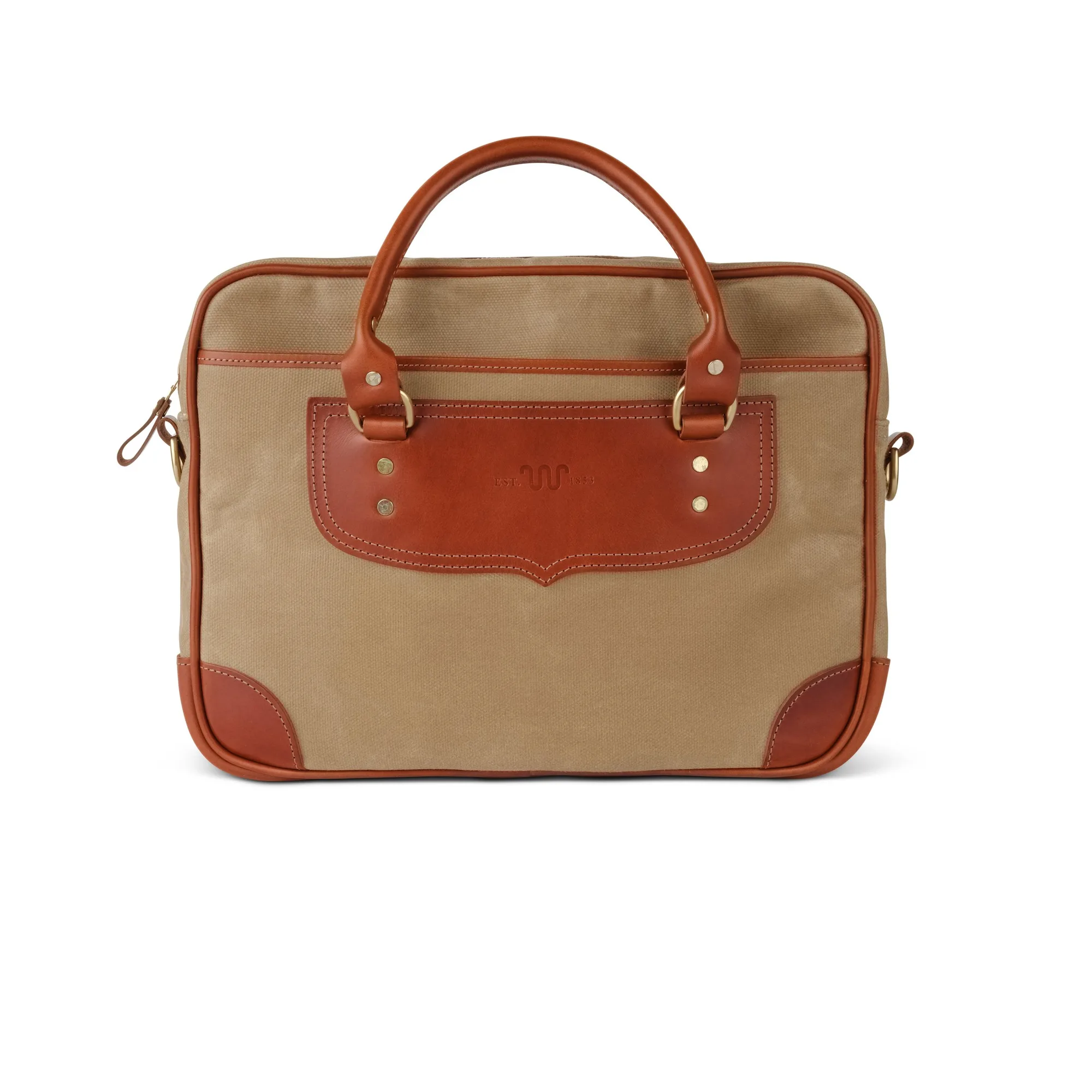
- King Ranch Waxed Canvas Briefcase: Crafted from 24 oz heavyweight waxed canvas and finished with solid brass hardware, with a padded laptop sleeve and organized pockets. If you carry a wallet plus a laptop and documents, a bag with solid brass hardware and structured organization reduces daily wear on the wallet by keeping it out of a crowded pocket.
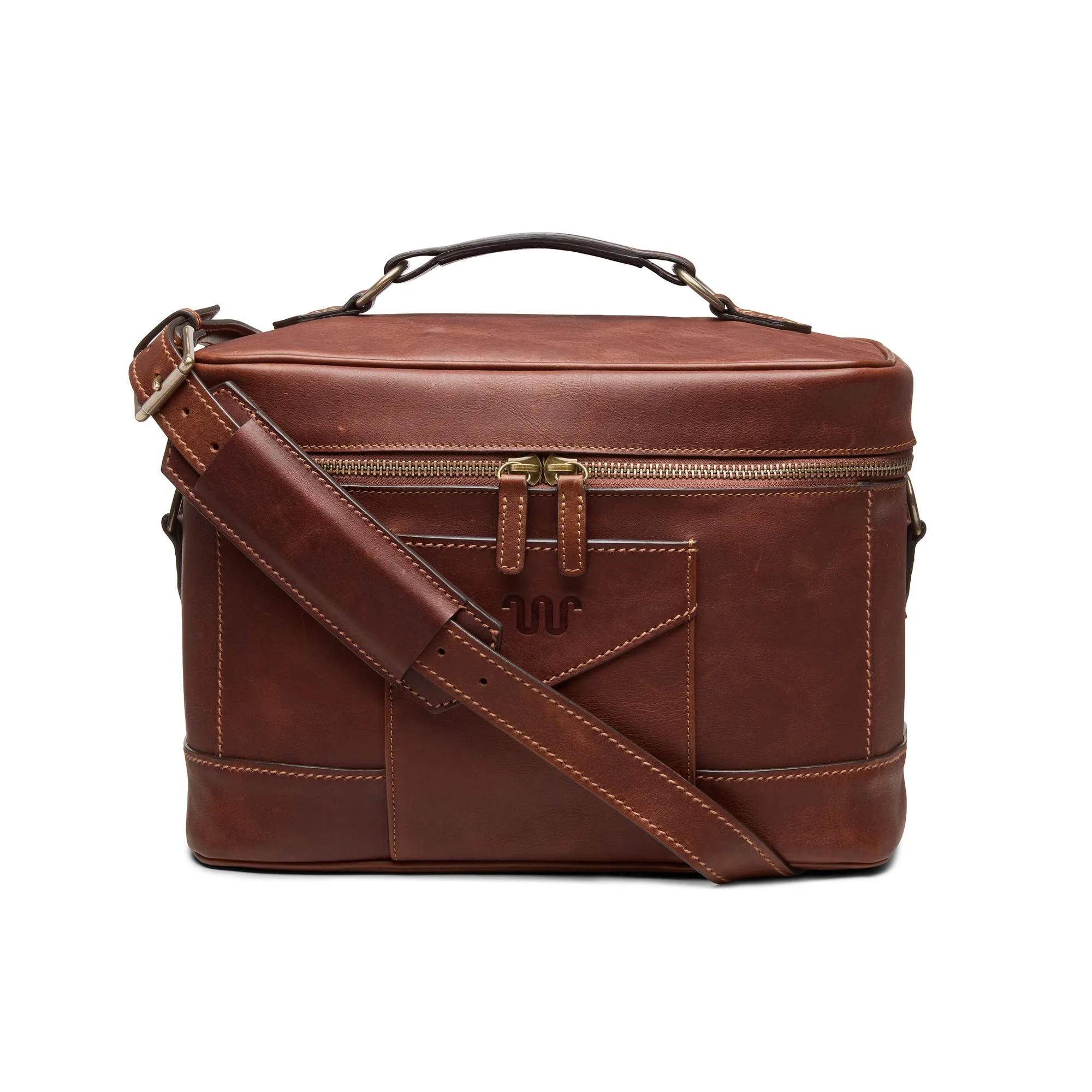
- Kineño Leather Cabin Case: Infused with natural oils and waxes, this heirloom-quality leather is soft, durable, and develops a rich patina over time, and it is sized to slide under most airline seats. This shows what oil-and-wax leather does over years, which is the same aging behavior you want in a full grain wallet: softening and darkening rather than cracking.
Who This Wallet Advice Is For
Best for
- Anyone who wants one durable leather wallet to carry daily for years
- Shoppers comparing full grain, top grain, and bonded leather options
- Front-pocket and back-pocket carriers who need to match capacity to real habits
Not for
- Shoppers looking for the cheapest possible wallet regardless of lifespan
- Anyone who wants a novelty or disposable wallet for a single season
- People who carry so many cards that no single wallet can hold them comfortably
A leather wallet is a small purchase that you touch every day, so the leather type, stitching, and fit matter more than the label. Choose full grain leather if you want it to last, keep the load realistic, and treat unstated specifications as a reason to ask questions rather than guess.