Quick answer
For bedwetting, choose a mattress pad that combines reliable moisture protection with breathability. Wool pads offer natural, chemical-free defense, while synthetic options provide a lower-cost barrier. Your choice depends on your child's sensitivity and your budget.
Material matters: wool vs. synthetic
Wool mattress pads are naturally moisture-resistant and breathable, which helps regulate temperature and reduce sweating. They are also hypoallergenic and free of chemicals, making them a great choice for sensitive skin. Synthetic waterproof pads often use a polyurethane laminate that creates an effective barrier but may trap heat and feel less breathable.
The trade-off is price and care. Wool pads cost more upfront but can last many years if properly cared for. Synthetic pads are more affordable and easier to wash, but they may need replacing sooner.
Fit and size considerations
A good fit prevents leaks and shifting. Measure your mattress depth and compare it to the pad's pocket depth. For bedwetting, a pad that wraps around the mattress corners snugly is best. Some pads come in puddle or crib sizes for smaller areas, while twin and larger sizes cover the full mattress.
Consider whether you want a fitted pad that goes over the mattress like a sheet or a flat pad that lies on top. Fitted pads stay put better, especially for active sleepers.
Breathability and comfort
A mattress pad that traps heat can make a child uncomfortable and may worsen night waking. Wool naturally wicks moisture and allows air circulation, keeping the sleeping surface cooler. Synthetic waterproof layers can feel clammy, though some newer designs incorporate breathable membranes.
If your child tends to overheat, prioritize a breathable material like wool. If comfort is less of a concern and budget is tight, a synthetic pad can still provide adequate protection.
How to decide: mattress pad for bedwetting
- Material preference: Choose wool for natural, breathable, chemical-free protection. Choose synthetic for a lower cost and easier care.
- Size and fit: Measure your mattress depth and choose a fitted pad that wraps corners tightly. For smaller protection zones, a puddle or crib pad works well.
- Breathability needs: If your child sleeps hot, go with wool. If temperature isn't an issue, a synthetic pad is fine.
- Care and longevity: Wool pads require gentle washing and lanolizing but last years. Synthetic pads are machine washable but may wear out faster. Check the care label before buying to ensure it fits your routine.
Product spotlight
-
Wendy Anne Wool Moisture Protection Mattress Pad: Wendy Anne Wool Moisture Protection Mattress Pad is made in USA from untreated wool, 1/8 inch thick, hypoallergenic, antibacterial, chemical-free, and flame resistant. This natural wool pad offers breathable moisture protection without synthetic chemicals, making it ideal for children with sensitive skin or allergies.
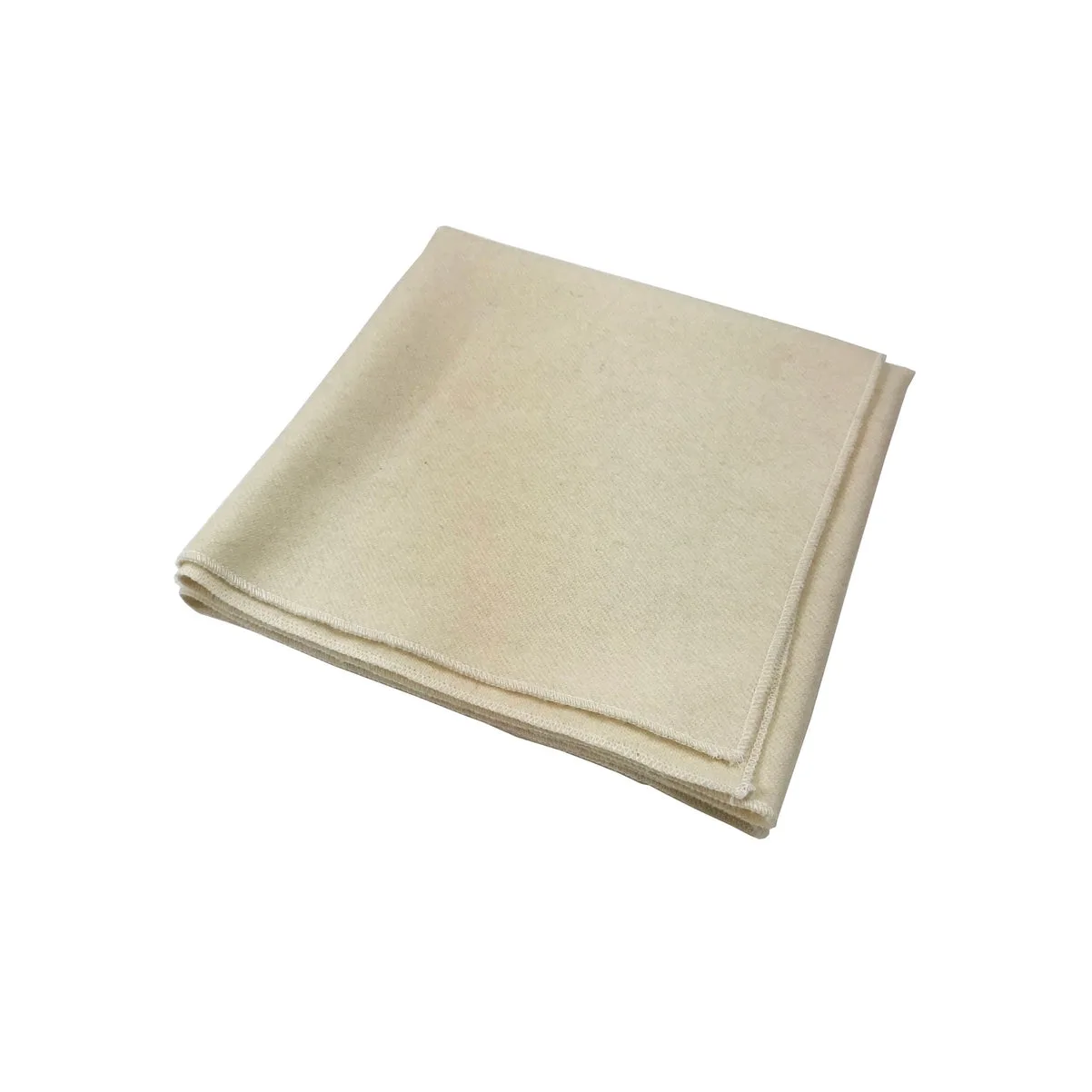
Wendy Anne Wool Moisture Protection Mattress Pad
Who should choose what
Best for
- Children with sensitive skin or allergies who need a chemical-free moisture barrier
- Families who prioritize breathability and natural materials over upfront cost
Not ideal for
- Budget-conscious shoppers who need the cheapest option (synthetic pads are more affordable)
- Parents who want a pad that can be bleached or washed in hot water regularly