Quick answer
Choose a needle minder with a strong magnet pair, a base wide enough to spread pressure without denting stitches, and a size that matches your project. For needlepoint, a hard enamel minder with N52 magnets, like the wreath-needle-minder-1415c323d62f038d166750bb-1483129">Red Door with Wreath Needle Minder, stays put better than a lightweight decorative pin. If your minder still slides, the problem is usually placement or a weak second magnet, not the design.
A needle minder that slides off your canvas is worse than no minder at all. You lose your needle, you poke around the couch cushions, and you lose stitching time. The fix is not always buying a fancier design; it is understanding how the magnet, the base, and the placement work together.
This guide walks through the decisions that actually affect holding power, from magnet strength and size to how thick your canvas is. It also covers what to do when a minder that used to stay put starts drifting.
Magnet strength and type: what holds a minder in place
The holding power of a magnetic needle minder comes down to the magnet pair, not the decorative top. A stronger magnet keeps the minder attached to canvas and holds a needle without letting it swing. N52 is a common high-strength grade, and it is worth checking because a weak magnet is the most common reason a minder slides.
Two magnets are usually better than one. One sits under the canvas and one sits on top, so the fabric is sandwiched between them. If your minder only has a single magnet, it relies on the needle sticking to the top, which is less secure. A paired magnet also keeps the minder from rotating as you stitch.
- Check the magnet grade before you buy; N52 is a strong, widely used grade.
- Make sure the minder includes a second magnet for the back of the canvas.
- Test the pull before stitching: if the top slides with light pressure, it will not survive a stitching session.
Size and base: matching the minder to your canvas and project
A larger base spreads pressure over more fabric, which helps it stay put and reduces the chance of leaving a ring in your stitches. But bigger is not always better. On a small design, an oversized minder can cover the area you are stitching and get in the way of your thread.
Match the minder to the project, not to your whole stash. If you stitch small ornaments or mini canvases, a compact minder keeps your work visible. For larger projects, a wider base gives you more stability and a clearer place to park your needle between stitches.
- Small designs: choose a compact minder so it does not cover your stitching area.
- Large projects: choose a wider base for stability and needle parking.
- Thick or stiff canvas: a wider base helps the magnet pair sit flat.
Canvas mesh and fabric thickness: why the same minder behaves differently
Mesh count changes how a minder feels. On 13 mesh canvas, the holes are larger and the fabric is often stiffer, so the magnet pair has more material to grip. On 18 mesh, the weave is finer and the surface is smoother, which can make a minder slide more easily if the magnet is weak.
If you stitch on both, do not assume one minder works equally well everywhere. A minder that holds firmly on 13 mesh may feel loose on 18 mesh. Keep a stronger minder for finer canvas and a lighter one for stiffer, heavier weaves.
- 13 mesh: stiffer canvas usually grips well with a standard magnet pair.
- 18 mesh: finer weave may need a stronger magnet to stay put.
- If you switch mesh counts often, test your minder on each before a long session.
Placement and habits that keep a needle minder in place
Placement matters as much as the magnet. Put the minder on a flat, taut section of canvas, not on a fold or a rolled edge. If the fabric is not flat, the magnets cannot sit flush, and the minder will slide. Smooth the area with your hand before you attach it.
Your stitching habits also affect holding power. Pulling thread at an angle can nudge the minder, and resting your hand on it can shift it over time. Reposition the minder as you work across the canvas instead of reaching across it. A quick reset takes a second and saves a lost needle.
- Attach the minder to flat, taut canvas, away from folds and edges.
- Reposition as you move across the design rather than reaching over it.
- Keep the back magnet aligned with the top piece; a shifted magnet weakens the hold.
When a needle minder will not stay put: simple fixes
If your minder keeps sliding, check the back magnet first. It may be missing, weak, or misaligned. A second magnet of the same strength usually solves the problem. If the minder came with only one magnet, adding a matching one underneath is the cheapest fix.
If the magnets are fine, the issue may be the canvas surface. Wrinkled or stiff fabric can keep the pair from sitting flush. Press or smooth the area, then reattach. If the minder still drifts, it is probably too small or too weak for that canvas, and it is time to size up.
- Check for a missing or misaligned back magnet before buying a replacement.
- Smooth wrinkles and flatten the canvas where the minder sits.
- If it still slides, the minder is undersized or underpowered for that project.
Decision rules for picking your needle minder
- If you stitch mostly 18 mesh: Choose a minder with strong N52 magnets and a paired back magnet. Fine, smooth canvas gives a weak magnet less to grip. Prioritize magnet strength over decorative size.
- If you stitch small designs: Choose a compact minder so it does not cover your stitching area. A wide base is stable but can hide the work you are trying to see. Match minder size to design size, not to your whole stash.
- If your current minder slides: Check the back magnet first, then smooth the canvas. If both are fine, the minder is undersized or underpowered for that project. Fix the magnet pair before buying a replacement.
- If you stitch on both 13 and 18 mesh: Keep two minders: a stronger one for fine canvas and a lighter one for stiffer weaves. One minder rarely performs equally well on both. Test each minder on the canvas you are about to use.
Needle minders and canvases that fit these rules
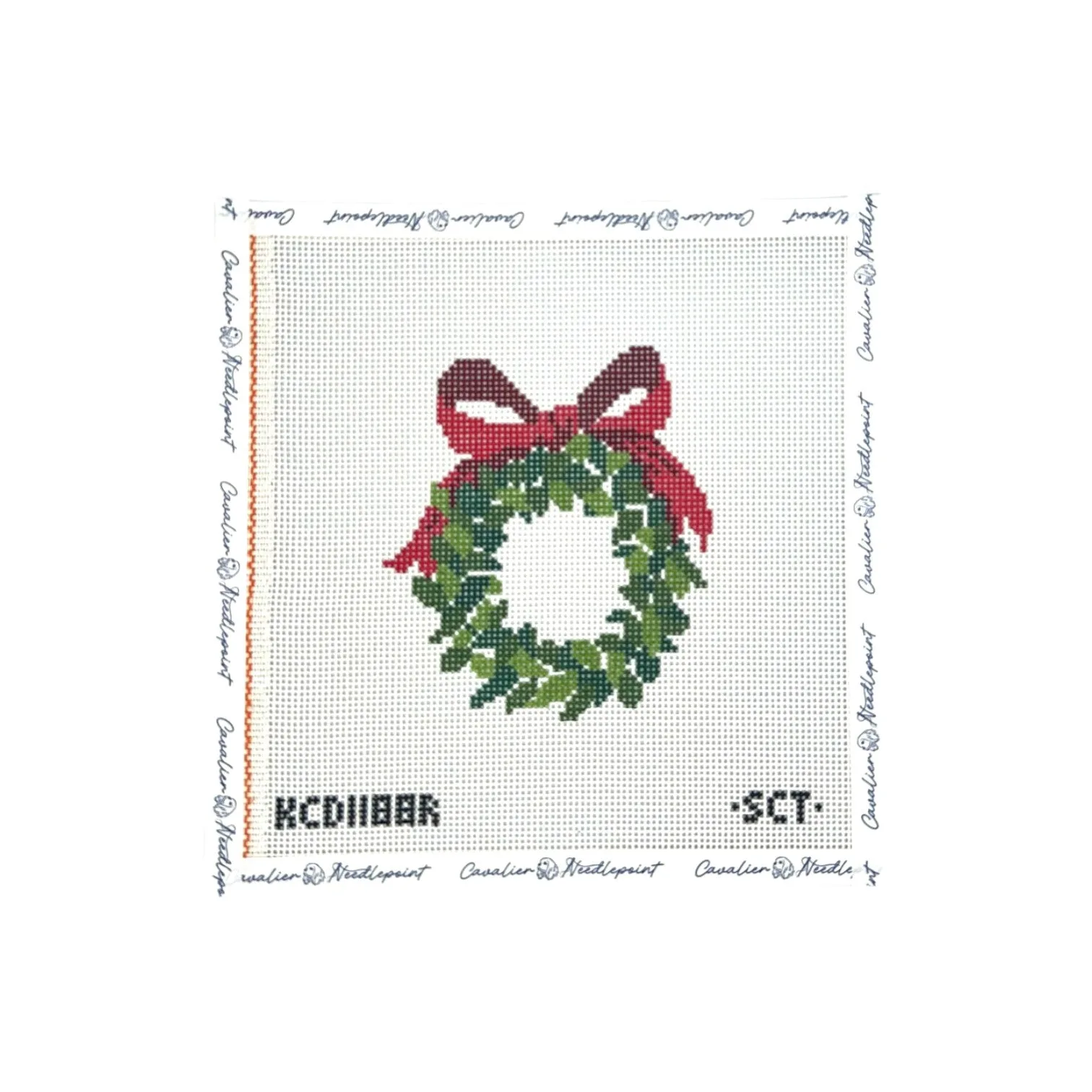
- Red Door with Wreath Needle Minder: This 1 1/2 inch Red Door with Wreath Needle Minder features elegant gold accents and a durable hard enamel finish. Equipped with strong N52 magnets, it securely holds your needles in place. The N52 magnets and hard enamel body are the two features that most affect holding power and durability, so this is a strong everyday choice for stitchers who want a minder that stays put.
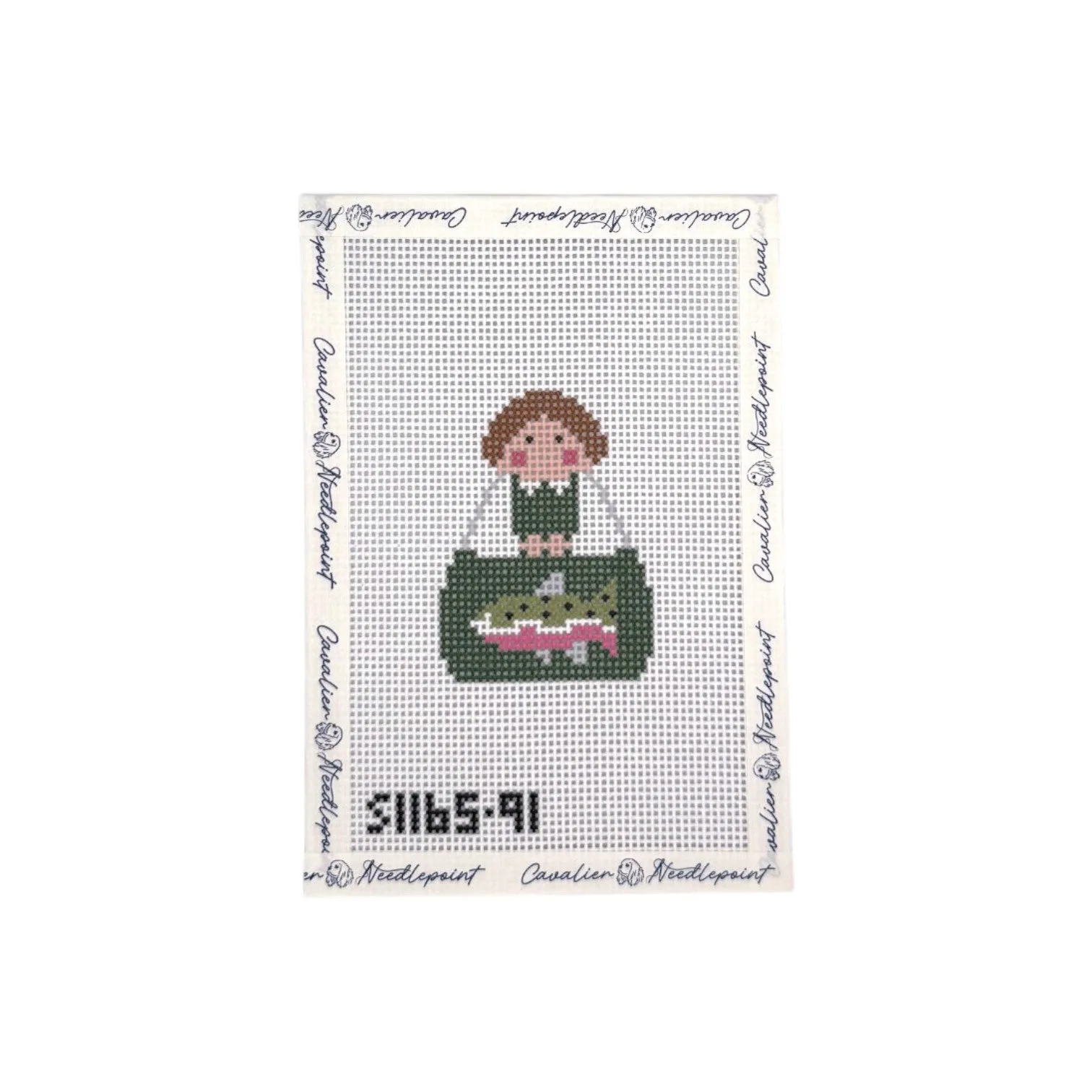
- Fishing Angel: A charming fishing angel needlepoint canvas on 13 mesh with a design size of 2" x 2.75". Canvas only; threads are not included. The small 2" x 2.75" design area means a compact minder is a better fit than a wide one, since a large base would cover most of the stitching area.
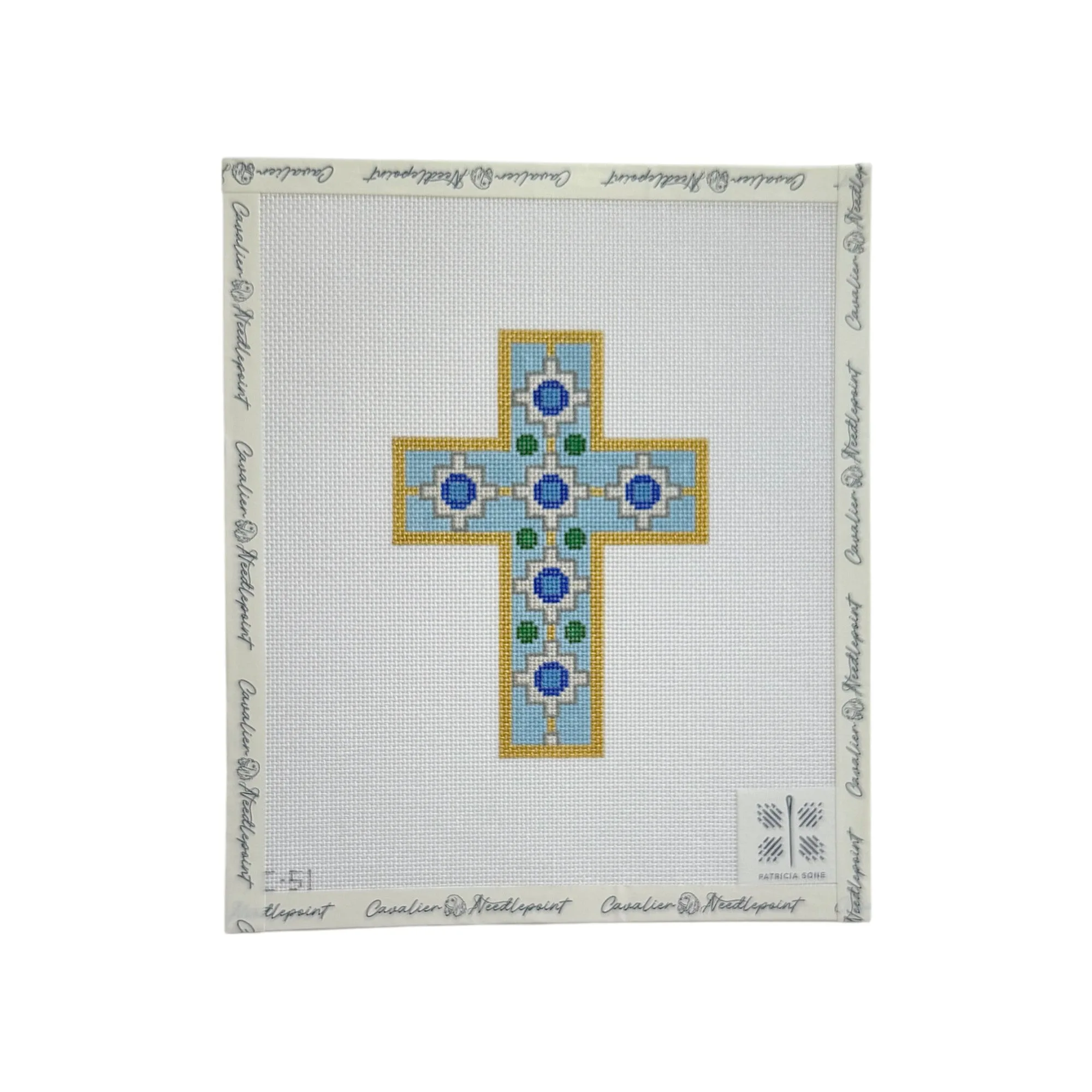
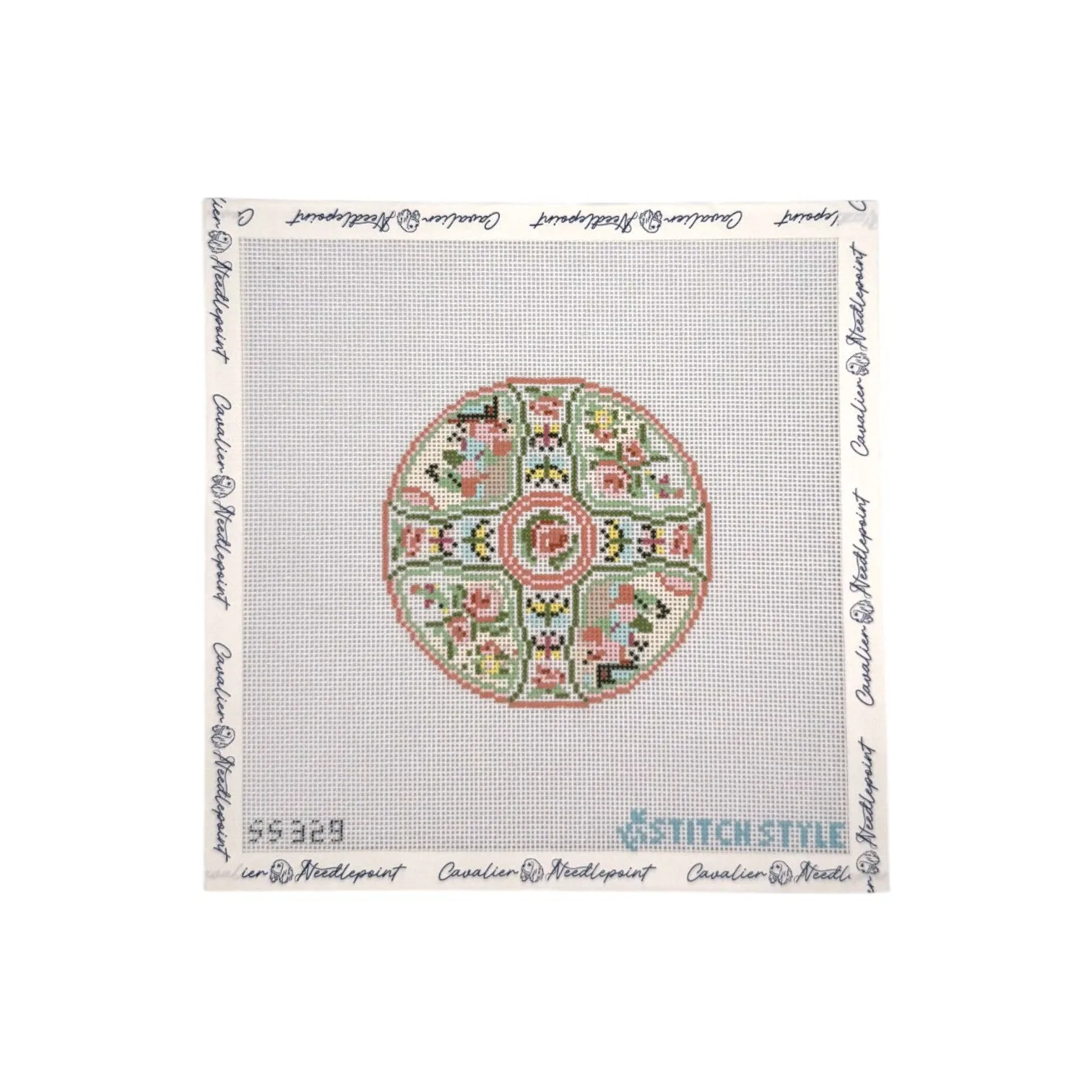
- Byzantine Cross: Hand-painted on 18 mesh canvas, measuring approximately 4 inches by 5.5 inches. The finer 18 mesh weave is exactly the surface where a stronger magnet pair matters most, because smooth, fine canvas gives a weak minder less to grip.
Who this advice fits
Best for
- Stitchers who keep losing needles because their minder slides
- Needlepoint stitchers working on 18 mesh canvas who need stronger holding power
- Anyone choosing their first magnetic needle minder and unsure what to look for
Not for
- Stitchers who want a decorative pin only and do not need it to hold a needle
- Anyone working exclusively on very thick, stiff canvas where a simple clip or needle case may be easier
A needle minder only works if it stays where you put it. Focus on magnet strength, a paired back magnet, and a size that matches your canvas, then check placement before you blame the design. Get those three right and your needle stays put, even on fine 18 mesh.