Quick answer
For most travelers and everyday carry, choose a crossbody phone pouch that fits your phone with its case on, offers at least one secure card slot, and uses a wide, adjustable strap. If you already use a rugged case, a slim pouch that only holds the phone may be enough; if you carry cards and keys, look for a pouch with a dedicated front pocket. Skip pouches that force you to remove your case—they add friction and reduce protection.
Crossbody vs. Belt vs. Neck: Match the Strap to Your Day
The strap style decides how often you'll actually use the pouch. Crossbody pouches keep your phone accessible without occupying a hand, which matters in airports, on public transit, and at markets. Belt pouches sit close to the body and work well under a jacket, but they can feel bulky when seated. Neck pouches are minimal but swing forward when you lean down, making them better for quick errands than full travel days.
Look for a strap that adjusts without slipping and is at least 1 inch wide if you plan to wear it all day. Narrow cords dig into your shoulder. If the pouch has a detachable strap, you can also clip it to a backpack strap or belt loop for a hybrid setup.
Phone Pouch vs. Phone Case: Do You Need Both?
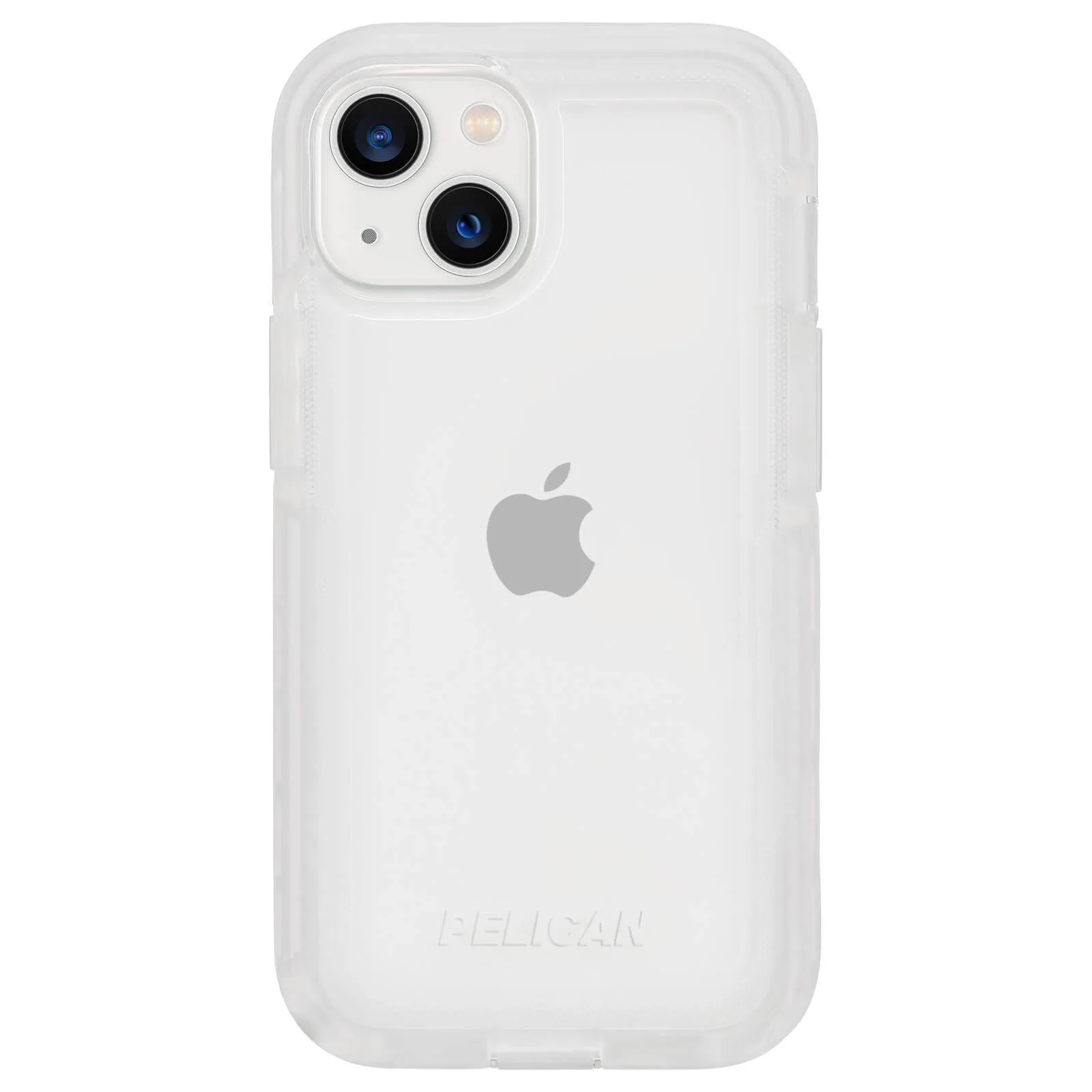
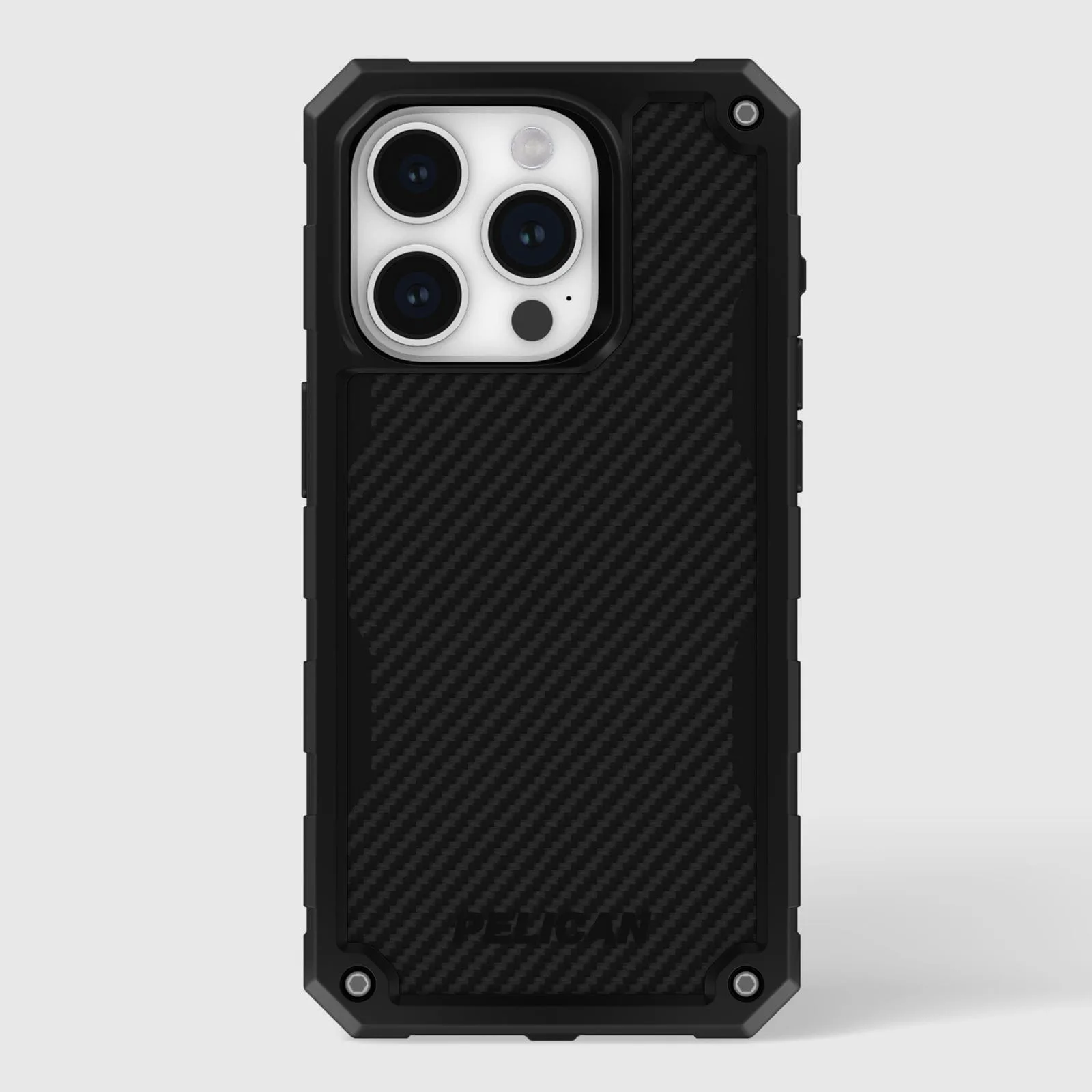
A phone pouch does not replace a protective case. Pouches protect against scratches, light rain, and casual bumps, but they rarely provide drop protection on their own. If you already use a case with military-grade drop testing, like the Pelican Voyager for iPhone 13, a pouch can be a slim carry option that keeps your phone and cards together without adding another layer of bulk to the phone itself.
If you prefer to go caseless, choose a pouch with a soft microfiber lining and a secure closure. Hard-shell pouches can transfer impact to the phone if they don't have interior padding. In that situation, a pouch becomes your primary protection, so prioritize padded corners and a snug fit.
Size Guide: Fit Your Phone With the Case On
Always measure your phone with its case on before buying a pouch. A pouch that fits a bare iPhone 13 may not fit the same phone in a thick case. Add at least 0.2 inches (5 mm) to the height, width, and depth of your cased phone to find the minimum internal dimensions.
For reference, a typical 6.1-inch phone with a slim case measures roughly 6.0 x 3.0 x 0.4 inches. A 6.7-inch phone with a rugged case can reach 6.5 x 3.3 x 0.6 inches. If the pouch listing gives exterior dimensions only, subtract 0.4–0.6 inches for the material thickness to estimate interior space. When in doubt, size up—a slightly loose pouch is easier to use than one that requires forcing the phone in.
Card Slots, Zippers, and Closure: Small Details That Matter
Card slots are the most common failure point. Look for slots that are stitched to the back panel, not floating, and check whether they have RFID-blocking if you carry contactless cards. A zippered main compartment keeps the phone secure even if the flap opens, but it adds bulk. Magnetic flaps are faster to open but can interfere with MagSafe accessories if the magnet is strong.
If you carry keys or coins, choose a pouch with a separate front pocket so they don't scratch the phone screen. Avoid pouches with only a single open pocket—they offer no organization and let items slide out when you bend over.
Materials and Weather Resistance for Travel
Nylon and polyester pouches resist light rain and dry quickly, making them good for humid climates. Leather looks better over time but requires more care and can stain in heavy rain. Vegan leather is a middle ground but may crack at stress points after a year of daily use.
If you travel to dusty or sandy destinations, choose a pouch with a smooth exterior that wipes clean and a closure that keeps grit out. Water-resistant zippers help, but no pouch is fully waterproof unless it has a sealed roll-top—don't expect a standard zippered pouch to protect your phone in a downpour.
Decision rules for buying a phone pouch
- Rule 1: Measure your cased phone first: Add 0.2 inches to height, width, and depth. If the pouch lists only exterior dimensions, subtract 0.4–0.6 inches for material thickness. If the internal height is less than your cased phone height plus 0.2 inches, skip it.
- Rule 2: Choose crossbody for all-day travel: Crossbody keeps hands free and the phone accessible. Belt pouches work under a jacket; neck pouches are for light errands only. Pick a strap at least 1 inch wide and adjustable without slipping.
- Rule 3: Match card storage to your carry: One or two stitched card slots cover transit passes and a credit card. If you carry more, look for a zippered compartment with RFID blocking. Avoid floating slots that can pull out when you remove the phone.
- Rule 4: Decide if the pouch is your only protection: Pouches rarely provide drop protection. If you go caseless, prioritize padded corners and a snug fit. If you use a rugged case, a slim pouch is fine. Never rely on a pouch alone for drop protection unless it's explicitly padded for impacts.
- Rule 5: Weather and material check: Nylon and polyester handle rain and humidity; leather needs care. No standard zippered pouch is waterproof. For heavy rain, choose a roll-top or sealed pouch, or keep your phone in a case with water resistance.
Product facts to know
- Pelican Voyager (Clear) - iPhone 13: The Pelican Voyager case for iPhone 13 uses four layers of rigid polycarbonate and energy-absorbing TPR and PU rubber to disperse impact energy, and it is tested to military specifications to survive multiple drops. If you already carry this level of drop protection, a slim pouch can focus on organization and scratch prevention rather than impact absorption.
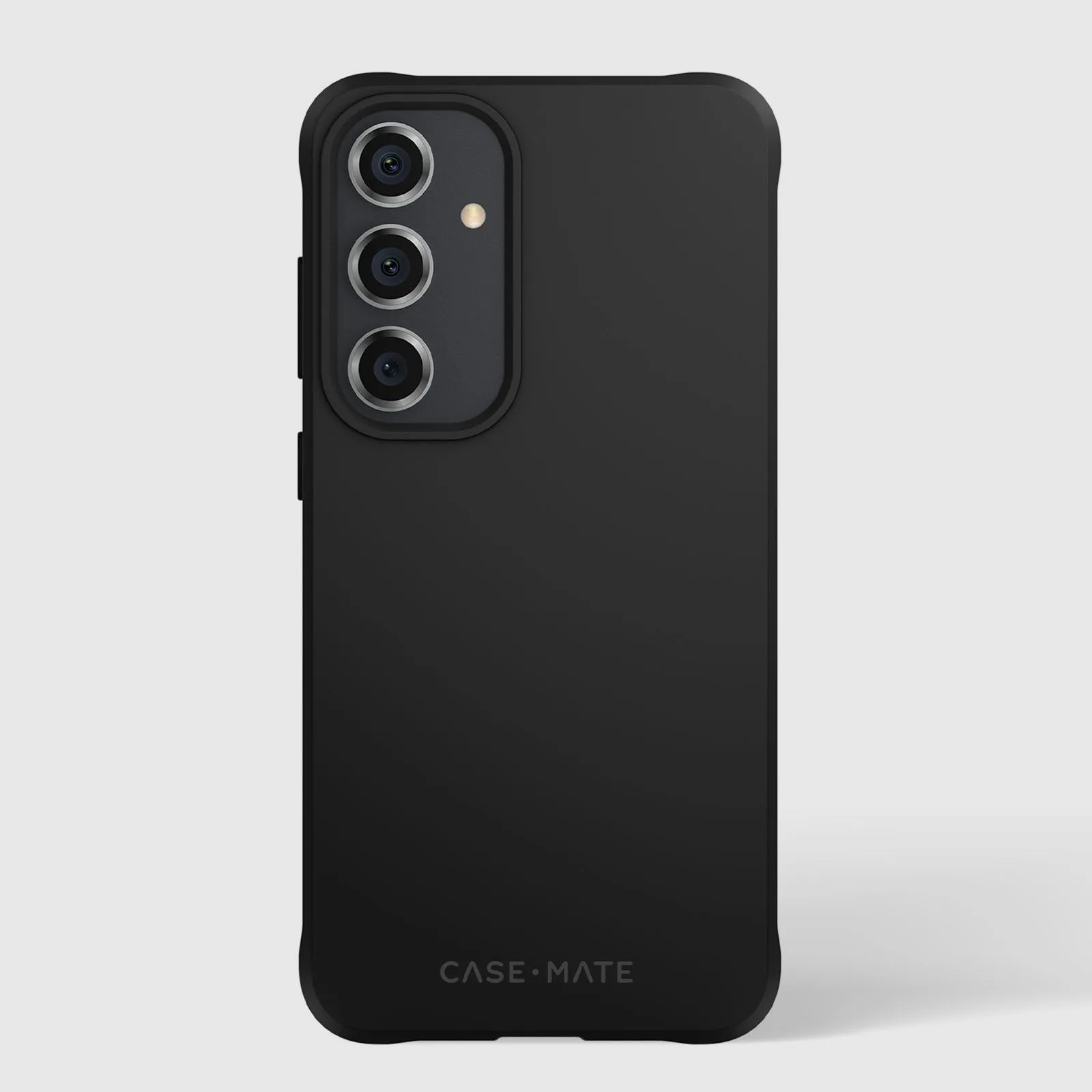
- Tough Black - Galaxy S24+: The Tough Black MagSafe Phone Case for Galaxy S24+ offers 12-foot drop protection and a sleek, everyday design. A pouch that fits a cased Galaxy S24+ needs extra internal height and width; check that the pouch accommodates the case's raised camera lip.
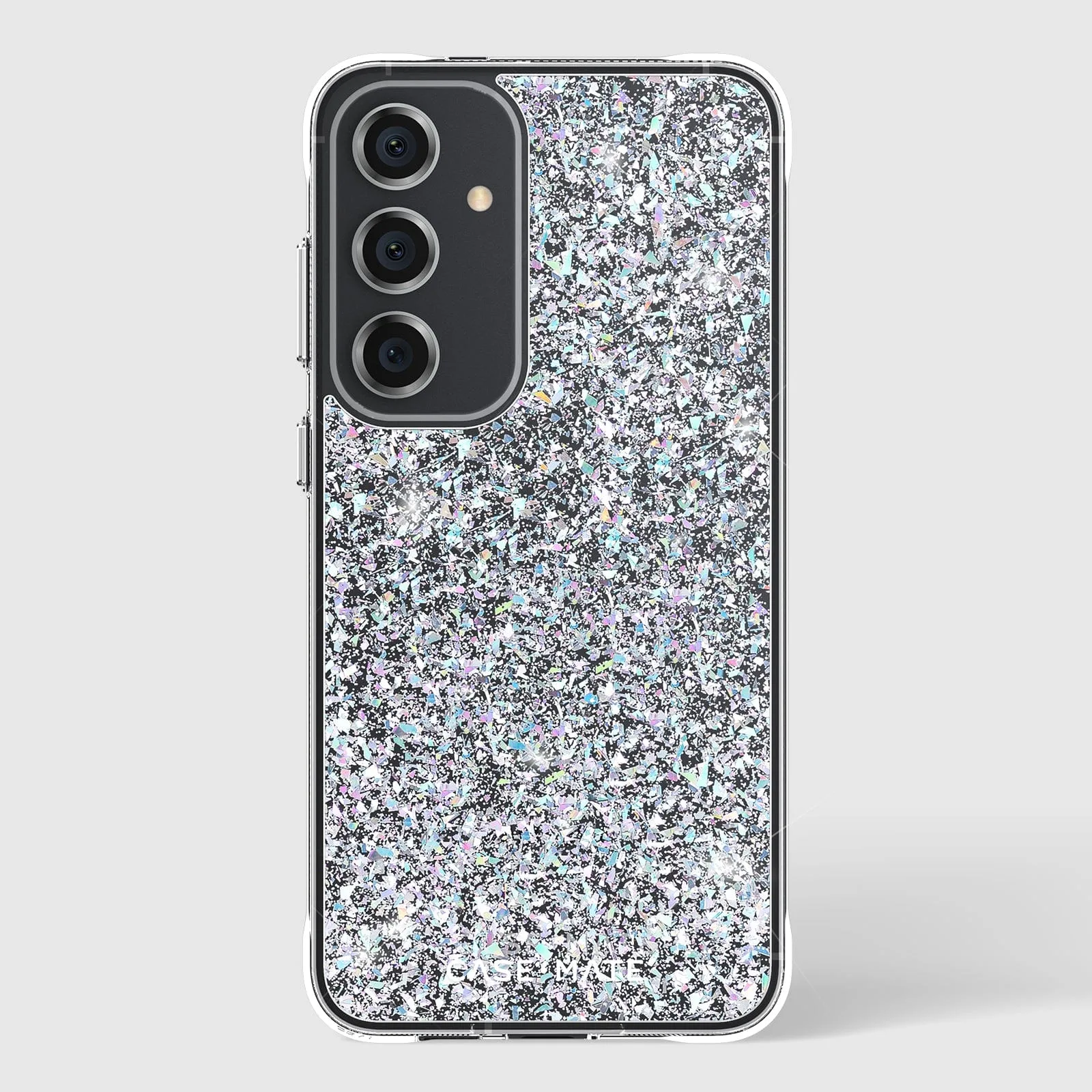
- Twinkle Disco - Galaxy S24+: The Twinkle Disco Phone Case for Galaxy S24+ features reflective iridescent sparkle and 12-foot drop protection. Reflective or textured cases can catch on tight pouch linings; choose a pouch with a smooth interior or a slightly larger size to avoid abrasion.
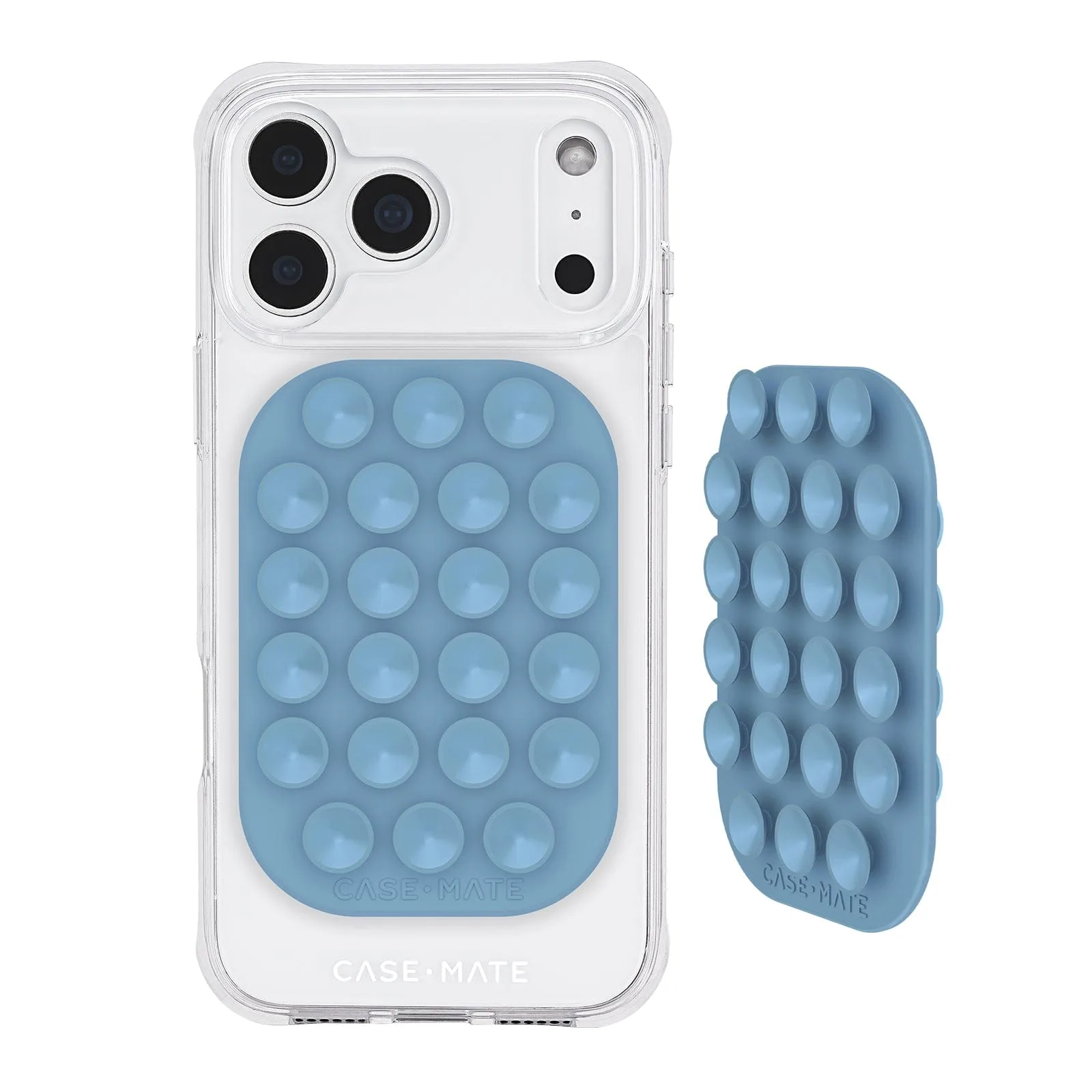
- Stick It! Double Sided Suction Phone Mount: The Stick It! Double-Sided Suction Phone Mount sticks to smooth, flat surfaces and is double-sided to avoid sticky residue. Useful for hands-free video or streaming when you've left your pouch in a bag; it's not a pouch replacement but complements a carry setup.
Who should buy which pouch
Best for
- Travelers who want hands-free access to their phone and cards
- Everyday carry users who prefer a single crossbody bag over pockets
- Commuters who need to swipe transit cards without removing the phone
Not for
- Users who need maximum drop protection without a case—choose a rugged case instead
- People who carry large phones with bulky cases and want a minimal pouch
- Anyone expecting full waterproof protection in heavy rain