Quick Answer
Choose a playroom floor mat that is non-toxic, easy to clean, and comfortable for your child. Look for machine-washable covers and soft, supportive materials to create a safe and inviting play space.
Why Safety Comes First in a Play Mat
When choosing a playroom floor mat, the most important factor is safety. Babies and toddlers spend a lot of time on the floor, so the mat must be free from harmful chemicals and sharp edges. Look for materials labeled as non-toxic, such as organic cotton, natural rubber, or eco-friendly velvet. These materials are gentle on sensitive skin and safe for little ones who explore with their mouths.
Designing a Cozy Play Corner
A playroom floor mat is more than just a safety surface; it's a foundation for imaginative play. Choose a mat that complements your decor and can be combined with other items like a canopy or cushions. The goal is to create a defined area that feels special and encourages your child to play, read, and relax. A soft, elegant mat can transform a corner into a reading nook or a play zone.
Trade-Off: Comfort vs. Cleanliness
While a thick, plush mat offers maximum comfort, it can be harder to clean. If your child is prone to spills or messes, prioritize mats with removable, machine-washable covers. This way, you can keep the mat clean without sacrificing softness. On the other hand, a thinner mat may be easier to wipe down but might not provide the same cushion for active play.
5 Decision Rules for Choosing a Playroom Floor Mat
- 1. Check Material Safety: Ensure the mat is made from non-toxic, phthalate-free, and BPA-free materials. Look for certifications like Oeko-Tex or GREENGUARD if available. Always check the product description for safety certifications before buying.
- 2. Prioritize Easy Cleaning: Choose a mat with a removable, machine-washable cover. This makes it simple to clean up spills, crumbs, and dirt, keeping the play area hygienic.
- 3. Consider Softness and Cushioning: For babies learning to crawl or toddlers who fall often, a thick, padded mat is ideal. For older children, a thinner mat may suffice for sitting and playing. Match the mat's density to your child's age and activity level.
- 4. Think About Size and Shape: Measure your playroom and decide if you want a single large mat or multiple smaller ones that can be arranged together. Rectangular mats work well in corners, while round mats can define a cozy spot. Plan the layout before you buy to ensure the mat fits your space.
- 5. Match Your Decor: Select a color and texture that complements your home's style. A neutral or soft-toned mat can blend in, while a bright or patterned mat can become a focal point. Think about how the mat will look with your existing furniture and decor.
Featured Product: Play Floor Mattress Zanzibar Eco-velvet
-
Play floor mattress Zanzibar Eco-velvet: Extra soft quilted eco-velvet, removable cover, machine washable. This means you get a plush, safe surface that is easy to keep clean, perfect for a playroom that sees daily use.
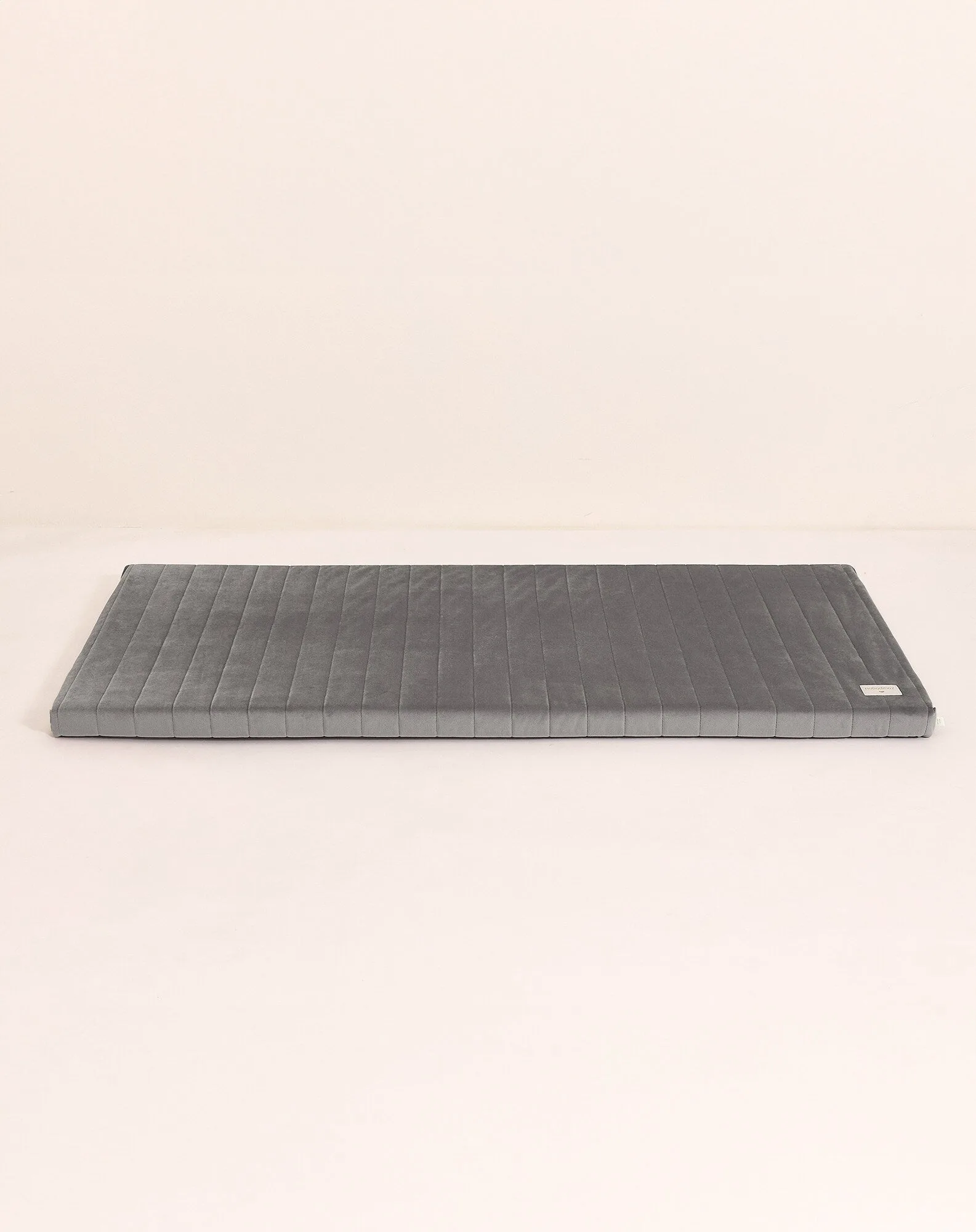
Play floor mattress Zanzibar Eco-velvet
Is a Playroom Floor Mat Right for You?
Best for
- Parents of babies and toddlers who need a safe, cushioned surface for crawling and playing.
- Families who want a stylish, easy-to-clean mat that can be used in a reading corner or play area.
Not for
- Outdoor use or high-traffic entryways where dirt and moisture are common.
- Very small rooms where a mat might crowd the space; consider a smaller rug instead.