Quick answer
Start by deciding between tempered glass and film based on your drop-risk tolerance. Then check that the protector's edge coverage is compatible with your phone case—especially if you use a case with raised lips or MagSafe accessories.
Tempered glass vs. film protectors
Tempered glass protectors offer the highest impact and scratch resistance. They feel like your original screen and often include an oleophobic coating to resist fingerprints. The trade-off is thickness: a glass protector may lift at the edges if your case fits tightly, and it can shatter on severe impact (though the screen underneath usually stays intact).
Film protectors, including TPU and hydrogel options, are thinner and more flexible. They conform better to curved screens and work well with cases that have tight tolerances. However, they provide less drop protection and may show scratches more easily. Film is a good choice if you prioritize case compatibility over shatter resistance.
Edge coverage and case compatibility
A common mistake is pairing a full-coverage glass protector with a case that has raised edges. The protector's adhesive only covers the flat portion of the screen, leaving the edges prone to lifting when the case pushes against them. Look for protectors labeled 'case-friendly' or with a slightly smaller footprint to avoid this. If you use a MagSafe case, ensure the protector does not interfere with the magnetic alignment—most modern protectors are thin enough, but thick glass can reduce magnet strength.
Installation tips for a bubble-free result
Even the best protector fails if installed poorly. Clean the screen with a microfiber cloth and alcohol wipe, then use the included alignment frame or hinge method to position the protector. Work from the center outward to push out air bubbles. If bubbles remain after 24 hours, gently lift the nearest corner and reapply. Many glass protectors come with a squeegee card—use it slowly and firmly.
Decision rules for choosing a screen protector
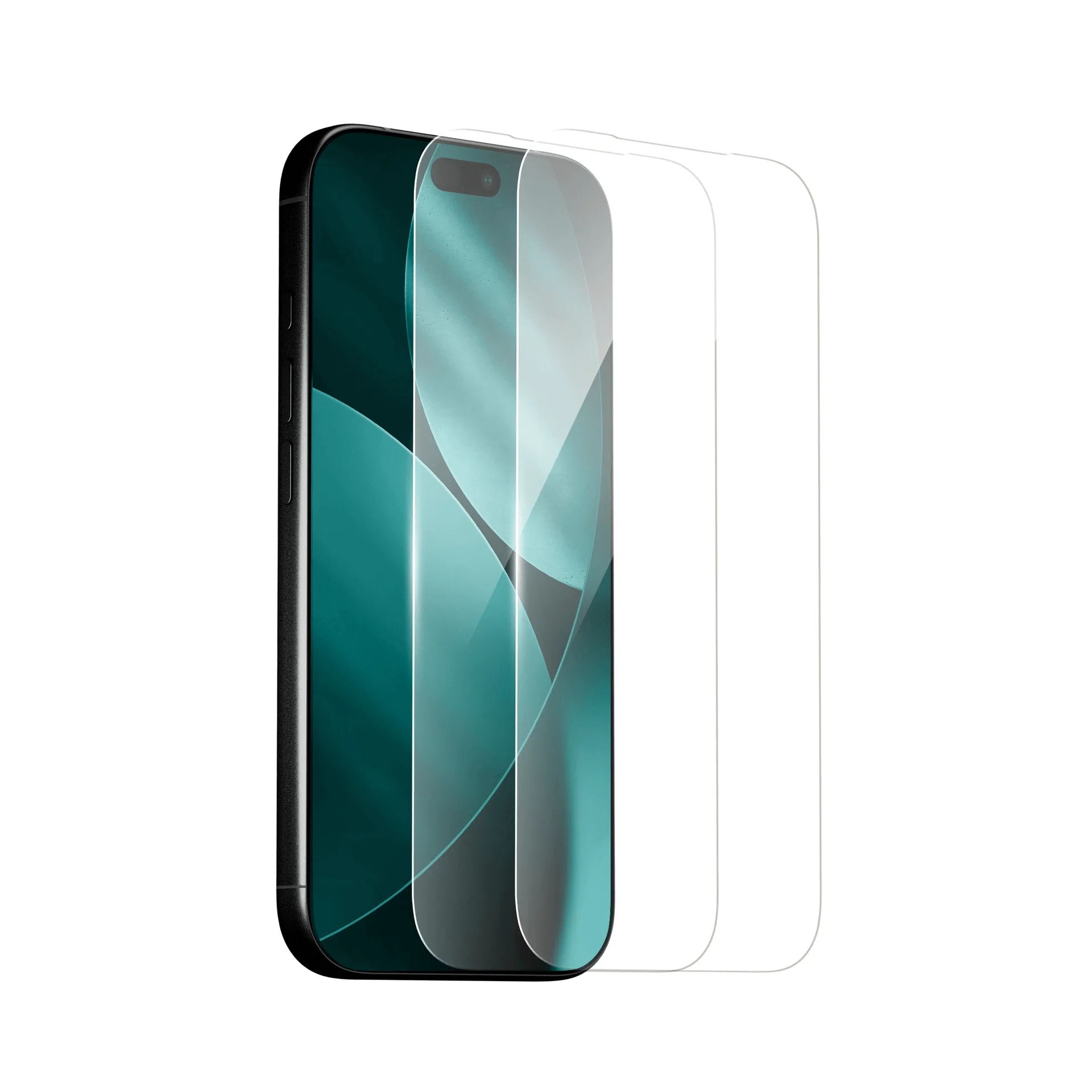
screen protector
- Drop risk level: If you frequently drop your phone, choose tempered glass (0.3 mm or thicker) with a hardness rating of 9H. Film protectors absorb scratches but offer minimal drop protection. High drop risk → tempered glass
- Case fit tolerance: Measure the gap between your case's raised lip and the screen. If the gap is less than 1 mm, a full-coverage glass protector may lift. Opt for a film protector or a glass protector with a reduced edge adhesive. Tight case fit → film or case-friendly glass
- Curved vs. flat screen: Curved screens (common on recent Samsung Galaxy models) require flexible film or a glass protector with a curved adhesive layer. Flat screens can use standard glass protectors with full coverage. Curved screen → flexible film or curved glass
Protective cases that pair well with screen protectors
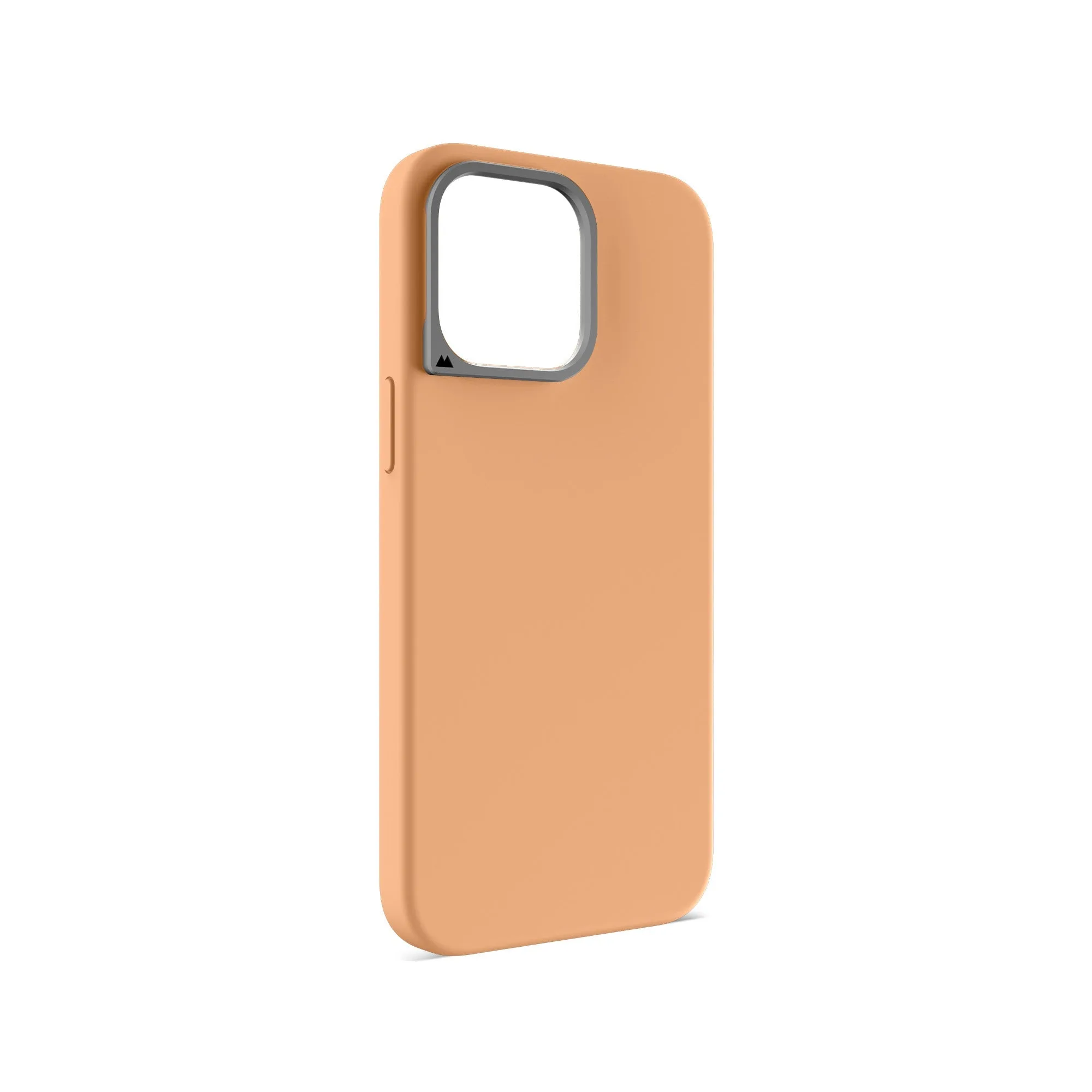
- MagSafe® Compatible Bubblegum Silicone Phone Case - Minimalist: Our soft silicone case offers just the right amount of protection and full MagSafe ® compatibility in a slim, sleek design. This is simplicity at its finest. A slim silicone case leaves more room for a glass screen protector without edge lifting, while still supporting MagSafe accessories.
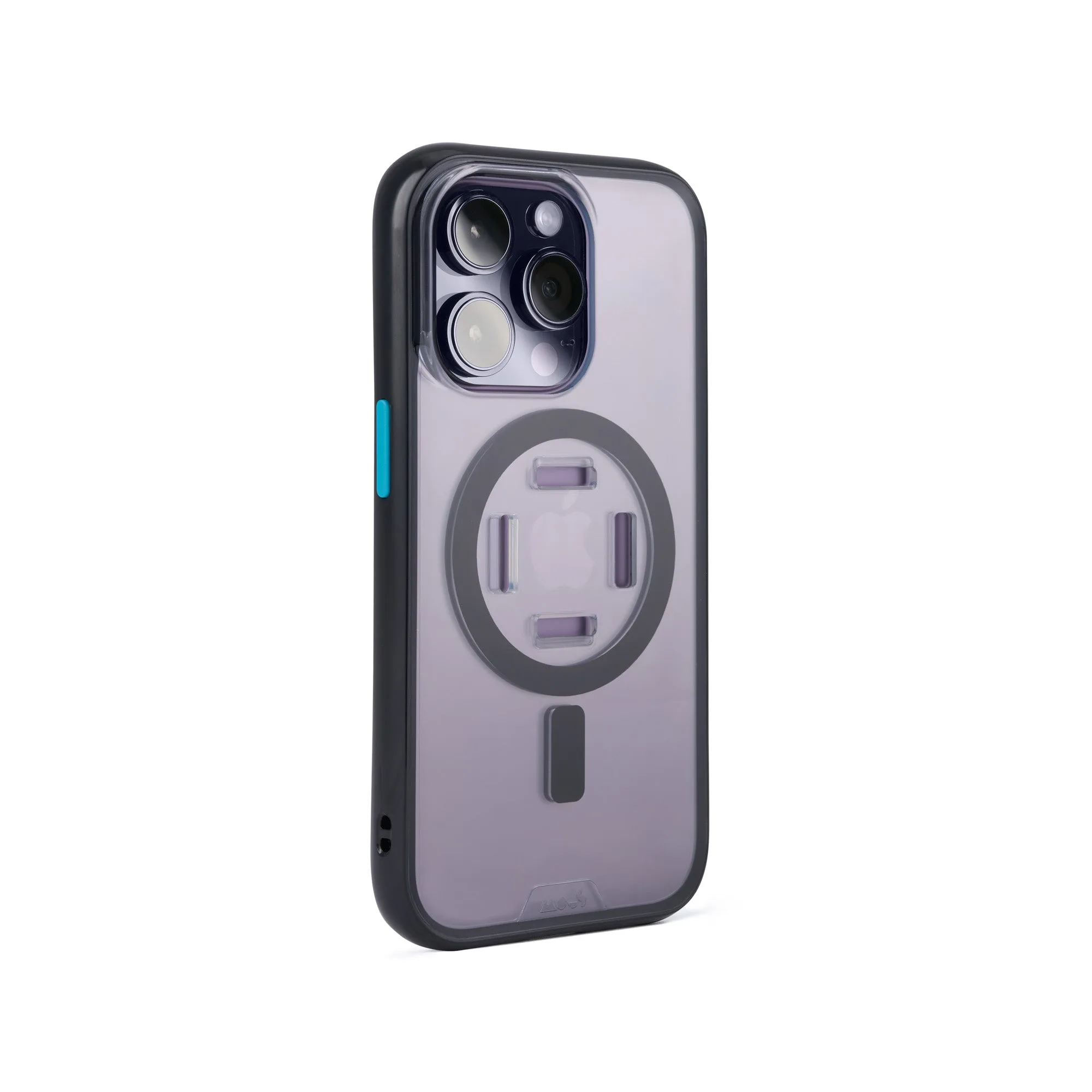
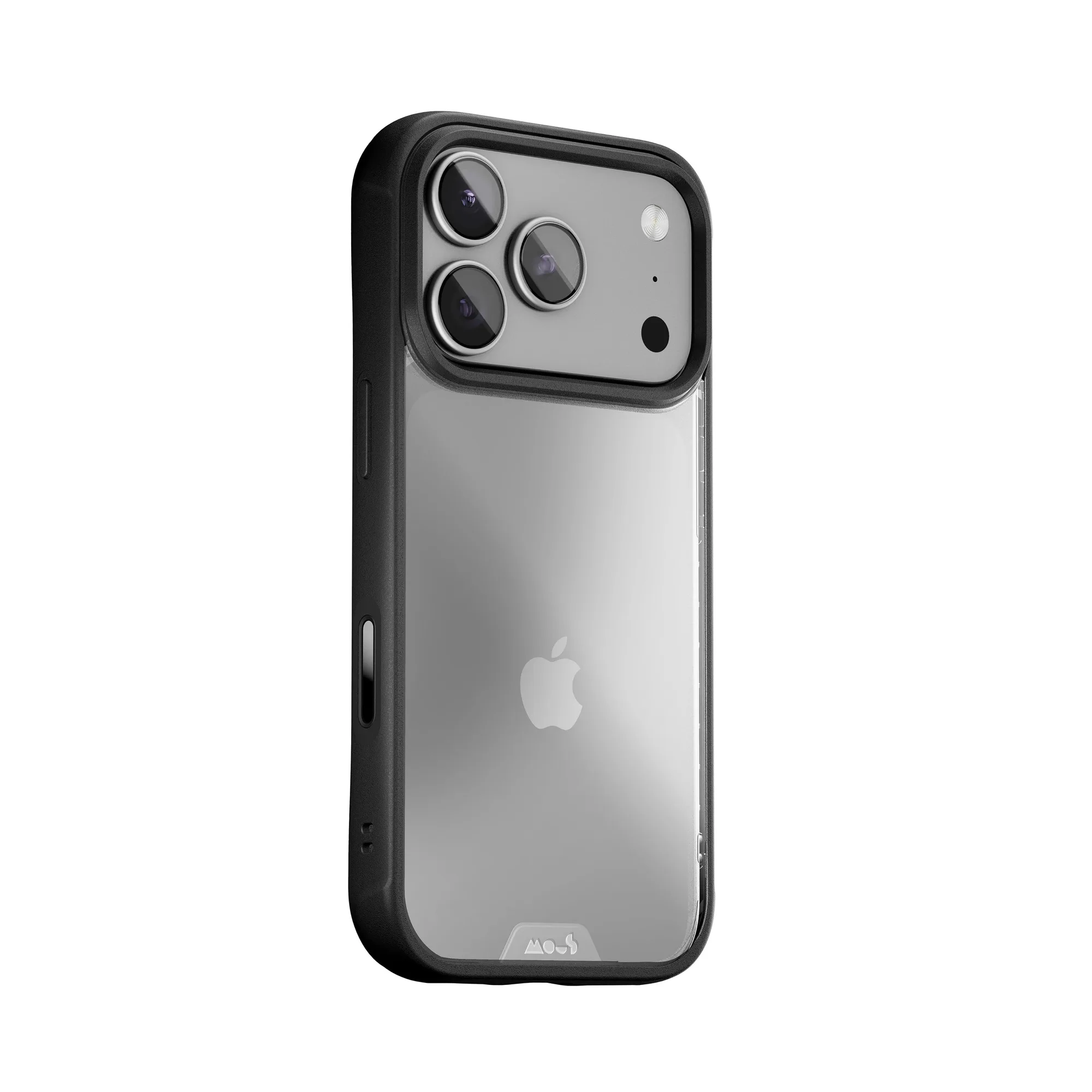
- Protective Clear Phone Case - Clarity MagSafe: Our most protective clear case, engineered with impact-absorbing AiroShock ® , anti-yellowing tech, reinforced camera defence and seamless MagSafe ® /Qi2 compatibility. If you choose a thicker protective case like this, check that your screen protector's edges do not overlap with the case's raised bezel—this case's reinforced corners may require a slightly smaller protector.
Which screen protector is right for you?
Best for
- Users who want maximum drop and scratch protection
- People who use a slim, flexible case with good edge clearance
Not for
- Users with a thick protective case that has very tight screen clearance
- Those who prioritize a completely invisible feel over impact resistance