Silicone vs Fabric: Which Weaning Bib Suits Your Baby?
When your baby starts solids, a good bib can make the difference between a quick wipe-down and a full outfit change. Two popular options are silicone bibs and fabric weaning bibs. Each has its strengths, and the best choice depends on your priorities for cleanup, comfort, and coverage.
Two Weaning Bibs at a Glance
-
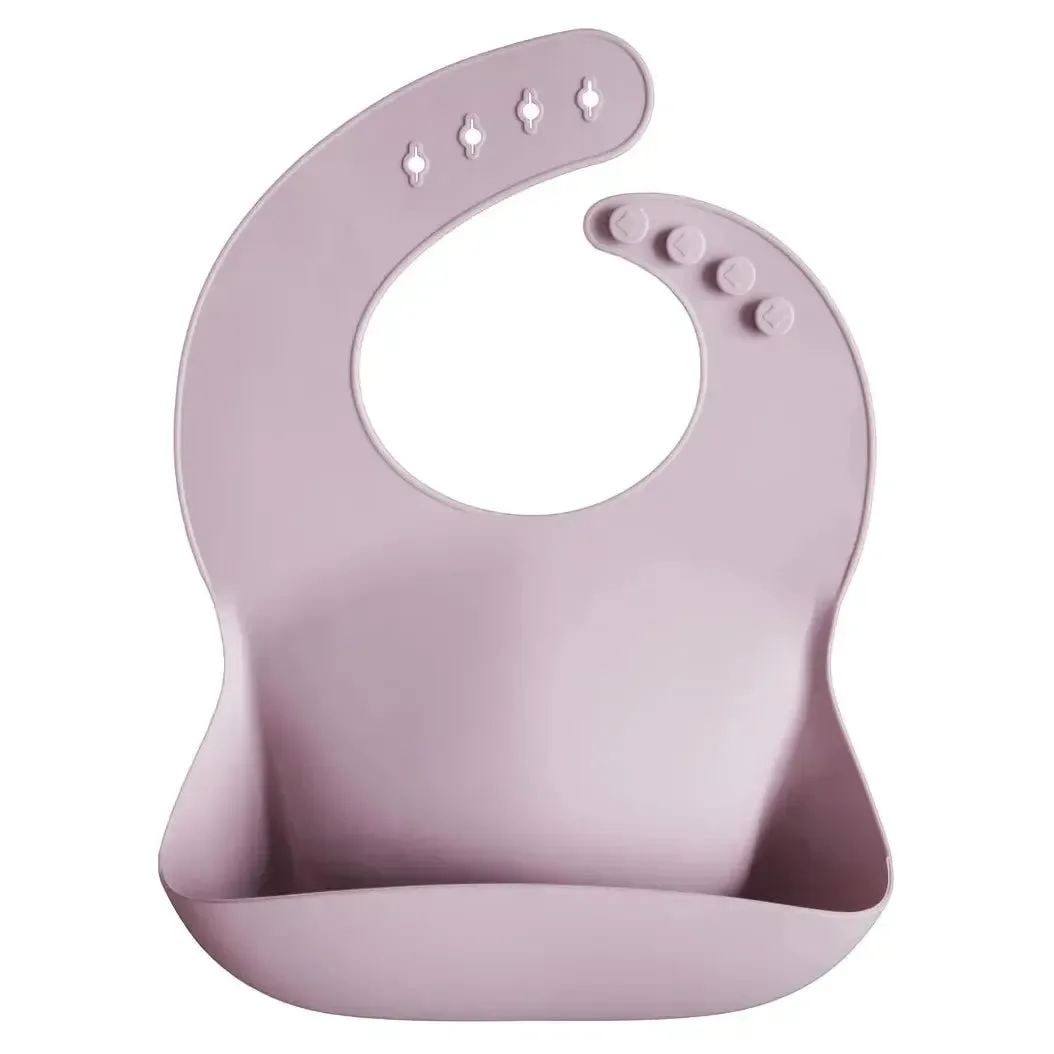
BLW Essentials Silicone Bib: Made from FDA approved food grade silicone, BPA free, lead free, and plastic free. Features a deep front pocket and rounded built-in neck fasteners. Age suitability: 6 months+. Silicone bibs are ideal for catching food and spills, easy to clean, and safe for your baby. The deep pocket is especially useful for baby-led weaning (BLW) where food often falls.
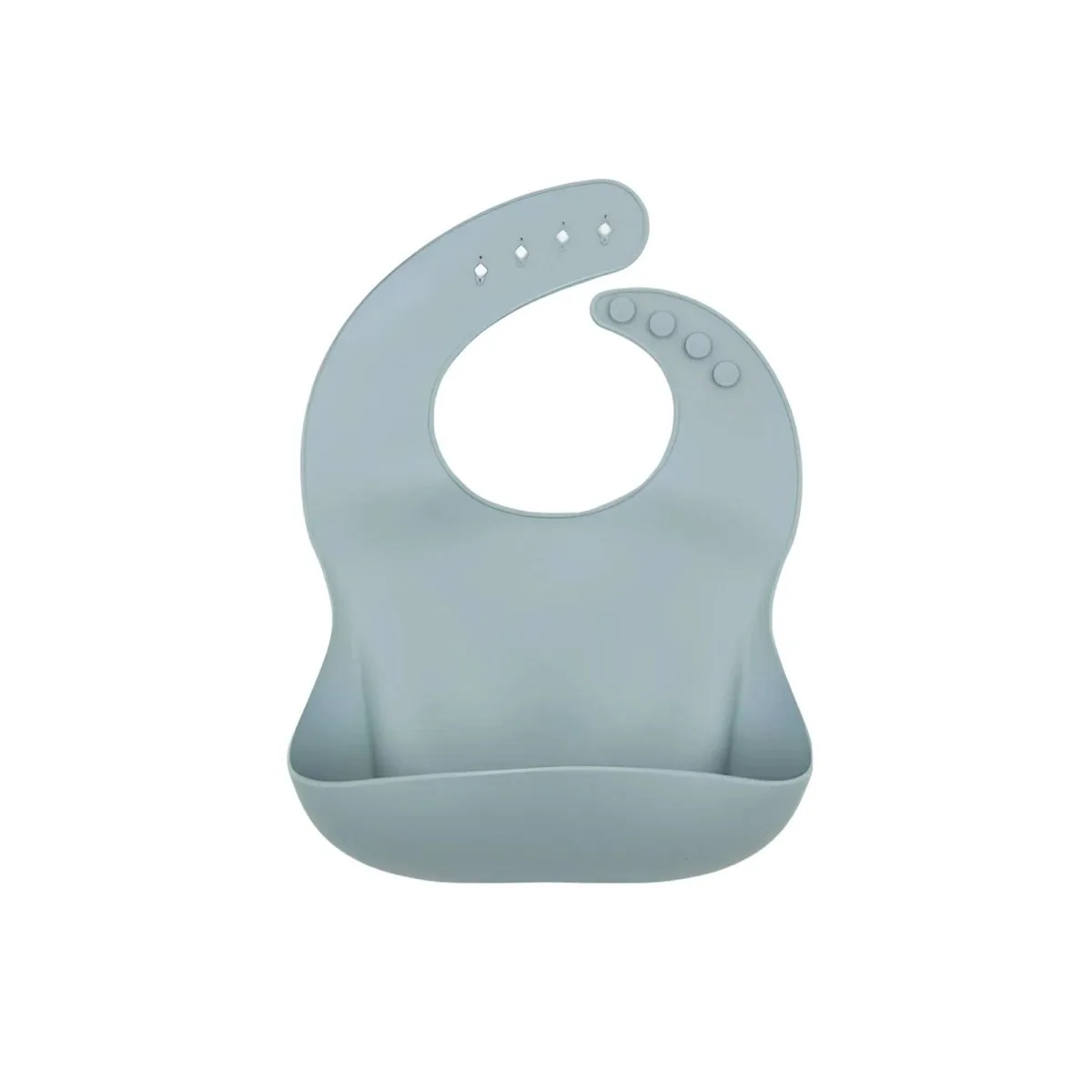
BLW Essentials Silicone Bib
-
Messy Duck Short Sleeve Baby Weaning Bib - Dino World: Made from 100% polyester with waterproof fabric, short sleeves, hook and loop fastening, and wide coverage. Age: 6+ months. Hand wash at 30°C recommended. Fabric bibs with sleeves provide full coverage and are lightweight, making them great for active babies who move during meals. The waterproof layer protects clothes while the soft fabric feels gentle on skin.
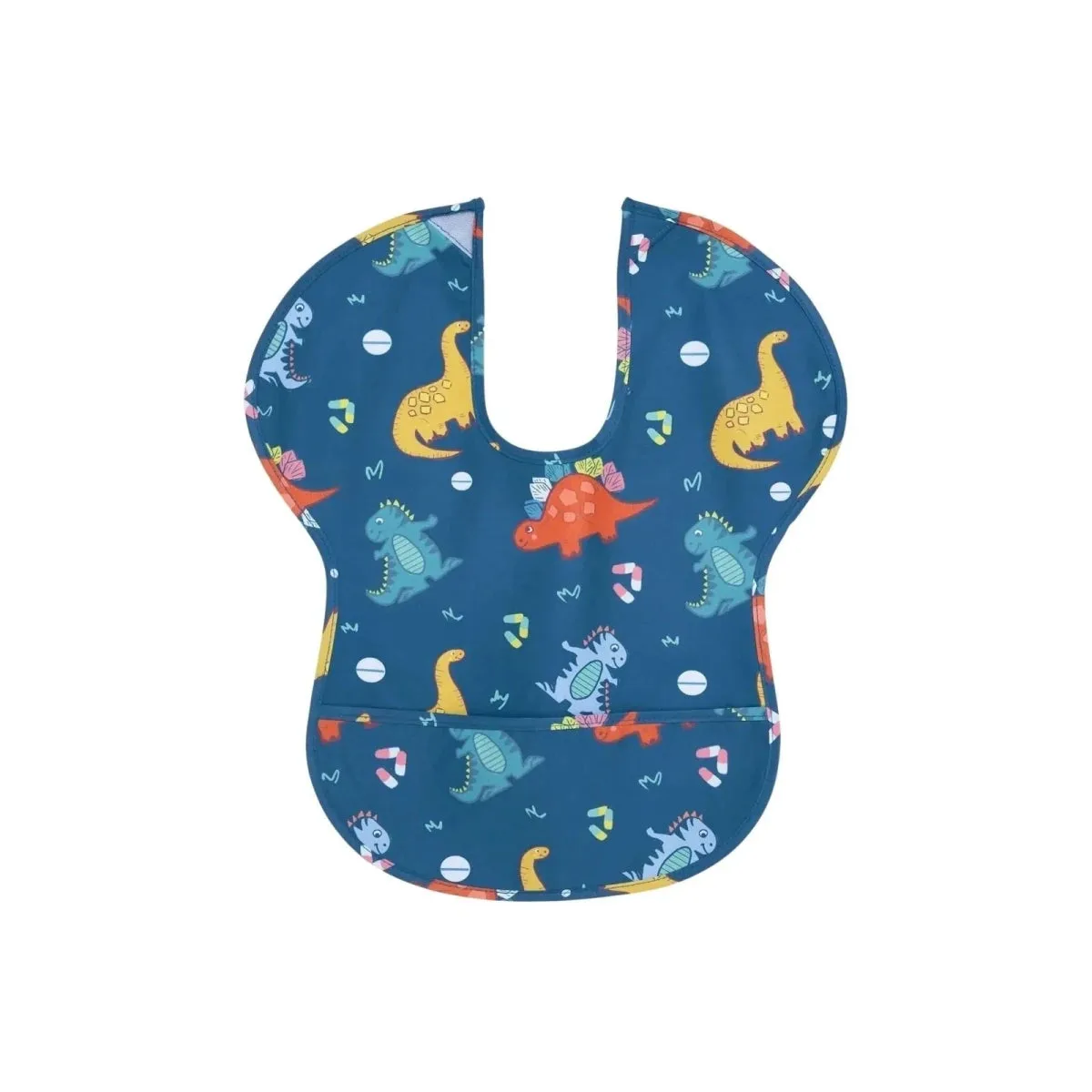
Messy Duck Short Sleeve Baby Weaning Bib - Dino World
Coverage and Cleanup: Key Trade-offs
A silicone bib like the BLW Essentials Silicone Bib is waterproof and can be wiped clean or put on the top shelf of the dishwasher. Its deep front pocket catches dropped food, which is a big help during weaning. However, it only covers the front of the body and has no sleeves, so spills can still reach arms and sides.
A fabric bib with sleeves, such as the Messy Duck Short Sleeve Baby Weaning Bib, offers wider coverage and protects clothing from stains. The short sleeves allow free movement while keeping more of your baby's outfit clean. The trade-off is that it requires hand washing at 30°C and may not be as quick to rinse as silicone.
Age and Fit Considerations
Both bibs are suitable from 6 months, but their fit and features differ. The silicone bib uses rounded built-in neck fasteners for a snug fit and comes in various colors. Its flexible material folds easily for on-the-go use. The fabric bib uses a hook and loop fastening that is quick to put on and take off, which can be helpful when your baby is wriggly.
Neither bib is confirmed suitable for newborns or safe for sleep or car seats, so reserve them for supervised mealtime use only.
Choosing Based on Your Weaning Style
If you are doing baby-led weaning (BLW) or serving wet foods like yogurt and soup, a silicone bib with a deep pocket is a practical choice. The easy-clean surface and dishwasher-safe feature save time. If your baby is very active or you want to keep sleeves and sides clean, a fabric bib with sleeves may work better despite the extra washing effort.
Both bibs are designed to make mealtimes less messy, so your decision really comes down to whether you prioritize instant cleanup or full coverage.