Quick answer
For everyday carry, a slim notebook should be compact, durable, and simple to use. The Cambridge Slim Exercise Book is a practical choice due to its size and plain paper.
Why size matters for portability
A slim notebook for everyday carry needs to fit easily in a bag or pocket without adding bulk. The Cambridge Slim Exercise Book measures 215 x 170 mm, which is compact enough to slip into a backpack or tote while still offering a comfortable writing surface. Larger notebooks may be cumbersome, while smaller ones can feel cramped.
Paper type and your writing needs
The Cambridge Slim Exercise Book contains 40 pages of plain paper, making it versatile for writing, sketching, or diagrams. If you prefer lined or grid pages, you may need to look elsewhere. Plain paper works well for freeform notes, but it lacks guidance for straight lines or structured layouts.
Decision rules for choosing a slim notebook
- Check the size: Measure your bag or pocket. The Cambridge Slim Exercise Book at 215 x 170 mm fits most bags. If you need a truly pocket-sized option, look for something smaller, like 140 x 90 mm.
- Consider the paper count: 40 pages is enough for short-term notes or a single project. If you need more capacity, choose a notebook with 80 or more pages, but it will be thicker.
- Decide on paper style: Plain paper offers freedom for sketches and diagrams. If you need lined or grid pages for neat writing, pick a notebook with those features instead.
Product facts
-
Cambridge Slim Exercise Book: The Cambridge Slim Exercise Book measures 215 x 170 mm and contains 40 pages of plain paper. Its compact size makes it easy to carry daily, and plain paper suits both notes and quick sketches.
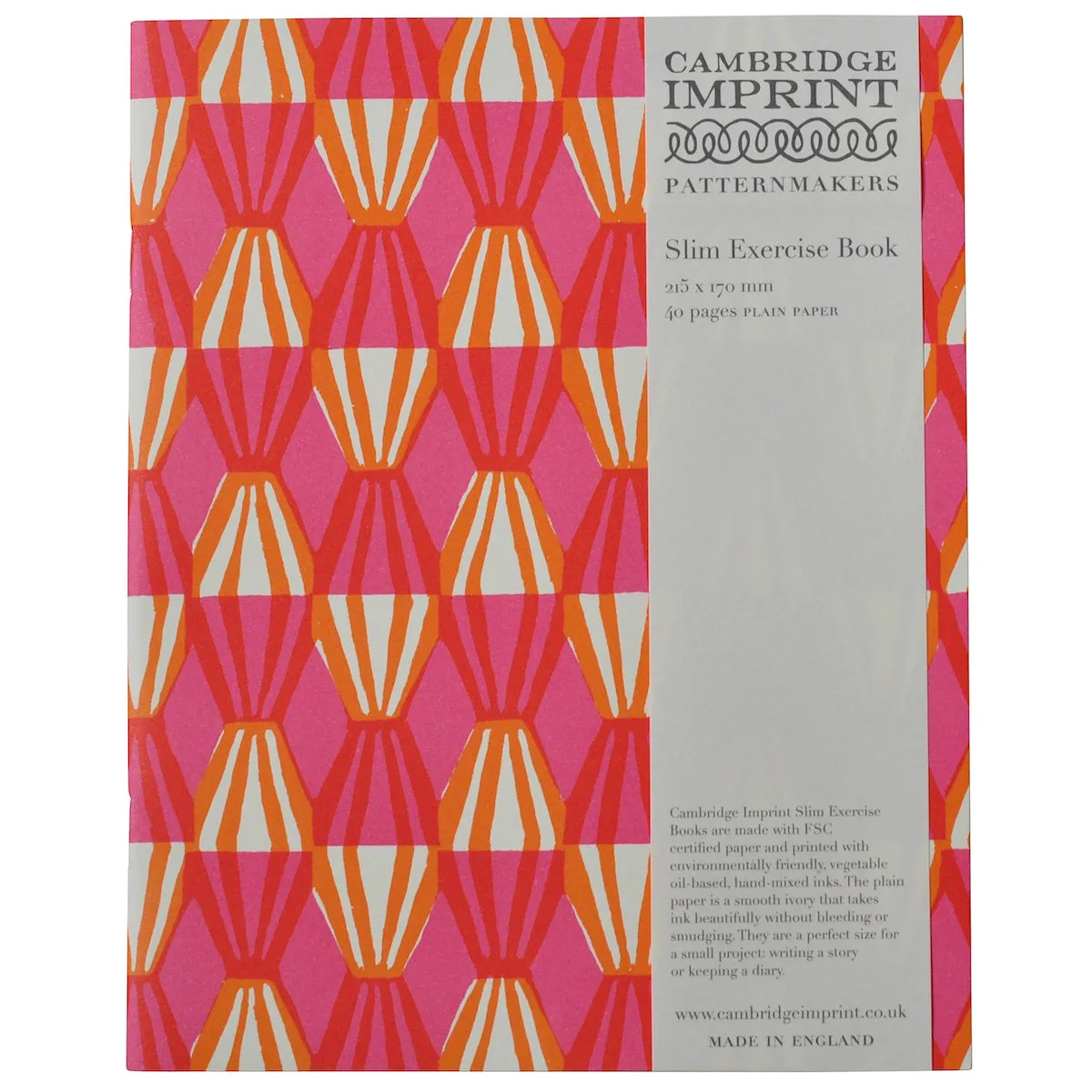
Cambridge Slim Exercise Book
Who should buy this notebook
Best for
- Students who need a light, portable notebook for class notes
- Professionals who jot down ideas on the go
Not for
- People who prefer lined or grid paper for structured writing
- Those needing a notebook with more than 40 pages for long-term projects