Quick answer
Choose a slip mat based on your turntable's platter material, desired slip level, and aesthetic preference. Felt mats like Mondo's double-sided designs offer good slip for DJing and a pop of style, while rubber or cork mats provide better vibration damping for audiophile listening.
Material matters: felt vs. rubber vs. cork
Felt slip mats are lightweight and provide low friction, making them ideal for DJ scratching or manual cueing. They also let you swap designs easily. Rubber and cork mats are heavier and grip the record more, reducing vibrations and improving soundstage for critical listening. Your choice depends on whether you prioritize slip or isolation.
Thickness and platter compatibility
A slip mat that's too thick can raise the record above the tonearm's ideal height, causing tracking issues. Most turntables expect a mat around 1-3 mm thick. Check your turntable's manual or measure the existing mat before buying a replacement. If your platter is already heavy or has a built-in mat, a thin felt mat may be all you need.
How to choose a slip mat for your turntable
- Check your turntable's platter type: Identify whether your platter is metal, acrylic, or glass. Metal platters often benefit from a felt mat to prevent record slippage, while acrylic or glass platters may pair better with a rubber or cork mat for vibration damping. Common mistake: assuming all mats fit all turntables—some platters have raised edges that require a specific mat thickness.
- Decide on material based on use: If you DJ, scratch, or manually cue records, choose a felt mat for its low friction. If you listen critically at home and want to reduce motor noise and vibration, choose a rubber or cork mat. Common mistake: using a felt mat on a turntable with a heavy platter can cause the record to slip during playback, leading to pitch instability. Match material to your primary activity—felt for slip, rubber/cork for isolation.
- Measure thickness and diameter: Use a ruler to measure the thickness of your current mat or the gap between the platter and the tonearm's resting height. Most standard mats are 12 inches in diameter and 1-3 mm thick. Common mistake: buying a mat that is too thick can cause the record to sit too high, affecting tracking force and potentially damaging your stylus. Always verify thickness before purchase—too thick can cause tracking errors.
- Consider design and double-sided options: If you want to change the look of your setup without buying multiple mats, choose a double-sided felt mat. Mondo offers several double-sided designs that let you flip between two artworks. Common mistake: assuming all double-sided mats have the same slip on both sides—felt mats are consistent, but some printed mats may have a slightly different texture on each side. Double-sided mats give you two looks for the price of one—just flip it over.
Slip mat options from Mondo
-
Miles Morales Slip Mat: Screen-printed, double-sided felt construction with a Miles Morales design. Gives you two looks in one mat and adds comic-inspired flair without sacrificing the low-friction feel DJs and casual listeners appreciate.
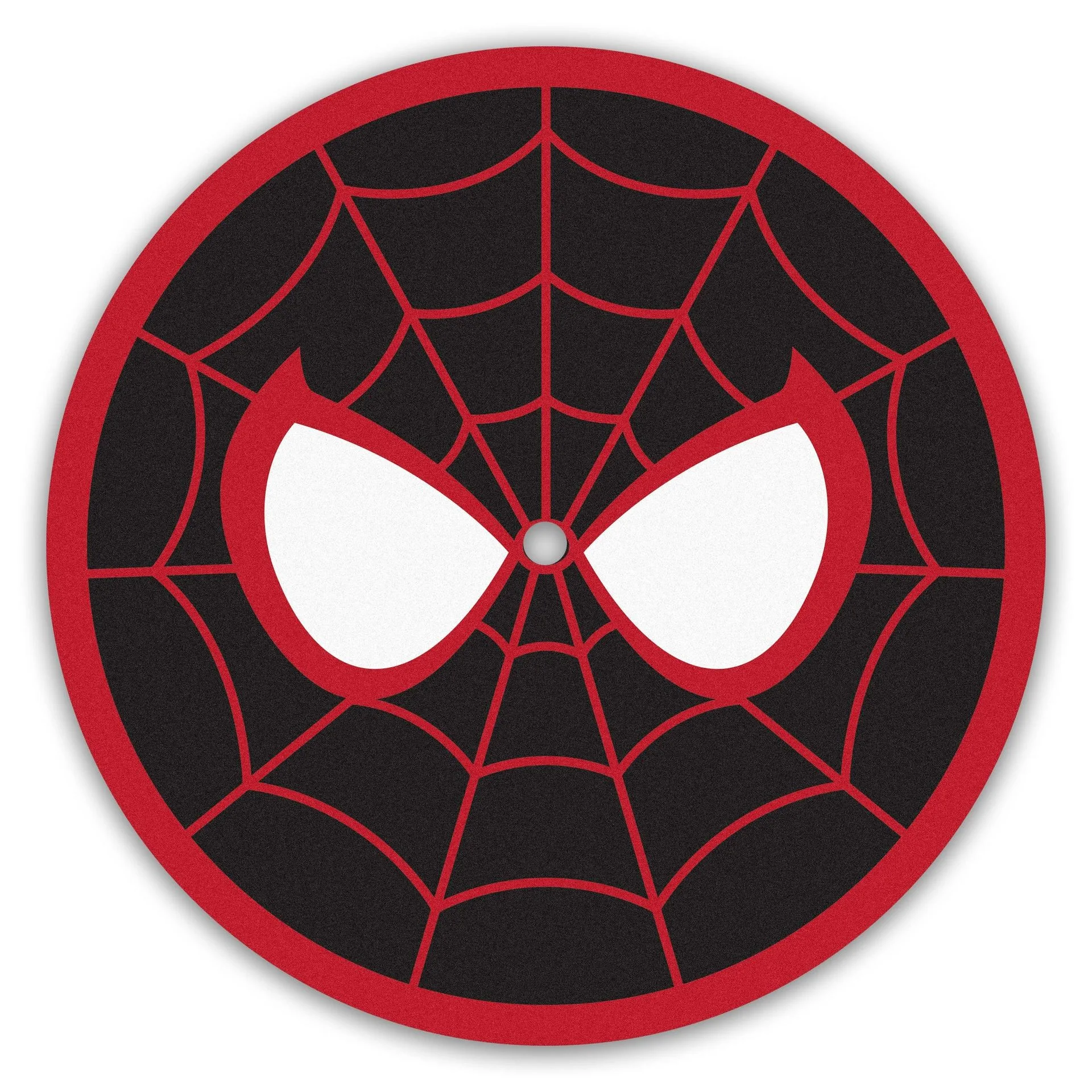
Miles Morales Slip Mat
-
Halloween Slip Mat: Double-sided felt mat featuring pumpkin-themed artwork by Gary Pullin. Lets you switch between two seasonal designs while keeping the same slip properties, ideal for horror fans who want year-round Halloween vibes.

Halloween Slip Mat
-
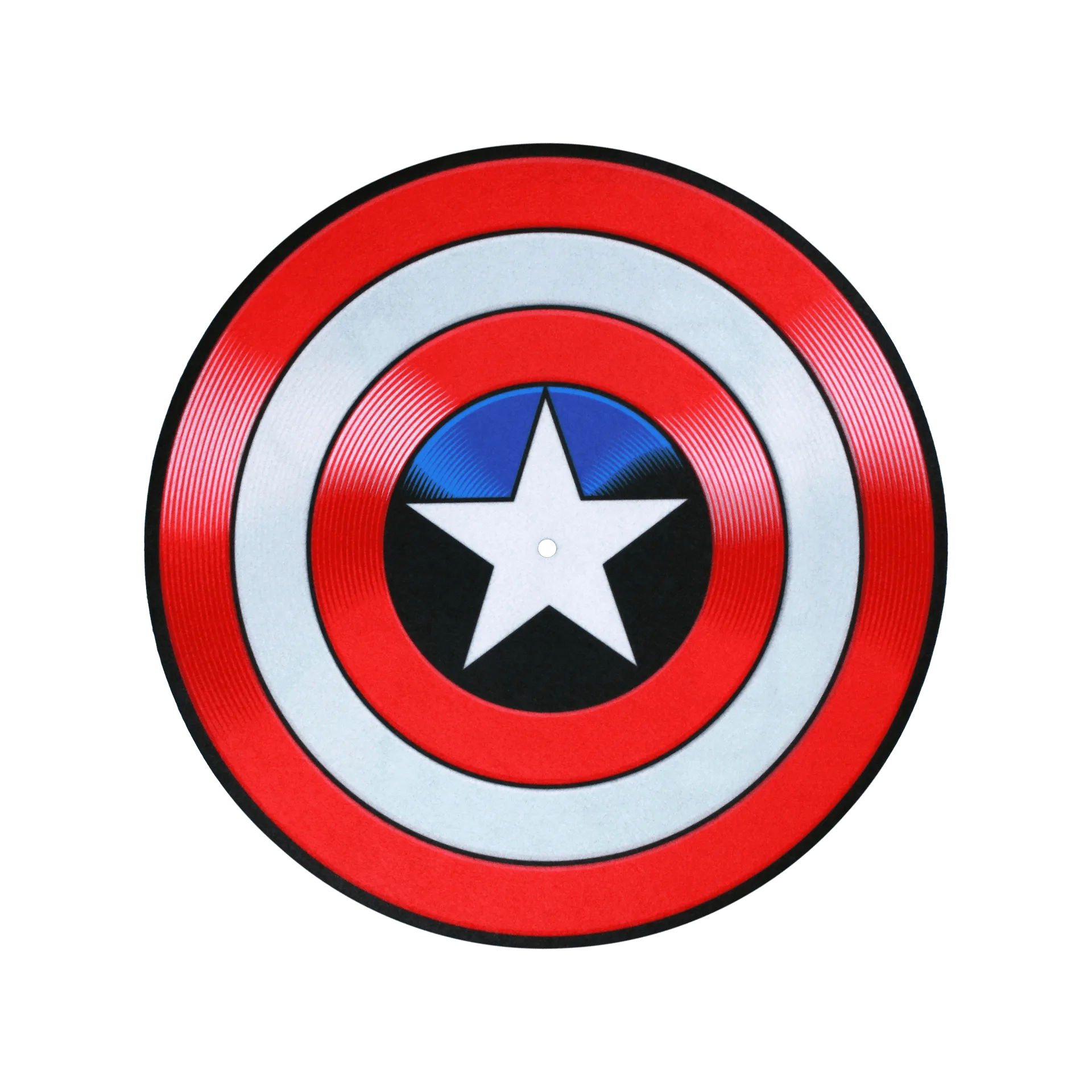
Avengers Slip Mat: 12-inch diameter dye sublimated double-sided felt with Captain America's shield on one side and Thanos on the reverse. Offers a collectible Marvel aesthetic and a practical dual-sided design, so you can flip the mat to match your mood or decor.