Quick answer
For daily use, choose a small backpack that fits your essentials without being bulky. Consider whether you need a hands-free sling style or a compact two-strap backpack based on your load and commute.
Size vs. Capacity: What Fits Your Day?
A small backpack for daily use should hold the items you carry every day without being too large or too small. Think about your phone, wallet, keys, a water bottle, a small tablet or book, and maybe a light jacket. A backpack with a capacity around 10-15 liters often fits this well. The Small Banbury Backpack is a good example of a compact two-strap style that can handle these essentials while keeping your hands free. If you carry less—just a phone, wallet, and a few small items—a sling backpack like the Lorman Sling Backpack might be more convenient because it stays close to your body and is easy to swing around for access.
Style and Comfort: Sling vs. Two-Strap
Your choice between a sling backpack and a traditional two-strap backpack depends on how you move through your day. A sling backpack, such as the Lorman Sling Backpack, is ideal for quick errands or urban commutes where you need to grab items often. It distributes weight across one shoulder, which is fine for light loads but can become uncomfortable if you carry heavier items. A two-strap backpack, like the Small Banbury Backpack, balances weight evenly across both shoulders, making it a better choice for longer walks or when you carry a bit more. Both styles offer fashion-forward flair, so the decision often comes down to how much you carry and how far you walk.
3 rules for choosing your daily small backpack
- Rule 1: Match capacity to your essentials: List what you carry daily. If it's just a phone, wallet, keys, and a small pouch, a sling backpack like the Lorman Sling Backpack works. If you also need a tablet, water bottle, or jacket, choose a compact two-strap backpack like the Small Banbury Backpack.
- Rule 2: Prioritize comfort for your commute: If you walk or take public transit for more than 30 minutes, a two-strap backpack distributes weight better. For short walks or car trips, a sling backpack is fine.
- Rule 3: Consider access style: Sling backpacks let you swing the bag to your front for quick access without taking it off. Two-strap backpacks require you to remove them to access contents. Choose based on how often you need to grab items.
Product highlights
-
Lorman Sling Backpack: The Lorman Sling Backpack is designed for urban commutes, outdoor excursions, travel, and everyday use. Its sling design keeps essentials close and accessible, perfect for quick trips where you don't want a full backpack.
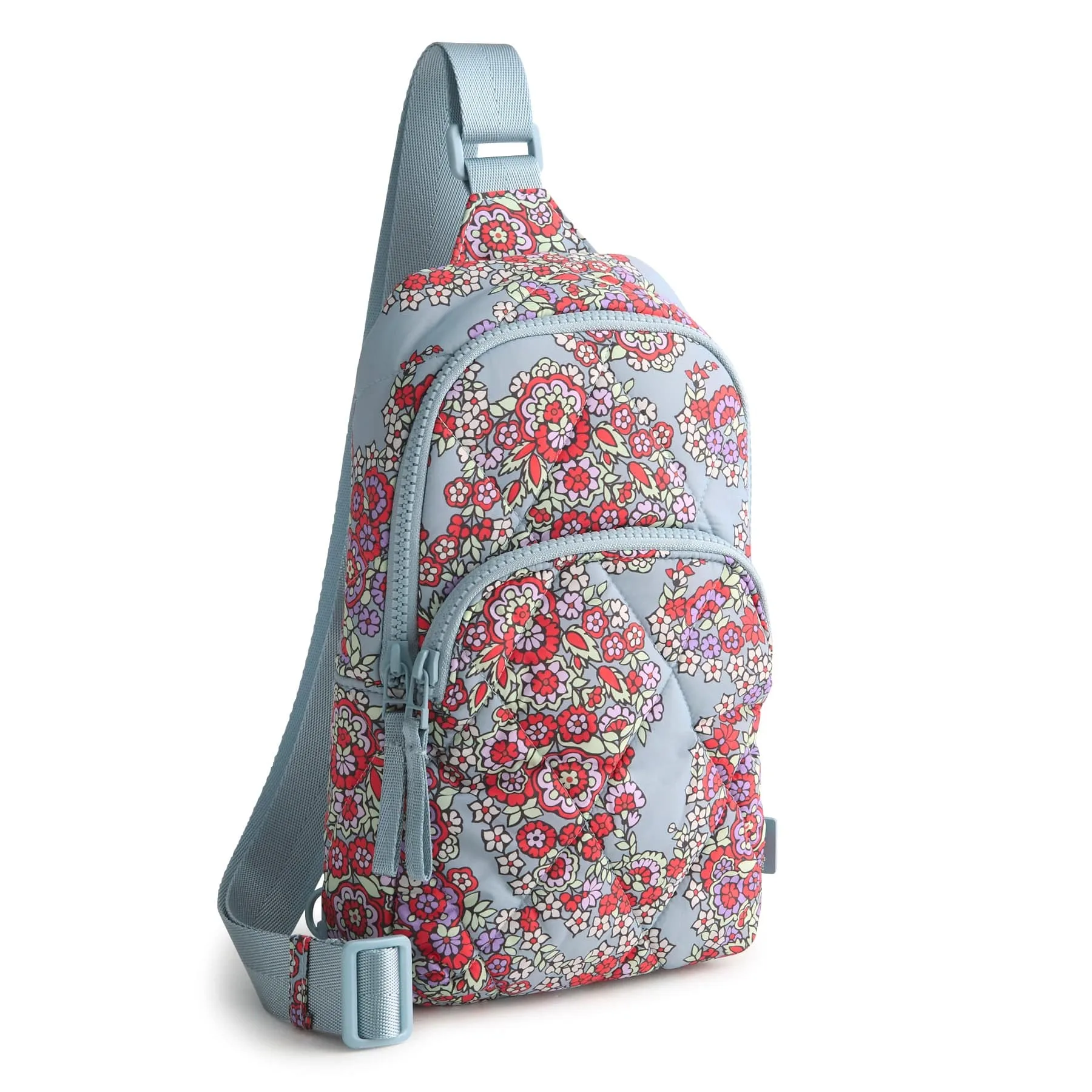
Lorman Sling Backpack
-
Small Banbury Backpack: The Small Banbury Backpack offers a compact size that carries your essentials while keeping your hands free. It provides balanced comfort for longer daily use, such as commuting or running errands, without being bulky.
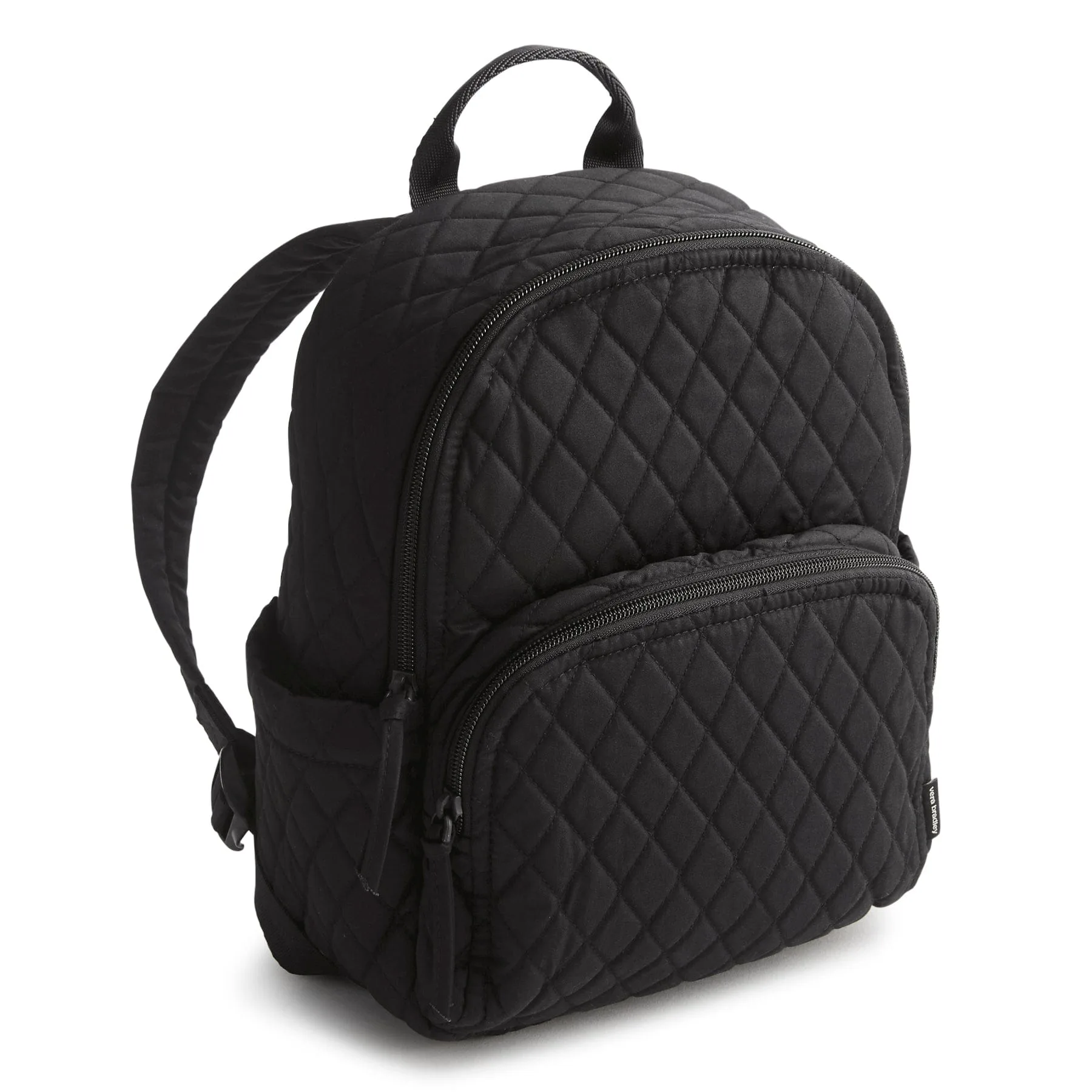
Small Banbury Backpack
Which one fits you?
Best for
- Commuters who walk or take transit and need balanced weight
- Users who carry a phone, wallet, keys, and a tablet or light jacket daily
Not for
- Those who need to carry a laptop or heavy books—look for a dedicated laptop backpack
- People who prefer a single-strap bag for heavy loads—sling backpacks are best for light items