Quick answer
Choose a snow helmet by fit first, then decide whether you want MIPS, then confirm it works with your goggles. Measure your head in centimeters, try the helmet with the goggles and any thin beanie you actually ride in, and prioritize a snug, pressure-free fit over brand or color. If you ride hard, ride often, or want extra protection against angled impacts, a MIPS snow helmet is worth the upgrade.
Start with fit, not features
A helmet only protects you if it stays in place. Measure the circumference of your head about 2.5 cm above your eyebrows, then compare that number to the helmet's size chart. Every brand fits differently, so treat the chart as a starting point, not a guarantee. A helmet should feel snug all the way around without creating a pressure point on your forehead or temples. If you can tilt it forward over your eyes or slide it side to side more than a little, it is too loose. If it gives you an instant headache, it is too small or the wrong shape for your head.
- Measure in centimeters, not hat size, for the most accurate match.
- Wear the same thin liner or beanie you plan to ride in during the try-on.
- Check that the helmet sits level, not tipped back like a beanie.
What MIPS actually does for you
MIPS stands for Multi-Directional Impact Protection System. It is a low-friction layer inside the helmet that allows the shell to rotate slightly relative to your head during certain angled impacts. That rotation is intended to reduce the amount of rotational force transferred to your brain. It is not a guarantee against injury, and it does not replace good fit or smart riding. But if you are choosing between two helmets that both fit well, a MIPS snow helmet is a reasonable upgrade for riders who spend a lot of days on the hill or ride aggressively. If you only go a few times a season on gentle terrain, a well-fitting non-MIPS helmet can still be a solid choice.
- MIPS adds cost, so decide if the extra protection matters for how you ride.
- Fit and coverage still matter more than any single feature.
- Replace any helmet after a hard impact, MIPS or not.
Goggle compatibility: the fit detail people skip
Goggle compatibility is about how the helmet's front brim and the goggle frame meet. The goal is a seamless seal with no gap on your forehead and no pressure that pushes the goggles down your nose. Bring your goggles when you try on a helmet, or check the helmet's stated goggle compatibility if you are buying online. A helmet with a adjustable visor or a brim that sits slightly higher often works with a wider range of goggle shapes. If the goggle frame is wider than the helmet opening, you will feel pressure at the temples. If the helmet brim is too low, the goggles will sit too high and let cold air in.
- Test with your actual goggles, not a store pair.
- Look for a gap-free seal between the goggle foam and your forehead.
- Adjustable visors help fine-tune the goggle-to-helmet interface.
Ventilation, weight, and the features worth paying for
Ventilation matters more than most people expect. Fixed vents are fine for cold, dry days, but adjustable vents let you dump heat on a spring tour or a humid storm day. Weight matters if you are carrying the helmet in a pack or wearing it for long tours. Audio-ready ear pads and a goggle strap clip are convenience features, not safety features, so do not let them drive your decision. If you tour, check whether the helmet is compatible with your headlamp strap. If you ride lifts, prioritize warmth and a reliable goggle fit over ultralight construction.
- Adjustable vents are worth it if you ride in changing conditions.
- Lighter helmets cost more but reduce neck fatigue on long days.
- Skip gimmicks and spend the budget on fit and impact protection.
Decision rules for buying a snow helmet
- If you ride 10+ days a season or ride aggressively: Choose a MIPS snow helmet that fits snugly and works with your goggles. The extra rotational protection is most relevant when you are pushing your limits. Prioritize MIPS and fit over color and brand.
- If you ride a few days a season on groomers: A well-fitting non-MIPS helmet with adjustable vents is usually enough. Spend the savings on good goggles that seal properly with the helmet. Fit and goggle seal matter more than MIPS at this level.
- If you have a rounder or more oval head shape: Try multiple brands before buying. Some helmets are rounder, some are more oval, and no size chart captures that difference. Never buy a helmet that creates pressure points, even if the size is correct.
- If you wear a beanie under your helmet: Size up only if the beanie is thin and the helmet still sits level. A thick beanie can lift the helmet and break the goggle seal. Test the exact liner you will ride in.
- If you are buying online: Check the return policy and measure your head twice. Order two sizes if you can, keep the one that fits, and return the other. A helmet that does not fit is not a bargain at any price.
Gear that supports a better helmet setup
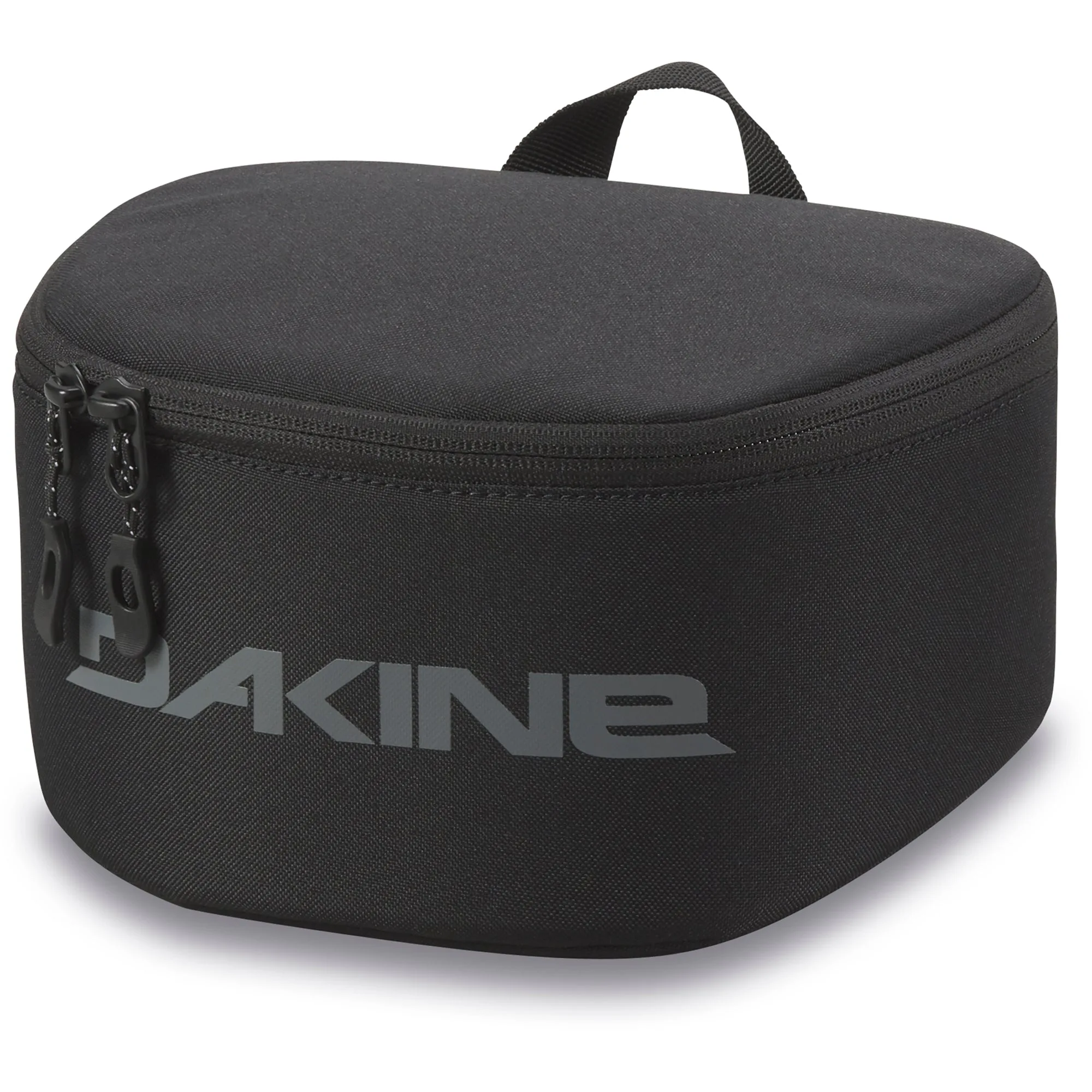
- Goggle Stash - Black: The Goggle Stash is a padded goggle case with extra storage and a built-in pouch for moisture-absorbing desiccant pouches, sized to handle large frameless styles. Keeping goggles dry and protected between days helps preserve the foam seal and lens clarity, which directly affects how well they pair with your helmet.
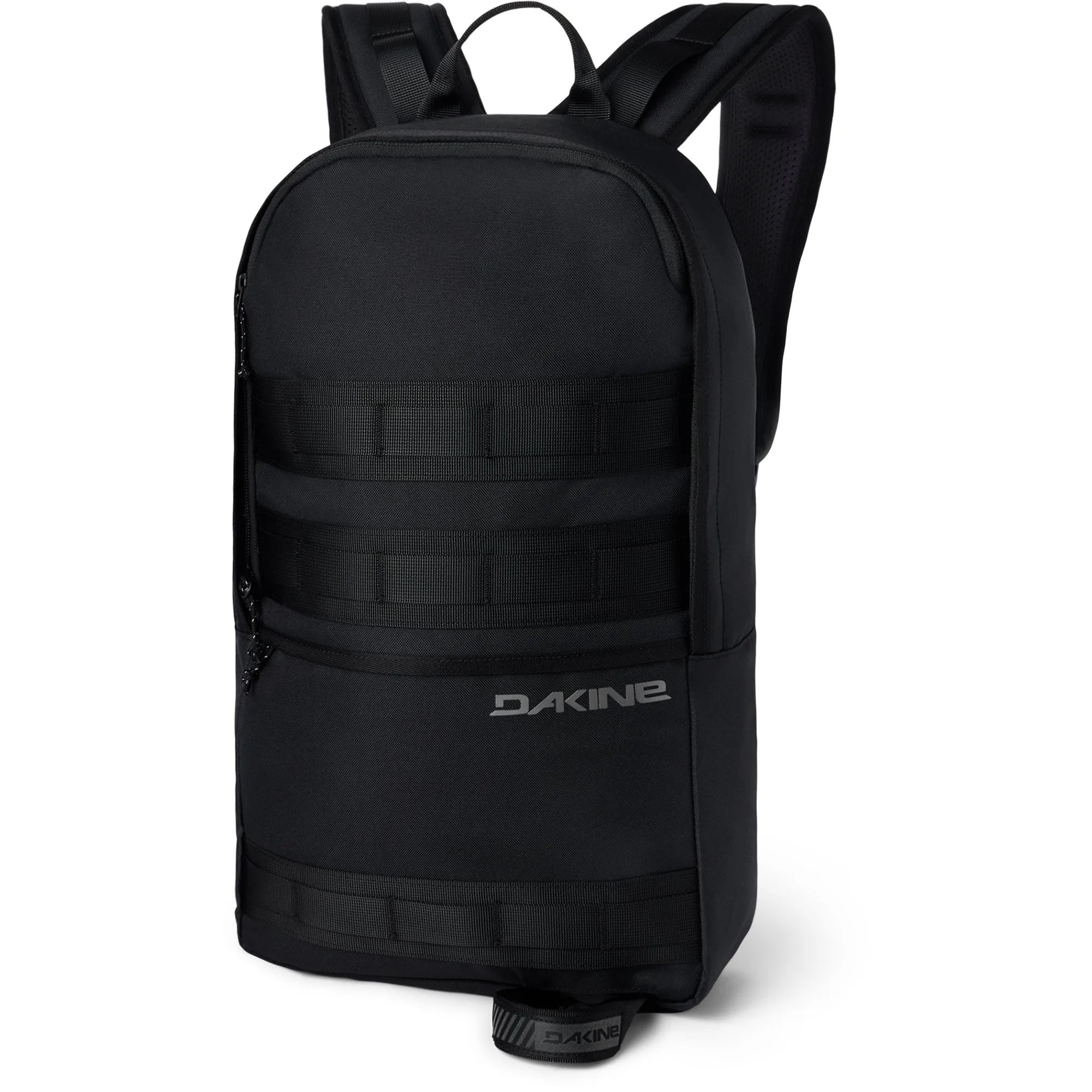
- 96 Heli Street Backpack 22L: The 96 Heli Street Backpack 22L is a lifestyle snow backpack inspired by the original '96 Heli silhouette, reimagined with everyday features. A 22L pack gives you a place to carry goggles, a spare lens, and layers without strapping gear to your helmet, so your helmet stays clean and your goggle fit stays consistent.
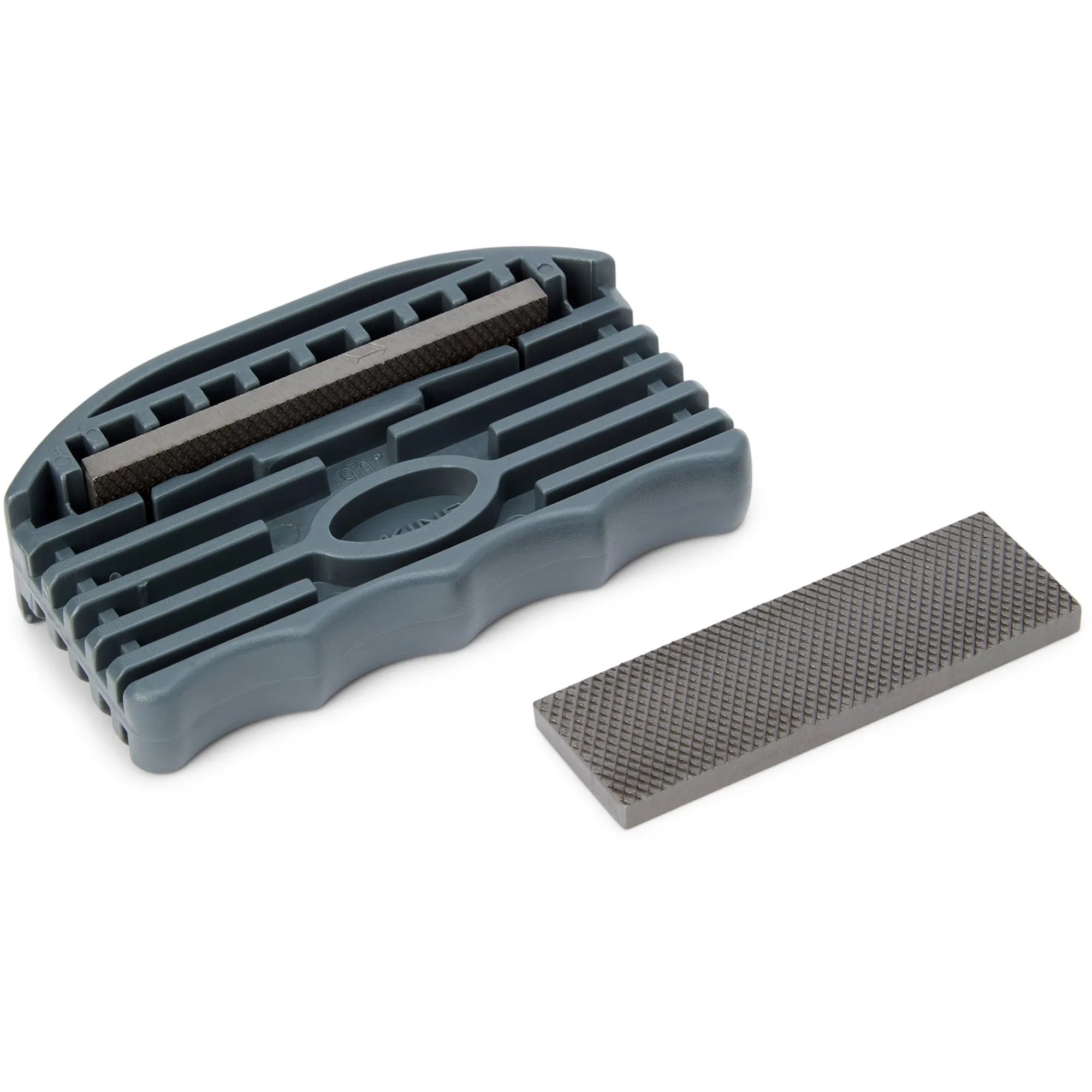
- Edge Tuner Tool - Castlerock: The Edge Tuner Tool has two angle settings, 0 degrees for soft or normal snow and 2 degrees for more hold in hard, icy conditions, and a two-sided file for aggressive or fine tuning. Sharp edges make your snowboard or skis respond predictably, which reduces the sudden catches that lead to falls and helmet impacts.
Who this snow helmet advice is for
Best for
- Skiers and snowboarders buying their first or next helmet
- Riders who want a MIPS snow helmet and need help choosing size and goggle compatibility
- Parents fitting helmets for kids who wear goggles
Not for
- Riders looking for a bike or skate helmet, which has different impact standards
- Anyone who needs a custom-fitted medical or adaptive helmet