Quick Answer
For day trips, choose a lightweight pack between 15-30 liters with dedicated tool storage and hydration compatibility. For multi-day tours, you need a larger pack (40-60 liters) with enough room for overnight gear, plus features like sleeping bag straps and easy access to safety tools. Prioritize fit and adjustability over extra features you won't use.
Whether you're heading out for a quick dawn patrol or planning a multi-day backcountry expedition, the right snowboard backpack can make or break your day. It's not just about carrying your gear—it's about having quick access to your shovel and probe, staying comfortable on the skin track, and keeping your essentials organized. This guide breaks down the key differences between day trip and multi-day packs to help you choose the right one for your riding style.
We'll cover capacity, features, and fit, and we'll highlight some Dakine options that suit different needs. Remember, the best backpack is the one that fits your body and your specific adventures.
Capacity: How Much Space Do You Really Need?
The most obvious difference between day trip and multi-day snowboard backpacks is capacity. Day trip packs typically range from 15 to 30 liters, which is enough for a shovel, probe, extra layers, snacks, water, and a small first aid kit. They're designed to be lightweight and streamlined so they don't slow you down on the lift or the skin track.
Multi-day packs start around 40 liters and go up to 60 liters or more. This extra space is needed for a sleeping bag, tent, stove, food, and other overnight gear. While you might not need all that space every day, having it allows you to extend your adventures and stay safe in the backcountry. Consider a pack with external straps to carry a sleeping bag or tent to maximize space.
Key Features: What to Look For
Both day trip and multi-day packs should have dedicated compartments for your shovel and probe. Look for a pack with a separate avalanche tool pocket so you can grab your gear quickly in an emergency. Also, consider hydration compatibility—a reservoir sleeve and hose port are essential for staying hydrated on long tours.
For day trips, a compact design with a helmet carry, goggle pocket, and ski or snowboard carry straps adds convenience. For multi-day tours, look for additional features like a removable daypack, sleeping bag compartment, and multiple access points to help organize your gear. Some packs also offer back protection or airbag system compatibility, which adds weight but provides extra safety.
Fit and Comfort: The Most Important Factor
A backpack that doesn't fit well will be uncomfortable and can throw off your balance, especially when skiing or boarding. Fit involves torso length, hip belt placement, and shoulder strap adjustment. Many packs come in different sizes or have adjustable torso lengths, so make sure to measure your torso and try on the pack with weight in it.
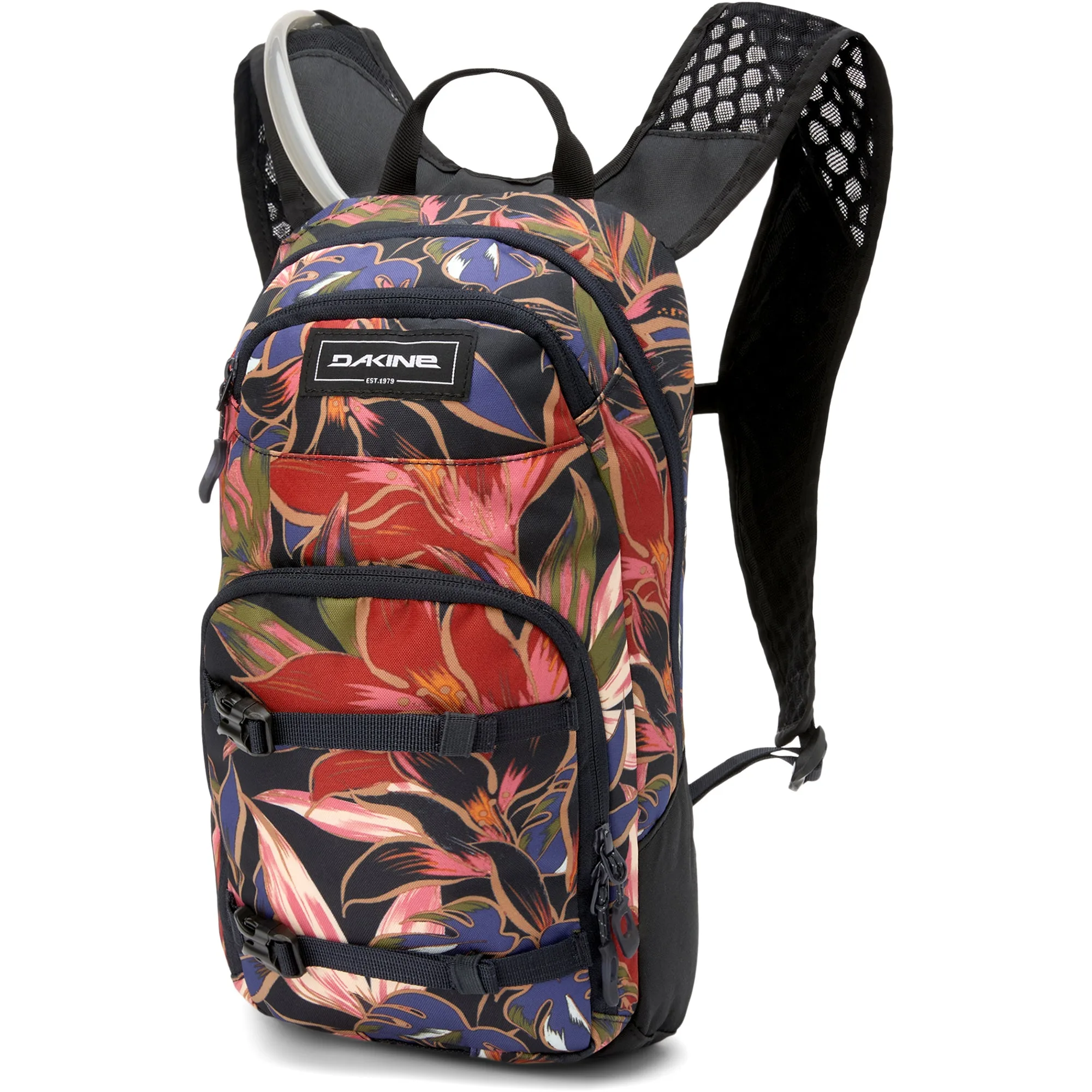
Women's specific packs often have shorter torso lengths and narrower shoulder straps, which can provide a better fit for many women. For example, the Dakine Women's Session Backpack 8L is designed with a women's specific fit to ensure minimal shifting and even weight distribution. A well-fitted pack should feel stable and comfortable even when fully loaded.
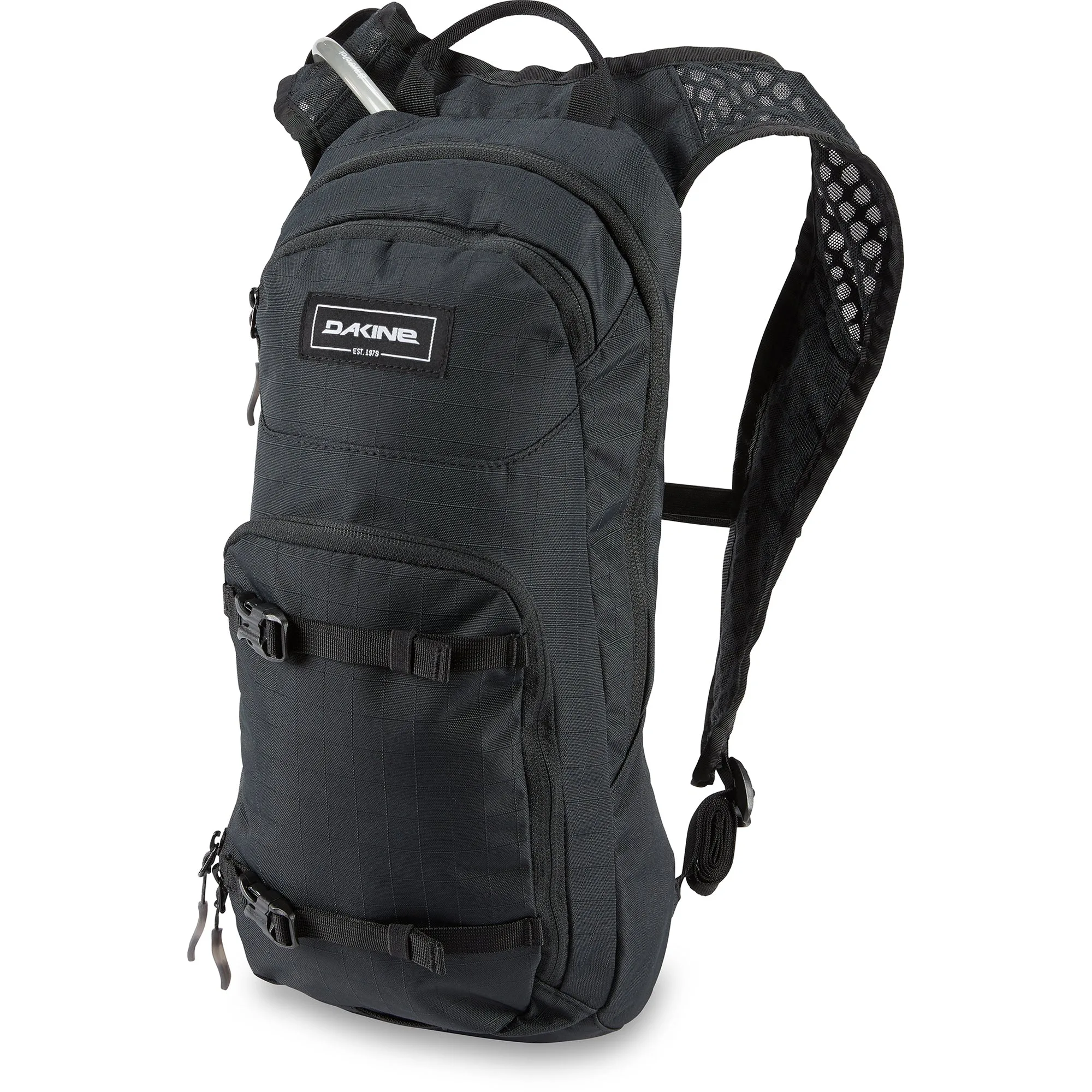
Session Backpack 8L
Day Trip vs. Multi-Day: Which Is Right for You?
If you mostly ride at the resort and occasionally venture into the backcountry for a few hours, a day trip pack is your best bet. It's lighter, more streamlined, and easier to manage on the mountain. If you're planning overnight trips or week-long hut tours, you'll need a multi-day pack that can carry all your gear.
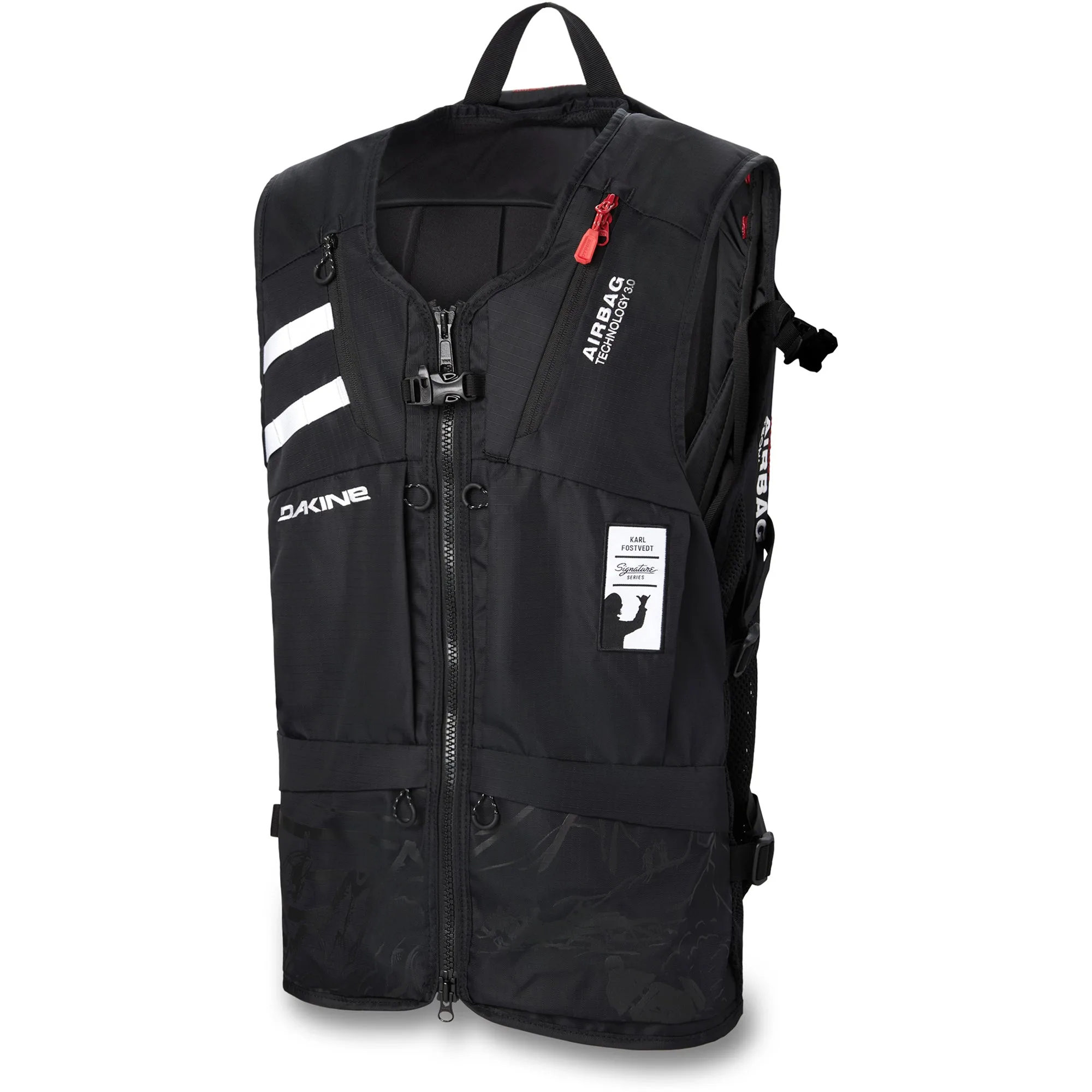
Some riders prefer a vest-style pack for day trips because it distributes weight differently and keeps tools accessible. The Dakine Team Poacher RAS Vest is a good example of a technical vest that carries backcountry tools without a backpack. Consider your specific needs and comfort preferences when making a choice.
Decision Rules for Choosing Your Snowboard Backpack
- Day Trips (1 day): Choose a pack between 15-30 liters with a dedicated avalanche tool pocket, hydration compatibility, and a streamlined design. Look for features like helmet carry and ski/snowboard carry straps for convenience. Prioritize lightweight and compact designs that don't hinder movement.
- Multi-Day Tours (2+ days): Select a pack of 40 liters or more with sleeping bag straps, multiple access points, and enough space for overnight gear. Consider a removable daypack for side trips. Ensure the pack has sufficient capacity and organization for extended trips.
- Fit and Comfort: Measure your torso length and try on packs with weight. Look for adjustable torso lengths, hip belts that sit on your hips, and shoulder straps that don't dig in. Women's specific packs can offer a better fit for many women. A well-fitted pack is crucial for comfort and safety; never compromise fit for features.
- Alternative: Vest-Style Packs: If you prefer a vest for day trips, choose one with dedicated tool storage and a secure fit. Vests distribute weight differently and can be more comfortable for some riders. Consider a vest if you want easy access to gear without a bulky backpack.
Relevant Dakine Products
- Womens Session Backpack 8L: A women's specific lightweight 8-liter bike hydration backpack. The women's specific fit ensures minimal shifting and evenly distributed weight, while the breathable air flow back panel and shoulder straps keep you cool. This pack is a good example of a small, lightweight option for day trips or resort riding where you need just the essentials. Its women's specific fit helps prevent shifting, which is crucial for comfort and safety.
- Team Poacher RAS Vest X Karl Fostvedt: A vest is an efficient and comfortable way to carry all your backcountry snow tools and safety equipment without a backpack. Highly technical yet masked in timeless style. For riders who prefer a vest over a traditional backpack, this option offers a different way to carry gear. It's designed for efficiency and comfort, making it a great alternative for day trips.
Fit Guidance and Trade-offs
Best For
- Day trip snowboard backpack: Riders who stick to the resort or short backcountry tours and want a lightweight, streamlined pack.
- Multi-day snowboard backpack: Backcountry enthusiasts planning overnight or multi-day tours who need to carry camping gear.
Not For
- Day trip packs are not for overnight trips – you won't have enough space for a sleeping bag and tent.
- Multi-day packs are not for pure resort riding – they're heavy and cumbersome for lift-accessed terrain.
Choosing between a day trip and multi-day snowboard backpack comes down to the length of your adventures and the gear you need to carry. Focus on capacity, essential features, and a proper fit. Whether you opt for a compact day pack or a large expedition pack, the right choice will keep you comfortable, organized, and ready for whatever the mountain throws at you.