Quick Answer
For most homes, a double-walled stainless steel dog bowl with a non-slip base is the best choice—it's durable, easy to clean, and resists rust and bacteria better than plastic or ceramic.
Why Material Matters
Stainless steel is a popular choice because it's non-porous, so it won't harbor bacteria like plastic can. It's also more durable than ceramic, which can chip or crack if dropped. Stainless steel bowls are typically dishwasher-safe, making cleanup a breeze.
Plastic bowls can be lightweight and cheap, but they scratch easily, creating grooves where bacteria can hide. Ceramic bowls are heavy and stable, but they can break and may contain lead in glazes if not food-safe. Stainless steel offers the best balance of safety, durability, and ease of care.
Size and Capacity Considerations
Choosing the right size bowl depends on your dog's breed, eating habits, and whether you're serving food or water. A bowl that's too small means refills throughout the day; one that's too large encourages overeating or spills.
For water, a larger capacity reduces how often you need to refill, especially for bigger dogs. For food, match the bowl size to your dog's typical portion to avoid waste. Consider a slow feeder insert if your dog eats too quickly.
Stability and Non-Slip Features
A non-slip rubber bottom keeps the bowl in place while your dog eats or drinks, reducing mess and preventing the bowl from sliding across the floor. This is especially useful for enthusiastic eaters or dogs that push their bowls around.
Double-walled construction adds insulation, keeping water cooler and food at a more consistent temperature. It also adds weight, making the bowl more stable without being too heavy to lift and clean.
Decision Rules: How to Choose Your Bowl
- Material: Choose stainless steel for durability and hygiene. Avoid plastic if your dog chews or scratches the bowl. Ceramic is fine but check for chips and ensure it's food-safe. Inspect the bowl regularly for damage and replace if worn.
- Size: Match the bowl size to your dog's weight and portion. A 16 oz bowl holds up to 2 cups of kibble or water, suitable for small to medium dogs. For larger dogs, consider a bigger capacity or multiple bowls. If you have a growing puppy, size up as they grow.
- Stability: Look for a non-slip rubber bottom to prevent sliding. Double-walled construction adds stability and insulation. If your dog is a messy eater, a heavier bowl reduces spills. Place the bowl on a mat to protect floors and further reduce movement.
- Cleaning: Choose a bowl that is dishwasher-safe for easy cleaning. Stainless steel is non-porous and resists bacteria. Avoid bowls with crevices or seams where food can get trapped. Wash the bowl daily to prevent bacterial buildup.
Product Spotlight
-
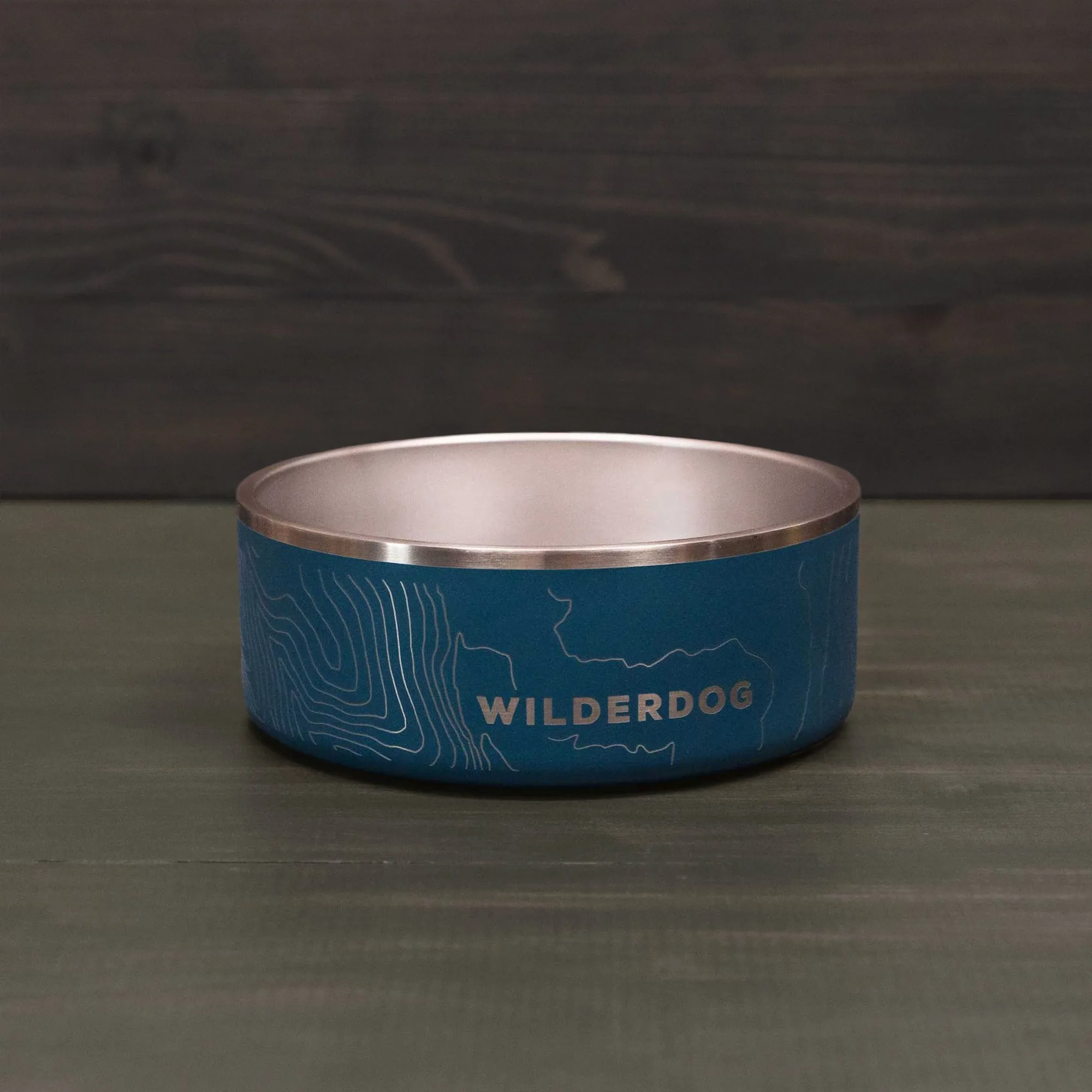
Stainless Steel Dog Bowl: The Wilderdog Stainless Steel Dog Bowl is double-walled 304 stainless steel with a non-slip rubber bottom, is BPA-free, and rust resistant. This means the bowl stays put during mealtime, resists rust for long-term durability, and is safe for your dog's health.
Stainless Steel Dog Bowl
Who Should Choose What
Best for
- Households with active or messy dogs that need a stable, spill-resistant bowl
- Owners who prioritize easy cleaning and long-term durability
Not for
- Dogs that are aggressive chewers and may dent metal bowls (consider heavy-duty ceramic instead)
- Owners who prefer lightweight, portable bowls for travel (look for collapsible or silicone options)