Quick answer
Measure your wrist snugly with a soft tape, then add about half an inch for a comfortable stretch bracelet fit. A stretch bracelet should slide on without tugging and sit close to the wrist without leaving deep marks. If you are between sizes, size up rather than down, because the elastic needs room to move.
A stretch bracelet is one of the easiest pieces of jewelry to wear, but only when it fits. Too tight and it digs in; too loose and it slides over your hand. The good news is that choosing the right fit takes about two minutes and one measurement.
This guide walks through how to choose a stretch bracelet using a simple wrist measurement, then explains the trade-offs between a close fit and a relaxed fit. You will also see how details like bead size and row count change the feel, using real examples from the Boscov's jewelry and apparel selection.
Measure your wrist the right way
Wrap a soft measuring tape around your wrist just below the wrist bone, where you would normally wear a bracelet. Keep it snug but not tight, and note the number in inches. If you do not have a soft tape, wrap a strip of paper or a piece of string around your wrist, mark where it overlaps, and measure that length against a ruler.
Measure at the end of the day rather than the morning. Wrists can swell slightly during the day, and a bracelet that feels fine at 8 a.m. may feel tighter by evening. For the most accurate result, measure twice and use the larger number.
- Measure below the wrist bone, not over it.
- Keep the tape snug, not tight.
- Round up to the nearest quarter inch.
Turn your wrist measurement into a bracelet size
For a stretch bracelet, add roughly half an inch to your wrist measurement. A 6-inch wrist generally fits a 6.5-inch bracelet comfortably, and a 6.5-inch wrist fits a 7-inch bracelet. This allowance gives the elastic room to stretch over your hand without staying stretched out afterward.
If you prefer a loose, bangle-like feel, add three-quarters of an inch instead. If you want a close, secure fit that stays near the wrist, stay closer to the half-inch allowance. The key is that the bracelet should pass over your hand with light resistance, not a hard pull.
- Snug fit: wrist measurement plus 0.5 inch.
- Relaxed fit: wrist measurement plus 0.75 inch.
- Never size down for stretch styles.
Check the stretch construction before you buy
Not all stretch bracelets are built the same way. A single-row stretch bracelet with small beads feels lighter and more delicate, while a multi-row design covers more of the wrist and can feel more substantial. The Rosa Rhinestones 2-Row Stretch Bracelet uses a two-row stretch construction, which spreads tension across more elastic and can feel more secure than a single thin strand.
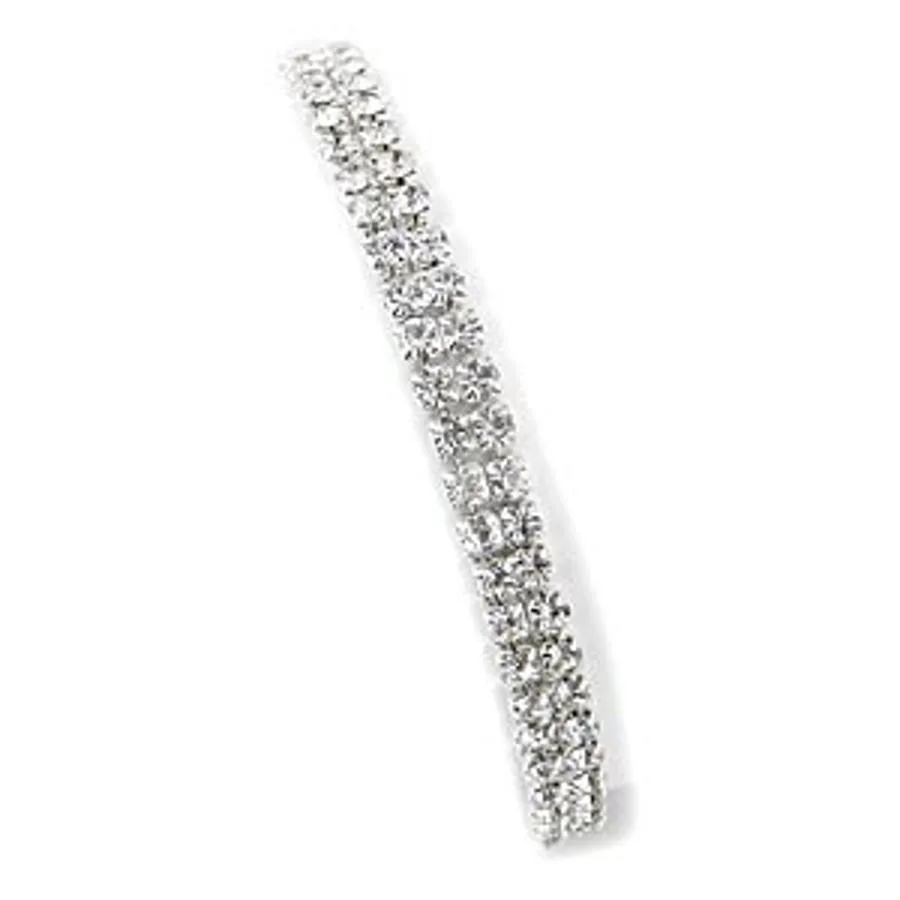
Rosa Rhinestones 2-Row Stretch Bracelet
Look at the material description too. Genuine Austrian crystal accents and rhinestone detailing add sparkle but also add a little weight, which affects how the bracelet sits. A heavier bracelet may rotate on a very loose wrist, so a closer fit works better for embellished styles.
- Two-row stretch spreads tension and feels more stable.
- Heavier embellished styles fit best when worn close.
- Check the material list for crystal or rhinestone weight.
Match the fit to how you will wear it
A stretch bracelet you wear all day at a desk should fit closely so it does not slide and clack against a keyboard. A bracelet you wear over a long sleeve or with a watch can sit a bit looser. If you plan to stack several bracelets, keep each one close-fitting so they do not tangle or stretch each other out.
Think about the occasion as well. Everyday wear favors a snug, low-profile fit, while dressy looks can handle a slightly looser bracelet that moves with your wrist. The same bracelet can work for both if you choose a middle-ground size.
- Desk and everyday wear: choose the closer fit.
- Stacking: keep every bracelet close-fitting.
- Dressy wear: a slightly looser fit is fine.
Fit mistakes that shorten a bracelet's life
The most common mistake is choosing a bracelet that is too small. A bracelet that has to stretch hard to get over your hand stays under tension all day, and that constant pull is what wears out elastic. Choosing the right size is the single biggest thing you can do to make a stretch bracelet last.
The second mistake is ignoring how you put it on. Rolling a stretch bracelet over your hand instead of pulling it straight on reduces strain on the elastic. If you already own a stretch style, our guide on caring for stretch bracelets covers washing, storage, and when to retire a stretched-out piece.
- Too-small bracelets stay under tension and wear out faster.
- Roll the bracelet on; do not pull it hard.
- Replace a bracelet once the elastic stays stretched out.
Decision rules for choosing your stretch bracelet size
- If your wrist measures 6 inches or less: Choose a bracelet around 6.5 inches, or a two-row stretch style that sits close without tugging. Size up, never down.
- If your wrist measures 6.5 to 7 inches: Choose a bracelet around 7 to 7.5 inches. A two-row stretch design like the Rosa Rhinestones 2-Row Stretch Bracelet works well here because the extra row adds stability. Aim for a half-inch allowance.
- If you plan to stack bracelets: Keep every bracelet in the stack close-fitting so they do not slide over each other and stretch out. Close fit prevents tangling.
- If the bracelet is heavily embellished: Choose a closer fit. Crystal and rhinestone details add weight, and a loose heavy bracelet rotates and catches on sleeves. Weight needs a snug fit.
- If you are between two sizes: Pick the larger size. Elastic that is slightly relaxed lasts longer than elastic that is always stretched. When in doubt, size up.
Product facts that affect fit
- Rosa Rhinestones 2-Row Stretch Bracelet: Two-row stretch construction with a silver-tone finish and genuine Austrian crystal accents. The two-row design distributes stretch across more elastic, so it tends to feel more secure and is a good choice if you want a close-fitting, sparkly everyday bracelet.
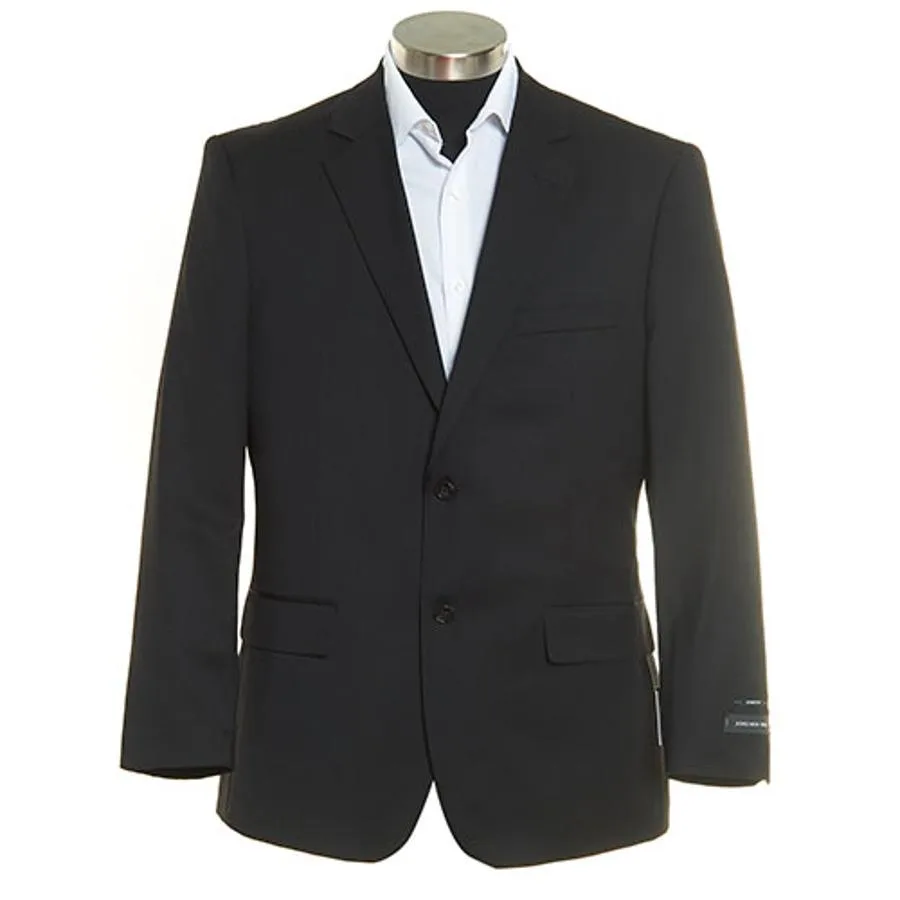
- Mens Jones New York Suit Solid Stretch Jacket: Stretch texture woven jacket in 52% wool, 44% polyester, and 4% spandex; dry clean only. The same stretch principle applies to clothing: a little spandex adds give, but the garment still needs the right size. If you are shopping for a bracelet to wear with a suit, a close fit keeps it from catching on a sleeve.
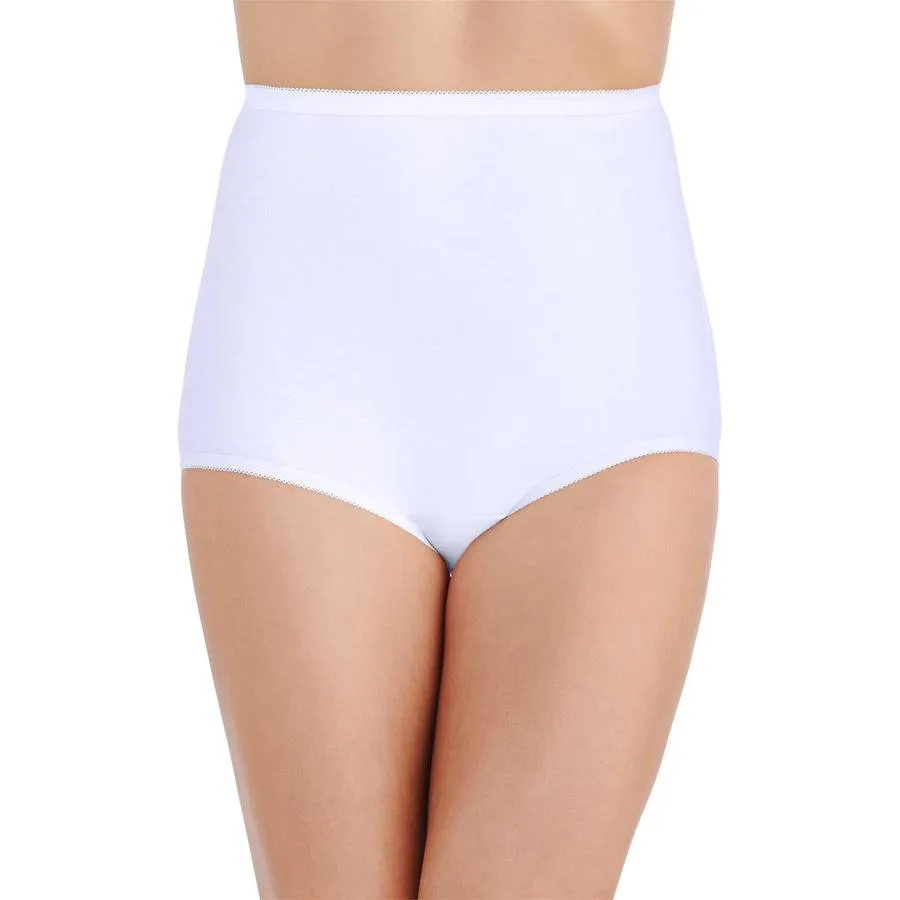
- Womens Vanity Fair® Tailored Cotton Brief Panties 15318: 100% cotton brief with a full-coverage, high-waist design and comfortable elastic around the legs and waistband. It is a reminder that elastic comfort depends on fit, not just material. The same logic applies to a stretch bracelet: the right size keeps elastic comfortable instead of binding.
Who this fit advice is for
Best for
- Shoppers buying their first stretch bracelet and unsure what size to order
- Anyone who wants an everyday bracelet that stays put without pinching
- People stacking several bracelets who need each piece to fit closely
Not for
- Shoppers looking for a rigid bangle or a clasp bracelet, which use different sizing rules
- Anyone who wants a very loose, dangling bracelet that moves freely up the arm
Measure your wrist snugly, add about half an inch, and choose the larger size when you are between options. A stretch bracelet that fits correctly slides on easily, stays close, and keeps its elastic longer, so you get more wear from every piece you buy.