Quick answer
Choose the pin you'll actually wear or display: decide the size first, then the metal and backing, then the design. If it has to survive daily wear, prioritize a secure backing and a finish that hides scratches; if it's going straight into a case, design and size matter more than hardware.
Size decides where the pin can live
Size is the first decision because it determines what the pin can attach to. A small pin sits comfortably on a lapel, collar, or lanyard without pulling the fabric, while a larger pin reads clearly from a distance and works better on a jacket back, bag, or display board.
Measure the space before you buy. A pin that's too large for a lapel will droop or rotate; one that's too small on a backpack disappears into the fabric texture.
Metal finish and enamel type change how the pin ages
Soft enamel fills recessed areas and leaves the metal lines raised, which gives a textured, slightly dimensional look. The trade-off is that raised metal edges can catch on fabric and show wear sooner than a smooth, polished surface.
Metal color also affects how the artwork reads. Silver and black metals frame bright colors differently, so match the metal to the design's mood rather than defaulting to one finish for every pin.
Backing type is the difference between keeping and losing a pin
A single post with a clutch backing is the standard for small, light pins. A double post adds stability and stops larger pins from spinning on a jacket or bag, which matters most for pins over roughly two inches.
If you wear pins on outerwear you take on and off, check the backing before you commit. A pin that rotates constantly will eventually work its way loose.
Licensed and character pins: buy the design, not the logo
For character pins, the artwork and the artist matter more than the franchise name. A strong design holds up on a jacket years later; a generic logo pin often ends up in a drawer.
If you're building around a specific character or property, decide whether you want one standout piece or a themed set. Buying one well-made pin beats accumulating several forgettable ones.
Decision rules for your next pin purchase
- If you wear it daily: Choose a pin under about 1.5 inches with a single post and clutch backing so it stays put on a lapel or lanyard without weighing down the fabric. Check the clutch tension before first wear; a loose backing is the most common reason a daily pin goes missing.
- If it goes on a jacket or bag: Choose a pin around 2 inches or larger with a double post. The second post stops rotation and distributes weight so the pin hangs straight.
- If it's for display only: Prioritize artwork and size over backing hardware. A display board or case holds the pin flat, so a single post is fine even on larger designs.
- If you're buying a character or licensed pin: Judge the design first and the franchise second. Pick a pin whose artwork you'd still like without the logo attached. Set a one-pin-per-character rule if you tend to buy duplicates.
- If you're unsure between two pins: Buy the smaller one for wear and the larger one for display. Size is the hardest thing to work around after purchase.
Two pins that show the size and hardware trade-offs
-
Mister Sinister Enamel Pin: A 1.4-inch soft enamel pin with a single post on silver metal and a silver clutch backing. The compact size and single post suit lapels, collars, and lanyards where a larger pin would feel heavy.
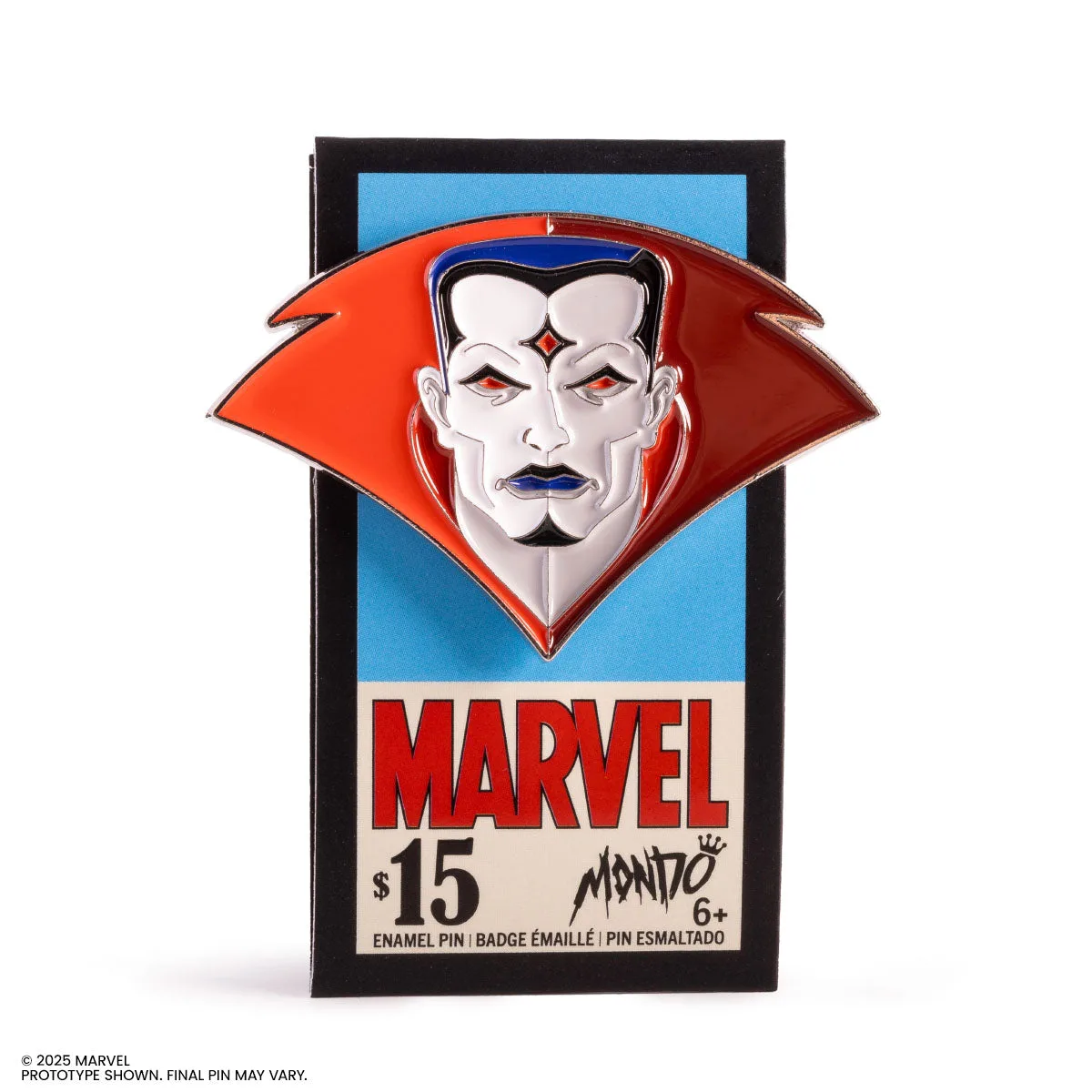
Mister Sinister Enamel Pin
-
Mondo Record Breaker Enamel Pin: A roughly 2.5-inch soft enamel pin with a double post on black metal and a silver clutch backing. The larger size and double post keep it stable on jackets, bags, and display boards where a single post would let it rotate.
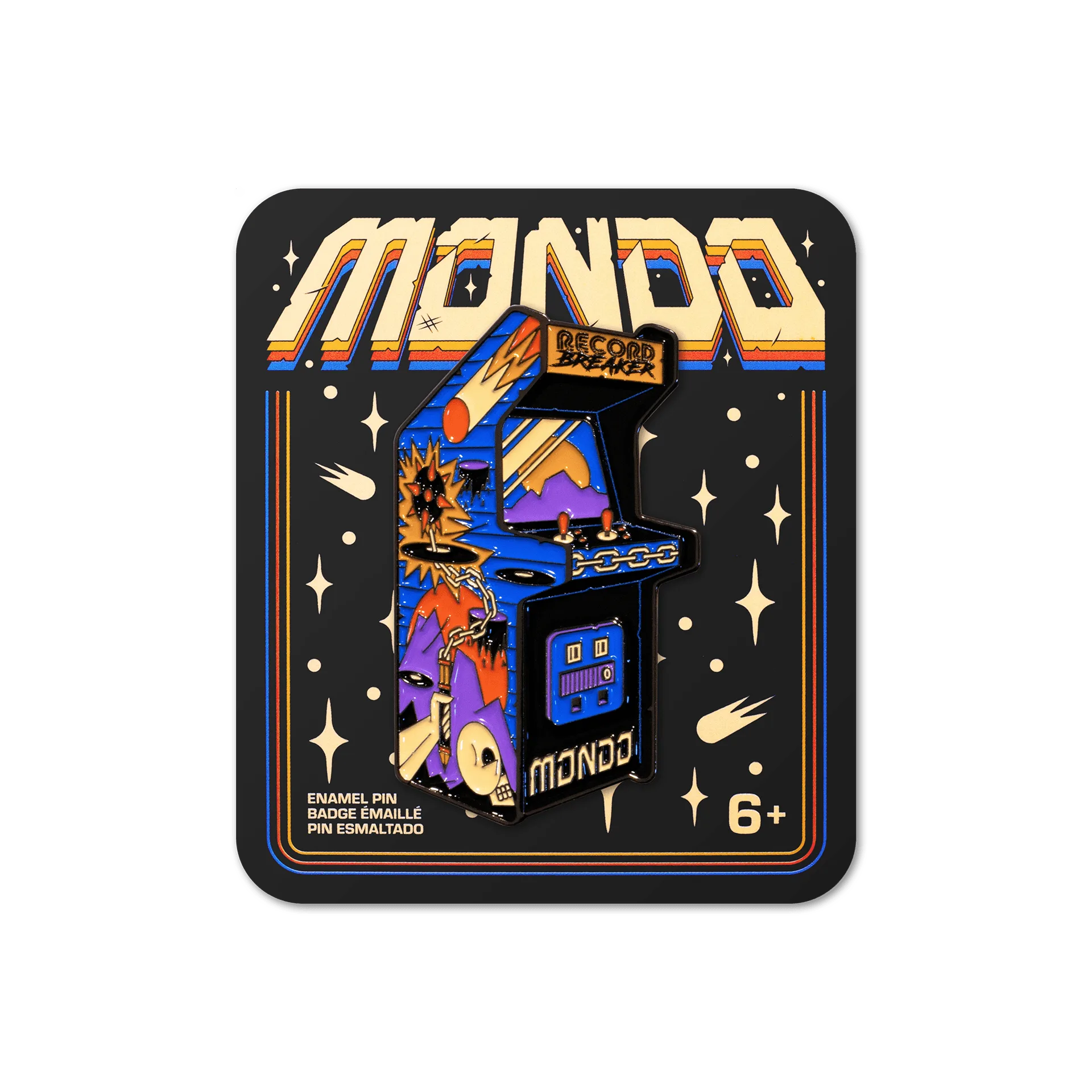
Mondo Record Breaker Enamel Pin
Who this approach fits
Best for
- First-time buyers choosing a single pin to wear regularly
- Collectors who want a repeatable rule for size, metal, and backing
- Gift buyers who need a pin that suits a specific jacket, bag, or lanyard
Not for
- Shoppers researching resale value or investment potential
- Buyers looking for a full catalog history of a specific pin line