Quick answer
To choose an imperfect gemstone pendant, focus on the type and location of the flaw, how it affects the stone's durability and appearance, and whether the imperfection adds character or compromises the piece for your intended use.
Understanding Imperfections: Inclusion vs. Shape vs. Banding
Imperfect gemstones can have inclusions (internal flaws), surface irregularities, or natural variations like banding. Each type affects the stone's look and toughness differently. A pinpoint inclusion on the underside of a quartz, for example, is often invisible when worn and doesn't weaken the stone. A shallower stone may sit closer to the setting, changing the pendant's profile. Natural banding can create a subtle, unique pattern that some find beautiful.
Trade-Offs: Character vs. Perfection
Choosing an imperfect gemstone means accepting visible or near-visible flaws in exchange for a lower price and a truly one-of-a-kind piece. If you want a flawless, symmetrical gem, a perfect stone is the better choice. But if you value uniqueness and don't mind a small inclusion or a slightly different cut, an imperfect gem can offer great value and a story to tell.
Decision Rules for Choosing an Imperfect Gemstone Pendant
- Check the flaw's location: If the inclusion or imperfection is on the underside or edge of the stone, it will likely be hidden when the pendant is worn or set in a bezel. If it's on the face, it will be visible and become a design feature.
- Assess durability impact: Surface-reaching cracks or large inclusions can weaken the stone, making it more prone to chipping. Minor internal inclusions in hard stones like quartz typically don't affect durability for occasional wear.
- Decide on the aesthetic you want: If you want a subtle, almost-perfect look, choose a stone with a flaw that is hidden by the setting. If you want a conversation piece, pick a stone with a visible and interesting imperfection like banding or a unique color zone. Know your tolerance for visible flaws before you shop.
Product Examples
-
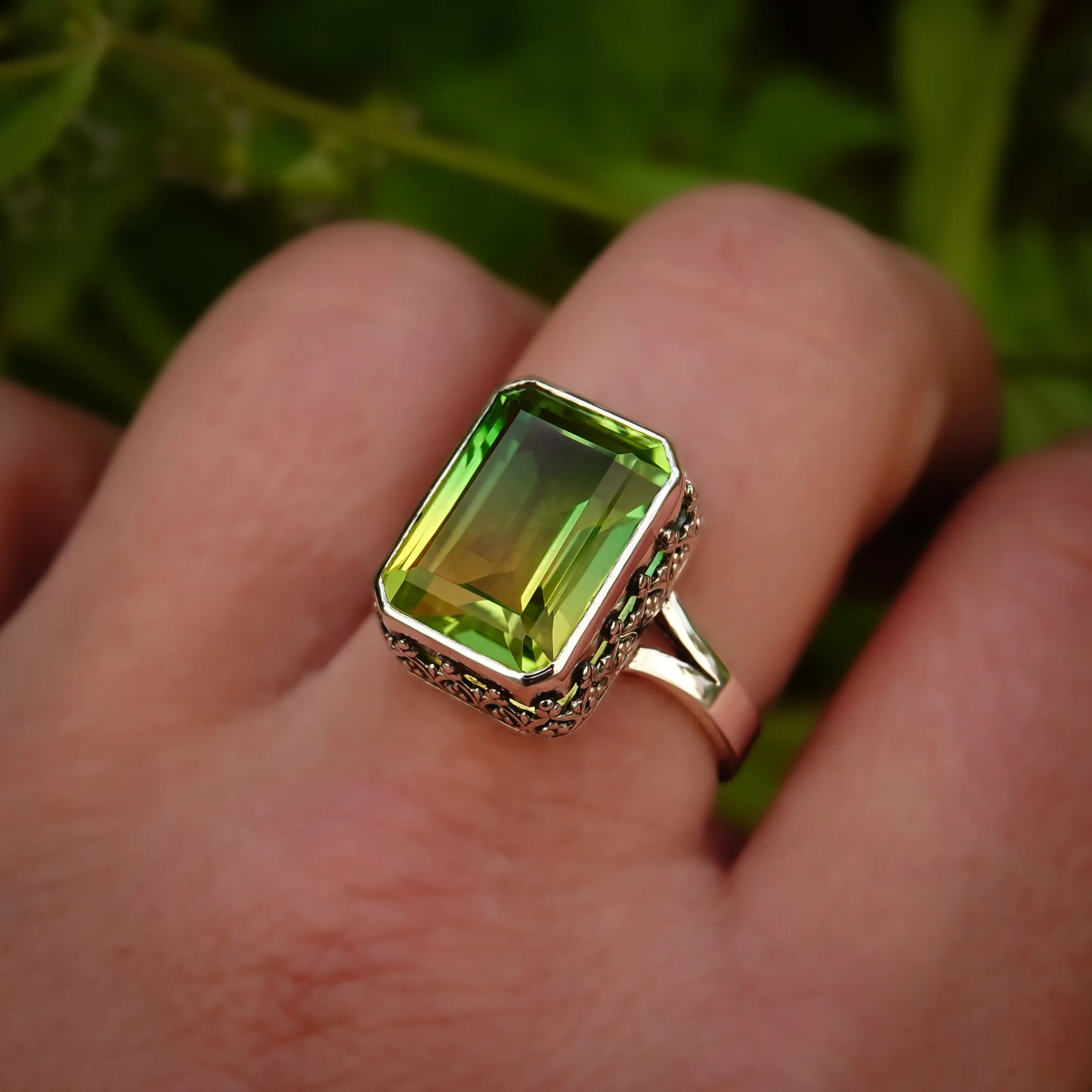
Imperfect Lemon & Lime Quartz Polaris – SOLD: Imperfect Lemon & Lime Quartz Polaris ring features a quartz with a pin prick inclusion on the underside, mostly covered by the setting but still slightly visible through the stone. This means the flaw is hidden during wear, making it an excellent choice if you want a unique stone without a noticeable imperfection.
Imperfect Lemon & Lime Quartz Polaris – SOLD
-
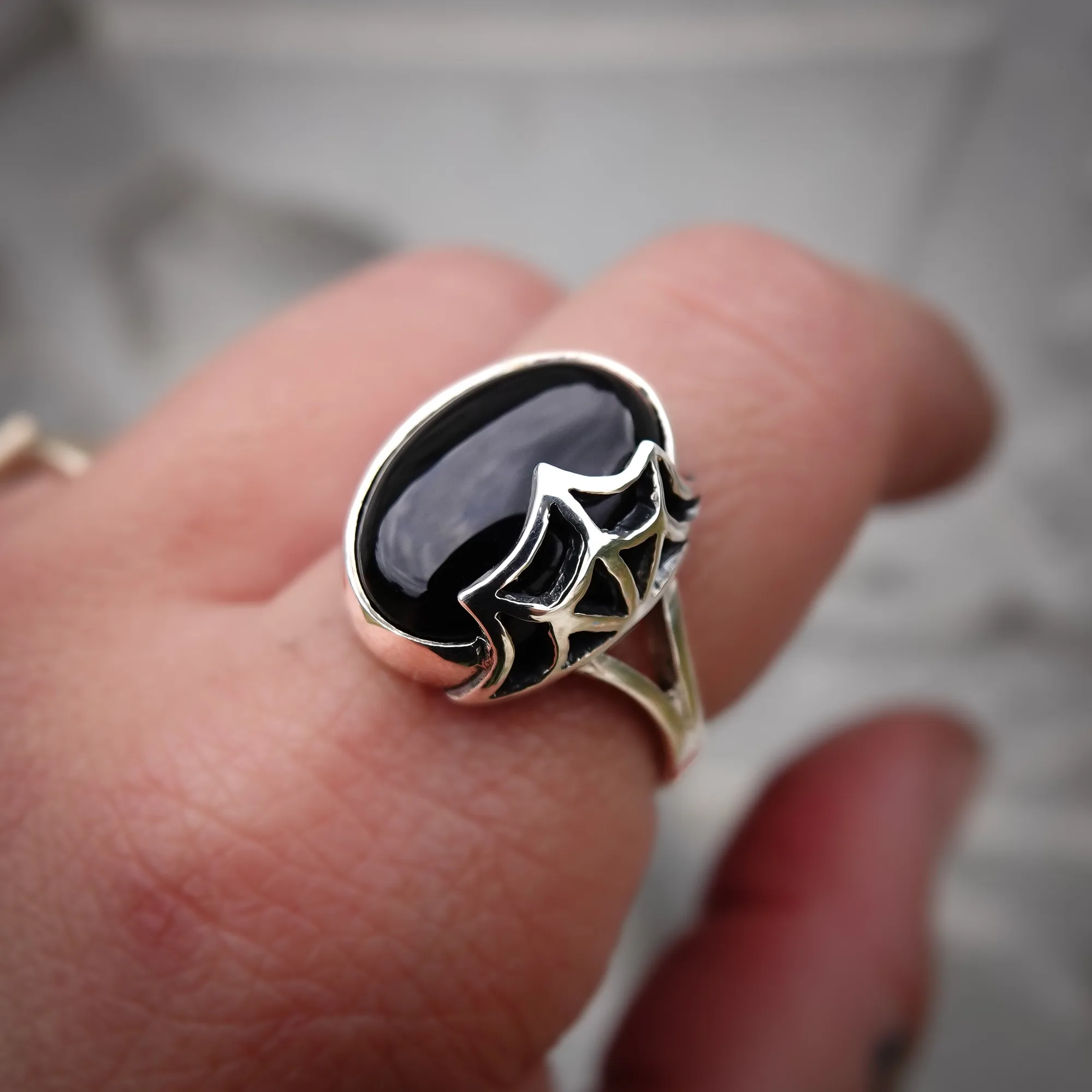
Imperfect Widow – SOLD: Imperfect Widow ring has an onyx that is slightly shallower than usual, causing the stone setting to sit less proud, with a light natural banding across the lower corner. The shallower stone creates a lower profile on the finger, which may be more comfortable for daily wear, while the banding adds a subtle, unique pattern.
Imperfect Widow – SOLD
Who Should Choose an Imperfect Gemstone Pendant?
Best for
- Buyers who want a unique, one-of-a-kind piece of jewelry at a lower price
- Collectors who appreciate natural gemstone variations and stories behind the flaws
Not for
- Those who demand a perfectly flawless, symmetrical gemstone
- Gift buyers who are unsure of the recipient's tolerance for visible imperfections