Quick Answer
For most home cooks, a sturdy, pointed oyster opener with a comfortable handle is the best choice. Choose a French-style blade if you prefer a longer, lever-like action, and a finer point if you often tackle stubborn shells.
Oyster Opener
Blade Shape and Length Matter
Oyster openers come in different blade profiles. A pointed, fine blade is ideal for piercing the hinge and prying open tight shells. A longer, sturdy blade, like the French style, gives you more leverage and can make opening oysters feel almost effortless.
Think about the types of oysters you usually buy. If they are large and tough, a longer blade helps. If you work with smaller or delicate oysters, a finer point gives you better control.
Handle Comfort and Grip
Shucking requires pressure and precision, so the handle should feel secure in your hand. Look for a handle that fits your grip size and provides enough traction, especially when your hands are wet.
A well-balanced tool reduces hand fatigue, especially if you open more than a dozen oysters at a time.
Price and Value
Oyster openers range from basic to premium. A higher-priced tool often uses better steel and construction, which can mean a sharper edge that lasts longer. But you don't need to overspend for occasional home use.
Consider how often you shuck. If it's a few times a year, a mid-range option may be enough. If it's a regular habit, investing in a quality tool pays off.
How to Decide: Your Oyster Opener Checklist
- Consider your oyster type: If you usually open large, tough oysters, choose a longer blade for leverage. For small or delicate oysters, a finer point offers more control. Match blade shape to the oysters you buy most often.
- Test the handle feel: Hold the opener and simulate a shucking motion. The handle should feel secure and comfortable, even with wet hands. Comfort prevents hand fatigue during longer shucking sessions.
- Balance price and frequency: If you shuck occasionally, a mid-priced opener is fine. If you shuck regularly, invest in a higher-quality tool for durability and edge retention. Your budget should reflect how often you'll use it.
WÜSTHOF Oyster Openers at a Glance
-
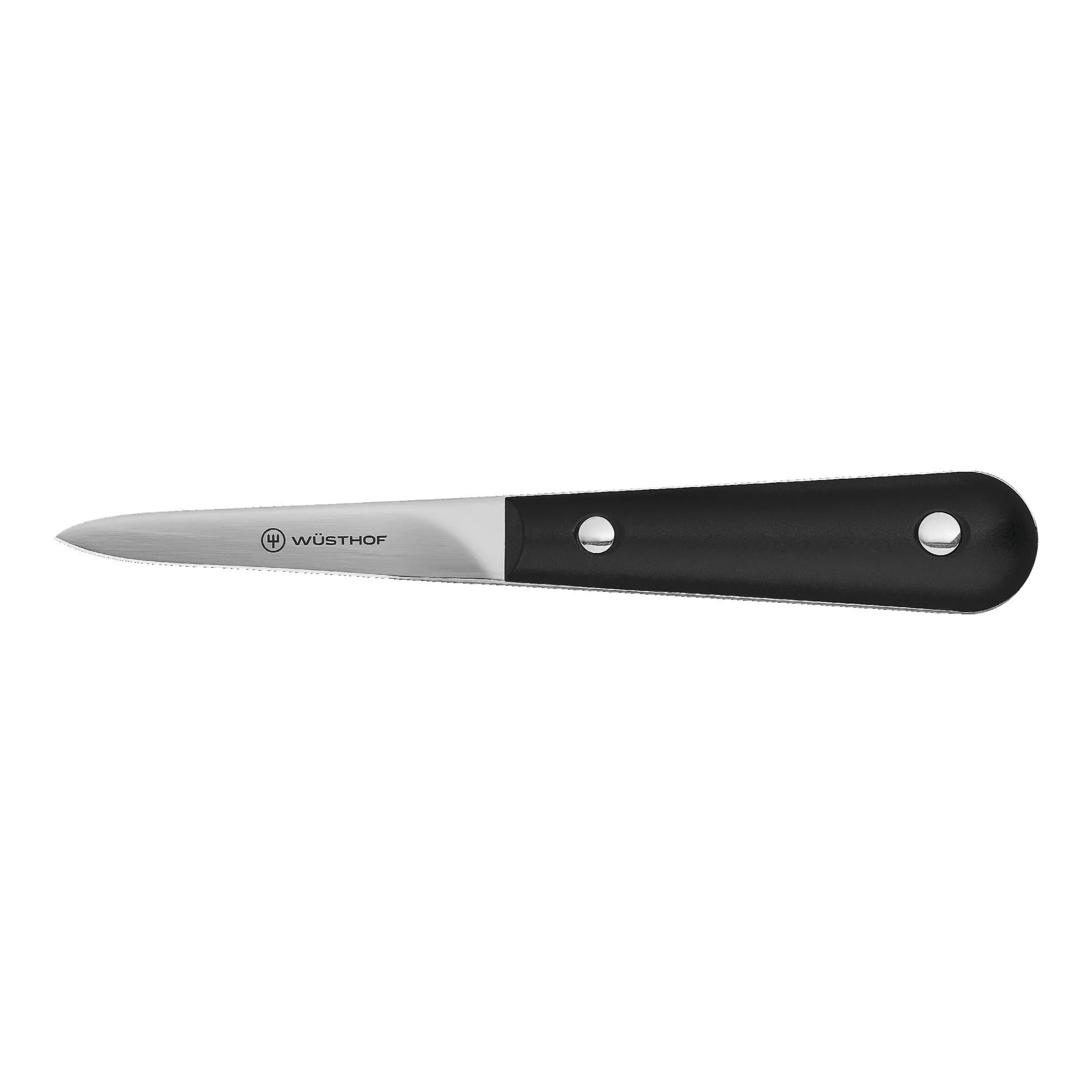
Oyster Opener: This oyster opener features a very fine and pointed blade that can open any shellfish, including other shellfish. The fine point gives you precise control for piercing tough hinges, making it a great all-around choice for home shucking.
Oyster Opener
-
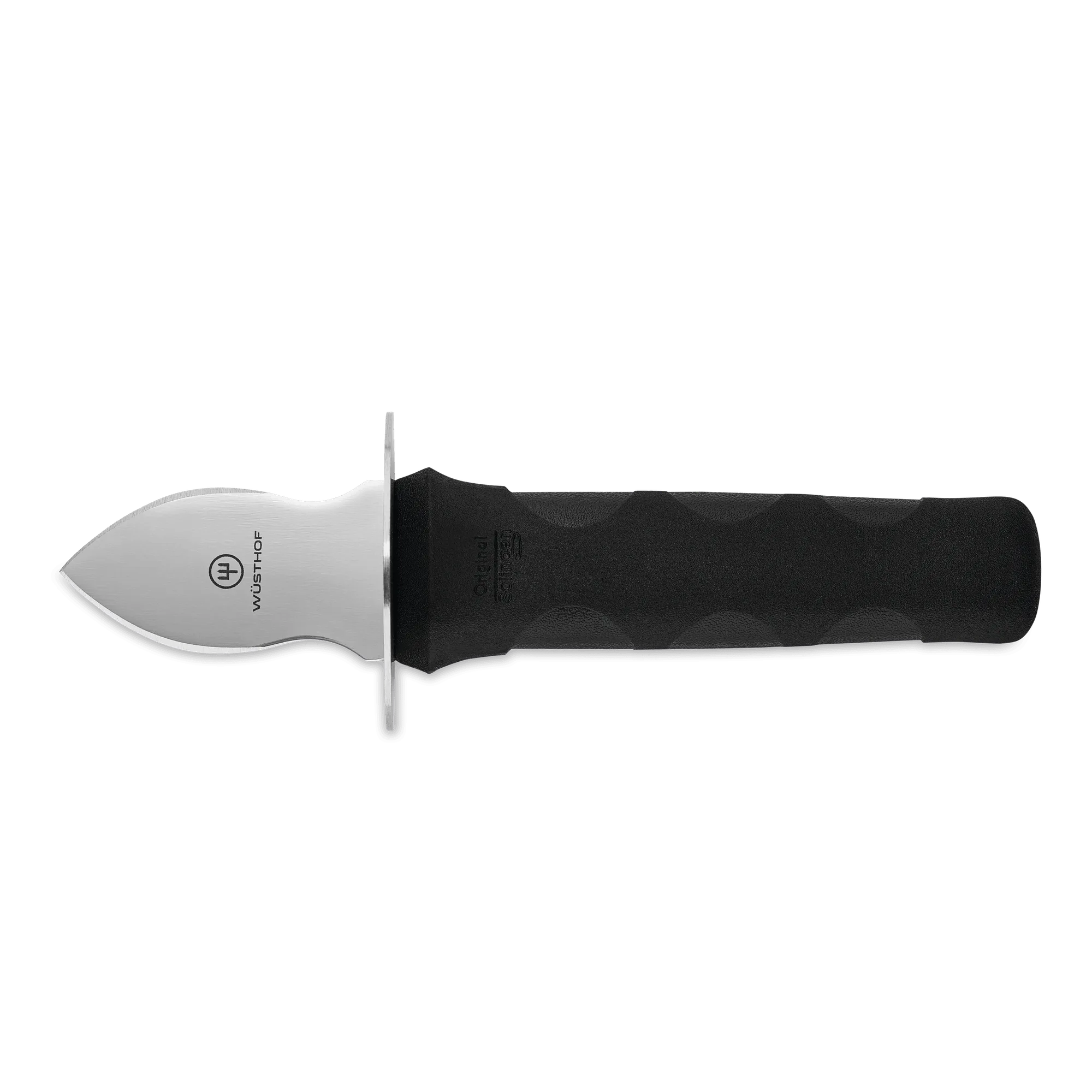
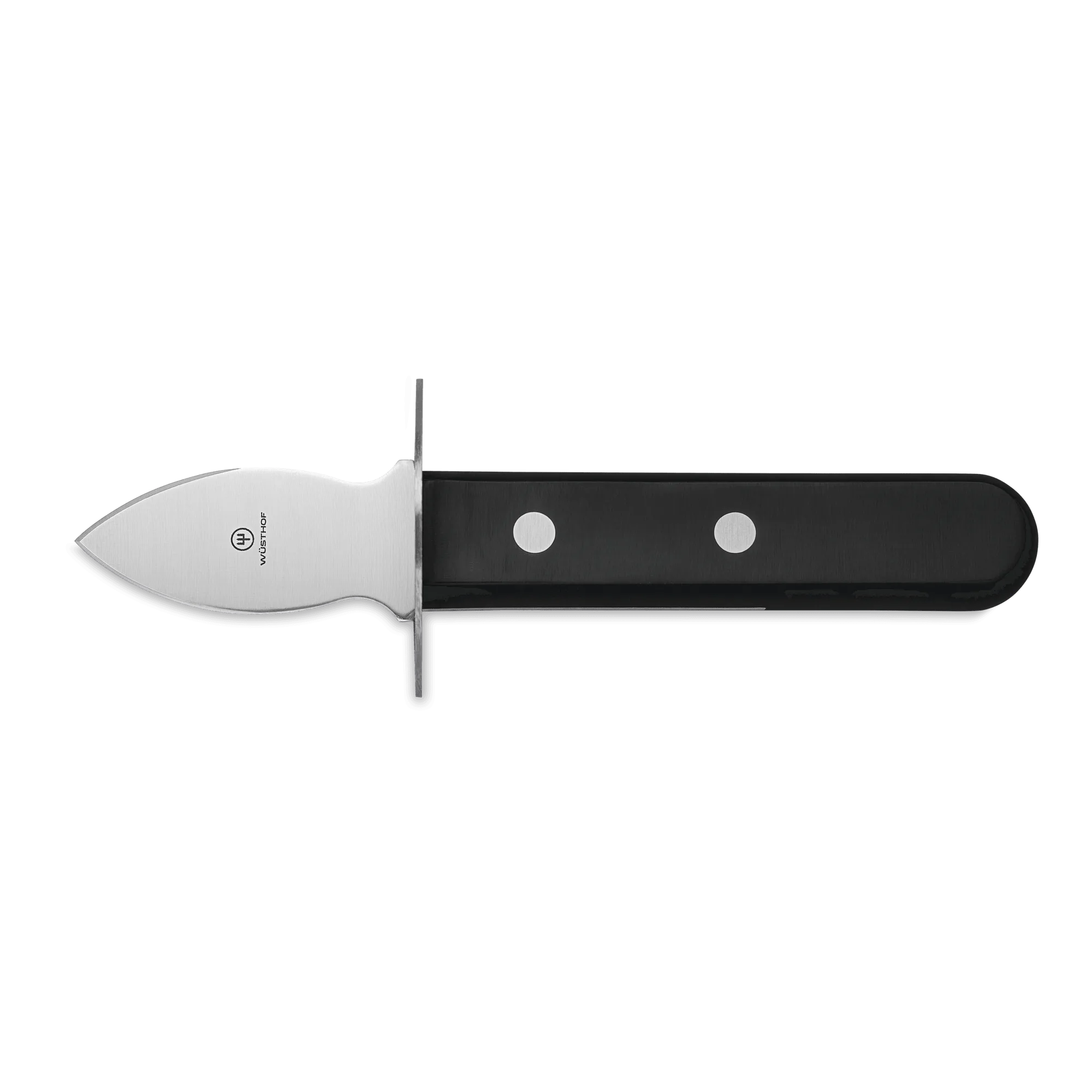
French Style Oyster Opener: The French Style Oyster Opener has a long, sturdy blade designed to open oysters without force. If you prefer a lever-like action that reduces effort, this longer blade helps you pry open shells more easily.
Who Should Choose Which
Best for
- Home cooks who want a versatile, pointed opener for various shellfish sizes
- Those who prefer a longer blade for easier leverage on tough oysters
Not for
- Professional shuckers who need a specialized, high-volume tool
- People who only eat oysters at restaurants and rarely shuck at home