Quick answer
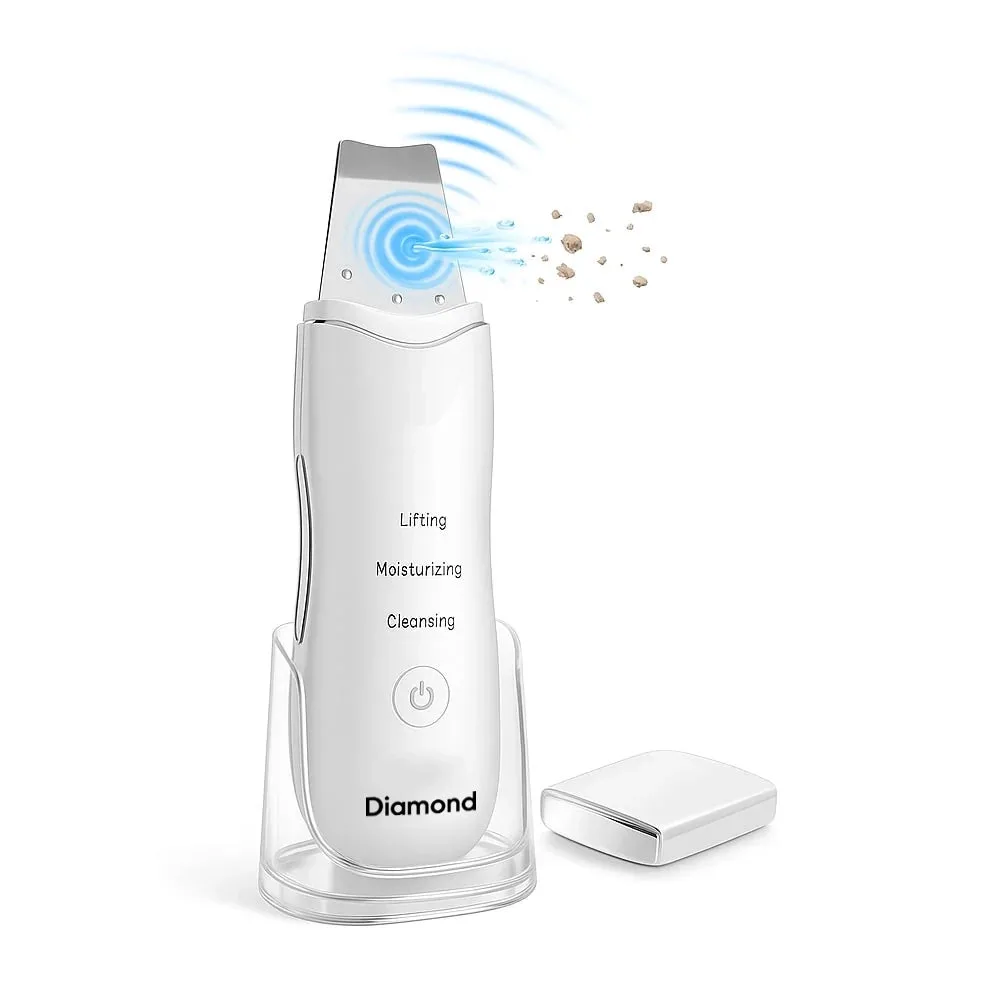
An ultrasonic facial cleanser uses high-frequency vibrations to loosen dirt, oil, and dead skin from your pores without harsh scrubbing. For most people, a device with adjustable intensity and a gentle edge like the DermaGlow Ultrasonic Cleanser offers the best balance of deep cleansing and skin safety.
Sonic vs Ultrasonic: What’s the Difference?
Sonic face brushes typically vibrate at a few hundred movements per second, relying on physical bristle contact to exfoliate. Ultrasonic devices operate at frequencies above 20,000 Hz, which means they can dislodge impurities without the same level of friction. If you have sensitive or reactive skin, an ultrasonic model is usually gentler because it does not rely on abrasive bristle action.
Key Features to Compare
Look at the head design first. A flat or slightly curved spatula-style head (common on ultrasonic peelers) allows you to target the T-zone and nose crevices more precisely than a round brush. Next, check whether the device offers multiple intensity levels. One fixed speed may be too strong for cheeks but too weak for the chin. Finally, consider how the device is powered — rechargeable units are more convenient and consistent than battery-operated ones.
Skin Type and Compatibility
Ultrasonic cleansers work well for normal, combination, and oily skin types because they help clear sebum and blackheads. If you have very dry or compromised skin, limit use to once or twice a week and pair with a non-foaming cleanser. Those with active acne or rosacea should avoid mechanical exfoliation altogether until the skin barrier is calm.
Decision rules for choosing an ultrasonic facial cleanser
- Rule 1: Match the technology to your skin’s tolerance: If you have sensitive or reactive skin, choose an ultrasonic device with a metal spatula head (like the DermaGlow Ultrasonic Cleanser). If you prefer a traditional brush feel and your skin can handle bristle friction, a sonic brush may still work. Ultrasonic is gentler; sonic brushes offer more physical exfoliation.
- Rule 2: Check the head shape and size: A larger flat head covers cheeks quickly but may struggle around the nose. A smaller angled head gives better control. Look at the design to see if it matches your facial contours. Narrower heads = more precision; wider heads = faster coverage.
- Rule 3: Prioritise adjustable intensity: Fixed-speed devices can be too harsh for daily use on delicate areas. Multiple speed settings let you customise the pressure for different zones and skin conditions. At least two speeds are recommended for safe daily use.
Product facts at a glance
- DermaGlow Ultrasonic Cleanser: The DermaGlow Ultrasonic Cleanser uses ultrasonic waves to cleanse pores deeply, removing impurities, blackheads, and old skin flakes for an even complexion. This means you get a thorough deep pore cleanse without the need for abrasive scrubbing, which is especially helpful if you have sensitive or breakout-prone skin.
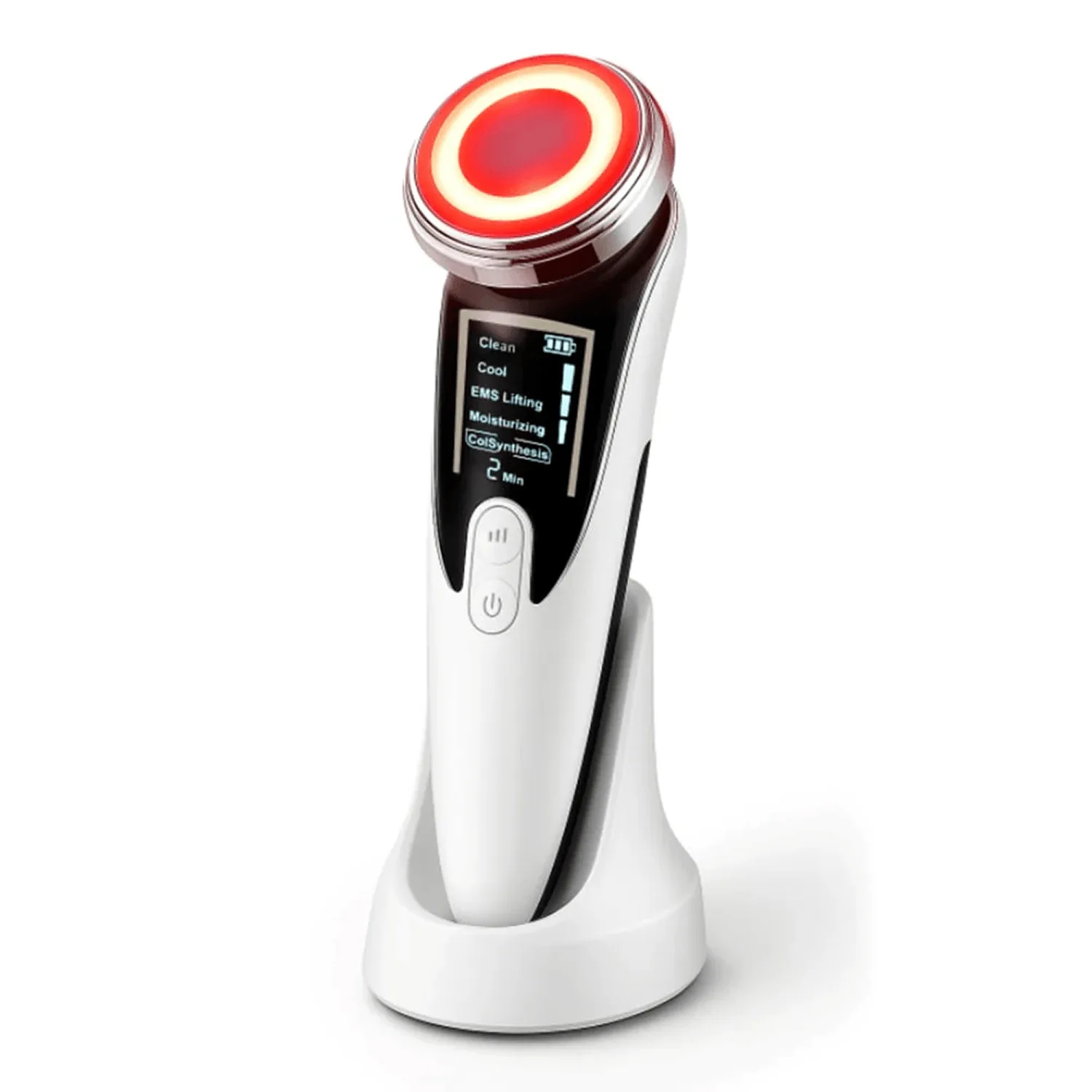
- LumiFace EMS Facial Device: The LumiFace EMS Facial Device uses EMS technology to stimulate collagen production and tighten skin through targeted facial muscle stimulation. If your main concern is sagging or fine lines rather than deep pore cleansing, an EMS device offers a different benefit — it firms while it treats, but it does not replace the pore-clearing action of an ultrasonic cleanser.
Who should buy an ultrasonic facial cleanser?
Best for
- People with oily or combination skin who want to reduce blackheads and congestion
- Anyone looking for a gentle daily alternative to physical scrubs or harsh peeling pads
Not for
- Those with active rosacea, eczema, or open wounds on the face — wait until skin is calm
- People who prefer a full exfoliating brush experience with visible bristle action