Choosing the right baby dinnerware cups can feel overwhelming with so many options on the market. From sippy cups designed to minimize spills to open cups that build independent drinking skills, each stage of your child’s development calls for a different type of cup. This guide will walk you through the key considerations—material, design, and age-appropriateness—so you can find the best baby cup for self-feeding without the guesswork.
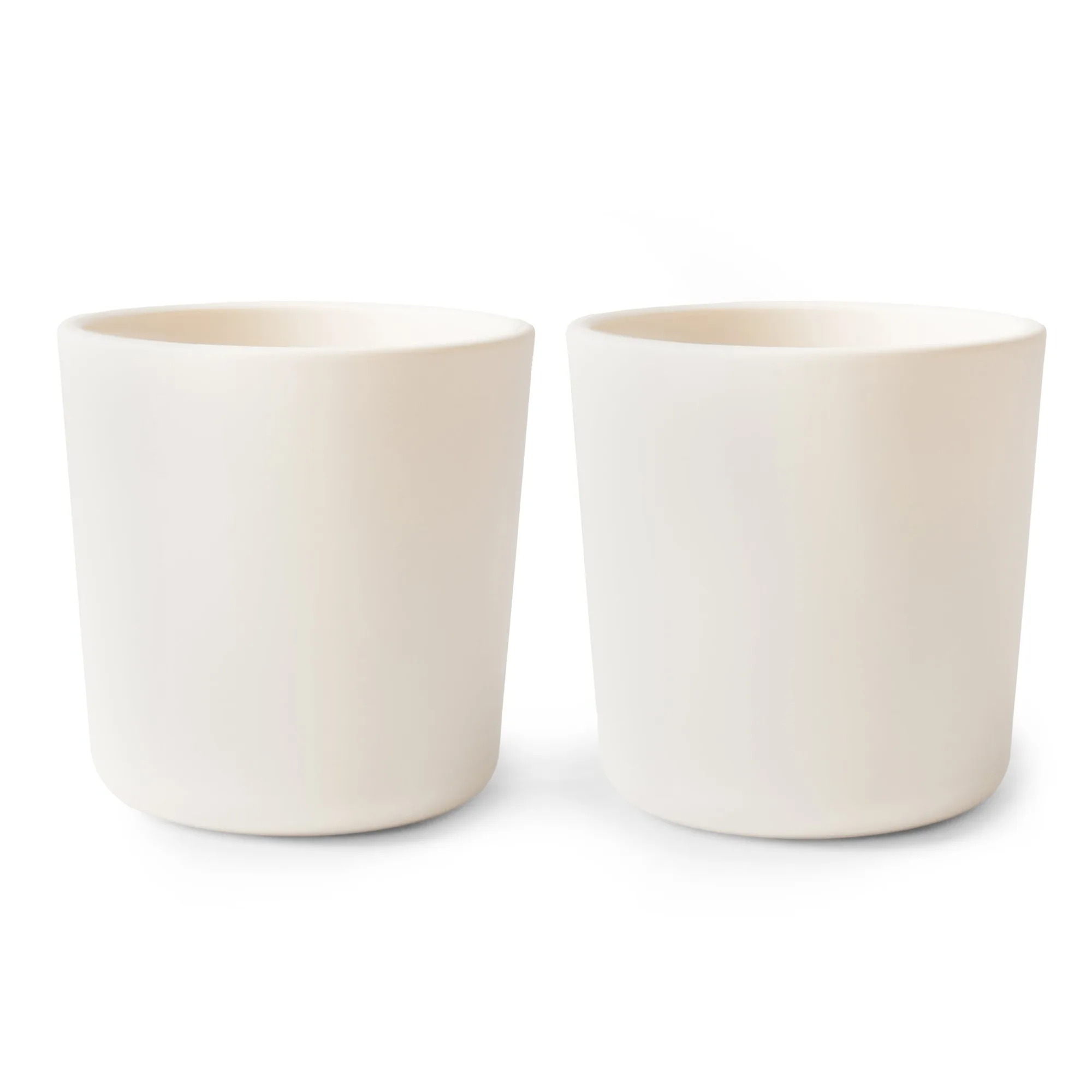
dinnerware cups
Whether you’re transitioning from bottles or introducing water with solids, understanding the difference between a sippy cup and an open cup is essential. We’ll also touch on how silicone baby cup guide principles apply to real-world choices, and suggest a few compatible products from Mushie that can support your feeding journey.
Sippy Cups vs. Open Cups: Which One Does Your Baby Need?
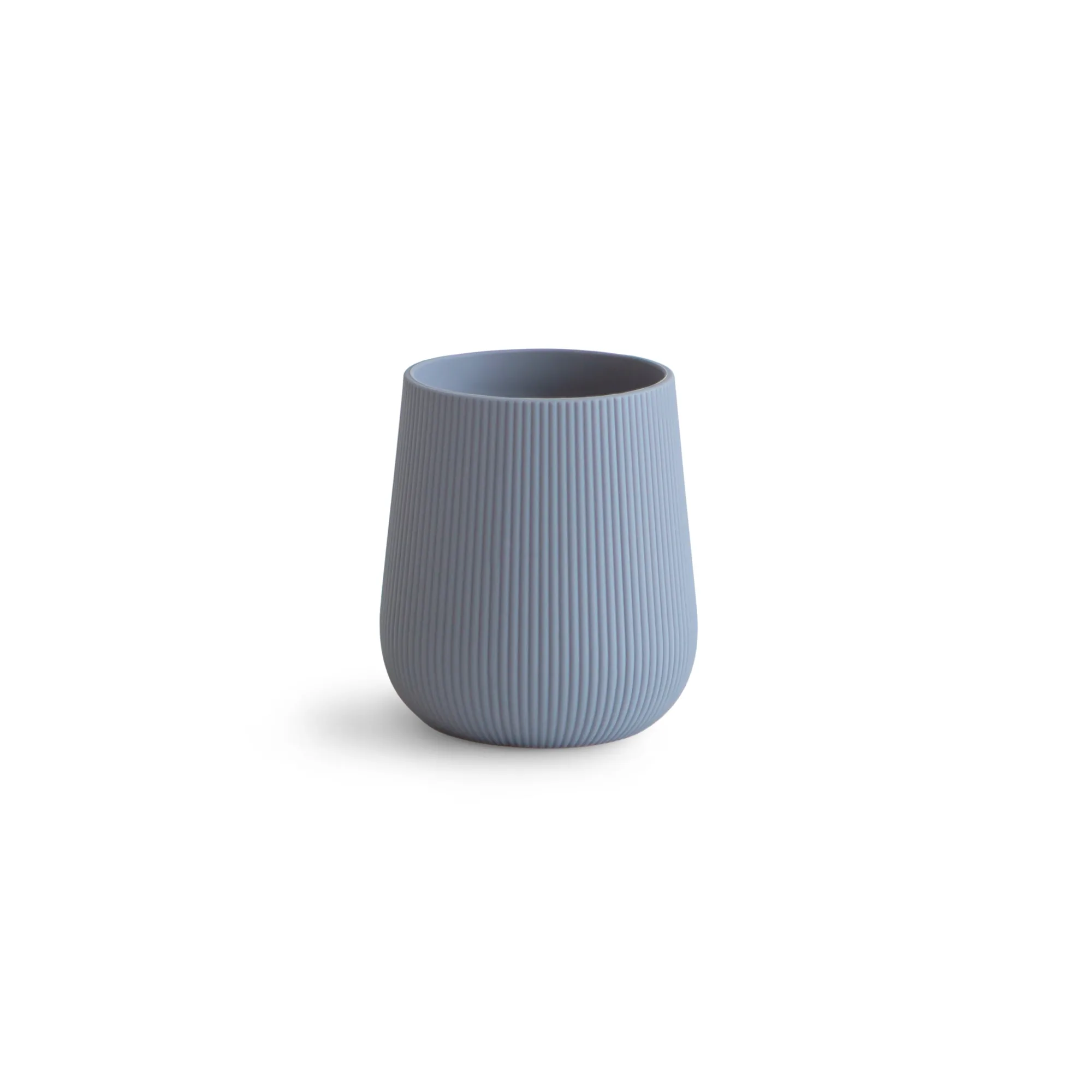
Sippy cups are often the first step after bottles or breastfeeding. They typically have a spout or straw and a spill-resistant lid, making them less messy during meals. Many parents appreciate the convenience, but it’s important to choose a sippy cup that promotes proper oral development—look for a hard spout rather than a soft one, and consider cups that teach sipping rather than sucking. For toddlers, an open cup is the ultimate goal because it strengthens lip closure, tongue control, and hand–mouth coordination.
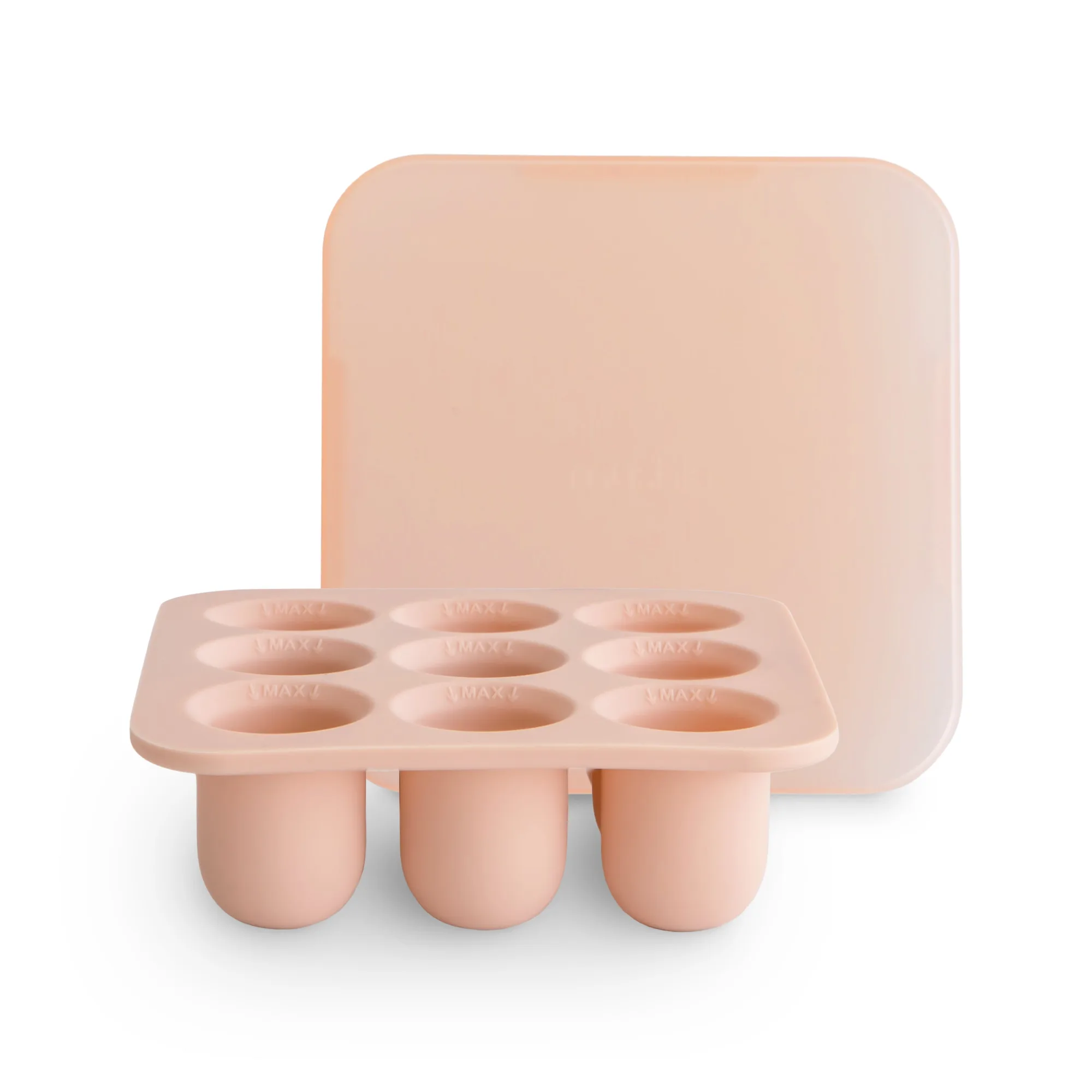
If your baby is ready for open cups, start with small, weighted options that are easy to grip. Silicone cups are a favorite because they are soft, lightweight, and gentle on gums. Mushie’s Silicone Baby Food Containers, while designed for storing purees and snacks, share the same food-grade silicone that many baby cups use, giving you confidence in material safety. You can even use them as practice cups by offering a tiny amount of liquid and letting your baby hold it with your help.
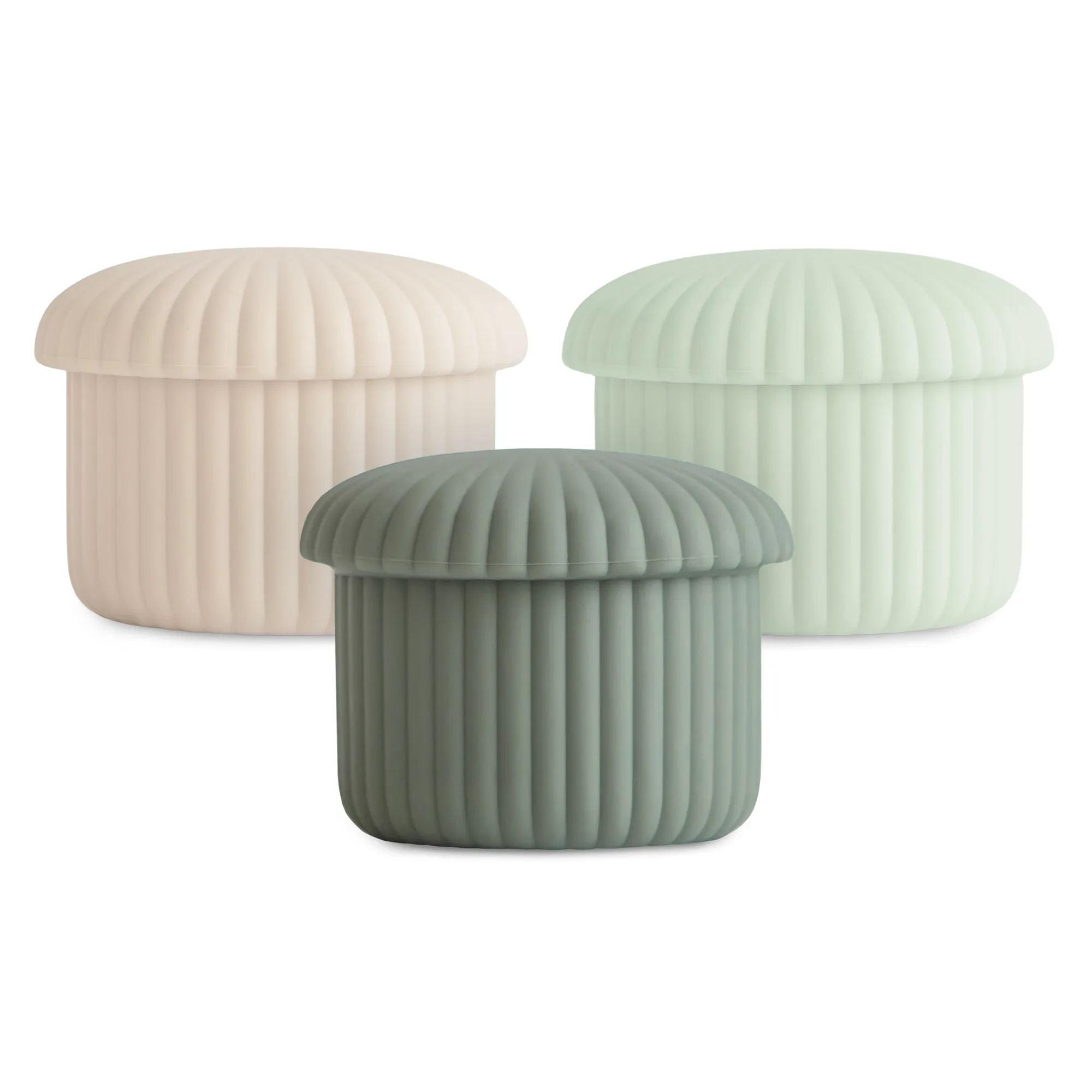
Silicone Baby Food Containers
- Start with a sippy cup around 6–9 months if your baby is showing interest in drinking independently, but watch for signs of readiness like sitting up well and reaching for your cup.
Key Features to Look for in a Toddler Drinking Cup
When choosing toddler drinking cups, prioritize safety and ease of cleaning. Opt for BPA-free silicone or stainless steel over plastic, as these materials are more durable and don’t leach chemicals. A weighted straw cup can be a great transition tool because it allows drinking from any angle, reducing spills. Also consider cups with measurement markings or simple designs that encourage self-feeding without frustration.
Ergonomics matter: handles that are easy for small hands to hold, and a base that isn’t too top-heavy. Some cups come with interchangeable spouts or lids, so you can adjust as your child grows. While Mushie doesn’t manufacture cups directly, their FRIGG Lucky Symmetrical Silicone Pacifier 2-Pack (6-18 Months) illustrates the quality of silicone used in their feeding accessories—soft, safe, and easy to sterilize, just like the silicone you’d want in a cup. Pairing a well-designed cup with other feeding tools creates a cohesive mealtime experience.
- Look for cups with a vented lid to reduce air swallowing and gas.
Transitioning from Bottle to Cup: A Step-by-Step Approach
Experts recommend introducing a cup around 6 months and weaning from bottles by 12–18 months. Start with a small open cup or a sippy cup with a straw rather than a spout, as straws encourage a more mature suckling pattern. Fill the cup with only an ounce or two to minimize mess, and hold it for your baby at first. Patience is key—some babies take weeks to master the skill.
During this transition, comfort items can help. A Muslin Nursing Cover is useful for breastfeeding mothers who are gradually reducing nursing sessions; it creates a calm environment for both feeding and cup practice. And when your baby is teething, oral exploration is part of learning to drink. The Sun Teething Mitten provides soothing relief for sore gums, which can make your baby more willing to try a new cup. Remember, every child develops at their own pace—never force the cup if they resist.
- Offer water or expressed milk in a cup during meals, not as a replacement for bottle feeding at night.
Silicone Baby Cup Guide: Why Material Matters
Silicone has become the gold standard for baby cups because it’s durable, non-toxic, and dishwasher-safe. Unlike hard plastic, silicone doesn’t crack or leach harmful chemicals, and it’s gentle on teething gums. Many cups are made entirely of silicone or have silicone spouts and straws. When shopping, look for 100% food-grade silicone that is free of BPA, phthalates, and PVC.
A silicone cup is also a great self-feeding tool because it’s flexible and grippy. You can even find collapsible silicone cups that are perfect for travel. While Mushie’s primary cup offerings are limited, their expertise in silicone is evident in products like the Silicone Baby Food Containers, which reuse the same high-quality material you’d want in a cup. Combining these containers with a simple open cup gives you a complete silicone dinnerware set for your baby’s meals.
- Check if the silicone cup is heat-resistant—most food-grade silicone can handle boiling water for sterilization.
Choosing the best baby cup for self-feeding doesn’t have to be complicated. Focus on your child’s age, developmental stage, and your own lifestyle. Sippy cups offer convenience for on-the-go, while open cups build essential motor skills. By selecting safe materials like silicone and using supportive products from Mushie such as the FRIGG Lucky pacifier or Silicone Baby Food Containers, you can create a feeding routine that’s both practical and gentle on your little one. Trust your instincts, stay patient, and watch your baby’s confidence grow with every sip.