Choosing the right cup for your baby is a milestone that can feel overwhelming with so many options on the market. From sippy cups to straw cups to open cups, each type serves a different purpose and suits different ages and developmental stages. In this comprehensive comparison, we'll break down the pros and cons of each cup type, discuss key features to look for, and provide practical tips to make the transition smooth and successful.
Whether you're starting with your first cup or moving from bottle to cup, understanding the differences will help you select the best cup for your baby's needs. We'll also highlight some expert-designed products that can support your journey, ensuring mealtime is both fun and developmental.
Understanding Baby Cup Types
Baby cups generally fall into three main categories: sippy cups, straw cups, and open cups. Each type addresses specific developmental skills and has its own set of advantages and challenges. Sippy cups often have a spout that resembles a bottle, making them a familiar transition for bottle-fed babies. However, they may not encourage the proper oral motor development needed for speech and swallowing.
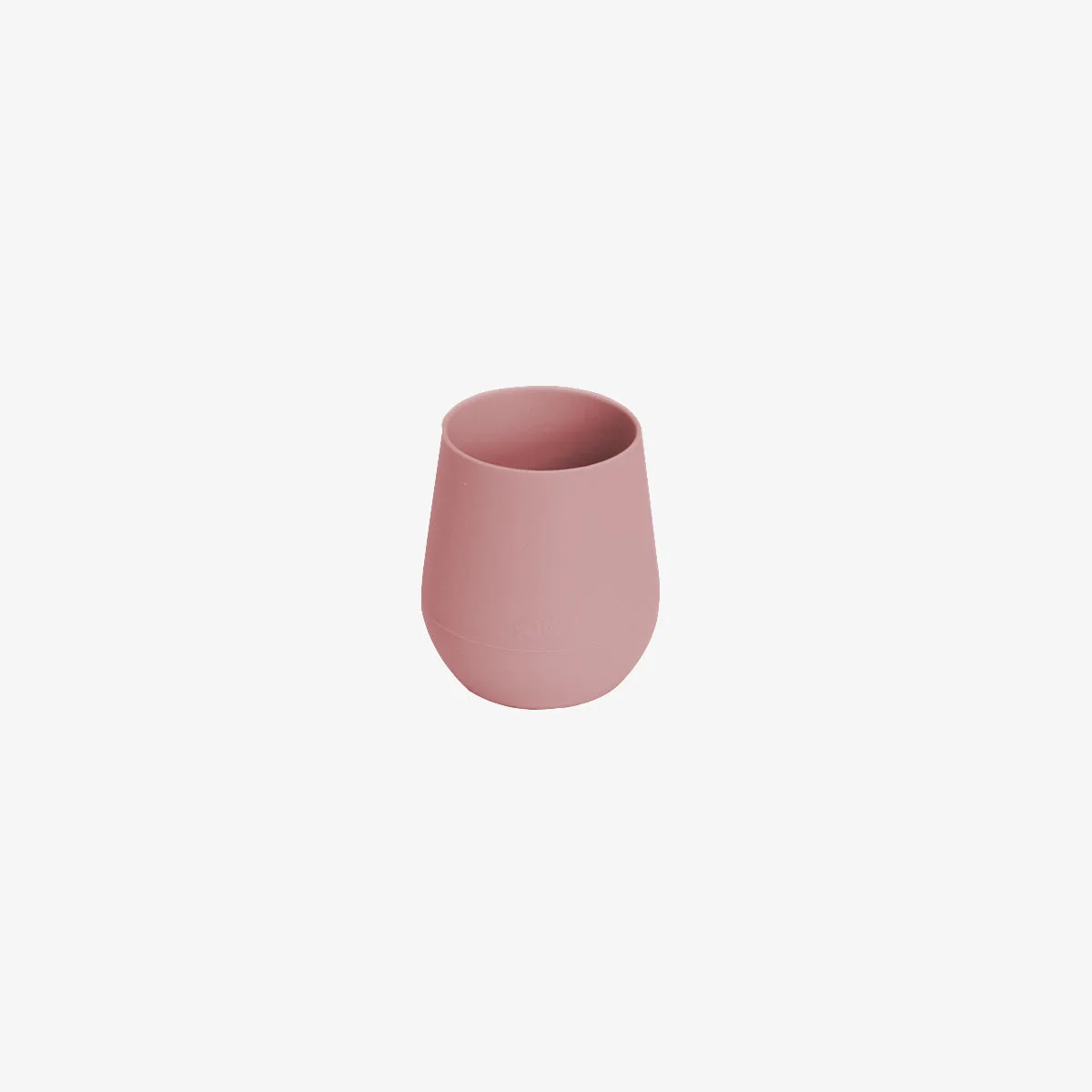
Straw cups require your baby to use a sucking motion that strengthens the mouth muscles and promotes a more mature swallowing pattern. Open cups are the ultimate goal, as they help develop lip closure and coordination, but they can be messy for beginners. Understanding these differences is the first step in choosing the right cup for your baby.
- Sippy cups: easy transition, but may limit oral development
- Straw cups: better for oral motor skills, less spill
- Open cups: ideal for development, but require practice and supervision
Age-by-Age Cup Recommendations
Around 6 months, when your baby starts solids, you can introduce an open cup with assistance or a straw cup. The American Academy of Pediatrics recommends offering sips of water from an open cup during meals. For babies who are still mastering the straw, a weighted straw cup can be a great option as it allows drinking from any angle.
By 12-24 months, most toddlers can handle a straw cup independently and may be ready to transition to a regular open cup. The https://ezpzfunez.com/products/developmental-cup-set-5-pack-65d582f2fa504267e775e6cd-576965Developmental Cup Set (5-Pack) is designed to guide your child through these stages, featuring a unique training system that supports different grip sizes and fluid flow. This set is perfect for parents who want a comprehensive solution without buying multiple cups.
- 6-12 months: start with an open cup or straw cup with assistance
- 12-24 months: encourage independent straw cup use and practice open cup
- 2+ years: transition to a regular open cup for all drinks
Key Features to Look For
When comparing cups, consider features that make cup training easier and more successful. Look for cups with handles that are easy for little hands to grip, as well as a weighted base to prevent tipping. Spill-proof designs are a plus, but they can make it harder for your baby to learn the proper drinking motion, so balance convenience with developmental benefits.
Another important feature is the material. BPA-free, food-grade silicone or stainless steel are safe and durable choices. The Developmental Cup Set (5-Pack) uses food-grade silicone that is soft on gums and easy to clean. Additionally, some cups come with lids that can be removed to transition from a sippy to an open cup, offering versatility as your baby grows.
- Handles for easy gripping
- Weighted base for stability
- Spill-proof yet developmentally appropriate
- BPA-free, food-grade materials
Sippy vs Straw: Which is Better?
The debate between sippy and straw cups is common among parents. Sippy cups are often easier for babies to understand because the spout feels similar to a bottle, but they can encourage a forward tongue posture that may lead to speech issues. Straw cups, on the other hand, promote a more natural tongue position and help strengthen the muscles used for chewing and swallowing.
Many pediatric speech therapists recommend skipping sippy cups altogether and moving directly to straw or open cups. If you're looking for a cup that supports oral development, a straw cup is a better choice. The Developmental Cup Set (5-Pack) includes a straw cup that is perfect for this purpose, and it can be used from 6 months onward.
- Sippy cups: familiar but may hinder oral development
- Straw cups: support oral motor skills and are recommended by experts
- Consider skipping sippy cups and going straight to straw or open cups
Top Picks for Your Baby's Cup Journey
When it comes to choosing the best cup for your baby, expert-designed products can make a significant difference. The Developmental Cup Set (5-Pack) from ezpz is a standout choice, offering a comprehensive training system that grows with your child. It includes cups with different flow rates and handles, allowing you to gradually progress from assisted to independent drinking.
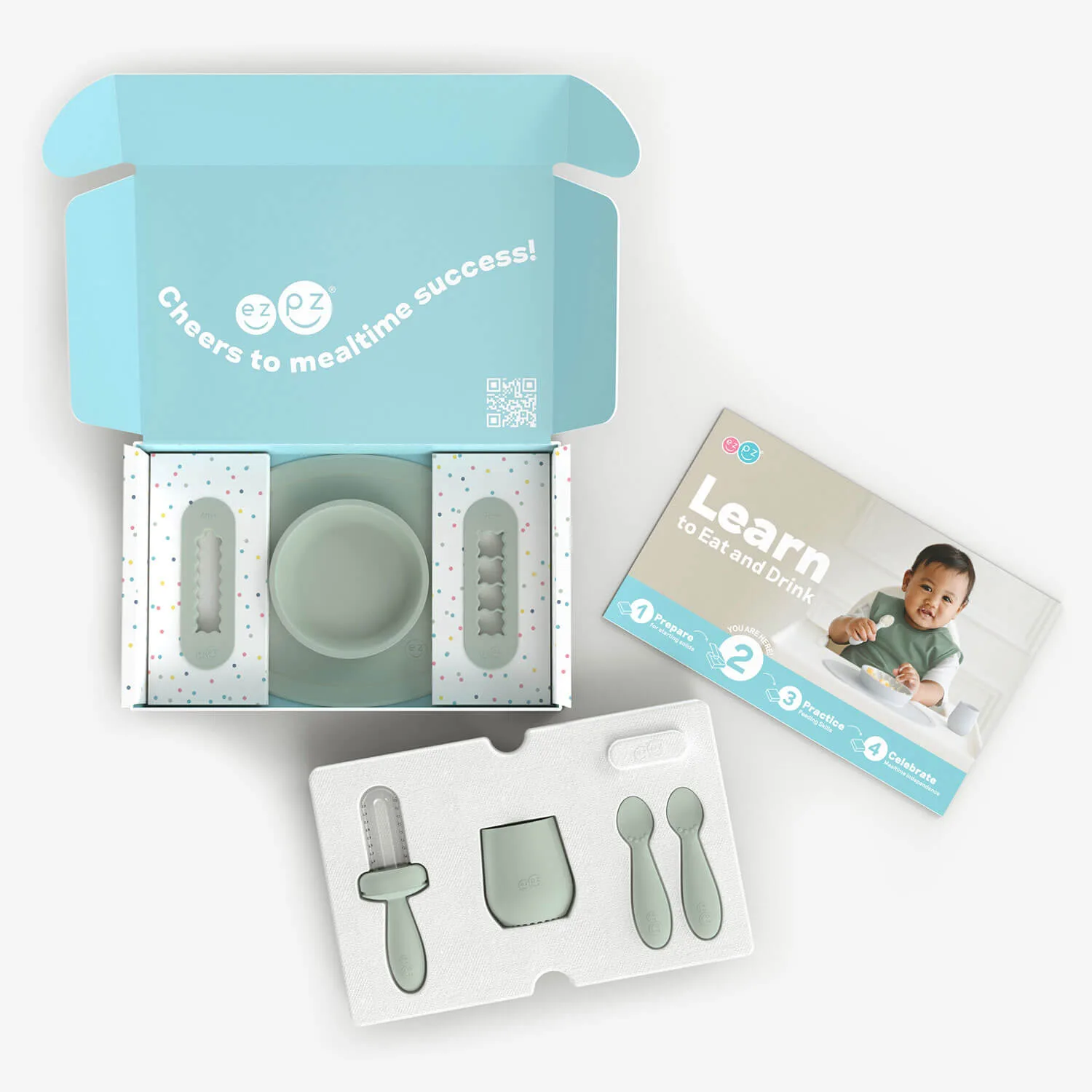
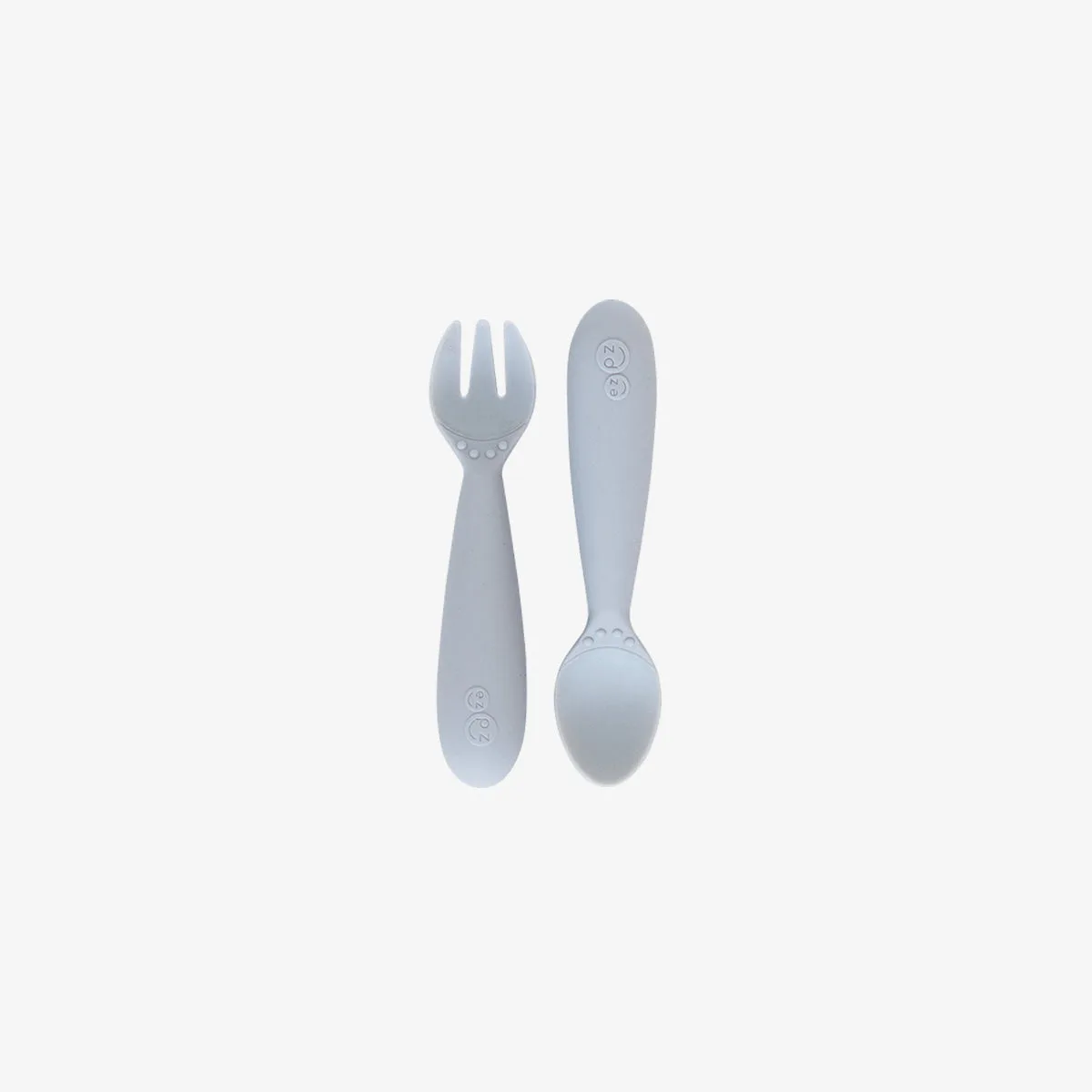
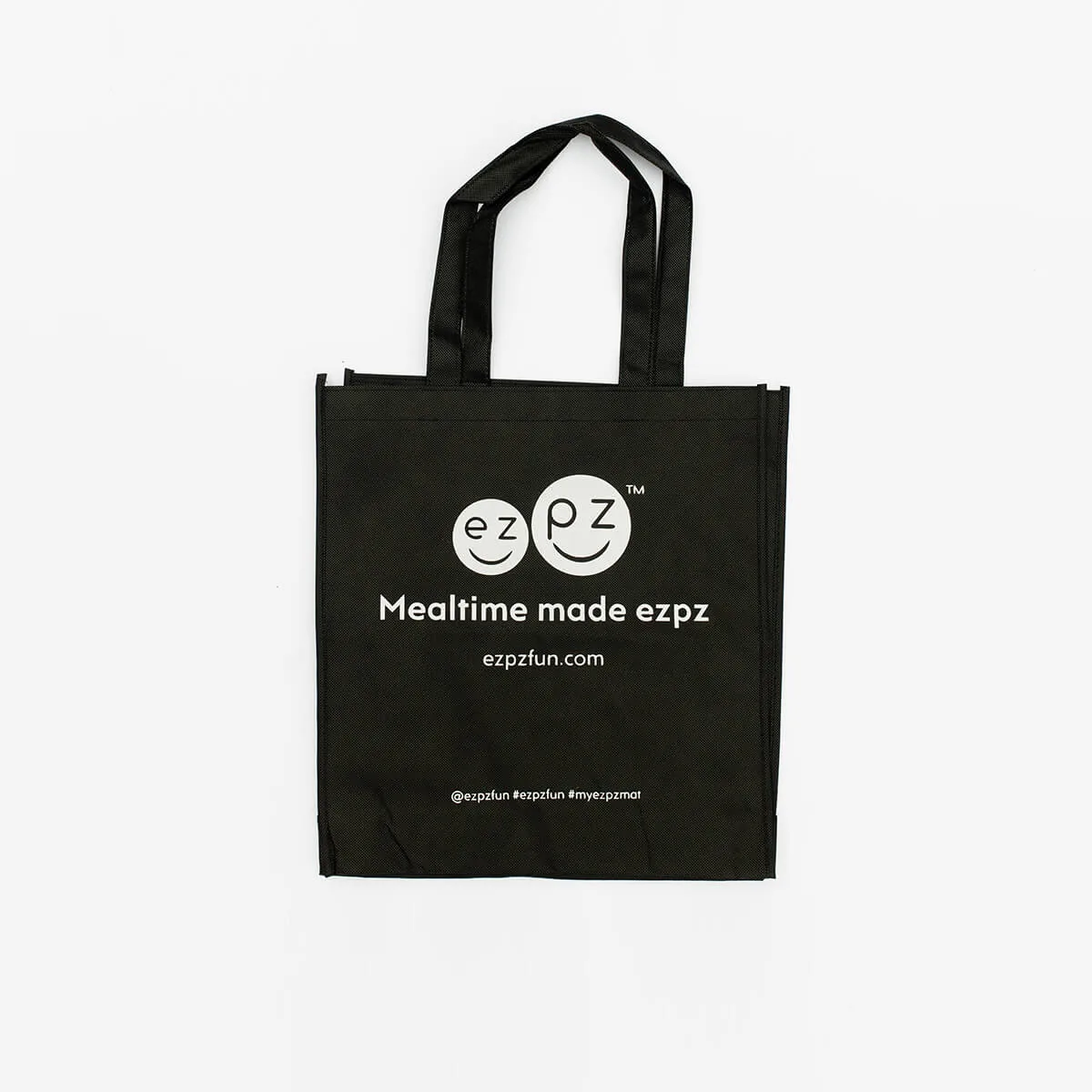
Another excellent option is the ezpz Tote Bag, which is perfect for carrying your baby's cup and other feeding essentials on the go. While not a cup itself, it complements your cup training by keeping everything organized and clean. For parents who are also starting solids, the Mealtime Set includes a cup alongside a bowl and utensils, providing a complete feeding solution.
- Developmental Cup Set (5-Pack): versatile and expert-designed
- ezpz Tote Bag: convenient for travel and storage
- Mealtime Set: all-in-one for feeding and drinking
Choosing the right cup for your baby doesn't have to be complicated. By understanding the differences between sippy, straw, and open cups, and considering your baby's age and developmental needs, you can make an informed decision. The Developmental Cup Set (5-Pack) offers a comprehensive solution that supports your baby's growth from first sips to independent drinking. Explore this expert-designed set to give your baby the best start on their cup journey.