Quick answer
Choose a one-piece sleeper with a two-way zipper for overnight changes, snaps only if you prefer full-body access or your baby tolerates dressing calmly. Pick breathable cotton for most seasons, and buy the size that fits your baby's weight and height now, not the size they will grow into. For sleep, skip loose blankets and choose snug-fitting sleepwear that stays in place.
Zipper vs snap pajamas: which closure actually works for you
A zipper wins for speed. A two-way zipper lets you open just the bottom for a diaper change without exposing your baby's chest to cold air, which matters most during night wakings. A single zipper is fine if you change diapers less often or your baby sleeps warm. Snaps give you more control: you can open only the section you need, and they never jam or catch fabric. The trade-off is time. At 3 a.m., lining up ten snaps on a wriggling baby is slower than one pull, and missing a snap means a drafty gap. If your baby hates having clothes pulled over their head, look for a zipper that opens fully flat or a snap front that lies open like a blanket.
- Choose a two-way zipper if you do frequent night changes or want minimal disturbance.
- Choose snaps if you want full access for dressing a stiff or sensitive baby.
- Avoid zippers without a fabric guard at the top if your baby has sensitive skin at the neck.
- Check that the zipper pull is covered or tucked so it does not press into the chin.
Baby pajama fabric guide: what to pick for temperature and skin
Cotton is the default for most babies because it breathes and handles frequent washing. Cotton-rich blends with a little stretch move with your baby and keep their shape after repeated laundry cycles, which matters when you are washing sleepwear every few days. Terry-lined fabrics add softness and a bit of warmth without bulk, which is useful for socks and cooler rooms, but a full terry sleeper can be too warm for summer or for babies who run hot. If your baby has eczema or very sensitive skin, prioritize smooth, soft cotton over heavy fleece and avoid rough seams or scratchy tags. There is no single best fabric for every baby: match the fabric to your room temperature and your baby's tendency to overheat or get cold.
- Warm room or summer: lightweight cotton, short sleeves or no feet.
- Cool room or winter: cotton with feet, or a cotton-rich blend with a light layer underneath.
- Sensitive skin: soft cotton, flat seams, and no loose threads inside.
- Frequent spitups or diaper leaks: choose fabric that survives hot or frequent washing without pilling.
Toddler pajama size guide: fit rules that keep sleepwear safe
Sleepwear should be snug, not tight. Snug means the fabric touches the body without leaving extra room that can bunch up or ride over the face. For babies and toddlers, the safest fit follows weight and height on the size chart rather than age, because two babies the same age can differ by several sizes. Check three points before you commit: the neckline should not gap away from the chest, the crotch should not pull down when your child lifts their arms, and the feet should not be so long that they fold under and trip a walking toddler. If your child is between sizes, size up only if the smaller size is tight at the shoulders or short in the torso. A too-large sleeper is a safety problem, not a growth investment.
- Measure height and weight, then match the larger of the two to the size chart.
- Do an arm-raise test: if the crotch pulls down, the sleeper is too short.
- Check the neck: you should not be able to pull the neckline over the shoulders easily.
- For walkers, choose footed sleepers with non-slip soles or convert to footless.
Baby sleepwear safety: what to avoid and why
The main sleep safety rule is fit, not style. Loose sleepwear can ride up over the face or tangle, so choose snug-fitting pajamas and skip anything with long ribbons, loose bows, or decorative pieces that can detach. Avoid drawstrings at the neck entirely. For babies under 12 months, do not use a loose blanket in the crib; if you need warmth, use a sleep sack or a sleep pod that keeps them covered without loose fabric. Always follow the manufacturer's care label, because some sleepwear is treated for flame resistance and washing with certain products can reduce that protection. If you are unsure whether a garment is intended for sleep, check the label for sleepwear wording rather than assuming any soft outfit is safe for overnight.
- Snug fit is the priority; loose is the risk.
- No neck drawstrings, long ribbons, or detachable decorations.
- Under 12 months: no loose blankets, use a sleep sack or pod.
- Follow care labels to preserve any flame-resistant treatment.
Decision rules for buying baby pajamas
- If you do most night changes: Choose a two-way zipper with a fabric guard at the neck. Fastest for 3 a.m. changes and less cold air on the chest.
- If your baby fights dressing: Choose a snap front or a zipper that opens completely flat. You can lay the pajama open and slide arms in without pulling over the head.
- If your baby runs hot or the room is warm: Choose lightweight cotton, short sleeves, or footless styles. Breathable fabric reduces overheating risk.
- If your baby has sensitive skin: Choose soft cotton with flat seams and no scratchy tags. Fewer rough edges means less irritation.
- If your toddler is between sizes: Match height and weight to the size chart and test the arm-raise and neck checks. Do not size up for growth; a loose sleeper is a safety risk.
- If you need warmth without a blanket: Use a sleep pod or sleep sack instead of adding a loose blanket. Keeps a baby under 12 months covered without loose fabric in the crib.
Products that fit these rules
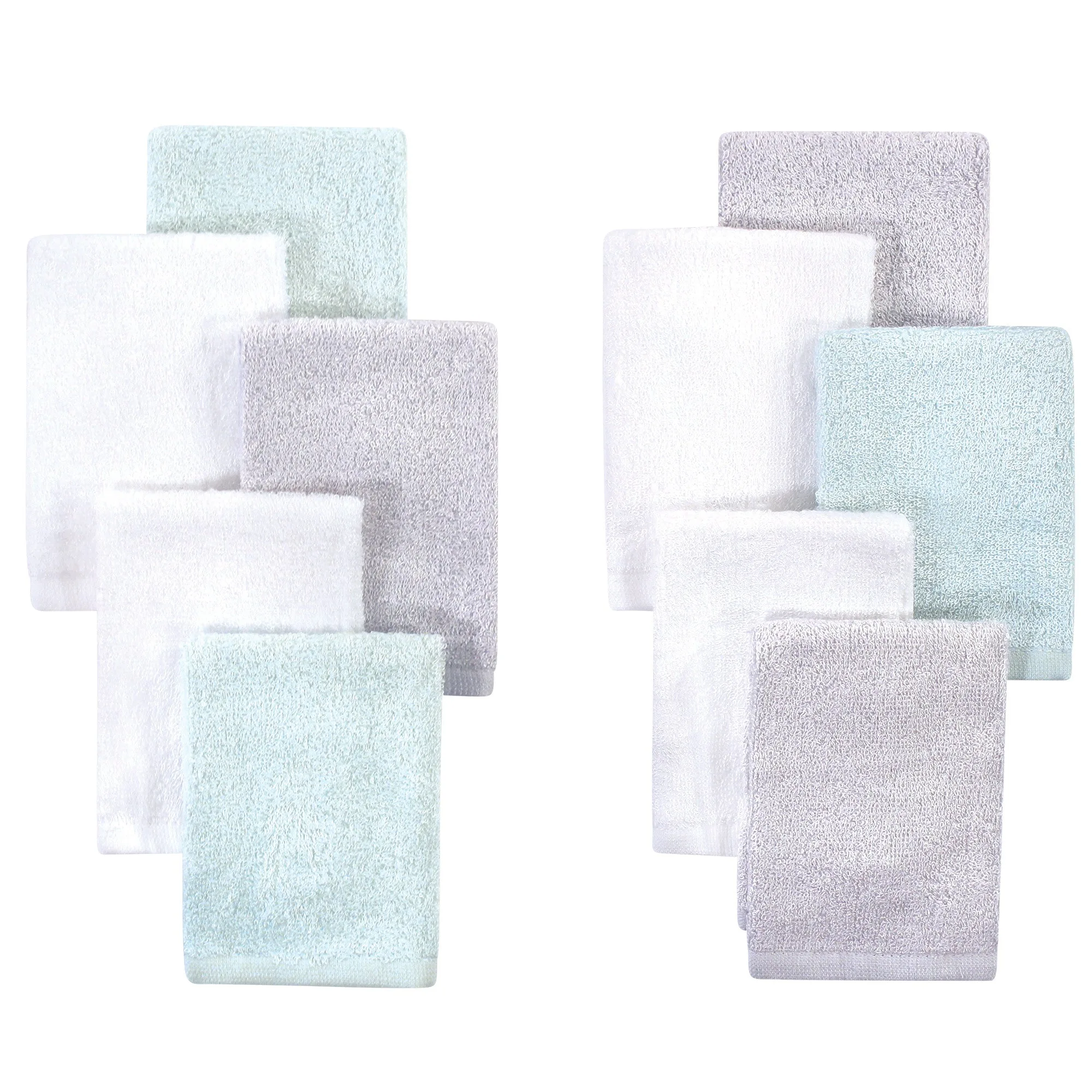
- Hudson Baby Super Soft Cotton Washcloths, Flamingo: Hudson Baby Super Soft Cotton Washcloths, Flamingo, are woven from high-quality, absorbent cotton and are machine washable. Useful for wiping up night spit-ups or applying lotion before bed without reaching for a rough towel.
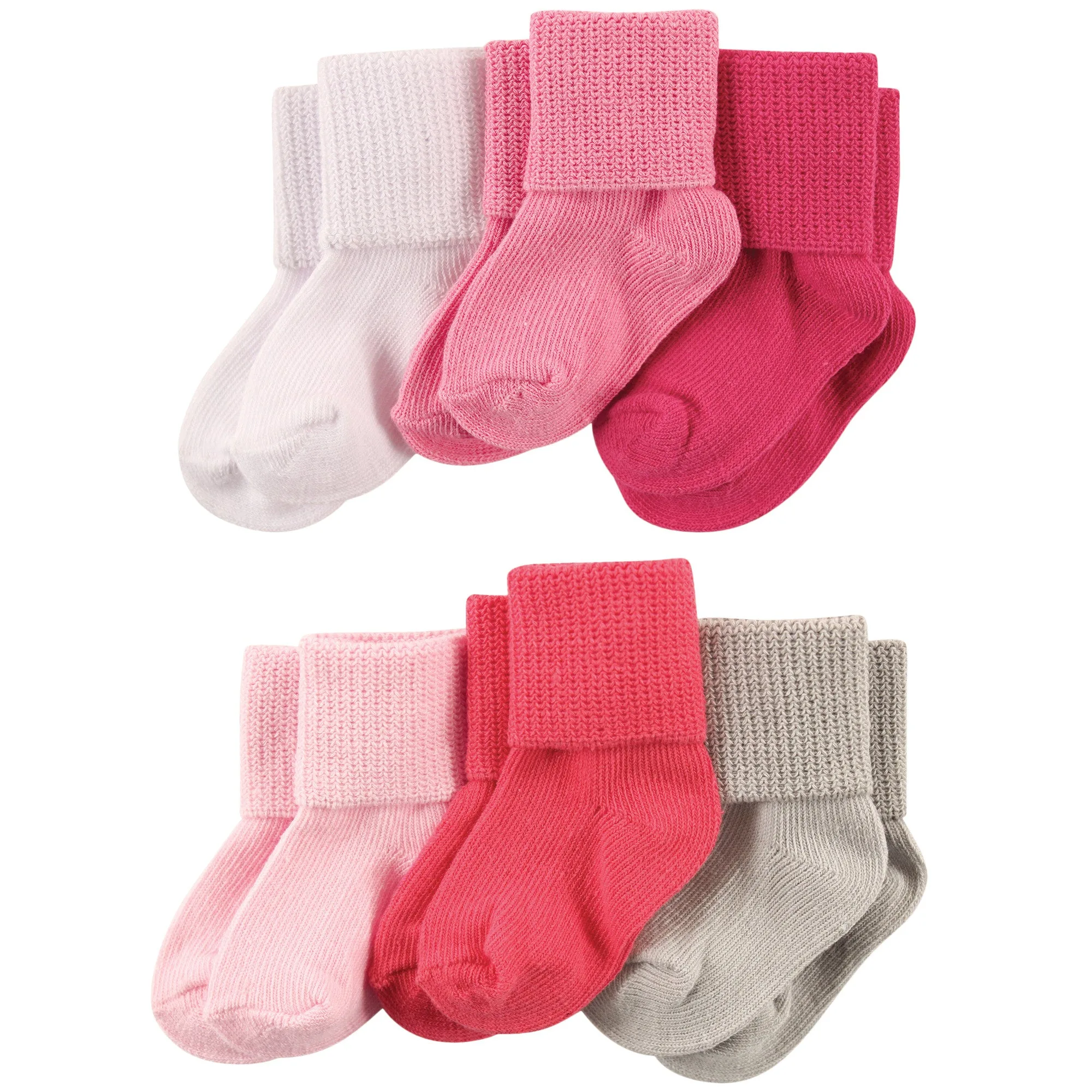
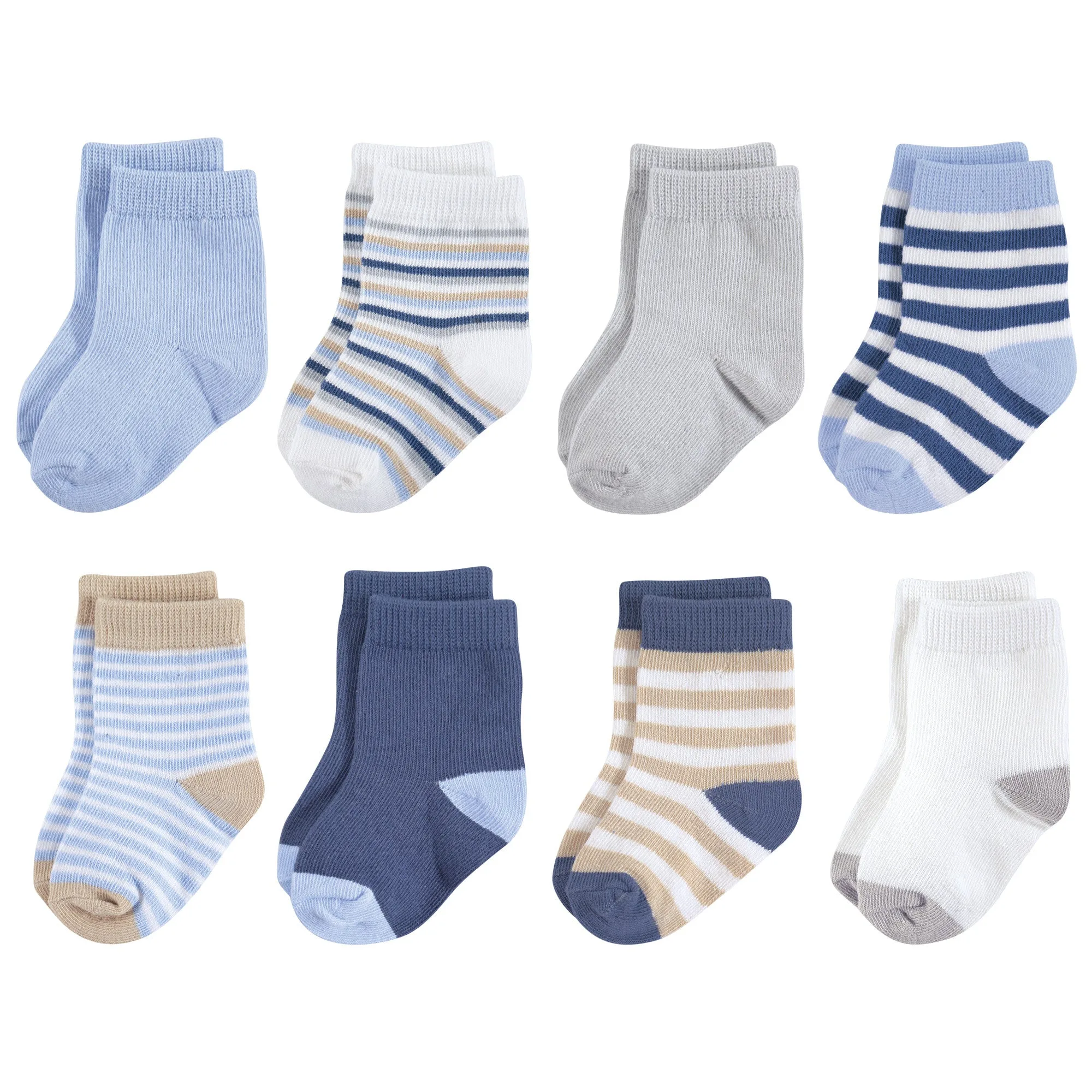
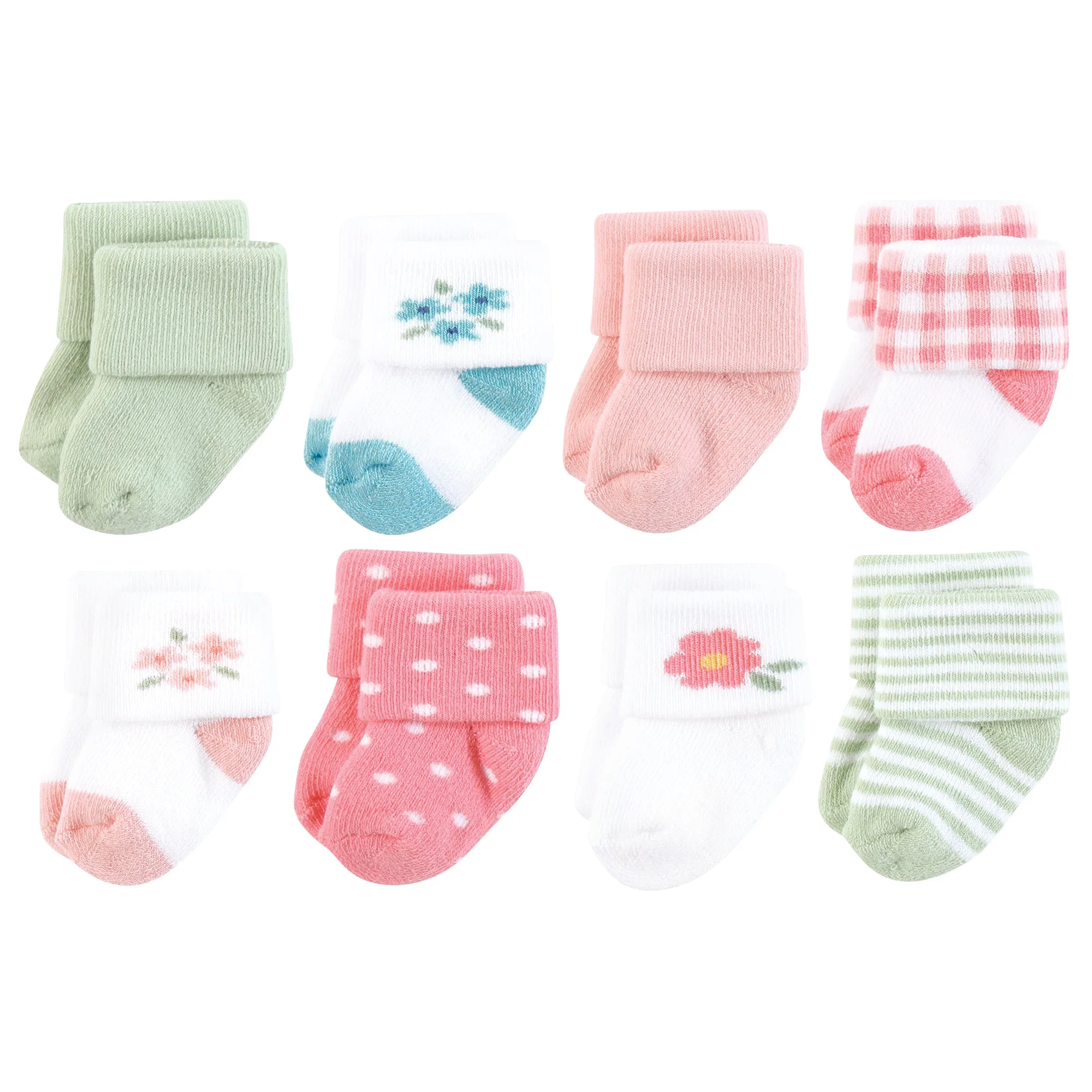
- Hudson Baby Cotton Rich Newborn and Terry Socks, Neutral Tones: Hudson Baby Cotton Rich Newborn and Terry Socks, Neutral Tones, are crafted for delicate newborn skin with a terry-lined interior and come in sizes. Layers under a footed sleeper for cold rooms, and the size options help you match the sock to your baby's foot instead of guessing.
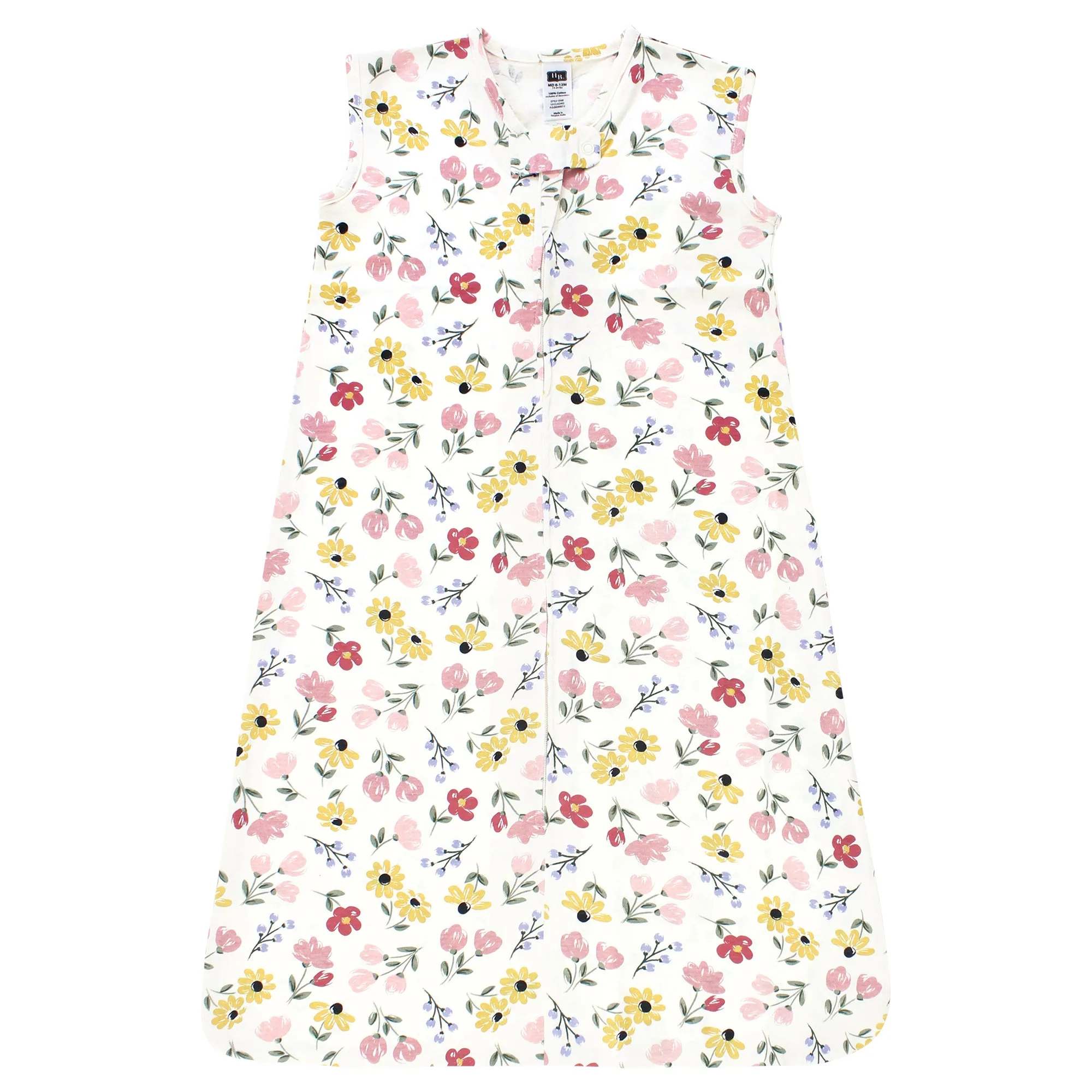
- Hudson Baby Sleep Pod, Blush Navy Floral: Hudson Baby Sleep Pod, Blush Navy Floral, is lightweight, mimics the comfort of being held, and is soft and gentle on delicate skin. A safer alternative to a loose blanket for babies under 12 months who need warmth without loose fabric in the crib.
Who this guidance is for
Best for
- Parents buying sleepwear for babies and toddlers who need a safe, snug fit
- Caregivers who want fewer night disruptions from diaper changes
- Families choosing between zipper and snap closures for the first time
Not for
- Parents looking for loose or oversized pajamas for sleep
- Shoppers who need a specific medical or flame-retardant certification not stated on the label
- Anyone buying sleepwear without checking the current size chart for their child's measurements