Quick answer
The best baby plates for self-feeding combine a strong suction base to prevent tipping, food-grade non-toxic materials, and divided sections to keep foods separate. Start with a suction plate like the Mushie Silicone Suction Plate for beginners, then transition to divided plates as your child's skills grow.
Why suction matters first
When your baby is learning to self-feed, the plate staying in place is half the battle. A strong suction base prevents the plate from sliding or flipping, which reduces mess and frustration. Look for plates with a wide, flat suction ring that adheres firmly to high chair trays or smooth tables. The trade-off is that suction plates can be harder for toddlers to lift once they want more independence, so you may need to switch to non-suction options later.
Divided vs. open plates
Divided plates help keep different foods from touching, which many toddlers prefer. They also portion control naturally. Open plates are easier to scoop from and clean but can lead to food mixing. For baby-led weaning, divided plates are often better because they let your child focus on one food at a time. However, some babies do fine with open plates, especially if they are not picky about food separation.
Material safety and durability
Non-toxic materials are non-negotiable for baby feeding. Food-grade silicone is a top choice because it is BPA-free, soft on gums, and heat-resistant. Silicone plates can go in the microwave, dishwasher, and freezer without leaching chemicals. The downside is that silicone can attract lint and may stain over time with foods like tomato sauce. Stainless steel or bamboo plates are alternatives but lack suction and can be harder for little hands to grip.
Decision rules for choosing baby plates
- Start with suction: If your baby is just starting self-feeding (around 6-9 months), choose a plate with a strong suction base. This keeps the plate anchored while they learn to scoop and grasp. The Mushie Silicone Suction Plate is a solid option for this stage.
- Move to divided when ready: Once your toddler can eat without the plate sliding (around 12+ months), consider a divided plate. It helps with portion control and keeps foods separate, which many toddlers prefer. Look for divided plates with shallow sections that are easy to scoop from. Check if your toddler shows frustration with food mixing—that's a sign to switch to divided.
- Prioritize non-toxic materials: Always choose plates labeled BPA-free, phthalate-free, and made from food-grade silicone or stainless steel. Avoid plastics with recycling codes 3, 6, or 7 unless they are explicitly labeled safe. Silicone plates are soft, durable, and easy to clean.
- Consider ease of cleaning: Silicone plates are dishwasher-safe and resist sticking, but they can stain. Stainless steel is stain-resistant but may dent. Choose based on your cleaning routine and how often you use the plate. If you hand-wash, silicone is easier; if you use a dishwasher, both work.
Product facts
-
Silicone Suction Plate – Safe & non-toxic: BPA-free, Food-Grade: Designed in Sweden, this silicone plate features a suction that keeps it in place, minimizing spills as your little ones learn how to feed themselves. The food-grade silicone material lets you safely heat food up directly in the dish without worrying about things getting too hot for your baby's fingers. This means you can serve warm meals directly in the plate and trust the suction to hold it steady, making mealtime less stressful for both you and your baby.
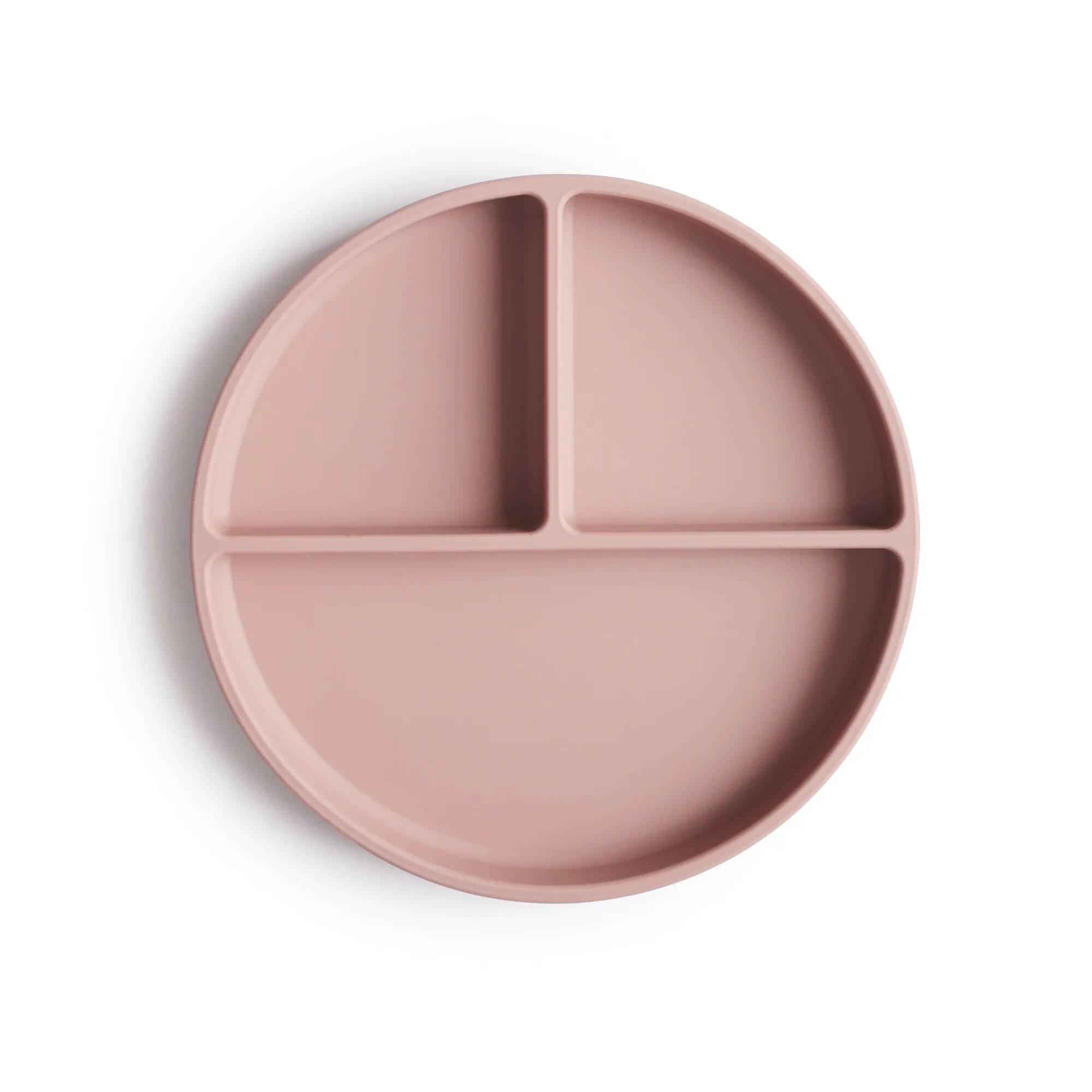
Silicone Suction Plate – Safe & non-toxic: BPA-free, Food-Grade
Who should choose what
Best for
- Parents starting baby-led weaning with a 6-9 month old who need a stable, non-toxic plate
- Toddlers who prefer foods separated and need portion control
Not ideal for
- Older toddlers (18+ months) who want to lift their own plate and eat independently without suction
- Families who prefer stainless steel or bamboo for environmental reasons and don't need suction