Quick answer
For early walkers, choose shoes with a flexible sole that bends easily at the ball of the foot, a snug but roomy fit with about a thumb's width of space at the toe, and a secure closure that keeps the shoe on without pinching. Skip stiff, heavy shoes or those that slip off—they make walking harder and can cause trips.
Why shoe choice matters for new walkers
Early walkers are still developing balance and coordination. Shoes that are too stiff, too heavy, or too loose can interfere with their natural gait and increase the risk of falls. The right pair supports the foot without restricting movement, allowing babies to feel the ground and adjust their steps. Look for lightweight materials and a sole that flexes with the foot, not against it.
When to move from soft soles to first walkers
Soft-soled shoes are great for pre-walkers and crawlers, but once your baby is pulling up and taking independent steps, a slightly more protective sole with grip becomes useful—especially outdoors. The transition isn't about age; it's about mobility. If your child is walking steadily indoors but struggles on uneven surfaces, a flexible rubber sole can help. Indoors, many families still use soft soles or bare feet for better proprioception.
How to check fit without guessing
Always measure both feet, as one may be slightly larger. Stand your child on a piece of paper, mark the heel and longest toe, and measure the distance. Add about 0.5–1 cm (a thumb's width) for growth room. When trying shoes on, press down at the toe to check space, and feel along the sides for pressure points. The heel should be snug—if you can easily slip a finger behind it, the shoe is too big. Remember that shoe sizes vary by brand, so rely on measurements rather than a fixed size.
Step-by-step: choosing and checking first walker shoes
- Measure both feet at the end of the day: Feet swell slightly during the day, so measure in the afternoon or evening. Have your child stand on a piece of paper, mark the heel and the tip of the longest toe, and measure the distance in centimeters. Repeat for the other foot and use the larger measurement. Checkpoint: Write down the length and width; you'll need these numbers when comparing brands.
- Add growth room—but not too much: Aim for about 0.5–1 cm (a thumb's width) between the longest toe and the front of the shoe. More than that can cause tripping; less can pinch. Avoid hand-me-down shoes that are molded to another child's foot, as they may not support your child correctly. Common mistake: Buying shoes that are too big 'to grow into'—they make walking harder and can cause falls.
- Test sole flexibility at the ball of the foot: Hold the shoe and bend it where the toes flex. It should bend easily with light pressure. A stiff sole restricts natural foot movement and can tire your child quickly. For outdoor use, look for a flexible rubber sole with a tread pattern for grip; for indoors, a soft leather or fabric sole is fine. Checkpoint: If you can't bend the shoe with one hand, it's too stiff for a new walker.
- Check the closure and heel security: Velcro, laces, or elastic openings should hold the shoe snugly without pinching. The heel should stay in place when your child walks—if the shoe slips off easily, it's either too big or the closure isn't secure. Avoid slip-on styles that lack adjustability unless they have a snug elastic band. Common mistake: Choosing style over security—shoes that come off are a hazard and frustration.
- Watch your child walk in them: Have your child walk on a safe surface for a few minutes. Look for signs of discomfort: stumbling, trying to pull the shoes off, or an uneven gait. Check for red marks on the feet after removal. If anything seems off, try a different size or style. Final check: Shoes should feel like a second skin—supportive but not restrictive.
Product facts that support good fit and comfort
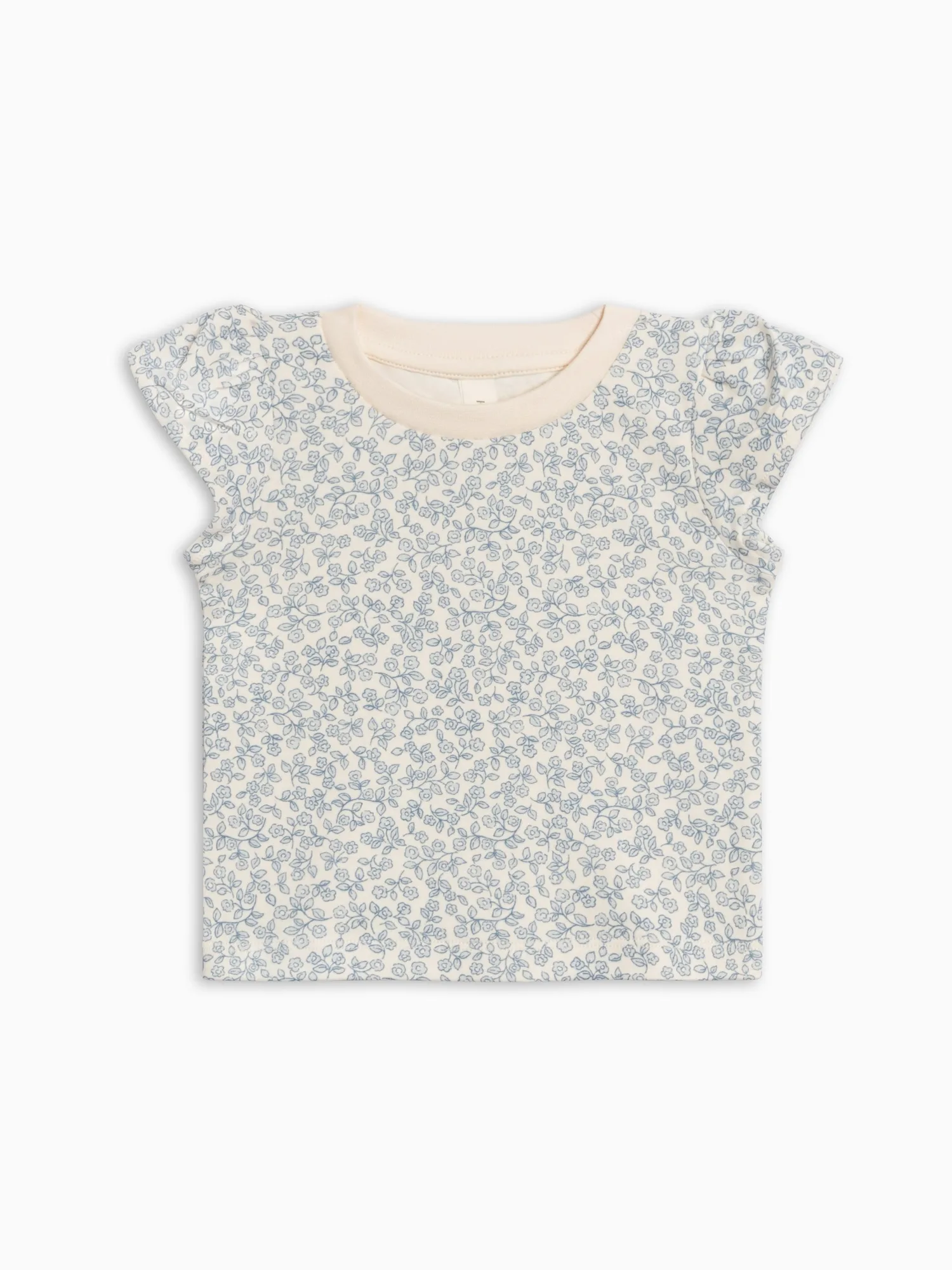
- Pearl Petal Sleeve Tee - Narelle Floral / Ivory + Sea: Made from 100% organic cotton interlock with a ribbed neckband and water-based dyes. While this is a top, not a shoe, the same principles of soft, breathable materials apply to baby clothing that doesn't restrict movement—important for overall comfort during early walking.
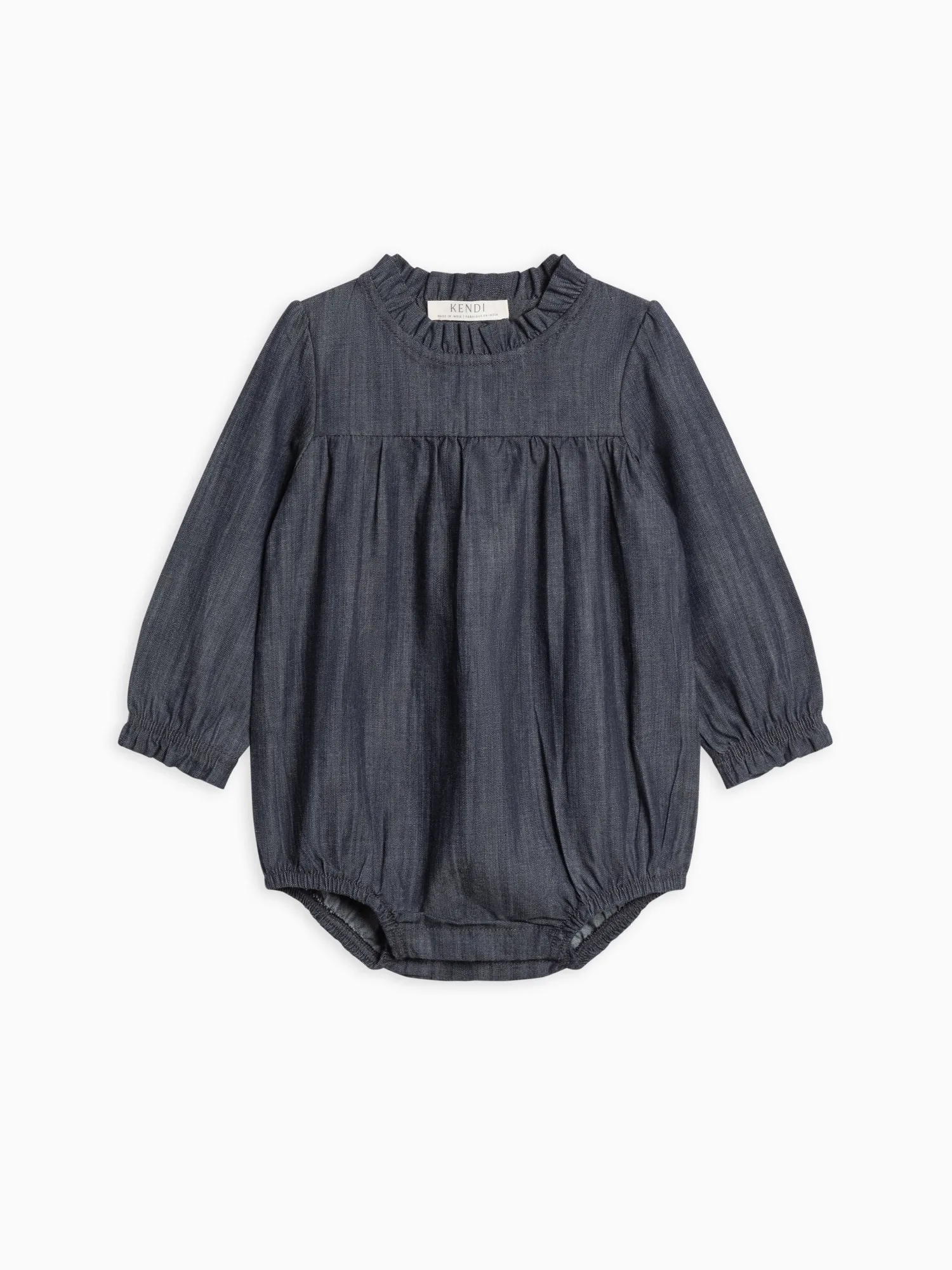
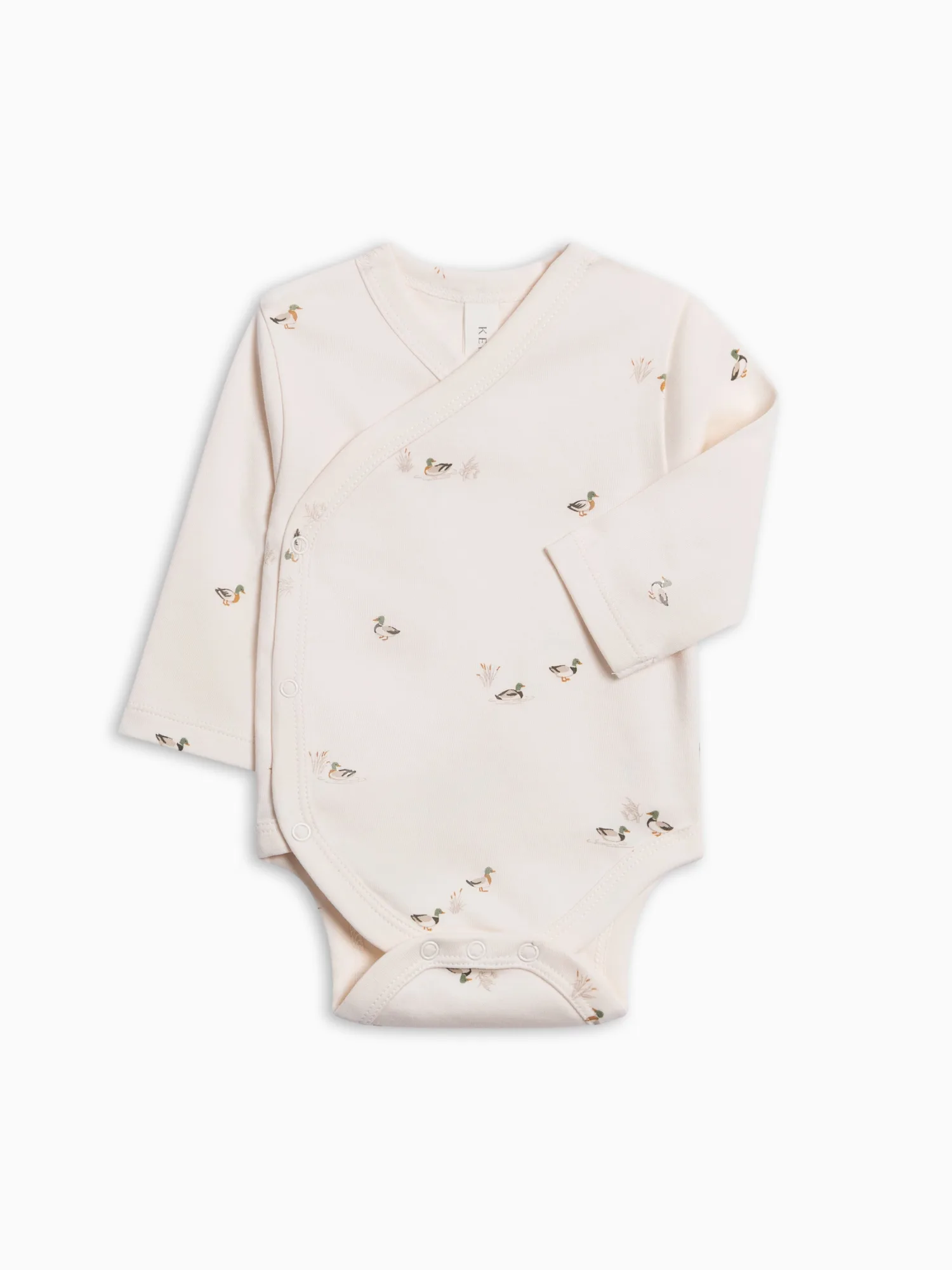
- Chantal Chambray Ruffle Romper: The Chantal Chambray Ruffle Romper has elastic cuffs and leg openings, plus snap leg closures for easy changes. Easy-on, easy-off clothing like this romper means less fuss during dressing and more time for practicing walking. The soft chambray won't bunch or restrict movement.
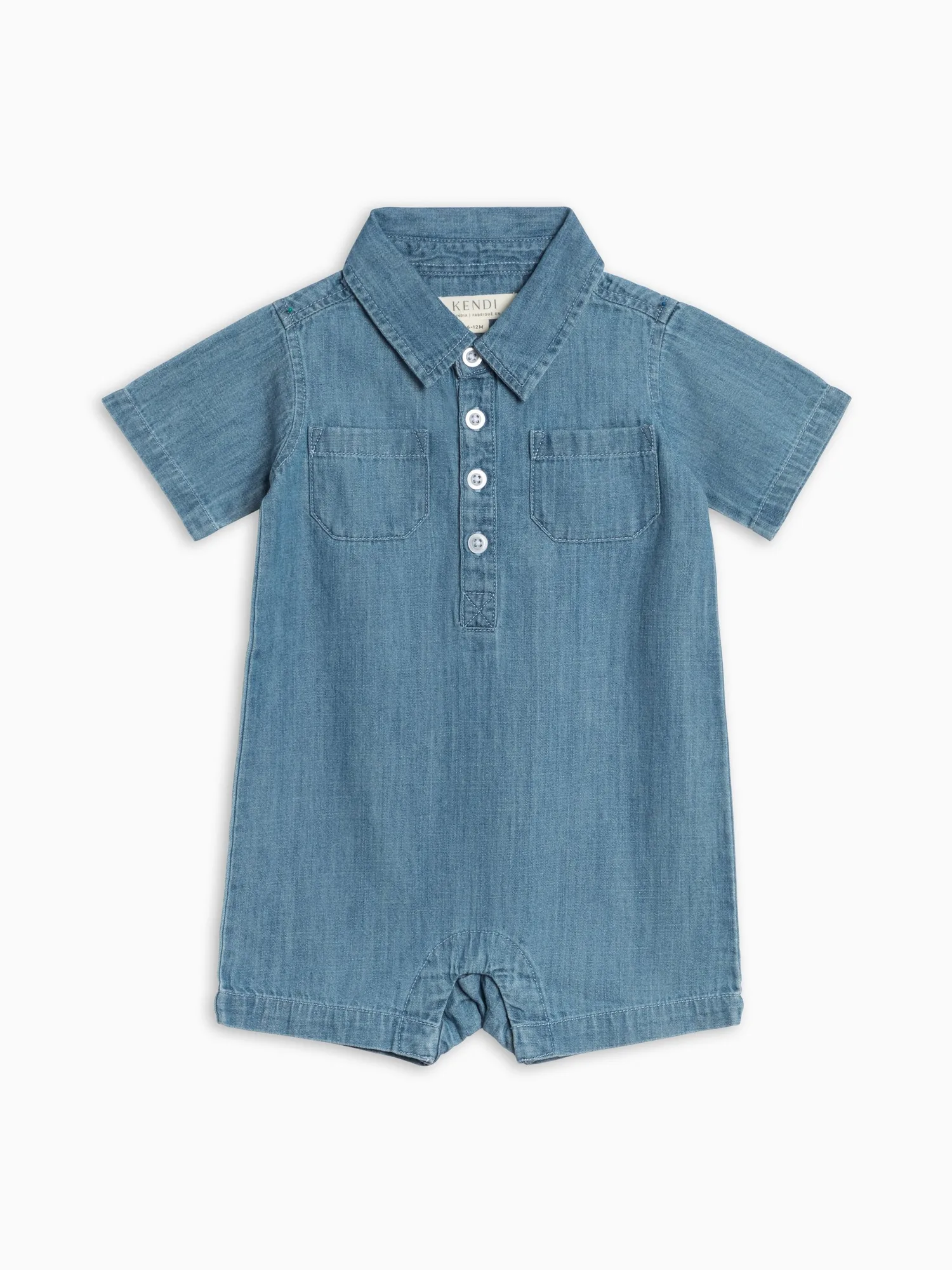
- Ted Chambray Collared Romper: The Ted Chambray Collared Romper is garment washed for softness and features a hidden snap leg opening and roomy pockets. Comfortable, non-binding clothing helps babies focus on walking. This romper's soft fabric and practical design support active play without irritation.