Quick answer
For most baby quilts, choose a low-loft, washable batting in cotton or a cotton-poly blend. Low loft keeps the quilt flexible for tummy time and stroller use, while washability matters because baby quilts get washed often. If the quilt is for a crib, keep it thin and avoid high-loft or heavily bonded battings that trap heat.
A baby quilt is not just a smaller version of an adult quilt. It gets dragged, spilled on, washed, and folded into a diaper bag. The batting you choose decides whether it stays soft, whether it survives repeated laundering, and whether it is safe for a crib.
This guide gives you concrete decision rules for batting for baby quilts. You will learn how loft, fiber, and washability interact, which options work for crib vs. play, and when a simple cotton batting is the smarter choice than a specialty product.
Start with how the quilt will be used
Before you read a single batting label, decide the quilt's job. A crib quilt that stays in a crib needs to be thin, breathable, and easy to wash. A play mat or tummy-time quilt can be a little thicker and more cushioned. A stroller quilt needs to be light enough to fold but warm enough for cool mornings.
Write down the intended use and the expected wash frequency. If the quilt will be washed weekly, prioritize washable batting for baby quilt projects and avoid anything that pills or clumps. If it is a decorative wall hanging or a keepsake, you have more freedom to choose loft and texture.
- Crib quilt: thin, breathable, machine washable.
- Play mat: slightly higher loft for cushioning, still washable.
- Stroller quilt: low loft, easy to fold, warm without bulk.
Loft: why low loft usually wins for babies
Loft is how thick the batting is. Low-loft batting baby quilt projects stay flat, drape well, and are easier to quilt on a home machine. They also let you quilt more densely without fighting bulk, which helps the quilt hold up to washing.
High-loft batting traps more air and feels puffier, but it can be too warm for a baby and harder to machine quilt. For a crib quilt, low loft is the safer default. If you want a puffy look for a play quilt, choose a mid-loft batting and quilt it less densely so it stays soft.
- Low loft: best for crib quilts and dense quilting.
- Mid loft: good for play mats and floor quilts.
- High loft: better for decorative quilts, not crib use.
Fiber choices and what they mean for washing
Cotton batting is breathable, washes well, and gives a flat, antique look. It can shrink slightly, so pre-wash if you want a crinkled finish or pre-shrink the batting if you want a flatter quilt. Cotton-poly blends resist shrinking and hold their shape, which makes them a practical choice for washable batting for baby quilt projects.
Polyester batting is lofty and dries quickly, but it can be warmer and may pill over time. Wool is warm and breathable but needs gentler care and is usually overkill for a baby quilt. Bamboo and other specialty fibers feel soft but check the manufacturer's wash instructions before committing.
- Cotton: breathable, flat, may shrink slightly.
- Cotton-poly blend: stable, resists shrinking, washes well.
- Polyester: lofty and warm, less breathable.
- Wool: warm but requires careful washing.
Safety rules for crib quilts
Safety guidance for cribs is clear: avoid loose bedding and thick quilts in a crib with a sleeping baby. A thin, low-loft quilt used as a decorative cover or for supervised tummy time is different from a quilt left in the crib during sleep. Always follow current safe-sleep recommendations from your pediatrician or health authority.
For batting safety baby quilt decisions, choose a batting that is clean, low-loft, and free of heavy bonding or stiff stabilizers. Avoid anything that feels hot or traps moisture. If you are unsure, make the quilt thinner rather than thicker.
- Keep crib quilts thin and low loft.
- Use quilts in the crib only for decoration or supervised play.
- Choose breathable fibers over heavy polyester when possible.
How to test batting before you buy
Order a small amount or a sample if you can. Fold it, hold it to your cheek, and imagine it after three washes. If it feels stiff or scratchy now, it will not get softer in a baby quilt. If it sheds fibers, it will shed more after washing.
Check the label for washing instructions and fiber content. If the batting does not list a wash temperature or drying method, treat that as a decision limitation and choose a different product. You want a batting that tells you exactly how to care for it.
- Feel for softness and drape before buying.
- Look for clear washing instructions on the label.
- Avoid batting that sheds or feels stiff.
Decision rules for choosing baby quilt batting
- If the quilt is for a crib: Choose low-loft, breathable batting and keep the quilt thin. Avoid high-loft or heavily bonded battings. Thin and breathable beats puffy for crib use.
- If the quilt will be washed often: Choose a washable batting in cotton or cotton-poly blend. Check the label for machine wash and dry instructions. Washability is non-negotiable for baby quilts.
- If you want a puffy play quilt: Use mid-loft batting and quilt it less densely. Keep it out of the crib during sleep. Save the loft for floor and play quilts.
- If the batting label is vague: Treat missing wash or fiber information as a limitation and choose a product with clear care instructions. No care label, no purchase.
Batting-friendly fabrics from our catalog
- Kona Cotton Navy - Dark Blue Solid Fabric: 100% cotton, 44'' wide, 4.35 oz. per square yard. A stable quilting cotton like this works well as a quilt top or backing for a low-loft baby quilt because it washes and wears predictably.
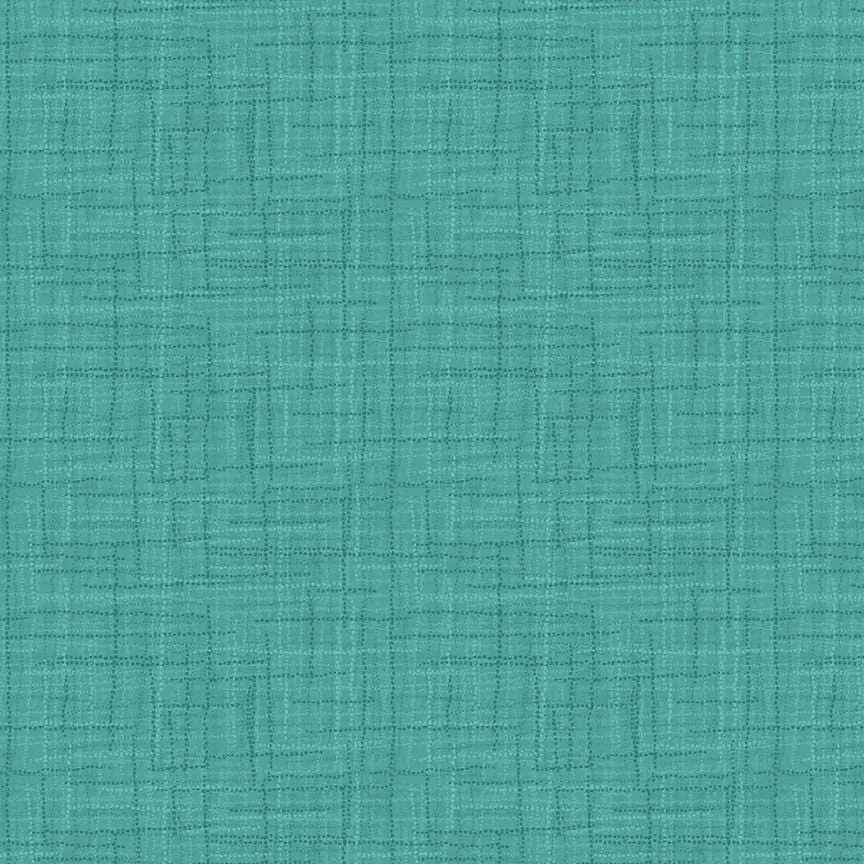
- Grasscloth Glacier by Heather Peterson for Riley Blake Designs: 100% cotton, 43''/44'' wide, machine wash cold and tumble dry low. A cotton basic with clear care instructions pairs neatly with washable batting for a baby quilt that will be laundered often.
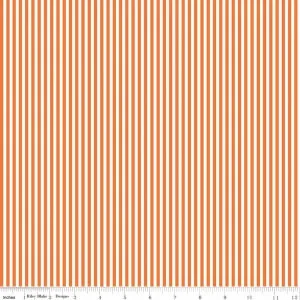
- Stripe 1/8 Inch ORANGE by Riley Blake Designs: 100% cotton, 43''/44'' wide. A lightweight cotton stripe is useful for binding or accent strips on a baby quilt without adding bulk over low-loft batting.
Is this batting right for your baby quilt?
Best for
- Crib quilts that need to be thin, breathable, and washable
- Baby quilts that will be laundered frequently
- Sewists who want a low-loft batting that is easy to machine quilt
Not for
- Quilts intended to be left in a crib during sleep
- Decorative high-loft quilts where puffiness is the main goal
- Projects where the batting lacks clear washing instructions
Choosing batting for baby quilts comes down to three checks: low loft for safety and drape, washable fiber for real life, and clear care instructions so you know what you are getting. When in doubt, go thinner, simpler, and easier to wash.