Quick answer
For cold weather commuting, choose a beanie that combines insulation, wind resistance, and a snug but comfortable fit. Look for materials like wool or fleece, and consider a style that covers your ears for extra warmth.
Why material matters more than style
The material of your beanie determines how well it traps heat and blocks wind. Wool and wool blends are excellent for insulation and moisture management, while acrylic offers a budget-friendly alternative that still provides decent warmth. Fleece-lined beanies add extra coziness and are great for extremely cold days.
Consider the conditions of your commute. If you walk or bike in windy areas, a tighter knit or a beanie with a wind-resistant layer will make a big difference. For milder cold, a lighter knit may be sufficient and more breathable.
Fit and coverage for all-day comfort
A beanie should fit snugly without being too tight. It should cover your ears and sit comfortably on your forehead. If you wear a helmet or headphones, look for a thinner style that doesn't add bulk.
Consider the length of your commute. A longer beanie that can be folded up gives you flexibility—wear it slouchy for casual style or fold it for a tighter fit. For active commutes, a beanie that stays in place during movement is essential.
Balancing warmth with breathability
While warmth is key, you don't want your head to overheat when you transition from outdoor to indoor spaces. Look for beanies that offer breathability, such as those with a looser knit or natural fibers like cotton blends.
If your commute involves temperature changes, consider a beanie that you can easily remove and stash in your bag. A packable design is a practical choice for commuters.
Step-by-step beanie selection
- Assess your commute conditions: Evaluate the typical temperature, wind, and duration of your commute. If you face biting wind, prioritize a tightly knit or wind-resistant beanie. For short trips in mild cold, a lighter option may suffice. Common mistake: choosing a beanie based on looks alone, ignoring wind chill and activity level.
- Choose the right material: Select a material that matches your needs. Wool or wool blends offer excellent insulation and moisture-wicking. Acrylic is a budget-friendly alternative that still provides warmth. For extra cold, look for fleece lining. Checkpoint: If you sweat easily, avoid pure synthetic materials that may trap moisture.
- Check the fit and coverage: Try the beanie on and ensure it fits snugly without being too tight. It should cover your ears completely and stay in place when you move your head. If you wear a helmet, opt for a thinner style. Common mistake: buying a beanie that is too loose, which lets heat escape and causes it to slip.
- Consider extra features: Look for features that enhance comfort: a fold-up cuff for adjustable coverage, a packable design for easy storage, or a tagless label to avoid itchiness. Checkpoint: If you need to wear headphones or a helmet, ensure the beanie is thin enough to not cause pressure points.
Product spotlight
-
SWISSGEAR Getaway Beanie: The SWISSGEAR Getaway Beanie is a classic woven cap that blocks the sun, wind, and cold to help keep you comfortable in any condition. This makes it a versatile choice for commuting, as it protects against both cold and wind while remaining stylish enough for everyday wear.
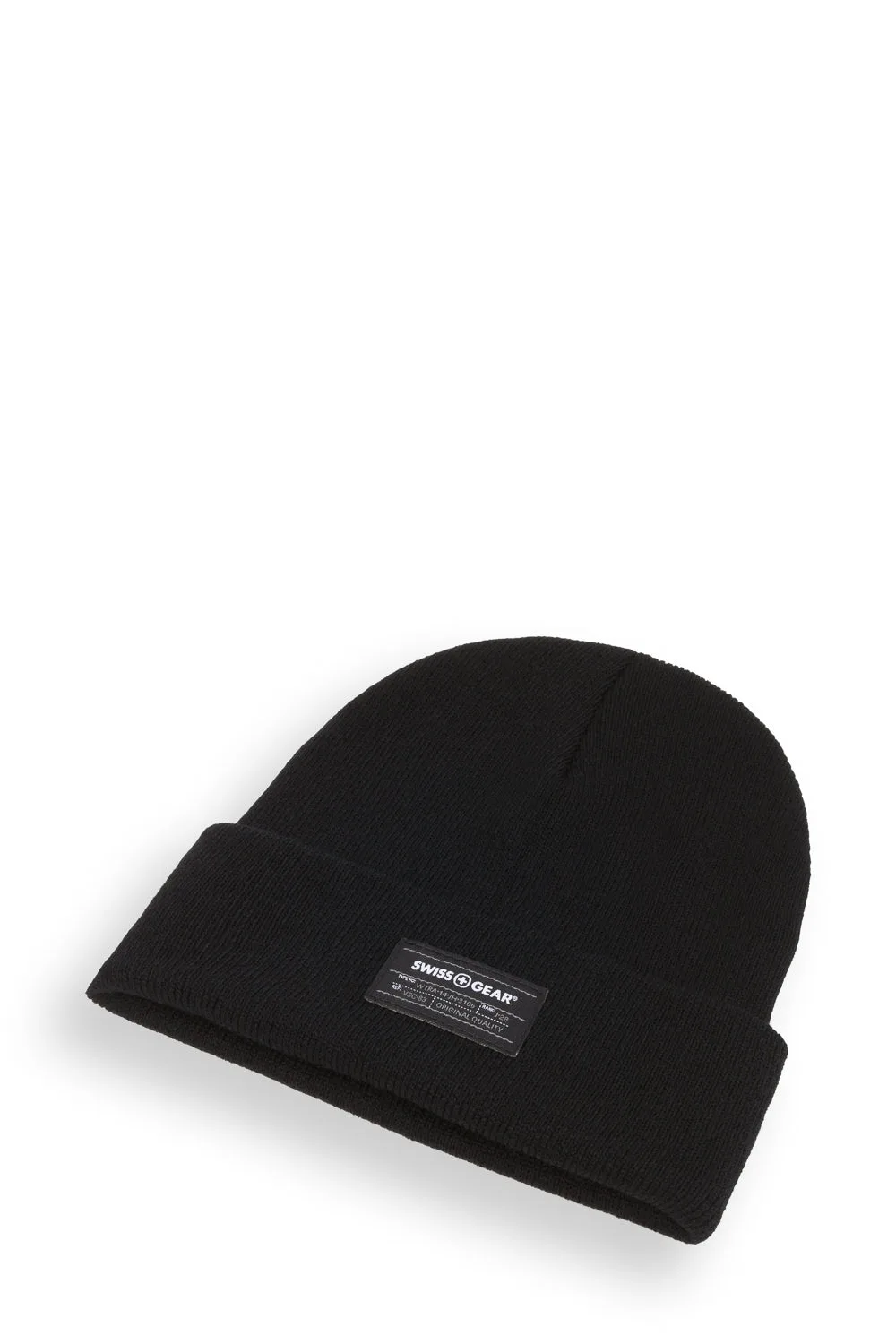
SWISSGEAR Getaway Beanie