With hundreds of multivitamins on the market, choosing the right one can feel overwhelming. The truth is, there is no single 'best' multivitamin for everyone—the ideal formula depends on your age, gender, diet, activity level, and even your stress levels. This guide breaks down what to look for at each stage of life and how to match a multivitamin to your unique lifestyle.
Whether you're a busy professional, an active athlete, or someone focusing on healthy aging, the goal is to fill nutritional gaps without overdoing it. In this buying guide, we'll walk you through the key nutrients to prioritize, how to read labels, and why the form of the supplement matters—so you can make an informed choice that supports your long-term health.
Why Age and Lifestyle Matter in a Multivitamin
Your nutritional needs change as you age. For example, women of childbearing age often need more iron and folate, while older adults may need extra vitamin D, calcium, and B12 for bone and brain health. Similarly, your lifestyle—whether you're highly active, vegetarian, or constantly stressed—affects which nutrients your body depletes faster.
A one-size-fits-all multivitamin might contain too much of some nutrients and too little of others. That's why it's essential to choose a formula that aligns with your specific stage of life and daily demands. This approach ensures you get the right balance without risking toxicity or waste.
- Age 20-30: focus on energy metabolism, immune support, and stress management.
- Age 40-50: prioritize antioxidants, magnesium, and vitamin D for bone and heart health.
- Age 60+: emphasize B12, vitamin D, calcium, and cognitive support.
Key Nutrients to Look For by Life Stage
In your 20s and 30s, your metabolism is still efficient, but stress and poor sleep can deplete magnesium and B vitamins. A multivitamin with a full B-complex, vitamin C, and magnesium can support energy and resilience. If you're active, you might also benefit from electrolytes like potassium and magnesium to support muscle function.
In your 40s and 50s, bone density and heart health become priorities. Look for vitamin D3, calcium, magnesium, and vitamin K2. For women approaching menopause, iron needs may decrease, but calcium and magnesium become even more crucial. Men may want to focus on zinc and antioxidants like selenium to support prostate health.
After 60, absorption of vitamin B12 and vitamin D often declines. A multivitamin with high bioavailability forms (like methylcobalamin for B12) is ideal. Additionally, magnesium supports sleep, muscle function, and heart rhythm—all common concerns as we age.
- Women under 50: ensure adequate iron and folate unless advised otherwise.
- Men over 50: consider a formula with less iron and more zinc and vitamin D.
- Vegans/vegetarians: look for B12, iron, and omega-3 (if included).
Lifestyle Considerations: Active, Stressed, or Diet-Restricted
Your daily routine heavily influences your nutrient needs. If you're a high performer—whether in sports or a demanding job—your body uses more magnesium and B vitamins for energy production and stress response. In such cases, a standalone magnesium supplement like Magnesium Bisglycinate 500mg Capsules can complement your multivitamin, as magnesium is often underdosed in multivitamins.
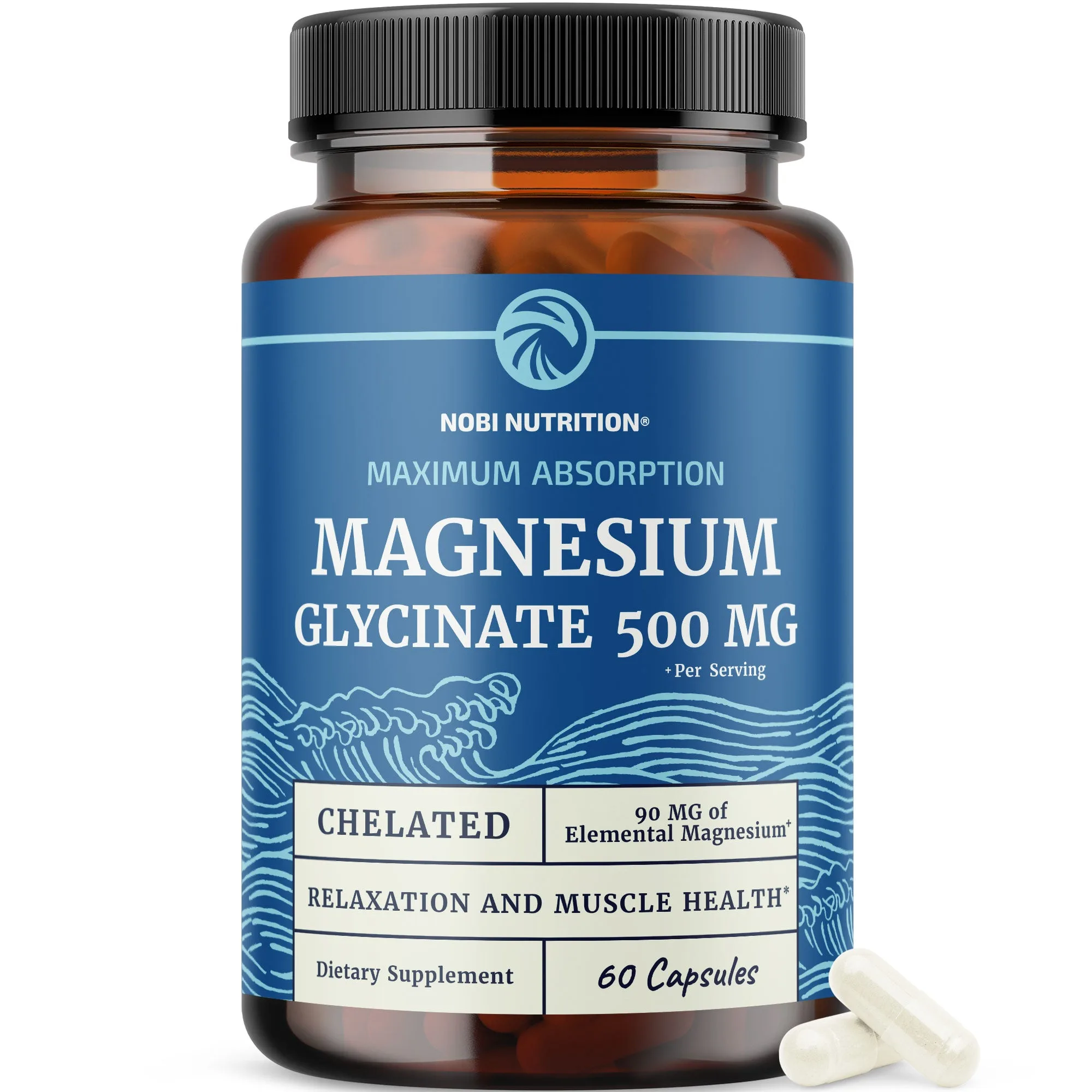
Magnesium Bisglycinate 500mg Capsules
If you follow a plant-based diet, you may lack vitamin B12, iron, and zinc. Choose a multivitamin that includes these in well-absorbed forms. For those who are frequently stressed, adaptogens like ashwagandha (if included) and a solid B-complex can help. And if you struggle with sleep, a magnesium supplement before bed—like Magnesium Glycinate Gummy—might be a better addition than a high-dose multivitamin at night.
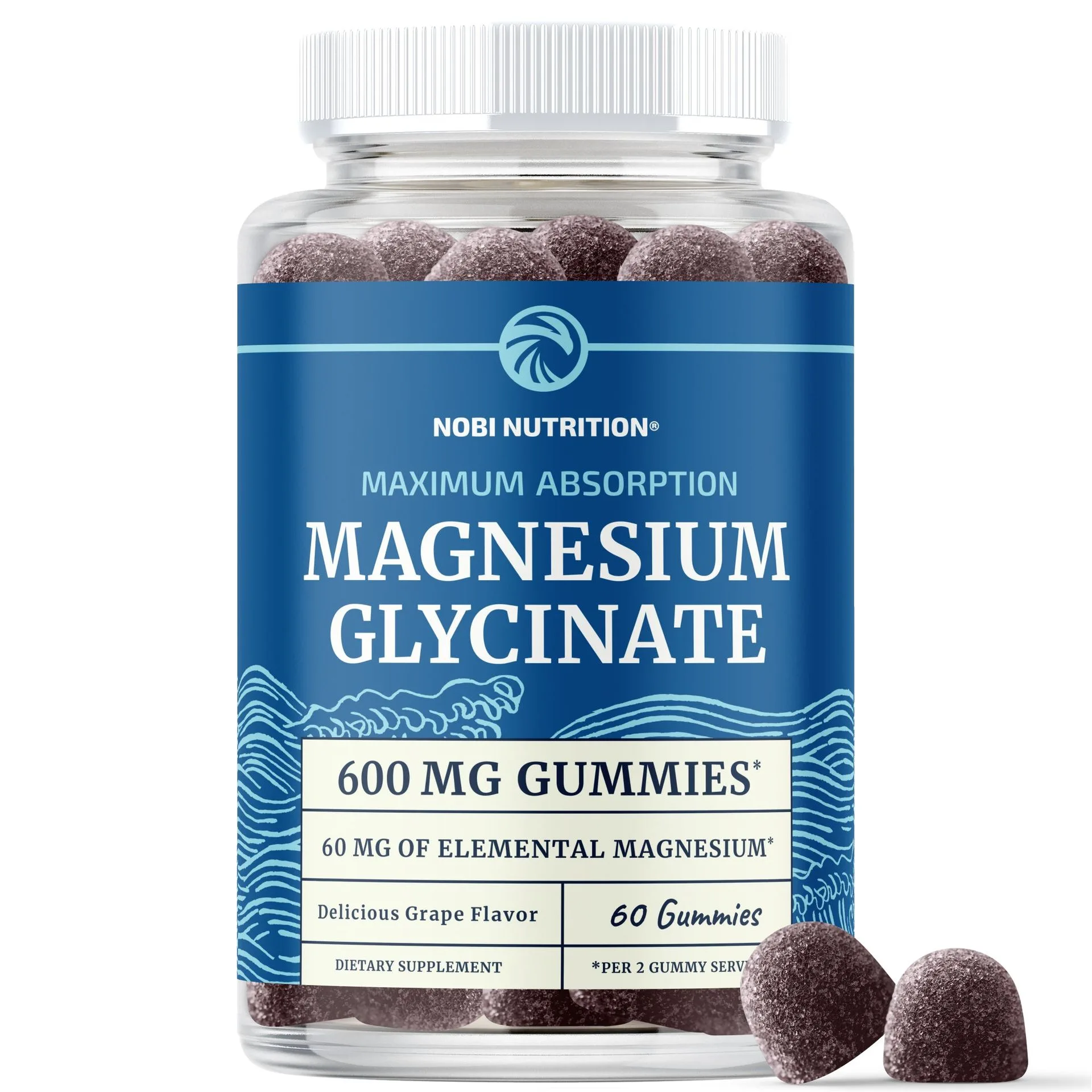
Magnesium Glycinate Gummy
- Athletes: prioritize magnesium, sodium, and potassium for muscle recovery.
- Chronic stress: increase intake of B vitamins, vitamin C, and magnesium.
- Restricted diets: check for vitamin D, calcium, iron, and B12.
How to Read a Multivitamin Label Like a Pro
Start with the 'Supplement Facts' panel. Check the percent Daily Value (%DV) for each nutrient. Aim for formulas that provide 100% DV for most vitamins and minerals, but be cautious with fat-soluble vitamins (A, D, E, K) to avoid excessive accumulation. Also, look for the forms of nutrients—for example, magnesium citrate is better absorbed than magnesium oxide, and vitamin E as mixed tocopherols is superior to synthetic alpha-tocopherol.
Next, consider the serving size. Some multivitamins require two or three pills daily; others are one-a-day. If you have trouble swallowing pills, you might prefer gummies or powders. However, note that gummies often contain added sugars and may lack certain minerals like iron. Weigh the pros and cons based on your needs.
- Check for third-party testing or certifications if quality is a concern.
- Avoid proprietary blends that hide individual nutrient amounts.
- Look for methylated B vitamins (e.g., methylfolate, methylcobalamin) for better absorption.
Combining Multivitamins with Targeted Supplements
A multivitamin is a great foundation, but sometimes you need extra support. For example, if you're over 50 and concerned about bone health, you might add a calcium and vitamin D supplement. If you're prone to muscle cramps or poor sleep, a dedicated magnesium supplement can make a big difference.
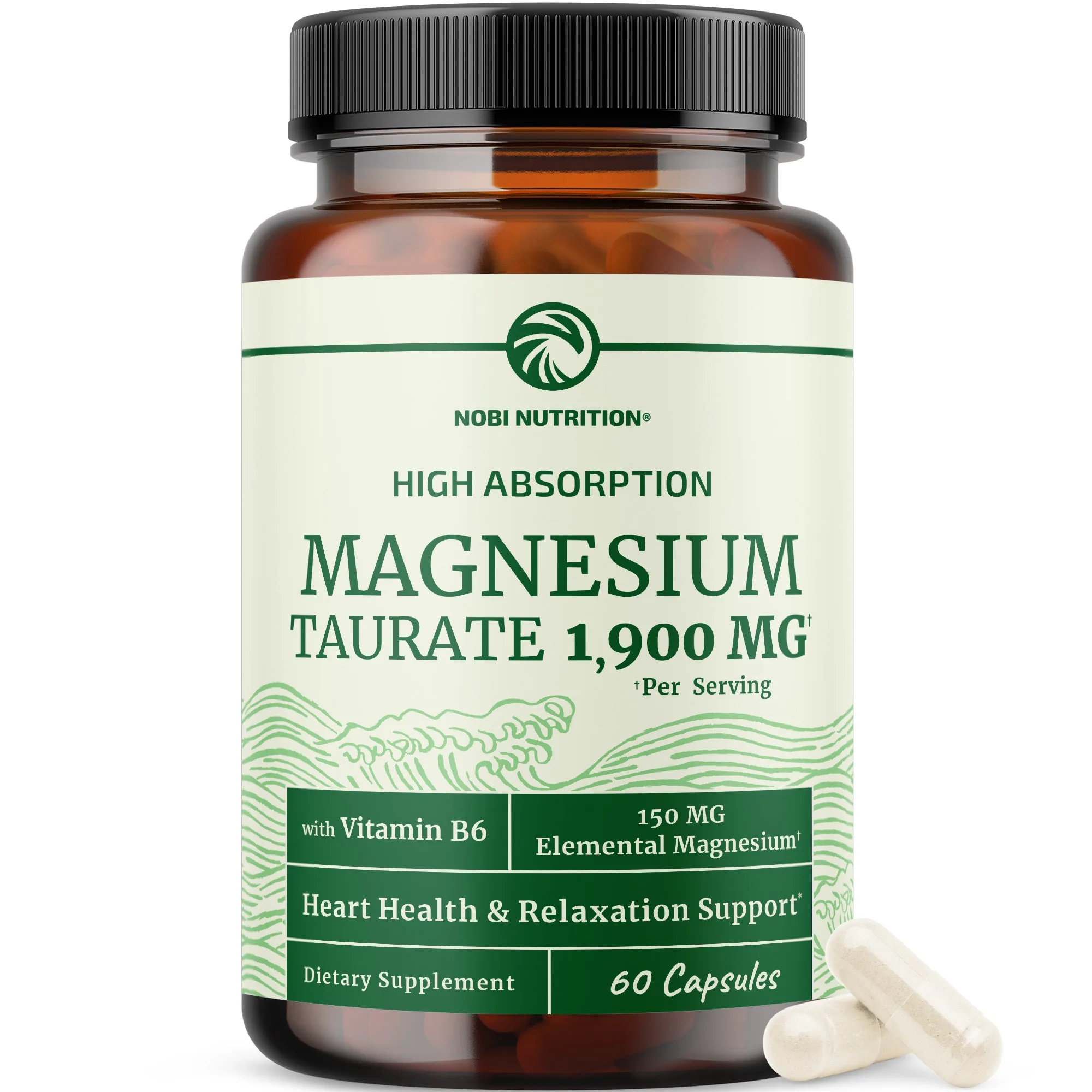
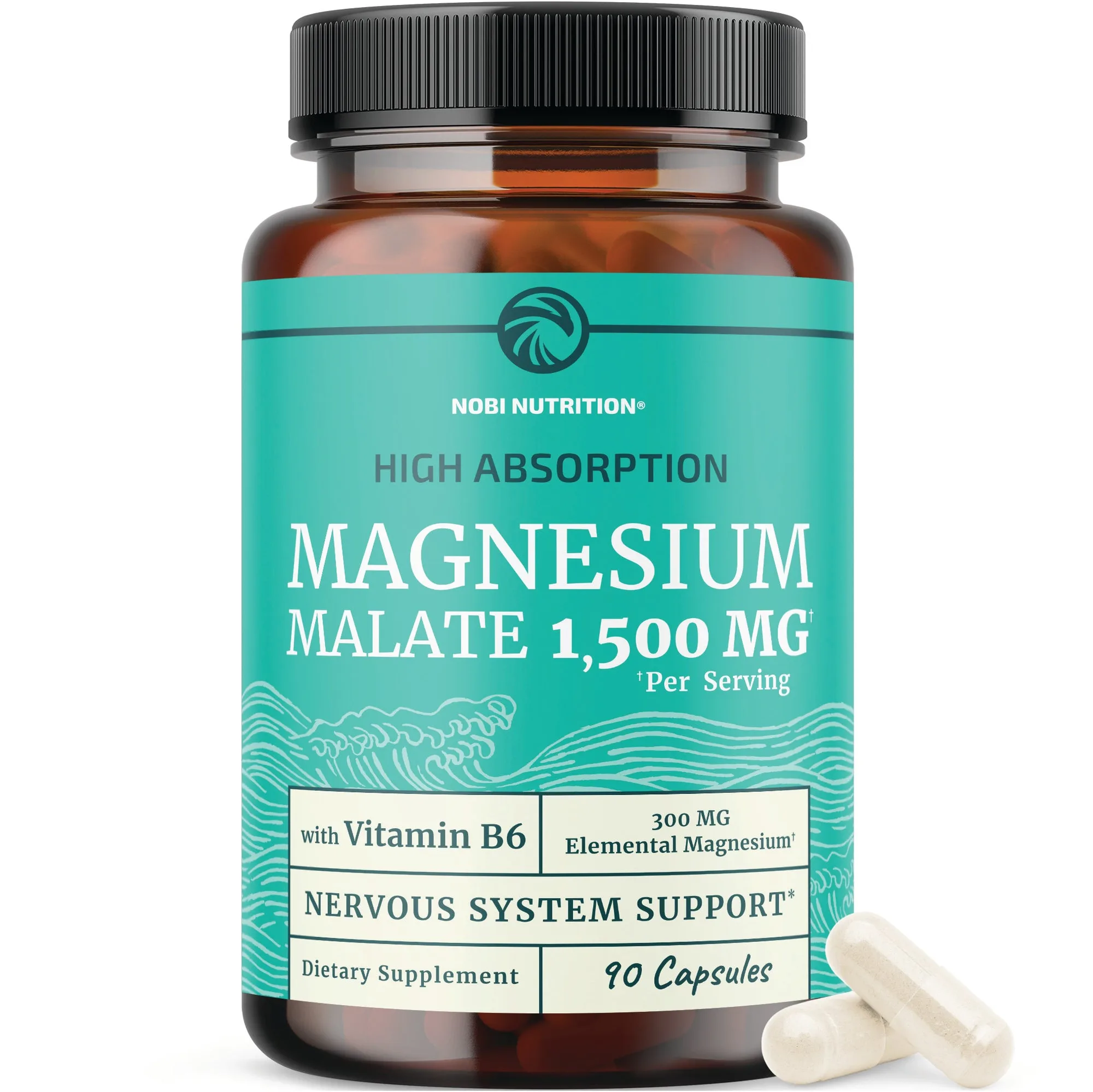
At Nobi Nutrition, we offer several targeted magnesium options that pair well with a daily multivitamin. For instance, Magnesium Malate Capsules are excellent for energy and muscle function, while Magnesium Taurate Capsules support heart health and calmness. These can be taken alongside your multivitamin, but be mindful of total intake to avoid exceeding upper limits.
- For sleep: magnesium glycinate or taurate before bed.
- For muscle recovery: magnesium malate or citrate after workouts.
- For heart health: magnesium taurate or potassium-magnesium combo.
Choosing the best multivitamin for your age and lifestyle doesn't have to be complicated. Start by assessing your life stage, dietary patterns, and activity level, then look for a formula that fills your specific gaps. Remember, a multivitamin is a safety net, not a substitute for a healthy diet. And if you need extra support in a particular area—like magnesium—consider adding a targeted supplement from Nobi Nutrition. For a high-quality, easily absorbed option, check out our Magnesium Bisglycinate 500mg Capsules to complement your daily routine.