Quick answer
For most quilters, a 45mm rotary cutter is the best all-rounder: it handles two to four layers of quilting cotton, works with standard rulers, and blades are widely available. Choose a 28mm cutter for curves, small templates and appliqué, and a 60mm cutter when you regularly cut five or more layers, strip sets or thick materials. Many sewists end up owning a 45mm plus one specialty size.
Walk into any quilt shop and you'll see rotary cutters in three common blade sizes: 28mm, 45mm and 60mm. The size you pick changes how much fabric you can cut at once, how tight a curve you can follow, and how much you'll spend replacing blades over time. It's not about one being better — it's about matching the tool to the cut.
This guide breaks down the practical differences so you can decide whether to buy one cutter or build a small set. We'll cover cut depth, ruler compatibility, blade costs and the projects where each size earns its place, then give you a simple decision rule you can apply before you add another cutter to your cart.
What the blade size actually changes
Blade diameter determines the maximum depth of cut and the minimum curve radius. A 28mm blade is small and nimble, so it turns tightly around curves and small templates, but it only cuts through about one to two layers of quilting cotton. A 45mm blade is the middle ground: it cuts roughly two to four layers and still follows gentle curves. A 60mm blade cuts the deepest — often five or more layers — but it's clumsy on tight curves because the larger blade has a wider turning radius.
Blade size also affects how the cutter feels in your hand. Smaller blades put less resistance against the fabric, which can be helpful if you have hand fatigue or prefer a lighter touch. Larger blades require more downward pressure but cover more distance per stroke. None of these numbers are universal — fabric weight, blade sharpness and your cutting mat all influence the real limit — so treat them as starting points and test on scrap fabric.
- 28mm: best for curves, appliqué and small shapes
- 45mm: best all-purpose size for quilting cotton
- 60mm: best for multi-layer and thick material cutting
How to match cutter size to your projects
If you mostly cut quilting cotton for pieced quilts, a 45mm cutter is the workhorse. It pairs with the 6" x 24" ruler most quilters already own, and it's the size you'll find in most rotary cutter buying guides because it balances control and capacity. For strip piecing, cutting multiple 2.5" strips at once, or trimming half-square triangles in batches, the 45mm keeps up without the bulk of a 60mm.
Reach for a 28mm when precision matters more than speed: cutting around curved templates, trimming small appliqué pieces, or navigating inside corners. A 60mm cutter makes sense if you cut backing fabric, batting, fleece, or several layers of cotton at once. It's also handy for long straight cuts where you want fewer passes. If you only buy one cutter, start with 45mm; add a 28mm or 60mm later based on what you actually cut.
- Cutting curves or tiny pieces? Go 28mm.
- Cutting standard quilt pieces? Go 45mm.
- Cutting batting, backing or 5+ layers? Go 60mm.
Blade cost, sharpness and replacement
Blade size affects how often you replace blades and how much each replacement costs. Smaller blades have less cutting edge, so they dull faster on heavy use, but they cost less per blade. Larger blades last longer between changes but cost more upfront. If you cut daily, factor blade cost into your decision — a 60mm blade that lasts twice as long may be cheaper per cut than a 28mm blade you replace often.
Sharpness matters more than size for clean cuts. A dull 60mm blade will chew fabric and skip threads just as a dull 28mm will. Replace blades when you notice frayed edges, skipped threads, or the need to press harder. Keep a spare blade on hand so you're not tempted to push a dull one through a project. Always retract the blade when the cutter is not in use and store it safely.
- Buy blades in the size you use most to reduce cost per cut.
- Replace at the first sign of fraying or skipping, not when it stops cutting entirely.
- Never leave a rotary cutter with the blade exposed.
Rulers, mats and ergonomics
Your ruler and mat should match your cutter size for the best results. A 45mm cutter glides along standard acrylic rulers without rocking; a 60mm cutter can feel top-heavy against a thin ruler, so use a thicker or wider ruler for stability. A 28mm cutter works well with small rulers and templates, but it can wobble on long straight cuts because there's less blade contact with the mat.
Ergonomics matter if you cut for long sessions. Some cutters have curved handles or spring-loaded guards that reduce hand strain. If you have wrist or grip issues, try a 28mm or 45mm before committing to a 60mm, which requires more force. A comfortable cutter you actually use beats a larger one that sits in a drawer.
- Match cutter size to ruler thickness for control.
- Use a self-healing mat sized to your largest cuts.
- Test the handle shape before buying if you cut often.
Decision rules for picking your rotary cutter size
- If you cut mostly straight strips and squares from quilting cotton: Choose a 45mm cutter. It handles two to four layers, fits standard rulers, and blades are easy to find. Start here if you're buying your first rotary cutter.
- If you cut curves, appliqué or small templates: Choose a 28mm cutter. The smaller blade turns tighter and gives you more control on detailed shapes. Add this as a second cutter if you already own a 45mm.
- If you cut five or more layers, batting or backing: Choose a 60mm cutter. It covers more fabric per stroke and handles thick materials that stall smaller blades. Worth it if you frequently cut large pieces or multiple layers.
- If you're unsure or want one cutter for everything: Buy a 45mm first. It's the most versatile size for quilting and general sewing, and you can add a specialty size later. A 45mm plus a spare blade covers most projects.
Fabric facts that affect cutter choice
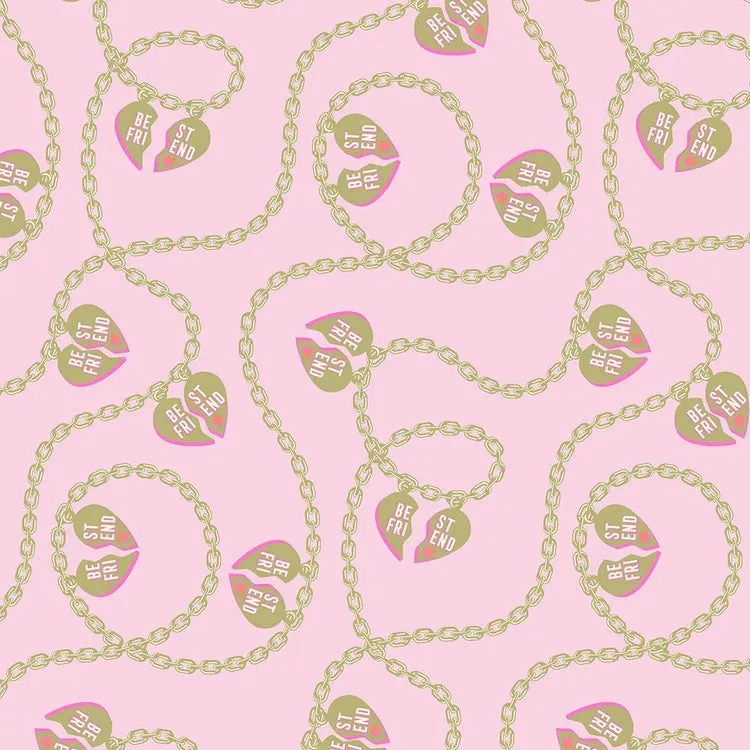
- Tula Pink Besties Lil Charmer - Blossom 1/2 yd: 100% quilting-weight cotton, 44/45" wide, sold by the 1/2 yard. Quilting-weight cotton like this is the standard fabric for 45mm cutting; it layers predictably and works with any blade size, though a 28mm is better for fussy-cutting the small Lil Charmer print.
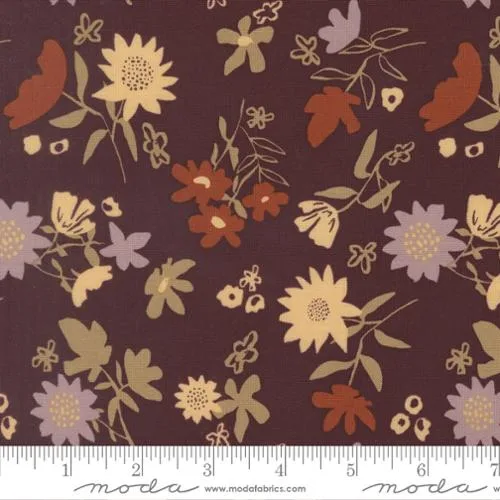
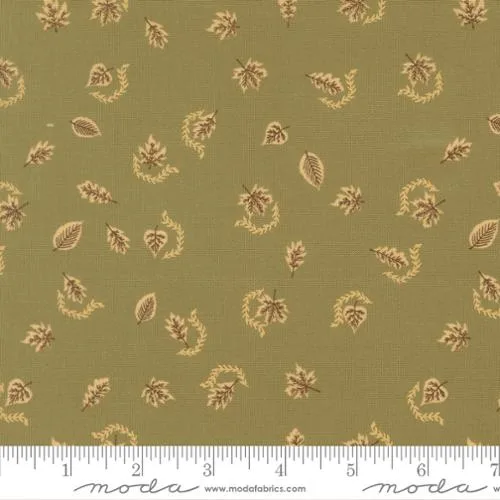
- Moda Windfall - Merlot 1/2 yd: 100% cotton, 44/45" wide, from the Windfall collection by Stephanie Sliwinski for Moda Fabrics. A mid-weight quilting cotton that cuts cleanly with a 45mm blade; if you're cutting multiple half-yard pieces into strips, a 60mm cutter can speed up the process.
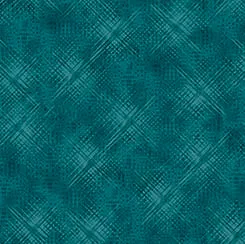
- Vertex – Teal (29513-QW) 1/2 Yard: 100% cotton, 44/45" wide, quilting weight, from QT Fabrics Studio. This weave blender has a subtle pattern, so a sharp blade matters more than size; a 45mm keeps edges crisp, while a 28mm helps if you're cutting small accent shapes.
Who each size is for
Best for
- Quilters cutting standard strips, squares and half-square triangles
- Sewists who want one versatile cutter for most fabric cutting
- Beginners buying their first rotary cutter
Not for
- Cutting tight curves or tiny appliqué pieces (choose 28mm)
- Cutting five or more layers or thick batting (choose 60mm)
- Cutting very long straight strips in one pass (choose 60mm)
Match the blade to the cut, not the other way around. A 45mm rotary cutter covers most quilting and sewing tasks; a 28mm earns its keep on curves and small shapes, and a 60mm saves time on thick or multi-layer cuts. If you're unsure, start with 45mm, keep a spare blade on hand, and add a specialty size when your projects demand it.