Quick answer
For most dogs, choose a grooming loop lead with a quick-release buckle for standing work, and add a belly sling when the dog tends to sit or you need rear-end support. Use a noose-style restraint only for short, controlled moments. The best grooming lead for dogs is the one that matches your dog's size, coat, and behavior, not the one with the most features.
Grooming leads and slings are the quiet safety net of every grooming appointment. They keep a dog from jumping off the table, help you work around the face and feet, and reduce strain on your back and wrists. But walk into any supply catalog and you will see loops, slings, nooses, belly bands, and cross ties that all look similar and claim similar benefits.
This grooming leads buying guide cuts through the overlap. It explains what each type actually does, how to check fit before you buy, and the trade-offs that matter when you are holding clippers in one hand and a wiggling dog in the other. You will also see how restraint choices connect to the rest of your grooming routine, from coat care to finishing touches.
The four main restraint types and what they are for
Grooming loop leads are the standard table restraint. A loop goes around the neck or upper chest and clips to a grooming arm. They are quick to attach, easy to adjust, and work well for standing or sitting dogs during brushing, clipping, and nail work. Look for a loop that tightens only when needed and releases instantly with one hand.
Belly slings support the rear half of the dog. They are useful for elderly dogs, dogs with hip issues, or any dog that tends to sit down mid-groom. A sling takes weight off the hind legs and keeps the dog upright so you can work on the belly, rear, and tail without constantly repositioning.
Noose-style restraints are a loop on a fixed or sliding line, often used in professional salons for short procedures. They offer the most control but carry the highest risk if sized or used incorrectly. Reserve them for calm dogs and brief tasks, and never leave a dog unattended in a noose.
Cross-tie or two-point systems attach at the chest and rear. They are common in show grooming and for dogs that spin or back out of a single loop. They cost more, take longer to set up, and require a dog that tolerates two contact points without panicking.
- Match the restraint to the task: loop for standing work, sling for sitting dogs, noose for short control moments.
- Check that every buckle releases with one hand while your other hand stays on the dog.
- If your dog backs out of a loop, switch to a two-point system rather than tightening the loop.
Fit guidance: measure before you buy
Fit is where most restraint problems start. For a neck loop, measure the dog's neck at the base, then add two fingers of slack. A loop that sits too high can press on the throat; one that sits too low can slip over the shoulders. For a belly sling, measure the distance from the front of the hind leg to the rear of the ribcage, then check the sling's strap range against that number.
Width matters as much as length. Narrow straps dig into thin-coated or senior dogs, while wide padded straps distribute pressure better on large breeds. If a product listing does not state strap width or adjustment range, treat that as a decision limitation and look for a listing that does.
Always test a new restraint on a calm dog at ground level before using it on the table. Adjust the loop or sling, clip it to your arm or a stable anchor, and watch how the dog reacts to gentle pressure. A restraint that causes panic at ground level will not improve on a raised table.
- Neck loop: base of neck plus two fingers of slack.
- Belly sling: hind-leg-to-ribcage length must fall inside the stated strap range.
- If width or range is not listed, ask before buying rather than guessing.
Materials, hardware, and coat considerations
Nylon webbing is the most common material because it is strong, dries fast, and cleans up easily. Padded or fleece-lined loops are kinder to short-coated breeds and dogs with sensitive skin. Leather looks professional and holds up well but needs conditioning and does not tolerate repeated wet use as gracefully as nylon.
Hardware is the part that fails first. Look for metal buckles and D-rings rather than plastic, especially for dogs over 30 pounds. A quick-release buckle is worth the extra cost because it lets you free the dog instantly if it panics or gets a leg caught.
Coat type changes the equation. Dogs with long or double coats can catch fur in exposed buckles and sliders, so choose smooth-edged hardware or a loop design with a covered buckle. Short-coated dogs are more prone to strap chafing, so padding matters more than hardware style.
- Prefer metal hardware for dogs over 30 pounds.
- Choose padded loops for short coats and seniors; smooth hardware for long or double coats.
- Rinse and dry nylon restraints after every wet groom to prevent odor and stiffness.
How restraint fits into the rest of the grooming routine
A good restraint buys you calm hands, and calm hands make every other product work better. When the dog is stable, you can apply coat care products evenly instead of chasing patches. For example, Showseason Grip and Strip Powder-16oz. is used for ear hygiene and as a hand-stripping aid; both tasks go faster when the dog is not shifting under a loose loop.
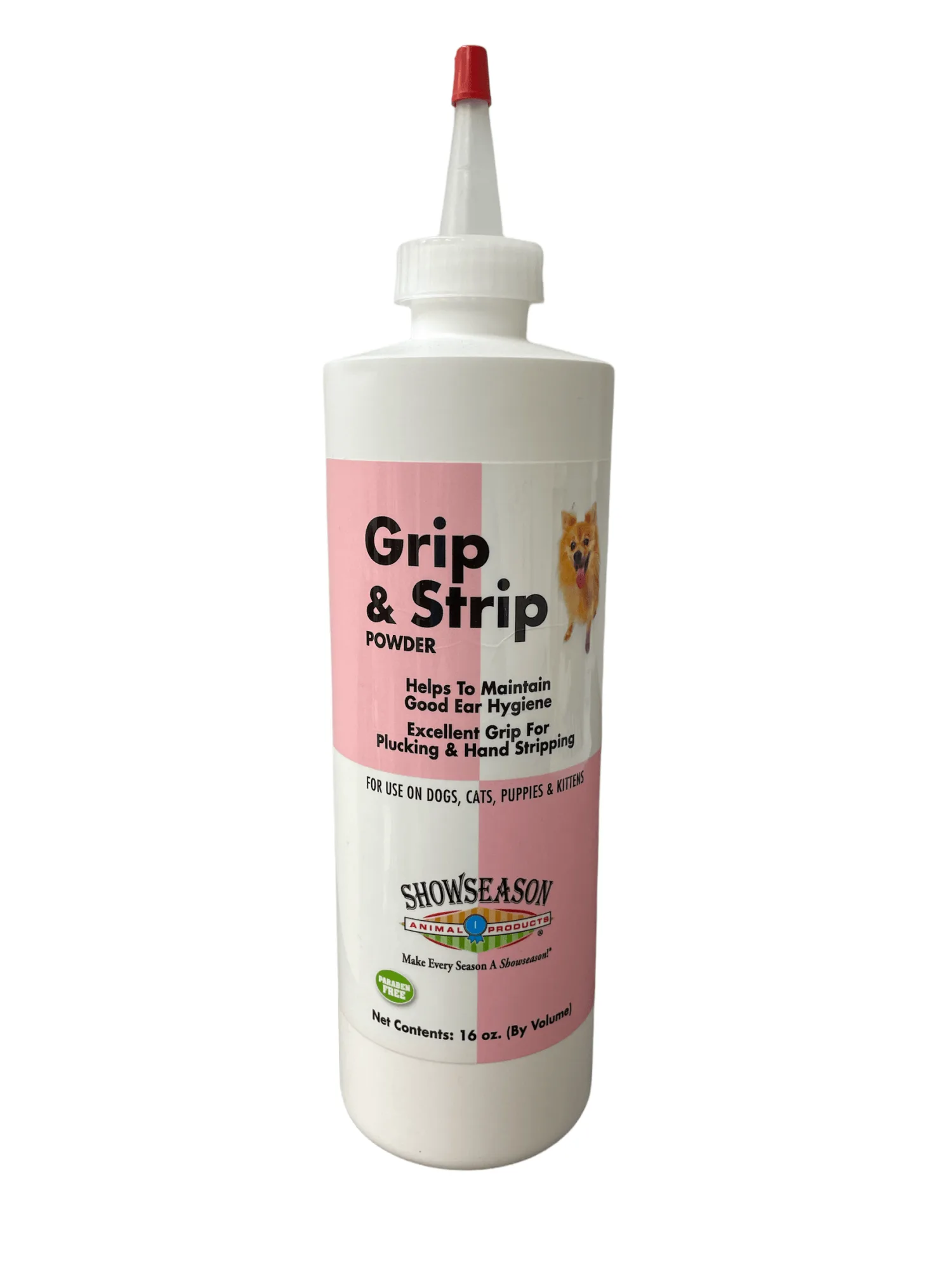
Showseason Grip and Strip Powder-16oz.
Restraint also affects how long you can safely work. A dog that is supported in a belly sling can stand longer for a full groom, which means you can finish with a light finishing spray or cologne without rushing the last steps. Hydra World Edition Cologne Sakura Bloom 4.06oz is a fruity amber-floral option that works well as a final touch once the dog is secure and relaxed.
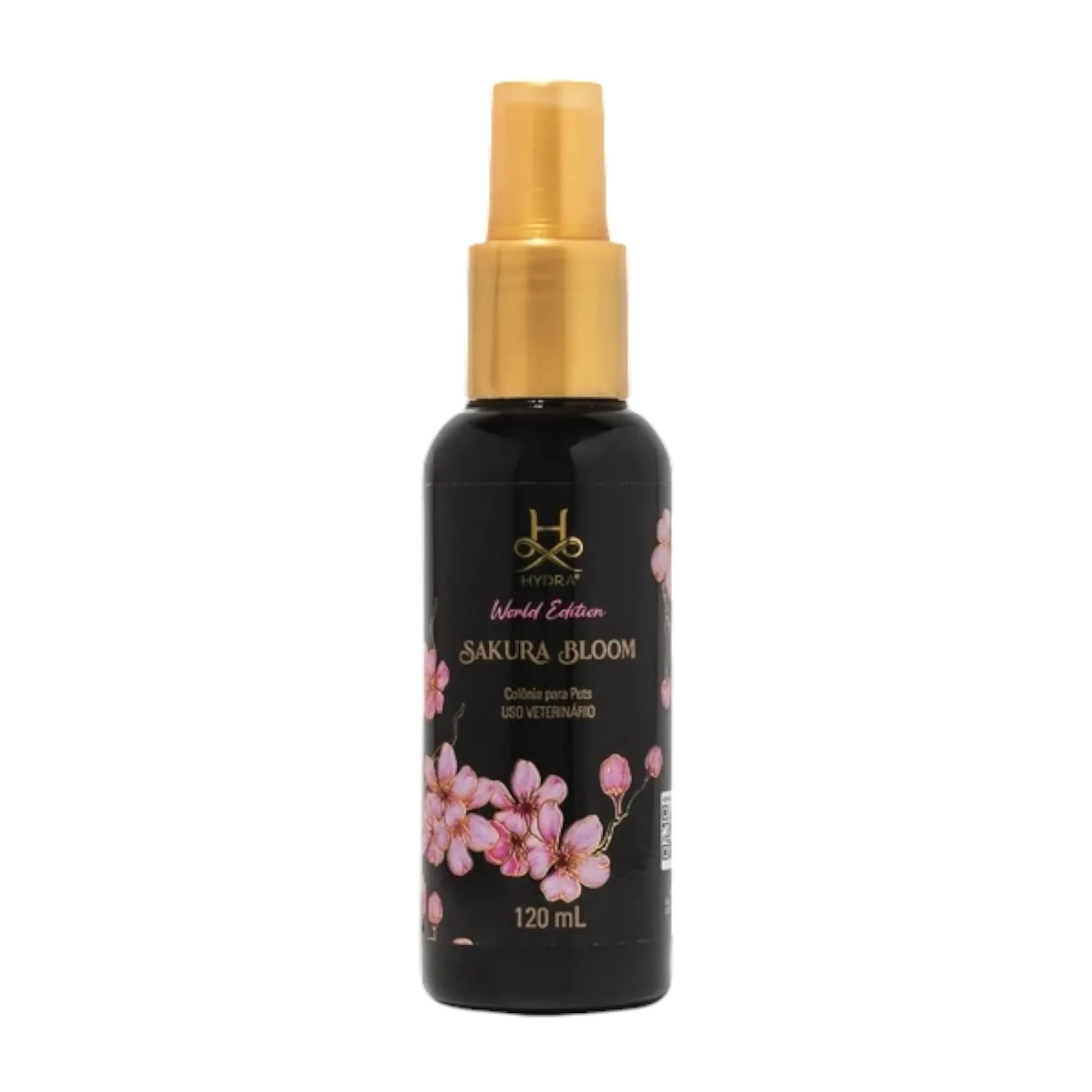
Hydra World Edition Cologne Sakura Bloom 4.06oz
Finally, restraint is not a substitute for handling skill. If a dog fights every loop, the answer is usually a different restraint type or a break, not a tighter fit. Pair your lead choice with a calm, predictable routine and the dog will settle faster.
- Stable restraint lets you apply coat and ear products evenly.
- Use a sling for long grooms so the dog can stand without fatigue.
- Never tighten a loop to stop a dog from fighting it; change the setup instead.
Decision rules for buying grooming leads and slings
- If the dog sits down mid-groom: Add a belly sling rather than tightening the neck loop. A sling supports the rear and keeps the dog upright without throat pressure. Choose a sling with an adjustable strap range that covers your dog's hind-leg-to-ribcage measurement.
- If the dog backs out of a single loop: Switch to a two-point or cross-tie system that contacts the chest and rear. This prevents backing out without relying on a tighter neck fit. Two-point systems cost more and take longer to set up, so reserve them for repeat escape artists.
- If the dog has a long or double coat: Choose smooth, covered hardware and avoid exposed sliders that catch fur. Padded loops are optional here; smooth edges matter more. Check the product listing for covered buckles before buying.
- If the dog is a senior or has hip issues: Prioritize a padded belly sling with wide straps and a quick-release buckle. Narrow straps concentrate pressure and are harder on older joints. Test at ground level first and watch for any reluctance to bear weight.
- If you groom multiple sizes: Buy two or three adjustable loops in different width classes rather than one universal lead. A loop that fits a Chihuahua will not safely fit a Labrador. Label each lead by size class so you grab the right one without guessing.
Products that pair with a solid restraint setup
- Showseason Grip and Strip Powder-16oz.: Helps maintain good ear hygiene and control odors in dogs, cats, puppies, and kittens. Strong gripping power when plucking ears, and an excellent hand-stripping aid. Paraben free, biodegradable, non-toxic, and cruelty-free. Ear plucking and hand stripping both require a steady, restrained dog, so this powder is easier to use when your loop or sling is fitted correctly.
- Hydra World Edition Cologne Sakura Bloom 4.06oz: A fruity amber-floral scent blending lychee, peach, and strawberry top notes with jasmine, muguet, and sakura blossom, grounded by cedarwood, sandalwood, and musk. Delivers a graceful, luminous finish. A final cologne is the last step of a groom, and it goes on cleanly when the dog is standing calmly in a well-fitted lead or sling.
Who should buy which restraint
Best for
- Professional groomers who need fast, one-hand release during standing work
- Owners of senior or hip-compromised dogs who need rear-end support
- Show groomers who need two-point control for dogs that spin or back out
Not for
- Dogs that panic in any neck loop; these dogs need a different handling approach, not a tighter restraint
- Owners who cannot supervise the dog at all times, since no restraint replaces direct supervision
- Puppies under six months who are still learning table manners and may be better served by short, positive sessions
Pick the restraint that matches your dog's size, coat, and behavior, then test the fit at ground level before it ever touches a grooming table. A quick-release loop for standing work, a padded belly sling for sitters, and a two-point system for escape artists will cover most situations. Buy for fit and hardware quality first, and the rest of your grooming routine gets easier.