Quick answer
For birding and nature, choose binoculars with 8x to 12x magnification, good light transmission, and weather sealing. Image stabilization helps at higher magnifications, especially when hand-holding.
Magnification and objective lens size
The first number in a binocular spec (e.g., 10x42) is the magnification. For birding, 8x to 12x is the sweet spot. 8x gives a wider field of view, making it easier to track moving birds. 10x pulls details closer but narrows the view. 12x requires a very steady hold or image stabilization to avoid blur.
The second number (e.g., 42mm) is the objective lens diameter. Larger lenses gather more light, improving performance in dawn or dusk. But they also add weight. A 42mm objective is a common balance for all-day nature walks.
Image stabilization vs. traditional optics
Image-stabilized binoculars use electronic gyros to counteract hand shake. They let you hold higher magnifications (like 12x or 14x) steady without a tripod. This is a real advantage for long birding sessions or when you're on a boat or in a hide.
Traditional binoculars are lighter, simpler, and never need batteries. If you mostly bird in open fields with a tripod or rest, a quality non-stabilized pair can be more practical and cost-effective.
Waterproofing and durability
Birding and nature outings often mean rain, mist, or splashes. Look for binoculars that are waterproof and fog-proof. Many models are sealed with O-rings and filled with dry nitrogen or argon to prevent internal fogging.
Some binoculars are also buoyant, adding a safety net if you drop them in water. This is useful near lakes, rivers, or coastal birding spots.
How to decide: 3 key rules
- Match magnification to your stability: If you plan to hand-hold binoculars most of the time, choose 8x or 10x. For 12x or 14x, look for image stabilization to keep the view steady.
- Prioritize optical quality over zoom range: Higher magnification is not always better. A 10x binocular with excellent glass and coatings will show more detail than a 12x with poor optics. Look for ED glass and multi-coatings. Check for ED lens elements and multi-coatings for best clarity.
- Consider your environment: If you bird in wet or humid conditions, choose a waterproof model. If you bird from a boat or kayak, consider a buoyant design. A waterproof, fog-proof binocular is essential for year-round nature use.
Product facts
-
FUJINON TS-X1440 Techno-Stabiscope Binoculars Navy: The FUJINON TS-X1440 has a floating design and is buoyant. If you accidentally drop it in water while birding near a pond or shore, it floats rather than sinks.
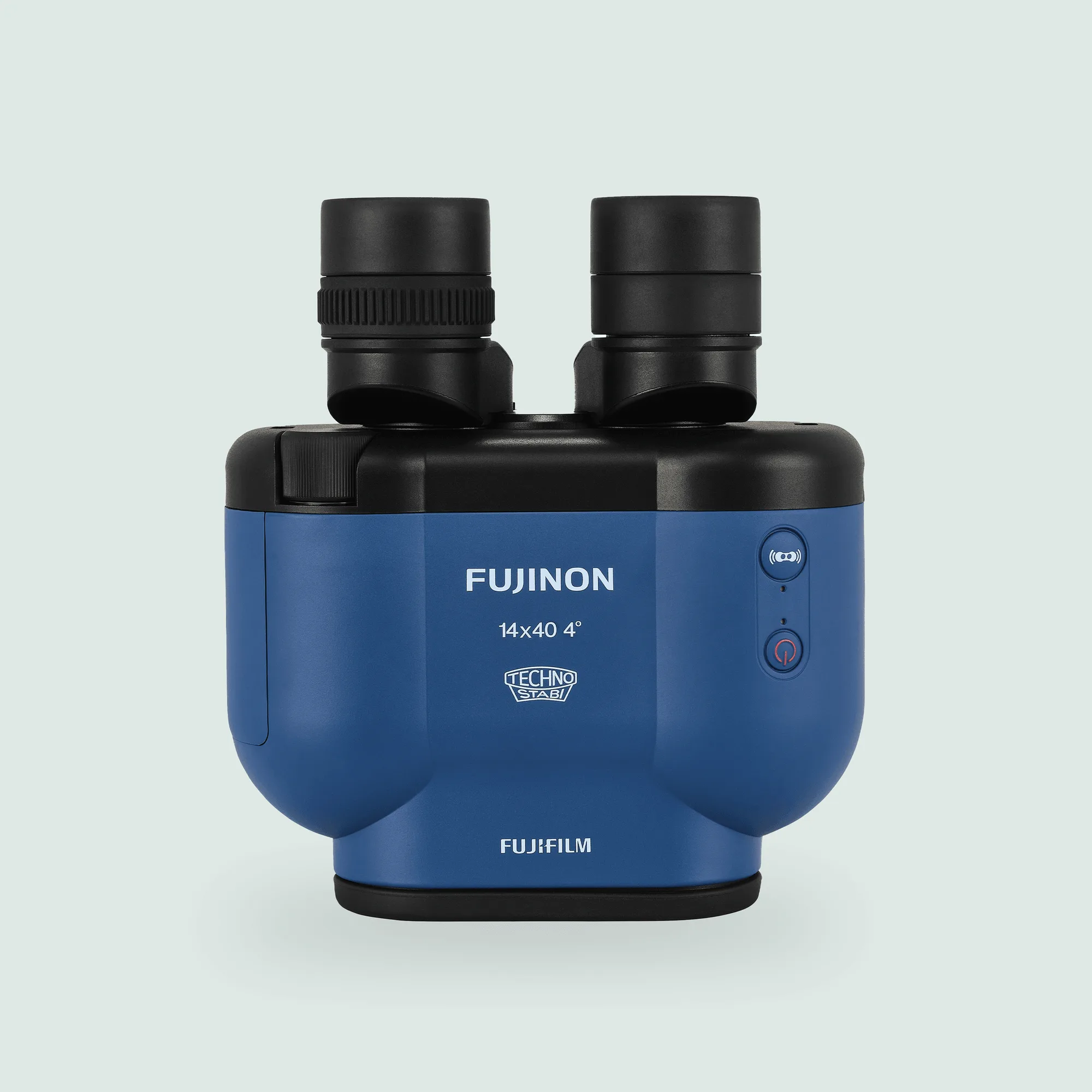
FUJINON TS-X1440 Techno-Stabiscope Binoculars Navy
-
FUJINON HC10X42 Hyper-Clarity Binoculars: The FUJINON HC10X42 uses ED lens elements and SUPER EBC multi-coating for high light transmission and reduced chromatic aberration. You get a brighter, sharper image with truer colors, especially in low-light forest or early morning birding.
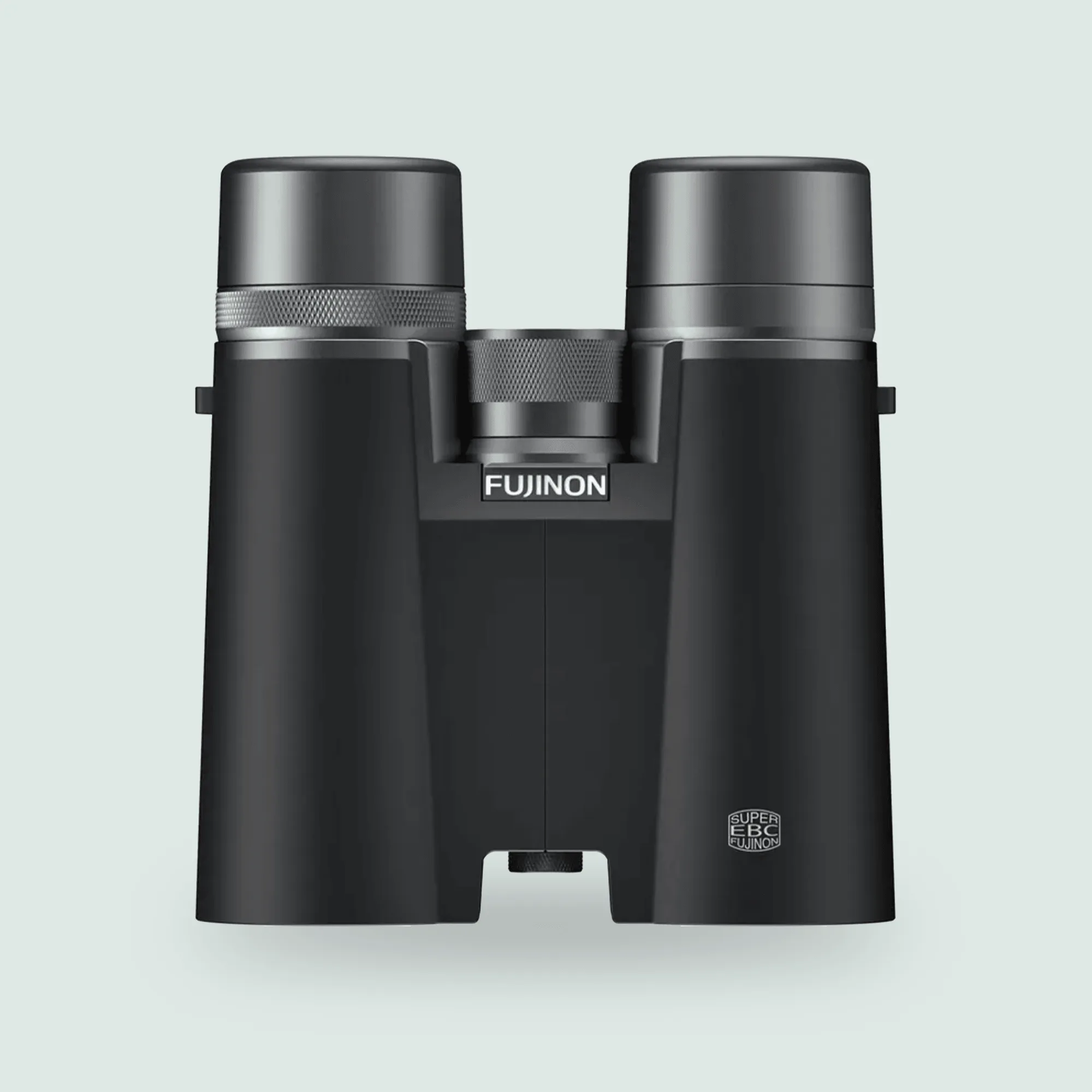
FUJINON HC10X42 Hyper-Clarity Binoculars
Which binocular is right for you?
Best for
- Birders who hand-hold binoculars and want steady views at higher magnifications
- Nature enthusiasts who bird in low light or forested areas and need excellent optical clarity
- People who bird near water and want extra safety against drops
Not for
- Budget-focused beginners who prefer a simpler, lighter, battery-free design
- Users who always use a tripod and do not need image stabilization