Maintaining healthy blood sugar levels is a cornerstone of overall wellness, especially for those with insulin resistance, prediabetes, or a family history of type 2 diabetes. While diet and exercise are foundational, many people turn to supplements to fill nutritional gaps and support glucose metabolism. But with countless options on the market, how do you choose the right blood sugar support supplement?
This guide will walk you through the key ingredients proven to help regulate blood sugar, what to look for on the label, and how to select a high-quality product that fits your lifestyle. Whether you're new to supplements or looking to switch, you'll leave with the confidence to make an informed choice.
Why Blood Sugar Support Supplements Matter
Blood sugar, or glucose, is the body's primary energy source. However, when levels spike too high after meals or remain elevated over time, it can lead to fatigue, cravings, and long-term metabolic issues. Supplements designed for blood sugar support typically contain nutrients that enhance insulin sensitivity, slow carbohydrate absorption, or support pancreatic function.
It's important to note that supplements are not a replacement for medication or a healthy lifestyle. They work best when combined with a balanced diet, regular physical activity, and proper sleep. Think of them as a targeted boost to your body's natural regulatory systems.
- Supplements can help bridge nutritional gaps that affect glucose metabolism.
- Always consult your healthcare provider before starting any new supplement, especially if you take medication.
Key Ingredients to Look For
When scanning product labels, focus on these clinically studied ingredients that have shown promise in supporting healthy blood sugar levels:
Chromium is a trace mineral that enhances insulin action, helping cells absorb glucose more efficiently. Many studies suggest chromium picolinate can improve glycemic control in people with type 2 diabetes, though results vary. Look for doses around 200–1000 mcg per day.
Magnesium is involved in over 300 enzymatic reactions, including insulin secretion and glucose uptake. Low magnesium levels are common in people with poor blood sugar control. A supplement like Calcium-Magnesium-Vitamin D can provide this essential mineral along with synergistic nutrients.
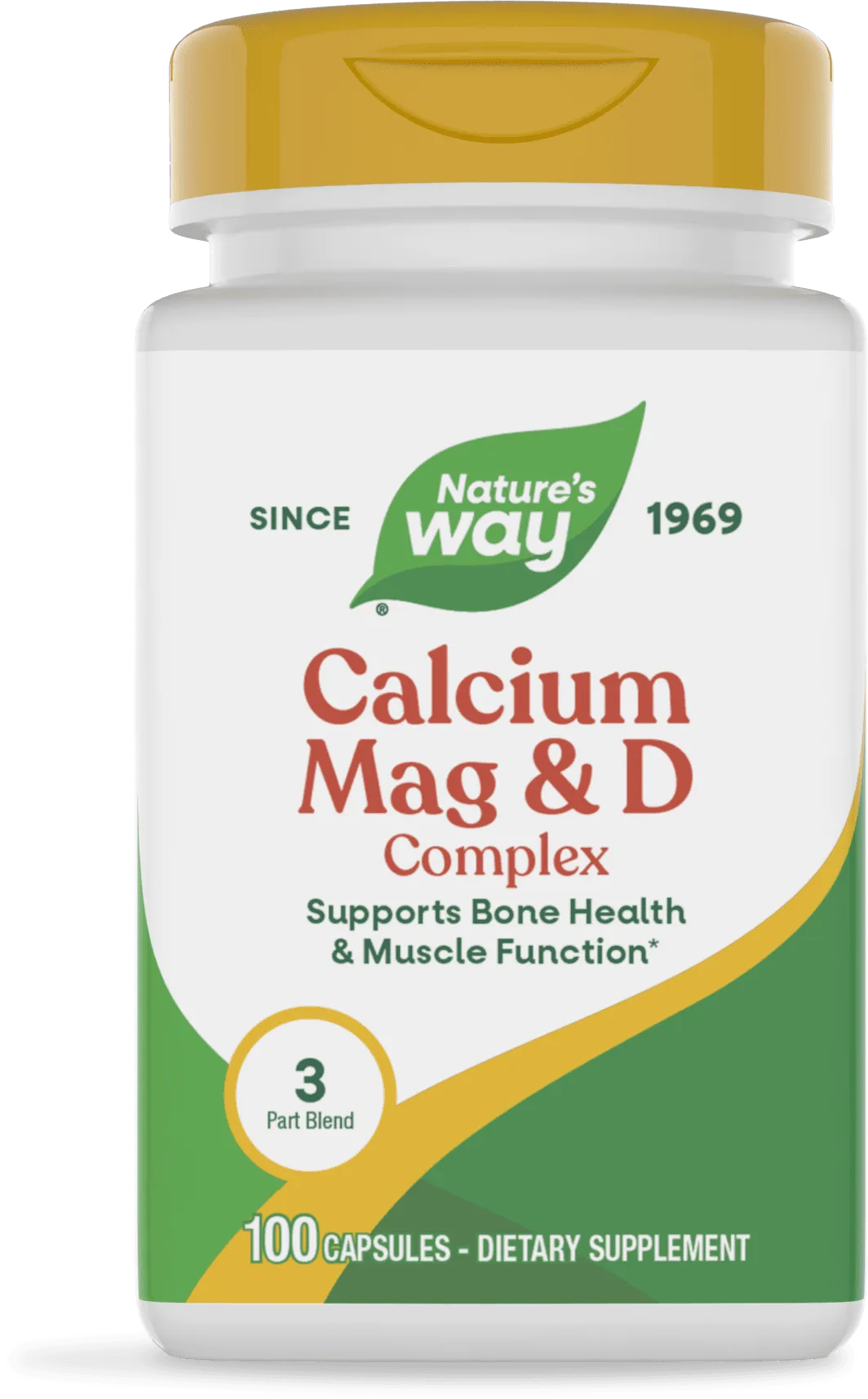
Calcium-Magnesium-Vitamin D
Alpha-lipoic acid (ALA) is an antioxidant that helps reduce oxidative stress, which is often elevated in those with blood sugar imbalances. ALA has been shown to improve insulin sensitivity and may also help with diabetic neuropathy symptoms.
Cinnamon extract is a popular natural ingredient that may mimic insulin and improve glucose uptake. While research is mixed, some studies show it can modestly reduce fasting blood sugar. Look for standardized extracts like Cinnulin PF® for consistent potency.
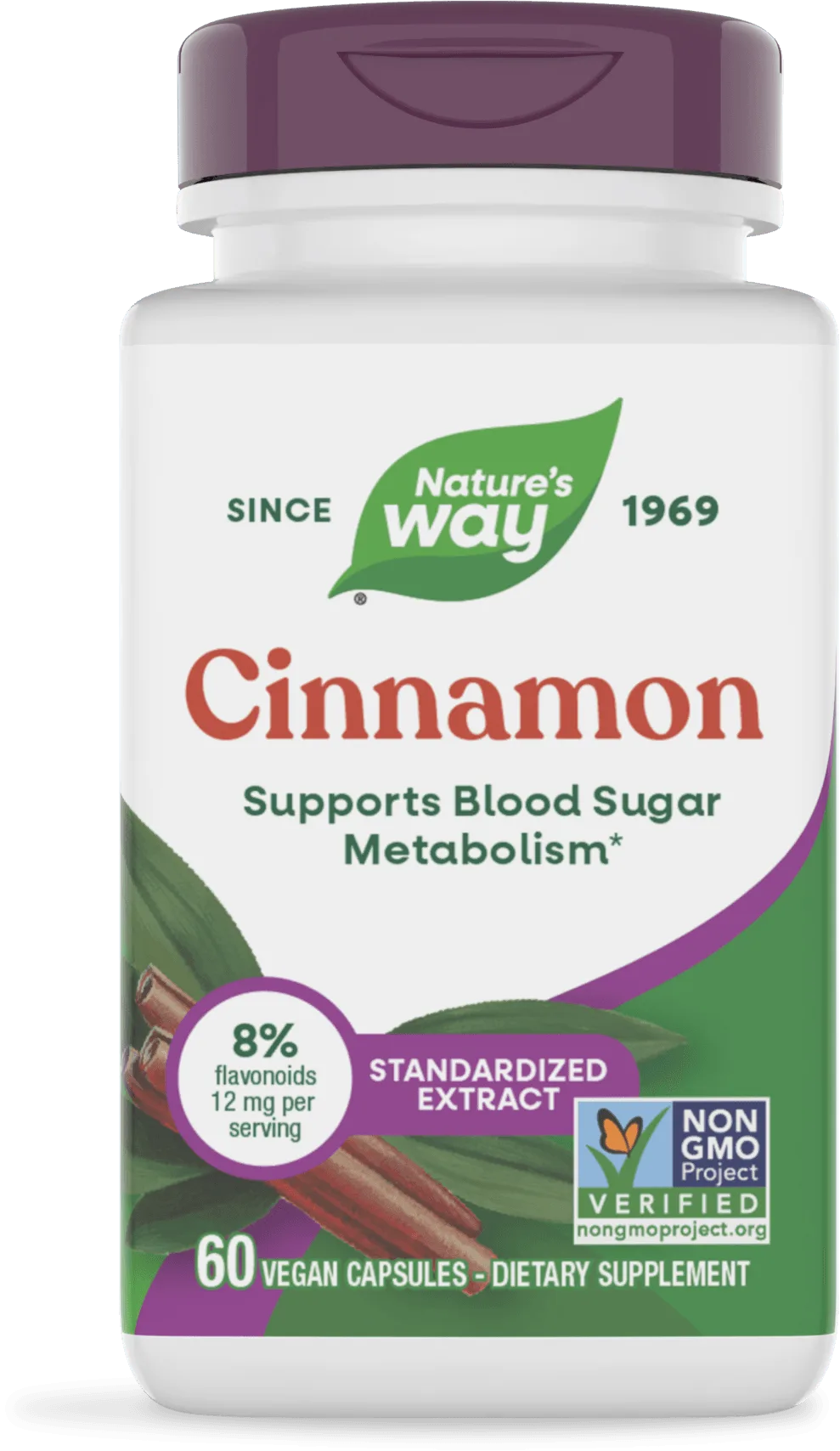
Cinnamon
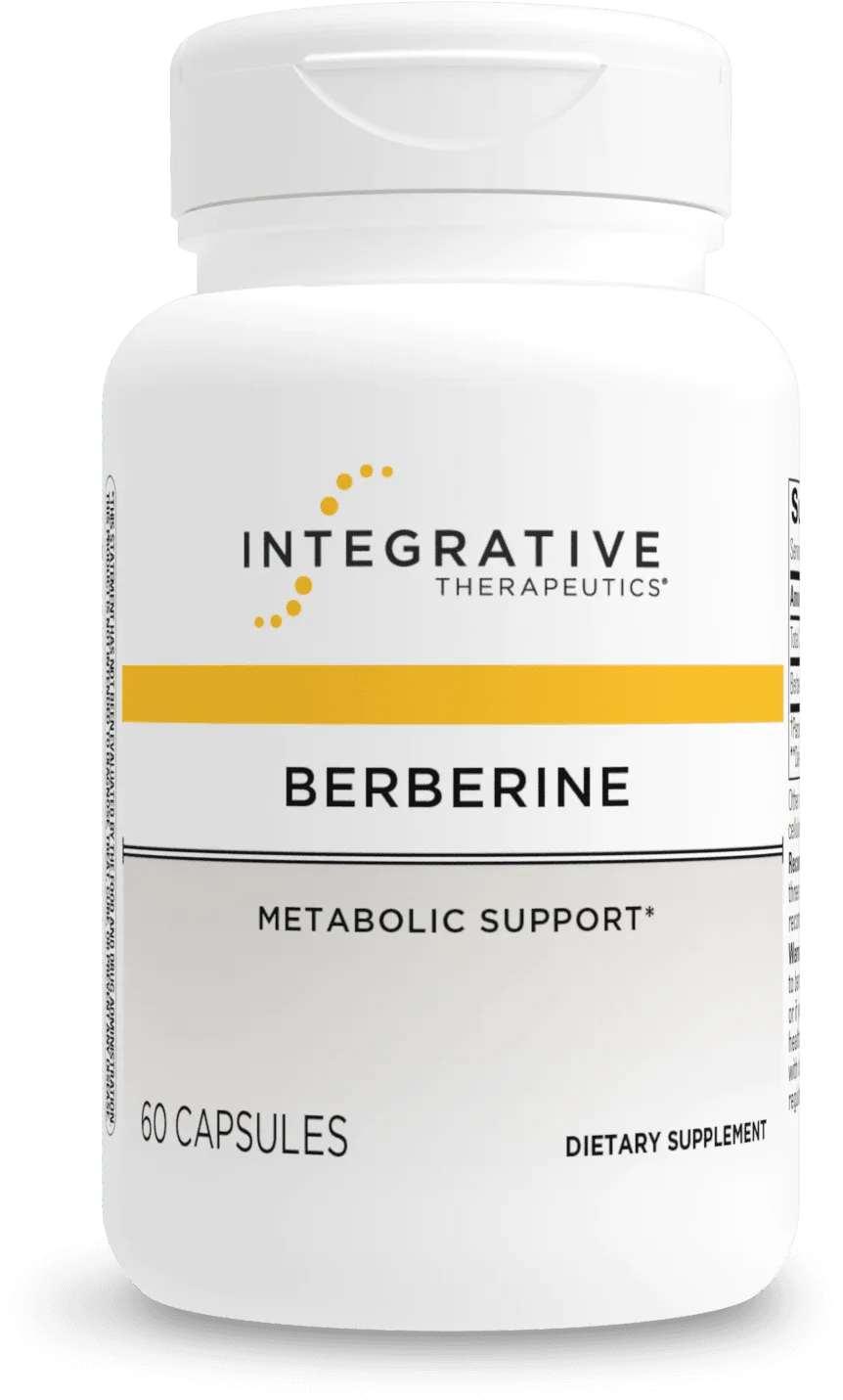
Berberine is a compound found in plants like goldenseal and barberry. It activates an enzyme called AMPK, which helps regulate metabolism. Clinical trials have shown berberine can lower blood sugar comparable to metformin, making it a powerful option for natural blood sugar support.
- Check for clinically effective doses: chromium 200-1000 mcg, magnesium 200-400 mg, and berberine 500 mg taken 2-3 times daily.
- Avoid proprietary blends that don't disclose individual ingredient amounts.
Herbal Extracts for Blood Sugar Support
Herbal supplements have been used for centuries to support metabolic health. Some of the most promising include:
Gymnema sylvestre is an Ayurvedic herb known as the 'sugar destroyer.' It may reduce sugar absorption in the intestines and help regenerate insulin-producing cells in the pancreas. It's often included in blood sugar formulas.
Fenugreek seeds are rich in soluble fiber, which slows carbohydrate digestion and improves glucose tolerance. Studies suggest fenugreek can lower fasting blood sugar and A1C levels.
Bitter melon contains compounds that act like insulin and may help lower blood sugar. It's commonly used in traditional medicine for diabetes management.
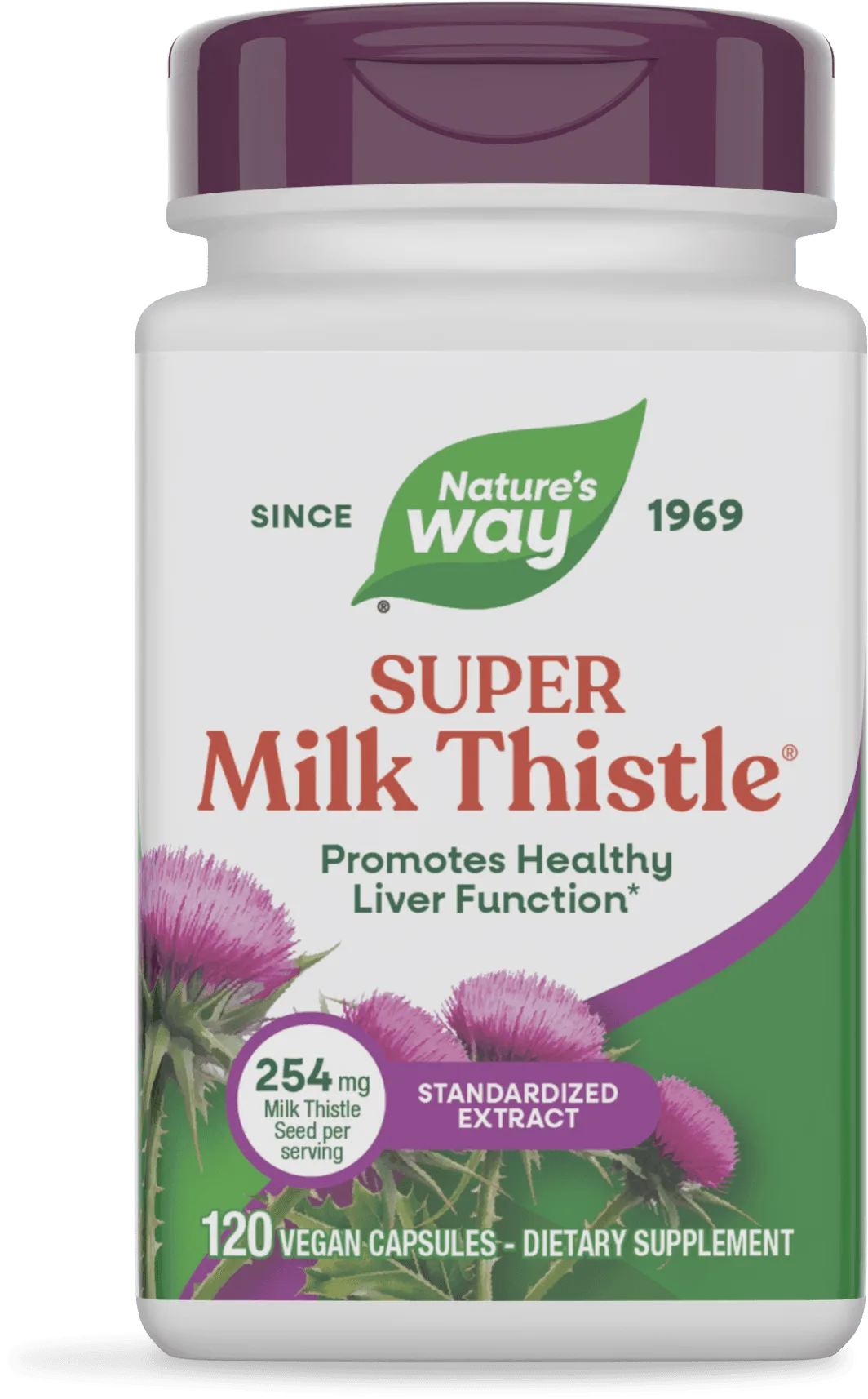
When choosing herbal extracts, look for standardized products that guarantee a certain level of active compounds. For example, Nature's Way's Super Milk Thistle® is standardized to 80% silymarin, though it's more for liver support, it illustrates the importance of standardization in herbal supplements.
- Look for standardized herbal extracts to ensure consistent potency.
- Some herbs may interact with diabetes medications, so always check with your doctor.
How to Evaluate Supplement Quality
Not all supplements are created equal. To ensure you're getting a safe and effective product, consider the following factors:
Third-party testing: Look for brands that have their products tested by independent labs like USP, NSF, or ConsumerLab. This ensures purity and potency.
Transparency: Reputable brands list all ingredients and their amounts on the label. Avoid products with 'proprietary blends' that hide doses.
Form and bioavailability: Some nutrients are better absorbed in certain forms. For example, chelated minerals like magnesium glycinate are more bioavailable than magnesium oxide.
Brand reputation: Choose established companies with a history of quality. Nature's Way has been a trusted name in herbal supplements for over 50 years, offering products like Dandelion Root and Ashwagandha that are backed by rigorous quality standards.
- Check for certifications like USDA Organic, Non-GMO, or Gluten-Free if those matter to you.
- Read customer reviews to gauge real-world experiences, but be wary of overly positive or negative claims.
Putting It All Together: Creating Your Blood Sugar Support Routine
Choosing the right supplement is just the first step. To maximize benefits, integrate it into a holistic routine:
Start with a foundational multivitamin that includes key nutrients like chromium, magnesium, and B-vitamins. Alive!® Men’s Gummy Multivitamin is a convenient option for men, while women may prefer a formula tailored to their needs.
Add targeted supplements based on your specific deficiencies or health goals. For example, if you have low magnesium, consider Calcium-Magnesium-Vitamin D. If you're looking for antioxidant support, alpha-lipoic acid might be beneficial.
Monitor your blood sugar regularly to see how supplements affect you. Keep a journal of your readings, diet, and how you feel.
Be patient. Supplements often take weeks to show noticeable effects. Consistency is key.
- Pair supplements with a low-glycemic diet rich in fiber, healthy fats, and lean protein.
- Incorporate regular exercise, especially strength training, to improve insulin sensitivity.
Choosing a blood sugar support supplement doesn't have to be overwhelming. Focus on proven ingredients like chromium, magnesium, and herbal extracts, and prioritize quality and transparency. Remember to consult your healthcare provider before starting any new supplement, especially if you have underlying health conditions or take medications. With the right approach, you can support your metabolic health naturally and effectively.