Quick Answer
For a small group of 2-4 players, prioritize games that scale well with player count, have a playtime that fits your schedule, and offer a complexity level that matches the group's experience. If you're often just two, look for dedicated two-player games or flexible options; for four, consider games that encourage interaction without excessive downtime.
Choosing a board game for a small group can be tricky. With 2-4 players, the dynamics shift dramatically: a game that shines with four might drag with two, and a two-player duel might not engage a quartet. The key is to match the game's mechanics and player count to your group's size and preferences.
Whether you're planning a cozy evening for two or a game night with friends, this guide will walk you through the essential criteria—player count, playtime, complexity, and social interaction—so you can pick a game everyone will enjoy. We'll also highlight some excellent options from Smirk & Dagger Games that fit these needs.
Consider the Player Count
First, know exactly how many people will play. Some games are designed specifically for two players, offering intense head-to-head strategy, while others are flexible and accommodate 2-4 or more. If you're often just two, a game that plays best with two—like SHOBU—might be ideal. If you have a rotating group of 2-4, look for games that scale well, meaning the rules and balance hold up at any player count.
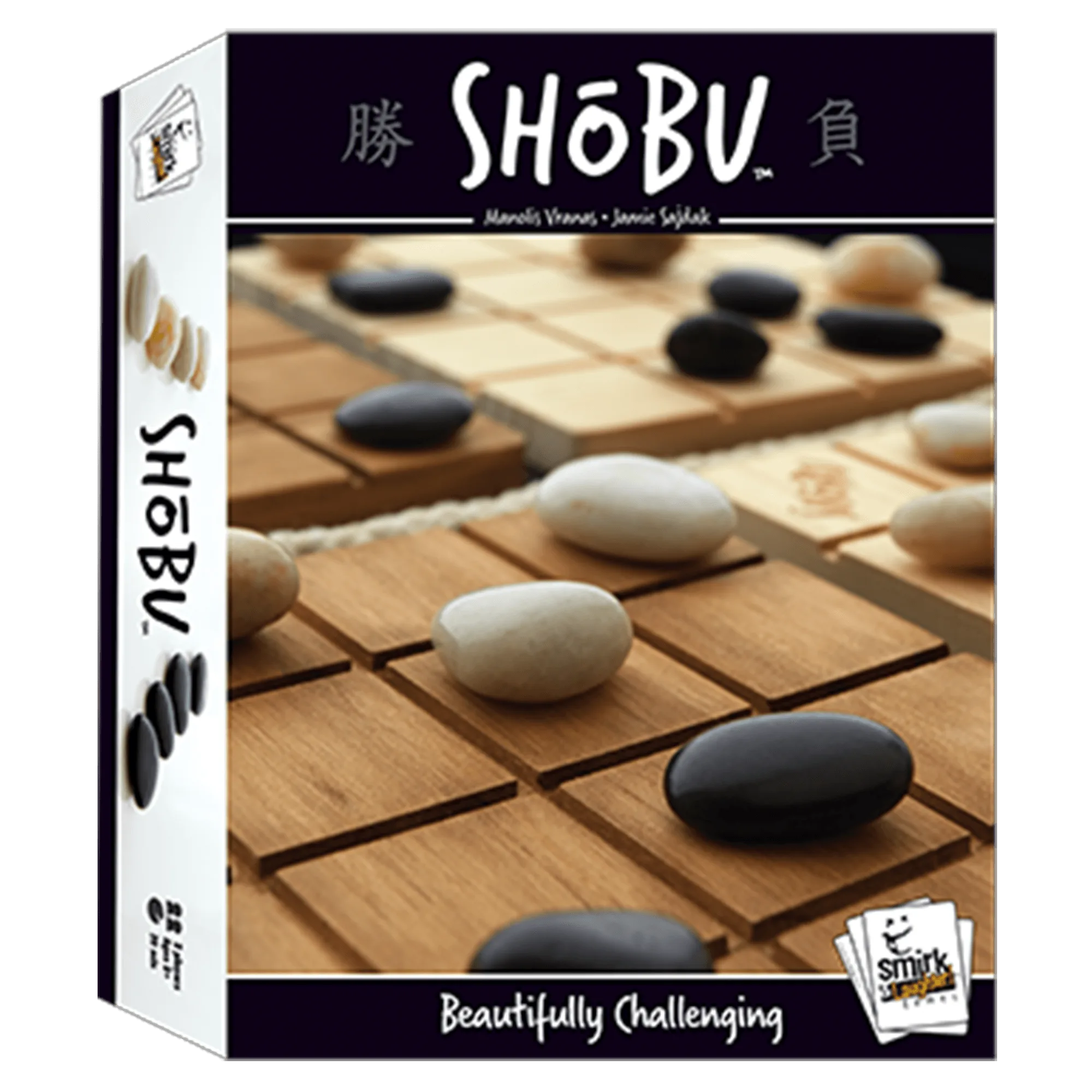
SHOBU
For four players, consider whether the game encourages interaction or if players might feel like they're playing solitaire. Games with shared mechanics, like bidding, trading, or area control, tend to shine with more players. Also, think about downtime: in some games, four players means longer waits between turns, which can be a problem if your group prefers constant engagement.
- Check the game's player count on the box—does it specifically support 2, 3, and 4 players?
- For two players, consider games that are designed for duels or have a two-player variant that doesn't feel tacked on.
- For four players, look for games with simultaneous action or minimal downtime to keep everyone involved.
Match Playtime to Your Group's Schedule
How long do you want to play? Board games can range from 15-minute fillers to multi-hour epics. For a small group, especially if you're new to gaming or have limited time, shorter games are often better. They allow you to play multiple rounds and try different games. If you have a dedicated game night with plenty of time, longer games can offer a more immersive experience.
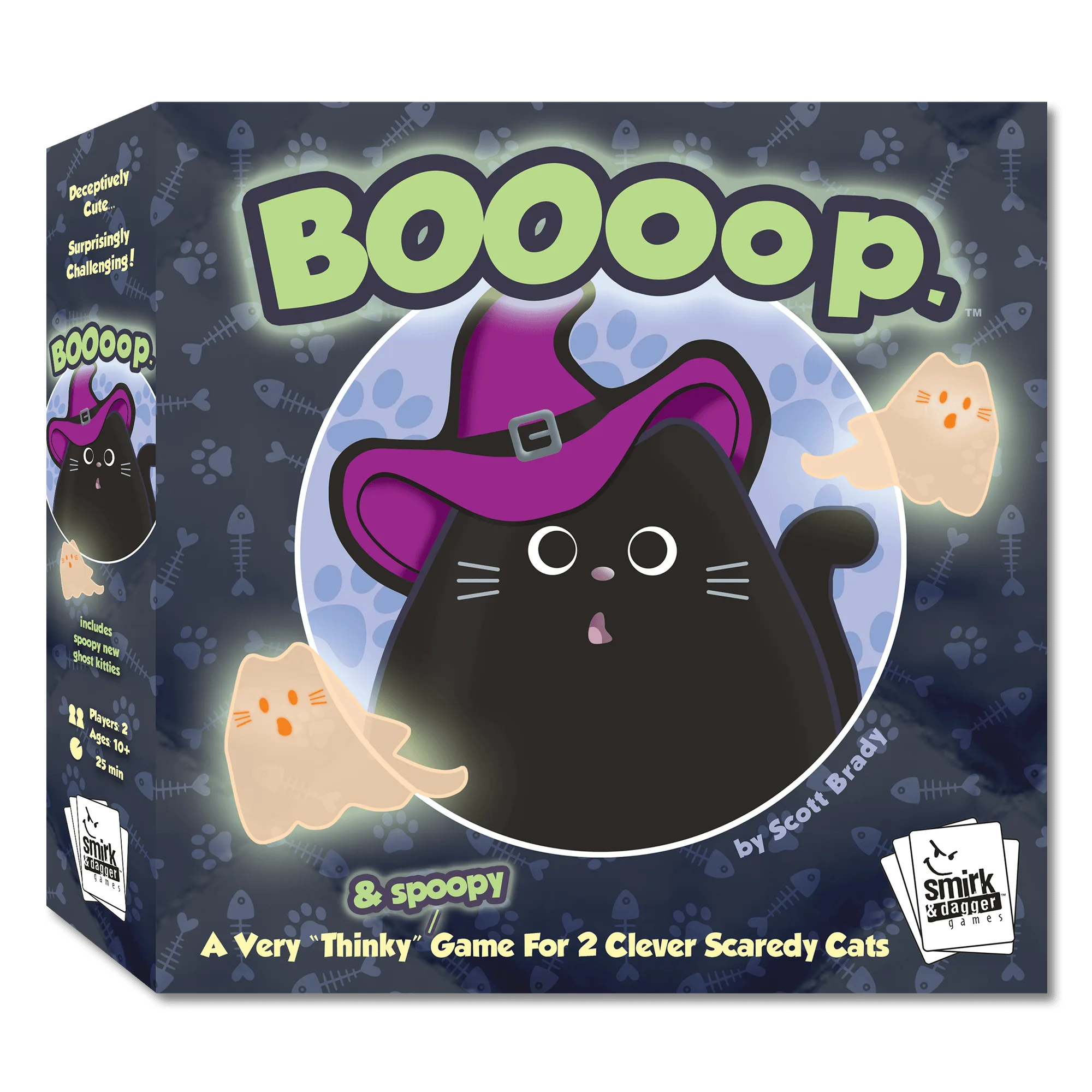
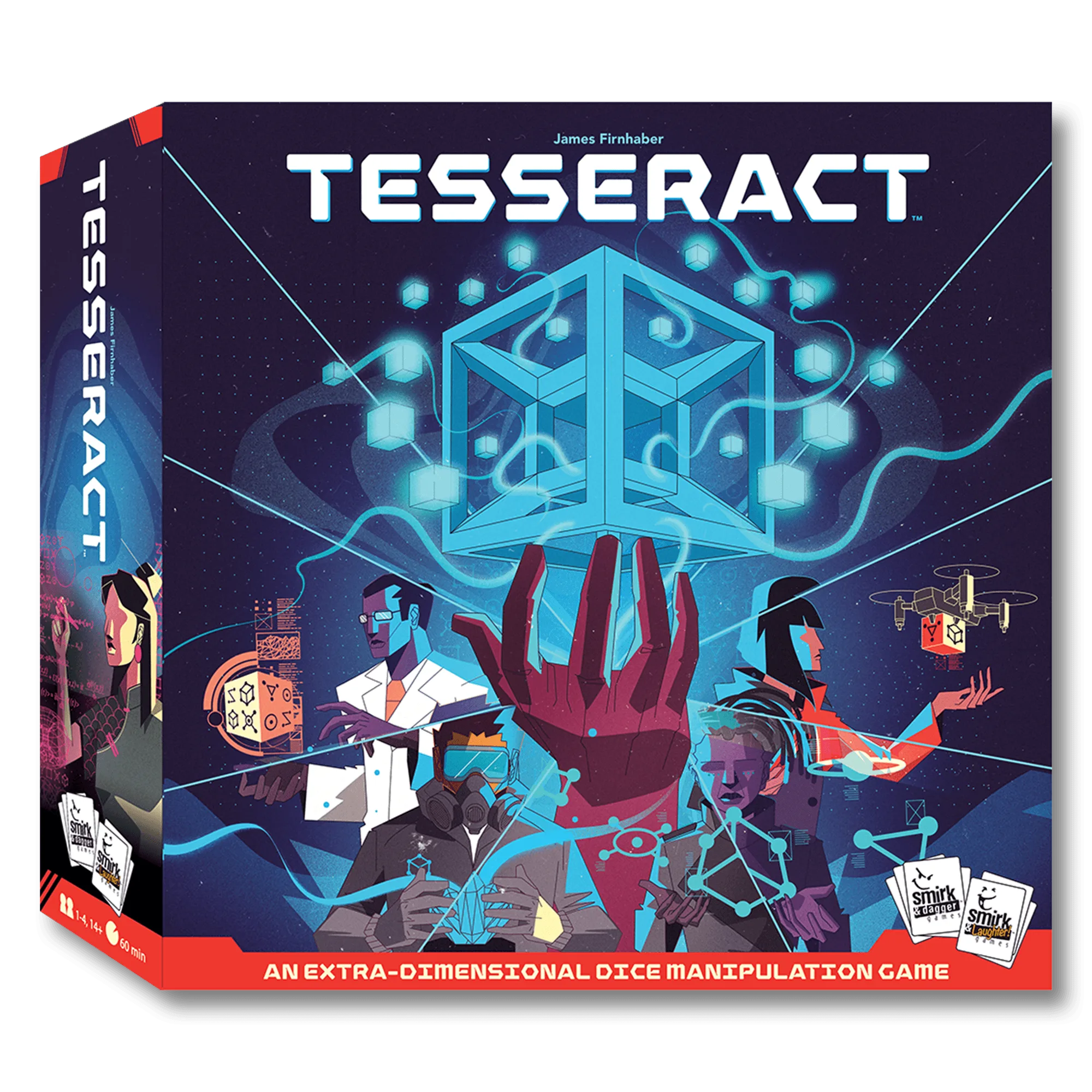
Consider the pace of the game. Some games, like BOOoop, are quick and easy to teach, making them great for a casual gathering. Others, like TESSERACT, might have a longer setup and playtime, which could be perfect for a focused session. Always read the estimated playtime on the box, but remember that the first playthrough often takes longer as everyone learns the rules.
- If you have 30 minutes, choose a game with a short playtime like BOOoop.
- If you have 2+ hours, you can explore deeper strategy games like TESSERACT.
- Remember that teaching new players adds time, so factor that into your schedule.
Assess Complexity and Learning Curve
Match the game's complexity to the group's experience. If you're playing with casual gamers or children, choose a game with simple rules and quick turns. If everyone is a seasoned gamer, you can opt for more strategic and nuanced games. The goal is to challenge without overwhelming, ensuring everyone has fun.
Look at the rulebook's thickness and the number of components to gauge complexity. Games with a few simple actions, like boop, are easy to learn and play. More complex games might involve multiple phases, resource management, or intricate scoring. Consider how much time you're willing to spend teaching the game. If you're the only one who knows the rules, a simpler game might be more considerate.
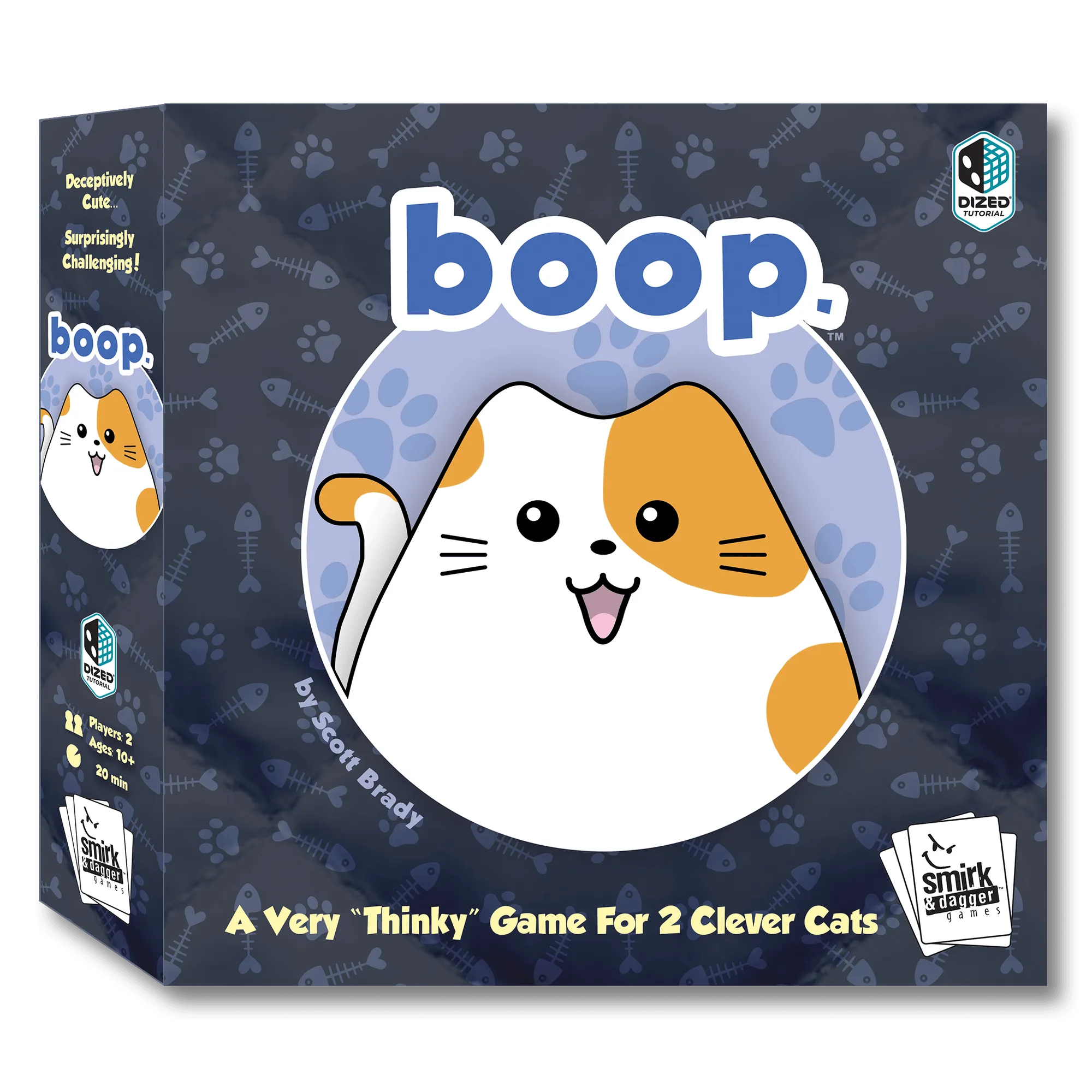
boop
- For beginners, start with a game that has minimal rules and a clear objective.
- For experienced players, look for games that offer strategic depth and replayability.
- If you're teaching, practice the rules beforehand to ensure a smooth experience.
Think About Social Dynamics and Interaction
Why are you playing? Are you looking for a competitive challenge, a cooperative experience, or just a fun social activity? Some games are purely competitive, where players vie to be the best. Others are cooperative, like TESSERACT, where you work together to achieve a common goal. Consider what your group enjoys most.
Also, consider how much player interaction you want. Some games are 'multiplayer solitaire,' where players focus on their own boards with little interference. Others involve direct conflict, negotiation, or shared mechanics. For a small group, interaction can be a big part of the fun, but it can also lead to arguments. Choose a game that matches your group's tolerance for competition and 'take-that' mechanics.
- If your group loves friendly competition, choose a game with direct player interaction.
- If you prefer a more relaxed experience, consider games with minimal conflict.
- For cooperative play, look for games that require teamwork and communication.
Decision Rules for Choosing a Game
- Player Count Rule: Always check the player count on the box. If you have 2 players, consider games that are specifically designed for two, like SHOBU. For 4 players, ensure the game scales well and doesn't have excessive downtime. Pick a game that fits your exact player count for the best experience.
- Playtime Rule: Estimate how much time you have. If it's a weeknight, choose a game under 45 minutes. For a weekend, you can go longer. Remember that first plays take longer. Match the game's length to your available time to avoid unfinished games.
- Complexity Rule: Consider the group's experience. If you're all new, pick a game with simple rules like BOOoop. For veterans, you can handle more complex games like TESSERACT. Choose a complexity level that challenges but doesn't frustrate your group.
Games to Consider for Your Small Group
- SHOBU: A timeless, elegant two-player strategy game. Perfect for when you have exactly two players. Its abstract design offers deep strategy without a lot of components, making it easy to set up and play.
- BOOoop: a deceptively cute but thinky strategy game - now with Ghost Cats!: A spooky, fun Halloween edition of boop. Every time you place a kitten on the bed, it goes 'boop.' Line up 3 kittens in a row to graduate them into cats... and then, get 3 cats in a row to win. But that isn’t easy with both you AND your opponent constantly 'booping' kittens around. It’s like... herding cats! And now, things just got boopier and spoopier - with NEW Ghost Cats that float between... This game is ideal for 2 players but can accommodate more if you have the original boop. It's quick to learn and play, making it a great choice for a casual game night with a small group.
- TESSERACT: a cooperative, puzzle strategy game: The Tesseract appeared in our skies six days ago. Together, our world’s best minds must find a way to contain and control the reactions of this extra-dimensional avatar, or its exponentially increasing destructive power will tear a hole in space-time and remove our world from existence. The game features a cube of 64 dice, sitting on a rotating platform to examine all angles. Players will use three actions to... A cooperative game that works well with 2-4 players. It encourages teamwork and communication, making it perfect for a group that enjoys working together to solve a puzzle.
- HIFI: The Meeples Are BACK in this Strategic, Tactical Puzzle Game: In 1973, the internationally renowned band, The Meeples, stunned the world by breaking up during the recording of their highly anticipated album, HIFI. Only the 'A' side of the album was ever released - but now The Meeples have reunited and YOU are the producers charged with recording the 'B' side of this long-awaited masterpiece. So get into the studio and strategically place audio cards on the song tracks to... This strategic and tactical puzzle game scales well with 2-4 players, offering a unique theme that might appeal to music lovers. It provides a good balance of strategy and fun for a small group.
Is This Game Right for Your Group?
Best for
- Groups that often play with exactly 2 players and want intense head-to-head strategy.
- Small groups of 3-4 who prefer cooperative experiences and enjoy puzzle-solving together.
Not for
- Large groups of 5 or more players, as these games are designed for smaller counts.
- Players who dislike abstract strategy or prefer games with strong themes and narrative.
Choosing the right board game for a small group comes down to understanding your group's size, time, and preferences. By considering player count, playtime, complexity, and social dynamics, you can find a game that everyone will enjoy. Whether you opt for the elegant duel of SHOBU, the cute chaos of BOOoop, or the cooperative challenge of TESSERACT, the right game will make your game night a success.