Quick answer
Start with two numbers: how many people usually play and how long they will stay engaged. Then match the game's stated player count and complexity to those numbers, not to the box art. If you often have two players, prioritize games that work well at two; if you host five or more, look for party-weight or simultaneous-play titles. Buy for your regular group, not your dream group.
Most disappointing board game purchases happen because the game was chosen for the wrong group. A heavy strategy epic can empty a party, and a light guessing game can bore a table of experienced players. The fix is a simple sequence: count your players, name their interests, then check the game's player count and weight before you buy.
This guide gives you decision rules you can apply in a store or online listing in a few minutes. It uses real examples from our catalog to show how specific features—player screens, cooperative goals, or trick-taking tension—map to different groups.
Count your players first, then your patience
Player count is the first filter because it is the hardest to change. A game listed for 2–4 players will often feel loose or chaotic at four and tight at two. Check the publisher's recommended count, not just the allowed range. If your group regularly swings between two and six, you may need two games rather than one compromise.
The second filter is patience. Ask how long your group will tolerate rules explanation and downtime between turns. Party-weight games often teach in five minutes and keep everyone involved; strategy games may need 15–30 minutes of teaching before the first meaningful turn.
- Write down your two most common player counts, not every possible count.
- If your group includes new players, favor games that explain themselves in one round.
- Check whether the game uses simultaneous play to reduce downtime.
Match interests to mechanics, not themes
Theme gets a game to the table; mechanics keep it there. If your group loves friendly banter, look for guessing, bluffing, or party-weight cooperation. If they love problem-solving, look for puzzle, strategy, or cooperative optimization. If they love competition without long rules, trick-taking card games can be ideal because everyone plays at once.
A useful test: describe the last game your group enjoyed and name the moment they talked about afterward. Was it a clever move, a lucky reveal, or a shared victory? That moment points to the mechanic you should prioritize.
- Banter-driven groups: guessing and bluffing games.
- Puzzle-driven groups: cooperative or solo-friendly strategy games.
- Competitive but time-poor groups: trick-taking card games.
Check complexity and play time against your table
Complexity is not the same as depth. A game can be deep with simple rules, or shallow with a thick rulebook. Read the player count and estimated play time, then add 30% for a first game with new players. If the result exceeds your usual session length, either pick a lighter game or plan a dedicated learning night.
Downtime matters as much as total time. Games where players act one at a time can feel slow at five or six players. Games with simultaneous turns or short turns keep large groups engaged.
- Add 30% to the listed play time for your first session.
- For five or more players, prioritize simultaneous turns or short turns.
- If your group meets for 90 minutes, avoid games listed over 60 minutes until you know them well.
Use price and replayability as a tiebreaker
When two games fit your group equally well, compare replayability and price per session. A game with variable setups or scenarios will hit the table more often than a one-trick experience. A lower price can make a niche game worth trying even if it only suits part of your group.
Do not overpay for a game that only works at a player count you rarely host. A cheaper game that fits your regular table is a better value than a discounted epic that sits on the shelf.
- Estimate how many times you will play it in a year.
- Favor games with variable setup or multiple scenarios for repeat play.
- Buy for your regular group size first; add niche games later.
Decision rules for your next board game purchase
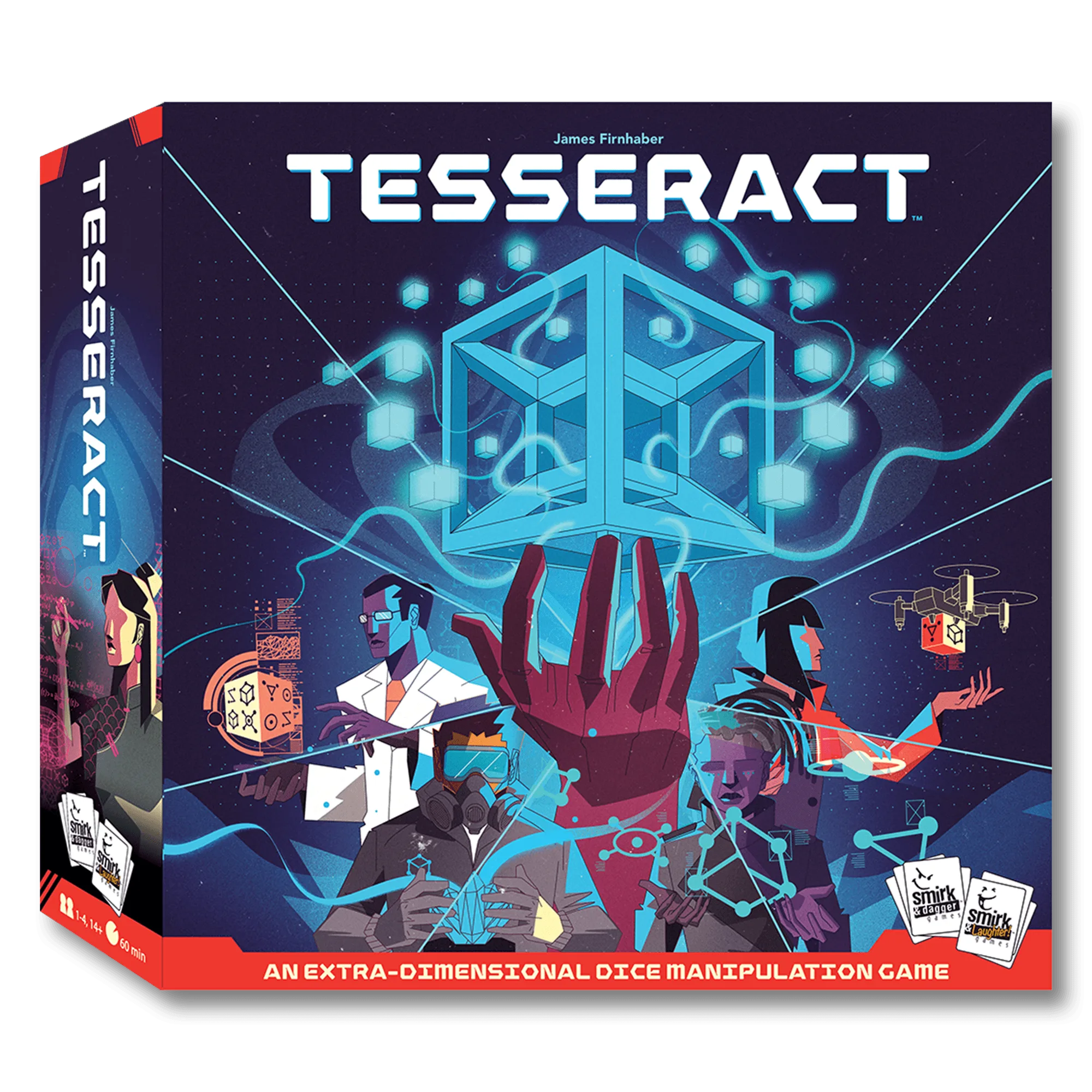
- If your group is 2–4 players and likes puzzles: Choose a cooperative puzzle strategy game like TESSERACT, which uses a cube of 64 dice and three actions per turn to contain a threat. Best for patient, problem-solving tables; skip if your group wants fast, loud fun.
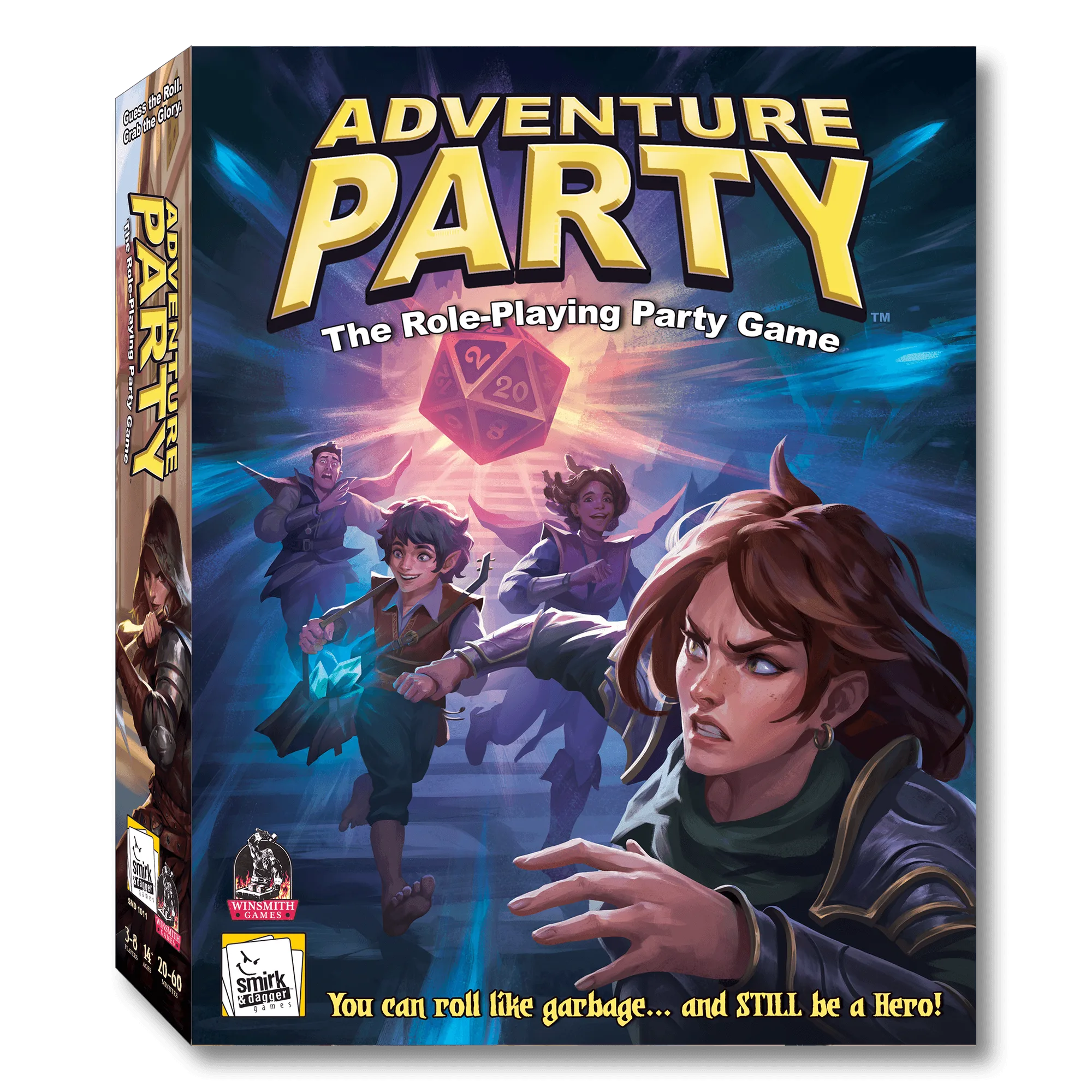
- If your group is 4–8 players and likes to laugh: Choose a party-weight guessing game like Adventure Party, where hidden die rolls and player screens drive the storytelling. Best for mixed-experience groups; skip if everyone wants deep strategy.
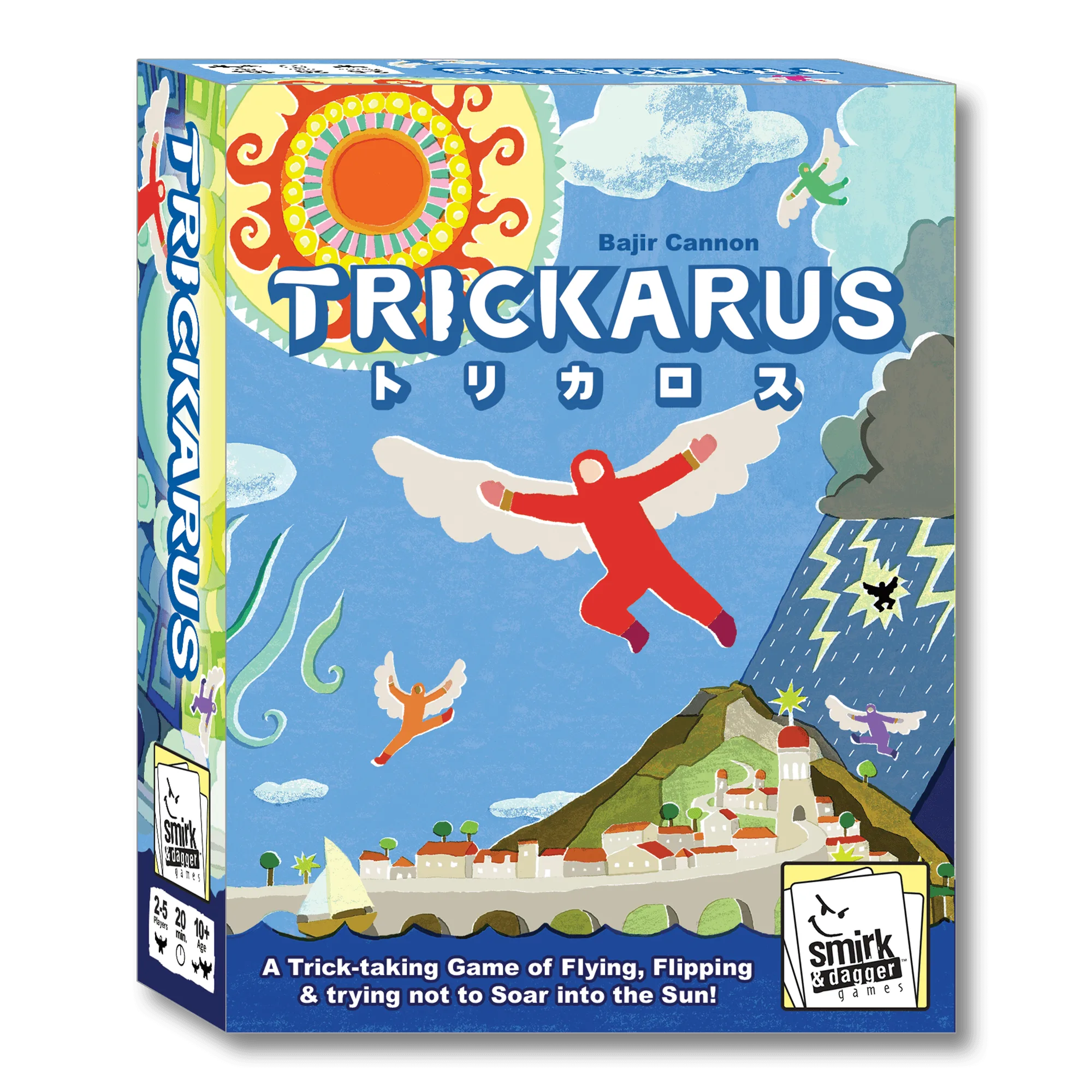
- If your group is 2–4 players and likes quick competition: Choose a trick-taking card game like Trickarus, where winning too many tricks can send you crashing down. Best as a filler or travel game; skip if your group dislikes card-game luck.
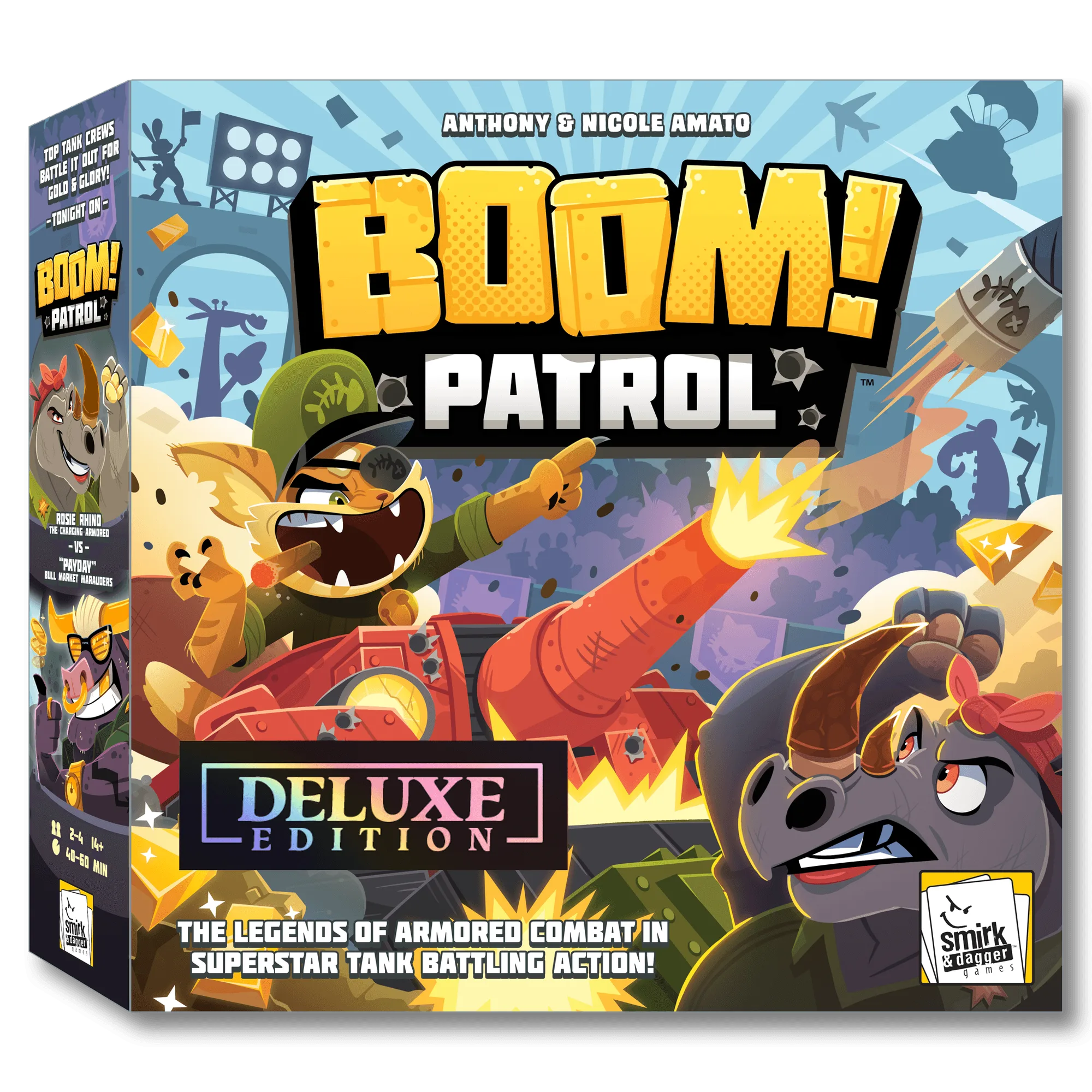
- If your group is 2–4 players and wants lighthearted battle: Choose a tank battle game like BOOM Patrol DELUXE, which mixes power-ups and building destruction with animal commanders. Best for casual, spectacle-loving groups; skip if you want a serious wargame.
Catalog examples that show the decision rules in action
- Adventure Party: The Role-Playing Party Game: A cooperative, party-weight, guessing game where players roll a 20-sided die behind a player screen and describe their character's plan of attack based on the roll. It fits groups that want role-playing flavor without a long campaign, and the player screens keep hidden information simple for new players.
- Trickarus: A must-follow trick-taking card game where winning tricks sends you higher into the sky, but winning too much can send you crashing down. It suits competitive groups that want a small, fast card game with a twist, and it works well when you need a low-commitment filler.
- TESSERACT: a cooperative, puzzle strategy game: A cooperative puzzle strategy game featuring a cube of 64 dice on a rotating platform, where players use three actions to contain an extra-dimensional avatar. It fits puzzle-loving groups that enjoy cooperative problem-solving and tactile components, but the complexity means it is better for patient tables.
- BOOM Patrol DELUXE: A tank battle game with animal commanders that plays like a mash-up of Mario Kart and Battlebots, and the DELUXE version includes holofoil tanks and captains plus plastic molded tokens. It appeals to groups that want lighthearted conflict and spectacle, and the deluxe components can make the first play more engaging for casual players.
Who this buying approach fits
Best for
- Hosts who regularly have the same 2–6 players and want a game that actually hits the table
- Buyers who want a repeatable decision process instead of relying on box art or hype
- Groups mixing new and experienced players who need clear player-count and complexity checks
Not for
- Collectors who buy primarily for theme or resale value rather than play frequency
- Groups that already have a fixed game and only want expansion advice
- Solo players looking for a dedicated solo game recommendation
Pick the game that fits the group you actually have, not the one you wish you had. Count players, name the moment your group enjoys, then check complexity and play time. That sequence will save you more money than any discount.