Quick answer
For silicone toys, choose a water-based lubricant. Silicone-based lubes can degrade silicone toys, causing them to become tacky or damaged. A thick, long-lasting water-based formula like Swiss Navy Water Based Lubricant or a sensation-focused option like Sliquid Sizzle gives you glide without risking your toy. Always check condom compatibility if you use barriers.
Why silicone toys need a different lube
Silicone toys are popular because they are hygienic, hypoallergenic, and long lasting. That same material, however, can react with silicone-based lubricants. The result is often a sticky, degraded surface that is hard to clean and no longer smooth. Water-based lubes do not cause this reaction, so they are the safe default. If you want a silicone lube for other types of toys or for solo play without silicone, keep it completely separate from your silicone collection.
Water-based vs silicone lube: what actually matters
Water-based lubes are compatible with all toy materials, including silicone, and are easy to rinse off. They tend to absorb or dry out faster, so you may need to reapply. Silicone lubes last longer and feel slicker, but they are not safe for silicone toys. Hybrid lubes that mix water and a small amount of silicone are usually fine with silicone toys, but check the label. When in doubt, stick with a straightforward water-based formula.
Check condom and barrier compatibility
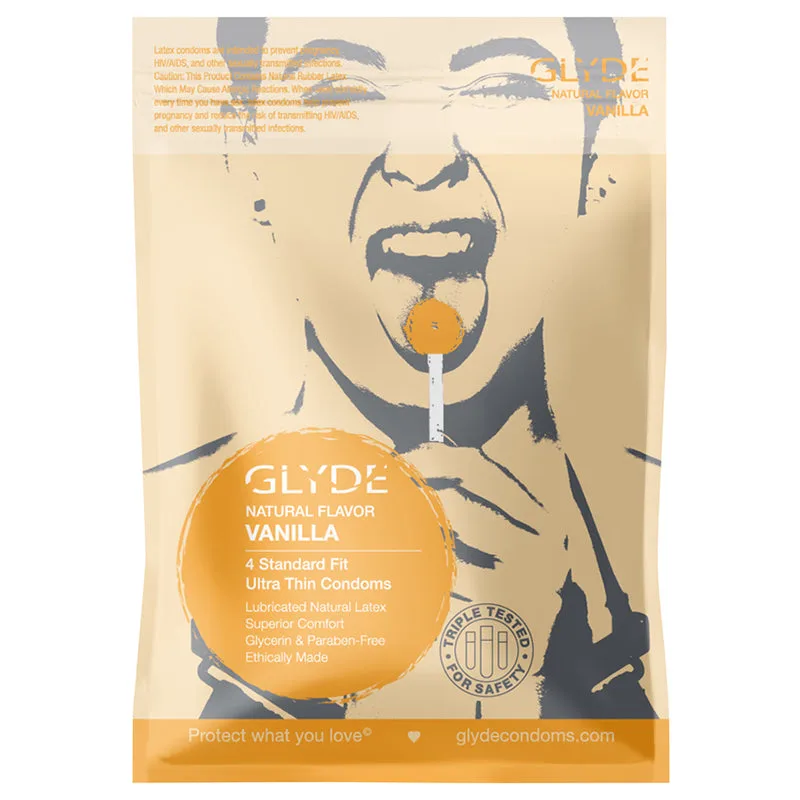
If you use condoms or dental dams, your lube must be compatible with the barrier material. Water-based and silicone-based lubes are safe with latex and polyisoprene. Oil-based lubes can weaken latex and polyisoprene, so avoid them unless you are using polyurethane or nitrile barriers. A water-based lube like Swiss Navy Water Based Lubricant is a reliable choice because it works with all common barrier types.
How much lube to use (and when to add more)
Start with a nickel-sized amount and add more as needed. With water-based lube, you will likely need to reapply every 10–15 minutes during longer sessions or when you change activities. If you feel drag or stickiness, that is your cue to add more. It is better to start with less and add than to over-apply and create a mess. A pump bottle gives you control over the amount.
7 steps to pick and use a body-safe lube for silicone toys
- 1. Confirm your toy is silicone: Check the label or product description. If it says silicone, 100% silicone, or medical-grade silicone, treat it as silicone. If the material is unclear, assume it could be silicone and choose a water-based lube. Mistake to avoid: guessing based on feel. Soft silicone can feel like TPE or rubber, so verify before you buy lube.
- 2. Rule out silicone-based lubes: Silicone lube can bond with silicone toys and cause them to degrade, become tacky, or develop a permanent sticky film. Even if the toy is high-quality silicone, the risk is not worth it. Checkpoint: if the lube ingredient list includes dimethicone, cyclopentasiloxane, or any ingredient ending in -cone or -siloxane, keep it away from silicone toys.
- 3. Choose a water-based formula: Water-based lubes are compatible with all silicone toys and easy to rinse off. Look for one that is thick enough to stay in place, like Swiss Navy Water Based Lubricant, which dispenses as a thick bead and spreads evenly without getting sticky. Mistake to avoid: assuming all water-based lubes are thin. Some are formulated to be thicker and longer-lasting.
- 4. Decide if you want added sensation: Some water-based lubes include ingredients like food-grade menthol for a warming or cooling effect. Sliquid Sizzle goes on cool and warms with friction, while staying glycerine- and paraben-free. This is a personal preference, not a safety requirement. Checkpoint: if you have sensitive skin or a history of irritation, patch-test on a small area first.
- 5. Check condom compatibility: If you use latex or polyisoprene condoms, choose a water-based or silicone-based lube. Oil-based lubes can weaken those materials. Water-based lubes are safe with all barrier types, including polyurethane and nitrile. Mistake to avoid: using oil-based lube with latex condoms. It can cause them to break.
- 6. Start with a small amount: Apply a nickel-sized amount to the toy or your body. Add more if you feel drag or stickiness. With water-based lube, you will likely need to reapply during longer sessions. Checkpoint: if the lube dries out, add a few drops of water or more lube rather than pressing harder.
- 7. Clean your toy thoroughly after use: Wash silicone toys with warm water and mild soap, or boil them if the manufacturer says it is safe. Rinse off all lube residue to keep the surface smooth and hygienic. Mistake to avoid: storing toys while still damp or coated in lube. That can encourage bacteria growth.
Products that fit these steps
- Swiss Navy Water Based Lubricant: Swiss Navy Water Based Lubricant provides a slick, long-lasting experience for a water-based lube. It comes in an easy-pump bottle and dispenses with a thick bead that doesn’t run or drip, then spreads evenly with a light viscosity when rubbed. It stays slippery without getting sticky or tacky. The thick bead and pump make it easy to control how much you use, and the non-sticky feel means you can reapply without gumming up. It is a straightforward water-based choice for silicone toys.
- Sliquid Sizzle: Sliquid Naturals Sizzle is a water-based personal lubricant made especially for those looking for a little extra sensation. Made with food-grade menthol, it has the effect of being both warming and cooling at the same time, all while maintaining its glycerine and paraben free female friendly status. Sizzle goes on cool and warms with friction. If you want a water-based lube that adds a tingling sensation without compromising silicone toy safety, this is a body-safe option. The menthol effect is a nice extra for some, but test a small amount first if you are sensitive.