Quick answer
Measure your wrist snugly with a soft tape or a strip of paper, then add about 1.5 cm (0.6 in) for a classic comfortable fit, or 2 cm (0.8 in) if you like a looser drape. For beaded bracelets, round up so the beads sit flat instead of pinching. For leather styles, the clasp position matters more than the total length, so check the size options rather than guessing.
A bracelet that slides around all day or leaves a red mark by lunchtime usually isn't the wrong style. It's the wrong length. Wrist size varies more than most people expect, and a bracelet that fits perfectly on one person can feel tight or floppy on another with the same wrist measurement.
This guide walks through measuring your wrist, choosing how much ease to add, and matching the fit to the bracelet type. It also covers how clasp style and material change what "comfortable" means, so you can order once and wear it daily.
Measure your wrist the right way
Wrap a soft measuring tape around your wrist just below the wrist bone, where you'd normally wear a bracelet. Keep it snug but not tight, and note the number. If you don't have a tape, wrap a strip of paper or a piece of string around your wrist, mark where it overlaps, then lay it flat against a ruler.
Measure at the end of the day, when your wrist is slightly larger, and measure your dominant hand too. Most people's dominant wrist runs a few millimeters bigger. If you're between two numbers, use the larger one as your base measurement. This is your wrist circumference, not your bracelet length.
- Measure below the wrist bone, not across it.
- Measure both wrists if you wear bracelets on both.
- Re-measure if you've changed weight or started a new training routine.
Add ease: how much room do you actually want?
Bracelet length is wrist circumference plus ease. For a classic, secure fit that still moves, add about 1.5 cm (0.6 in). For a relaxed, stackable fit, add about 2 cm (0.8 in). For a snug, minimal look, add about 1 cm (0.4 in), but expect less airflow and more contact with your skin.
Beaded bracelets need a little more room than flat chains because the beads have thickness. If a bead bracelet is too short, the beads press into your wrist instead of resting on it. Leather bracelets are different again: the clasp usually has a fixed position, so the fit depends on which size option you choose.
- Snug: wrist + 1 cm (0.4 in) — minimal movement.
- Classic: wrist + 1.5 cm (0.6 in) — the everyday default.
- Relaxed: wrist + 2 cm (0.8 in) — good for stacking and warm weather.
Match the fit to the bracelet type
Chain and link bracelets drape, so they can be slightly longer without feeling loose. Bead bracelets hold their shape, so they need a length that lets the strand sit flat. Leather bracelets with a pusher clasp are the least forgiving, because the closure sets the fit. Cuff and open styles rely on bending rather than length, so check whether the material can be adjusted.
If you plan to stack several bracelets, size the largest one for a relaxed fit and keep the others close to it. Mixing a snug chain with a loose bead strand causes tangling and uneven wear. A simple rule: the more bracelets in the stack, the more ease each one needs.
- Beads: round up to the next size if you're between sizes.
- Leather: choose the size option that matches your measured wrist.
- Stacks: keep all pieces within about 1 cm of each other in length.
Check comfort before you commit
Once the bracelet is on, you should be able to slide one finger under it without forcing it. Rotate your wrist fully and make a fist. If the bracelet digs in or the clasp presses against bone, it's too tight. If it slides past your hand when you lower your arm, it's too loose for daily wear.
Wear it for a full day before deciding. Wrists swell slightly with heat, salt, and activity, so a bracelet that feels perfect in the morning can feel tight by evening. A comfortable bracelet fit is one you stop noticing.
- One finger should fit under the band without strain.
- No red marks or numbness after a few hours.
- The bracelet shouldn't slide off when your arm hangs down.
Bracelet sizing decision rules
- If you want an everyday fit: Add 1.5 cm (0.6 in) to your wrist measurement. This is the safest starting point for most people.
- If you're buying a bead bracelet: Round up to the next size if you're between sizes. Beads need room to sit flat instead of pinching.
- If you're buying a leather bracelet: Match the size option to your measured wrist, since the clasp sets the fit. Don't size up for growth; leather doesn't stretch much.
- If you plan to stack: Keep all bracelets within about 1 cm of each other in length. Even lengths reduce tangling and wear.
How Kemmi styles handle sizing
- Men's Adonis Bead Bracelet: Handmade with natural stone and available in multiple sizes. Bead bracelets hold their shape, so choose a size that lets the strand sit flat rather than pressing into your wrist.
- Men's Owen Black Leather Bracelet: Features an 8mm diameter, a pusher clasp with security in sterling silver, and genuine leather, handmade by a master silversmith. The fixed clasp means the fit is set by the size you choose, so measure your wrist before ordering rather than relying on stretch.
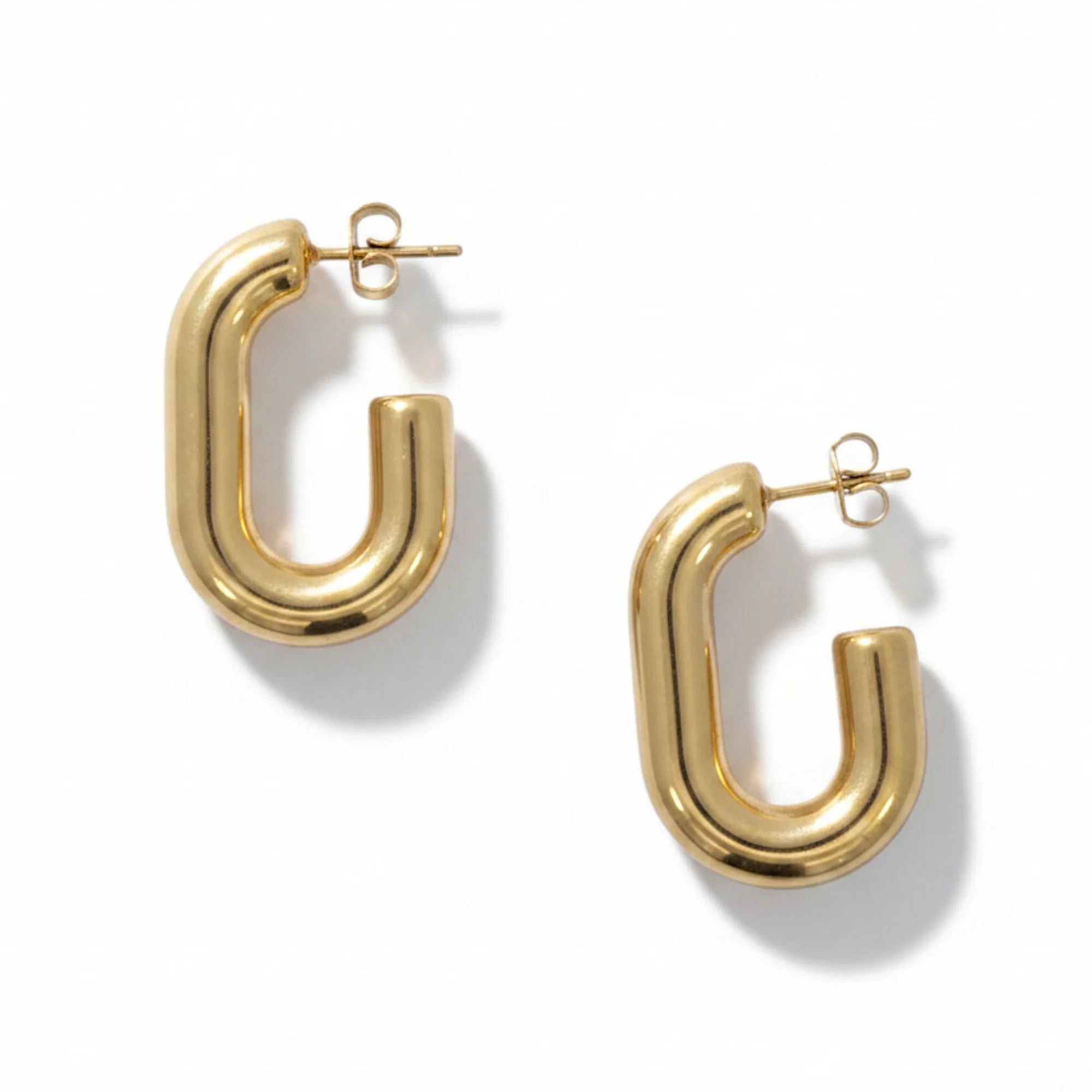
- Link Gold Hoops: Crafted in 18k gold stainless steel, hypoallergenic, and water-resistant. A water-resistant material can be worn more often, but the fit still depends on the length, so use the same measuring method.
Who this sizing approach is for
Best for
- First-time buyers who want to order the right size once
- Anyone who wears a bracelet all day and wants to stop adjusting it
- People building a stack who need consistent lengths
Not for
- Shoppers looking for adjustable or one-size-fits-all styles
- Anyone who prefers a very loose, bangle-like drape that slides freely
A comfortable bracelet fit comes down to two numbers: your wrist measurement and the ease you add. Measure below the wrist bone, add 1.5 cm for a classic fit, and adjust for bead or leather styles. When in doubt, size up slightly for beads and match the clasp size for leather.