Quick answer
For summer weddings, choose lightweight, breathable fabrics like cotton lace or bias-cut slips in light colors. For winter weddings, pick long-sleeve robes with more coverage, such as Chantilly lace or silk tulle, in richer tones. Always prioritize fit and comfort over strict color matching, and let the season guide fabric weight and sleeve length.
Bridesmaid robes are more than photo props—they set the tone for a relaxed getting-ready morning. But a robe that feels perfect in July can leave your bridesmaids shivering in January. The key is matching fabric weight, coverage, and color to the season, not just the wedding palette.
This guide gives you concrete decision rules for summer and winter, plus fit guidance so every bridesmaid feels comfortable. You will also see real examples from our collection that illustrate how fabric and cut solve seasonal problems.
Start with fabric weight, not color
The biggest seasonal mistake is choosing a robe by color alone. A heavy satin robe in a summer wedding will trap heat, while a sheer chiffon robe in winter offers no warmth. Instead, match the fabric to the expected temperature. For summer, look for cotton lace, bias-cut slips, or lightweight tulle—they breathe and dry quickly. For winter, choose Chantilly lace, silk tulle, or lined fabrics that add a layer without bulk.
Also consider the venue. A beach ceremony in August calls for airy cotton, while a mountain lodge in December calls for long sleeves and a higher neckline. If your bridesmaids will be getting ready in a cold hotel room, a heavier robe can double as a cozy cover-up.
- Summer: cotton lace, bias-cut slips, chiffon, or tulle.
- Winter: Chantilly lace, silk tulle, satin, or velvet.
- Shoulder season: mid-weight lace or crepe.
Match sleeve length and coverage to the temperature
Sleeve length is your fastest seasonal dial. Sleeveless or short-sleeve robes work for warm weather, while long sleeves and a longer hem provide warmth in winter. A robe with a high-low hem or a flared sleeve can add coverage without feeling heavy. For winter, consider a robe with a satin belt that cinches over a slip—it adds a layer and looks polished in photos.
If your bridesmaids have different comfort levels, choose a convertible style: a robe that can be worn open over a slip dress, or a wrap that adjusts. This gives each person control over their coverage without breaking the visual uniformity.
- Summer: sleeveless, short sleeve, or open-back styles.
- Winter: long sleeves, longer hem, and a belt for closure.
- Transitional: layer a robe over a slip dress.
Choose colors that work with the season
Seasonal color choices go beyond personal preference. In summer, light and bright colors—off-white, blush, pale pink, or floral prints—reflect heat and photograph well in natural light. In winter, deeper tones like rose pink, ivory, or even black can feel more appropriate and hide shadows in indoor lighting. If you want a cohesive look, pick a neutral base and let each bridesmaid choose a shade within that family.
Remember that white or ivory robes can blend into the bride's outfit in photos. A soft contrast—like blush for summer or rose pink for winter—keeps the bridal party distinct while still looking harmonious.
- Summer: off-white, blush, pale pink, floral prints.
- Winter: rose pink, ivory, deeper neutrals.
- Avoid pure white if the bride is wearing white.
Fit guidance: size, length, and adjustability
A robe that fits well looks better in photos and feels better all morning. Start with bust and hip measurements, not dress size, because robe sizing varies by style. For bias-cut slips, the fabric stretches slightly, so choose your usual size for a close fit or size up for a looser drape. For lace robes with a belt, the belt defines the waist, so focus on shoulder and bust fit.
Length matters too. A knee-length robe is cooler for summer, while a midi or long robe provides more warmth in winter. If you are between sizes, size up—you can always cinch with a belt, but you cannot add fabric. Also check if the robe has adjustable ties or a wrap closure; these accommodate different body types and allow for layering.
- Measure bust and hips, not dress size.
- Bias-cut fabrics stretch; size down if you want a snug fit.
- When in doubt, size up and use the belt.
Decision rules for seasonal bridesmaid robes
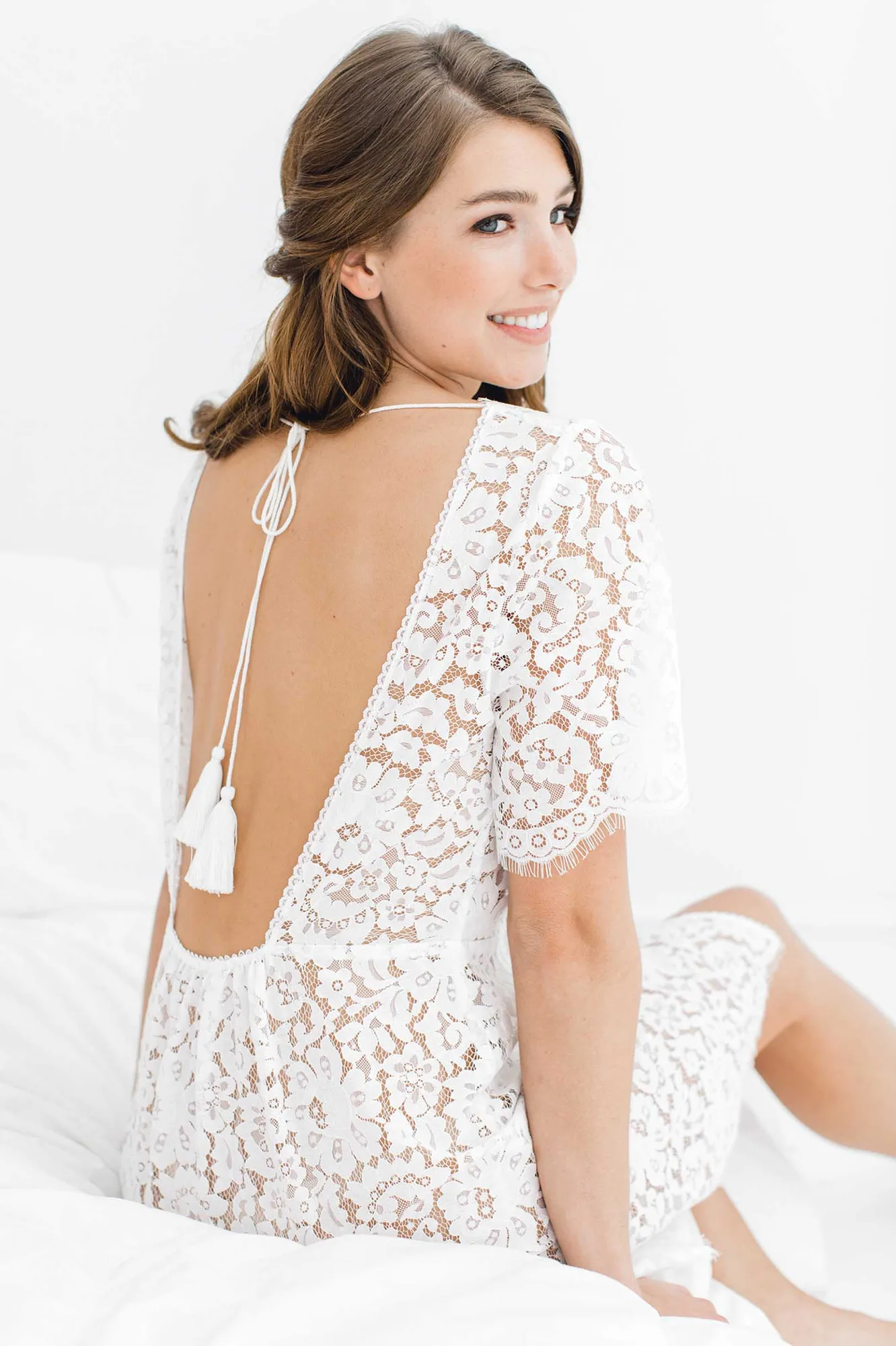
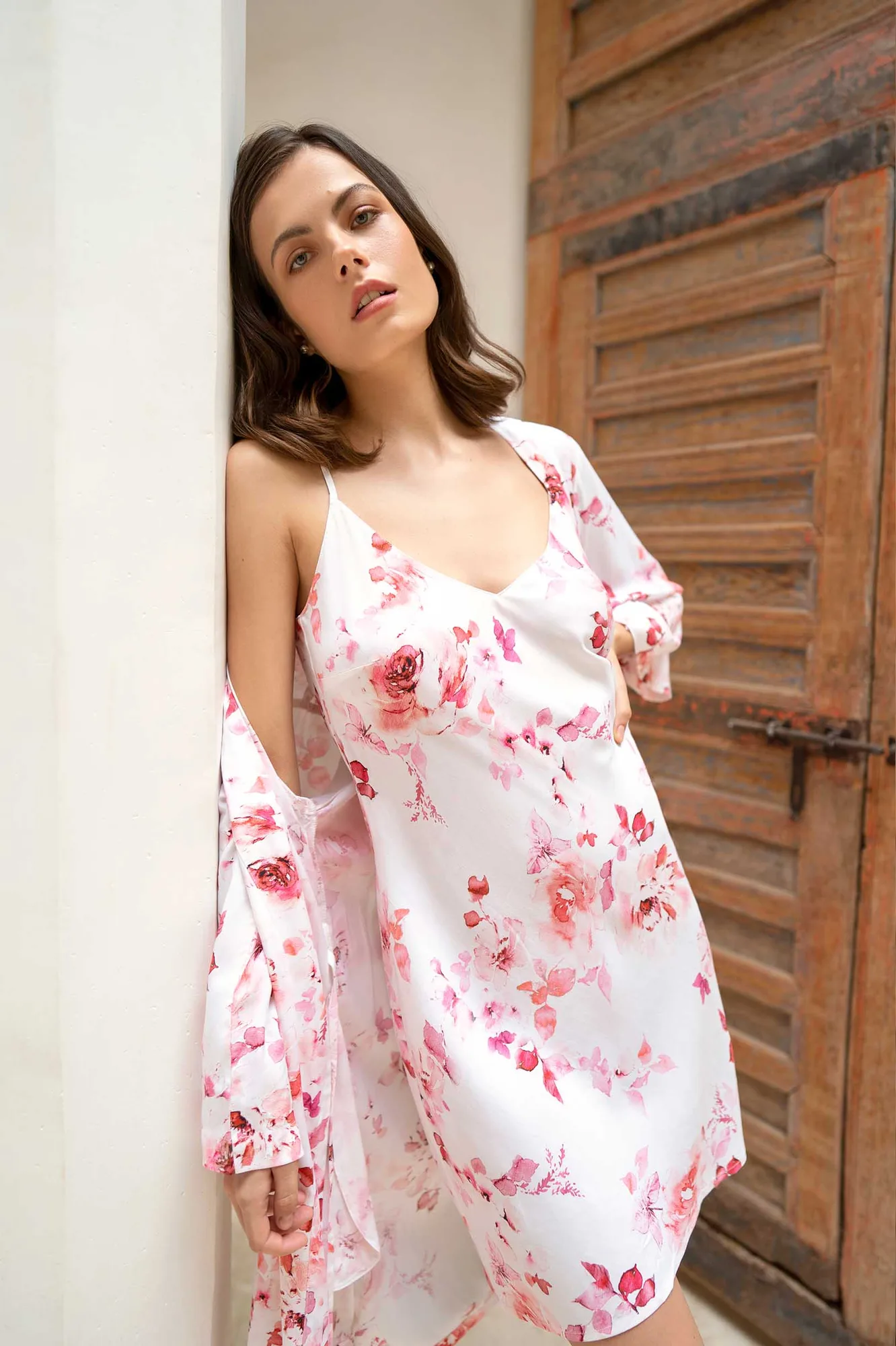
- If your wedding is in summer (June–August): Choose cotton lace, bias-cut slips, or tulle in light colors. Prioritize sleeveless or short-sleeve styles and open-back designs for airflow. Look for the Sunshine Open back lace robe or Botanical love Bias cut slip dress.
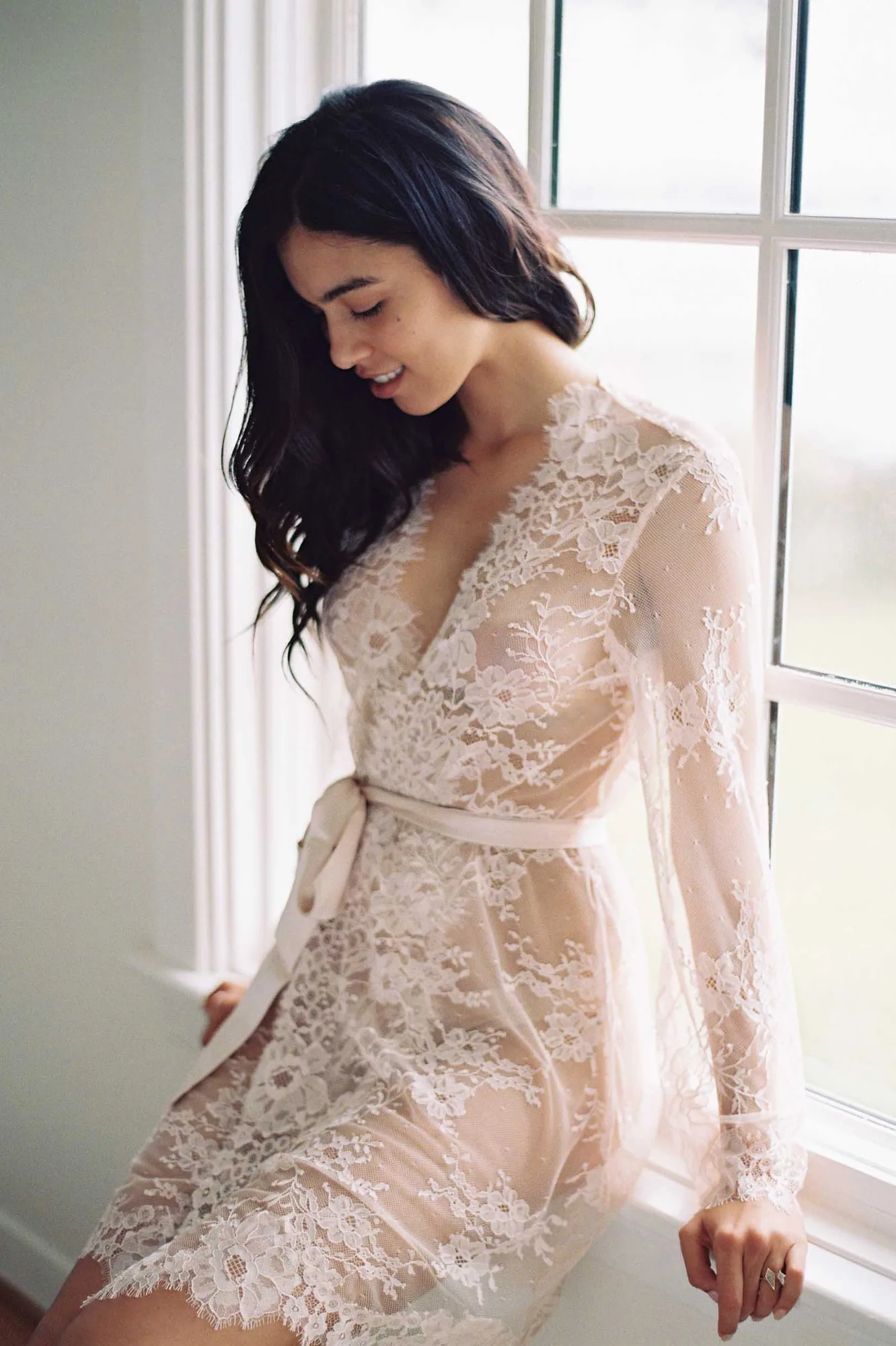
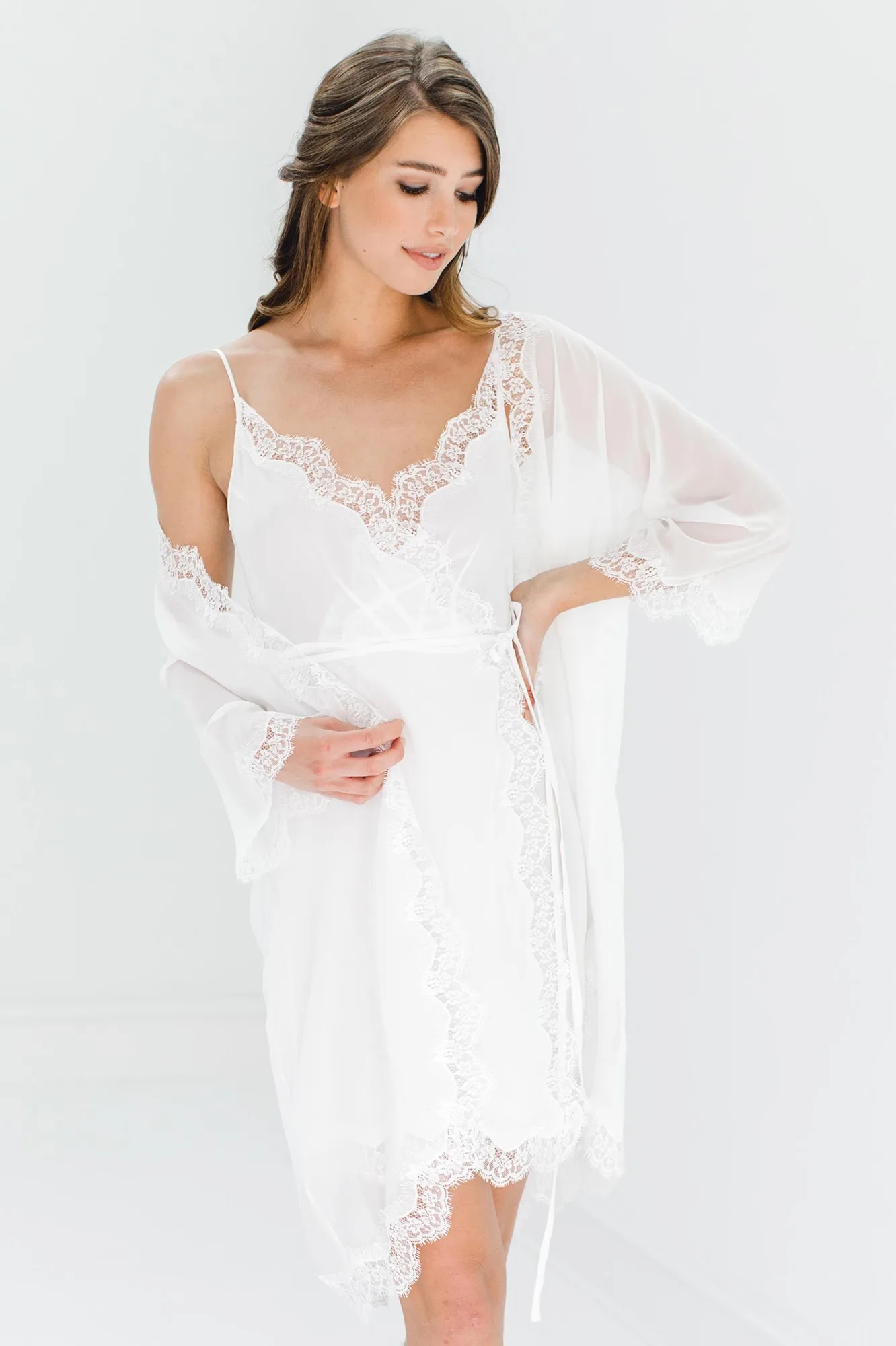
- If your wedding is in winter (December–February): Choose long-sleeve Chantilly lace or silk tulle robes with a belt. Deeper colors like rose pink or ivory work well and provide more coverage. The Camellia lace robe in Rose Pink is a strong winter choice.
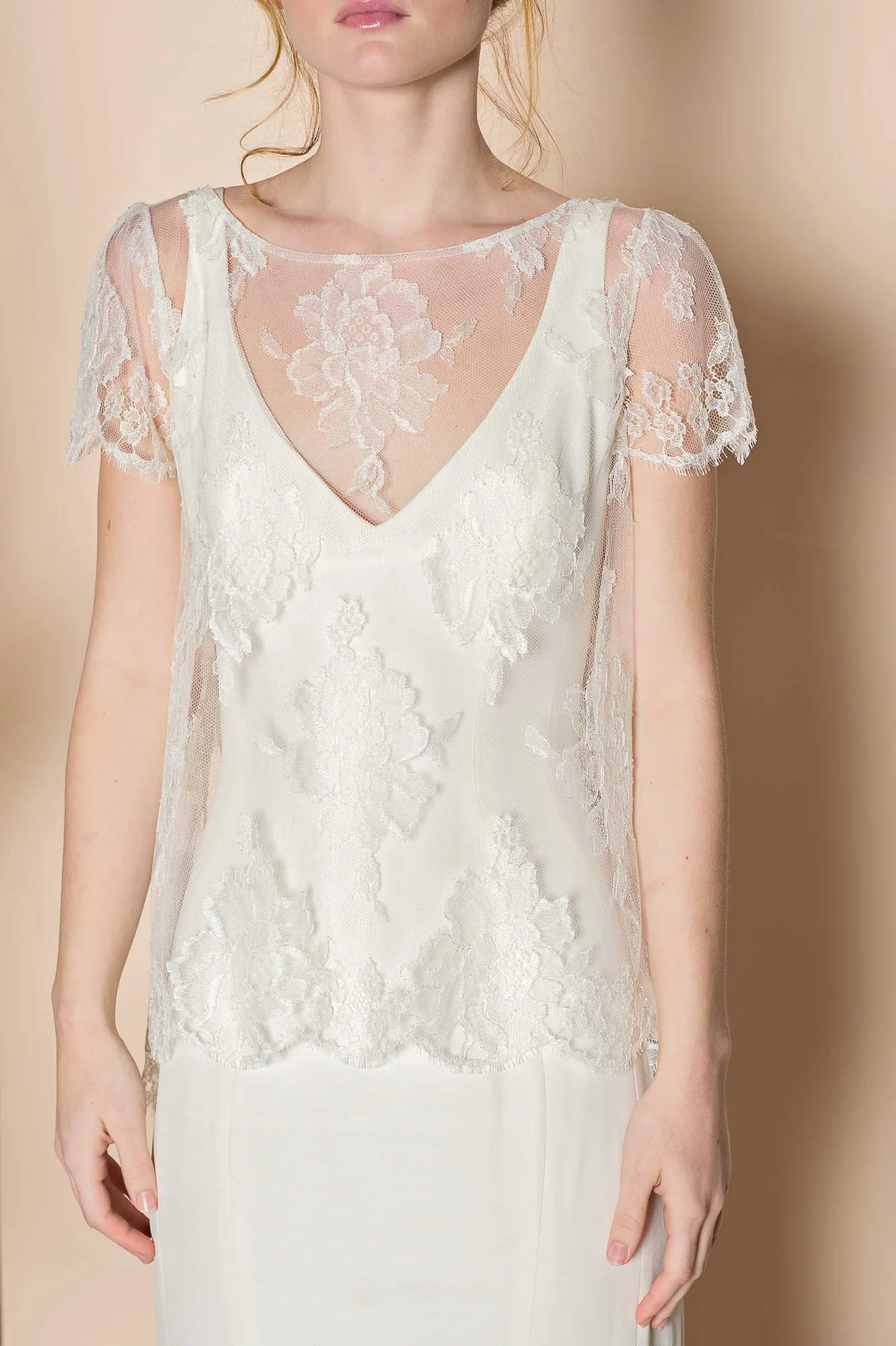
- If your wedding is in spring or fall: Layer a lightweight robe over a slip dress or choose a mid-weight lace robe. A cape or topper like the Roseline French lace cape blouse adds versatility. Mix and match separates to adapt to changing temperatures.
- If your bridesmaids have different body types or comfort levels: Choose a wrap or belted style with adjustable ties. Bias-cut fabrics accommodate curves, and a size-up option ensures comfort. When in doubt, size up and use the belt to customize the fit.
- If you are unsure about fabric weight: Order one robe in your top choice and have a bridesmaid wear it for an hour indoors. If she overheats or feels cold, adjust the fabric or sleeve length. Test before committing to the full order.
Real robes that solve seasonal problems
- Sunshine Open back lace robe with tassels in Off white: Made of soft cotton lace with cross-over styling, open back, and tassel ties. Cotton lace breathes in summer heat, and the open back adds ventilation without sacrificing style.
- Camellia lace robe in Rose Pink: Soft Chantilly lace with scalloped neckline, scallop hem, long flared sleeves, and a satin belt. Long sleeves and a belt provide warmth and coverage for winter weddings, while the rose pink tone suits cooler months.
- Botanical love Bias cut slip dress in pink floral: Bias cut for a flattering fit, exclusive hand-painted floral print, soft fluid fabric. A bias-cut slip in lightweight fabric is ideal for summer; it can be worn alone or under a robe for layering.
- Roseline French lace cape blouse tee top in Ivory: Sheer French Chantilly lace with rose motifs, flared cape high-low fit, short sleeves, silk bow in back. This topper adds a light layer for transitional weather and can be worn over a slip or bodysuit for extra coverage without heat.
Who these seasonal rules are for
Best for
- Brides planning a wedding in a specific season who want their bridesmaids comfortable.
- Bridal parties with diverse body types who need adjustable, flattering options.
- Anyone choosing between summer and winter robe fabrics and unsure where to start.
Not for
- Brides looking for a single robe that works for all seasons without layering.
- Those who prioritize strict color matching over fabric weight and comfort.
- Weddings where bridesmaids will wear their own robes and only need color guidance.
Seasonal bridesmaid robes come down to fabric weight, coverage, and fit. Use the decision rules above to match your wedding month to the right robe, and always let comfort guide the final choice. Your bridesmaids will thank you, and your photos will look effortless.