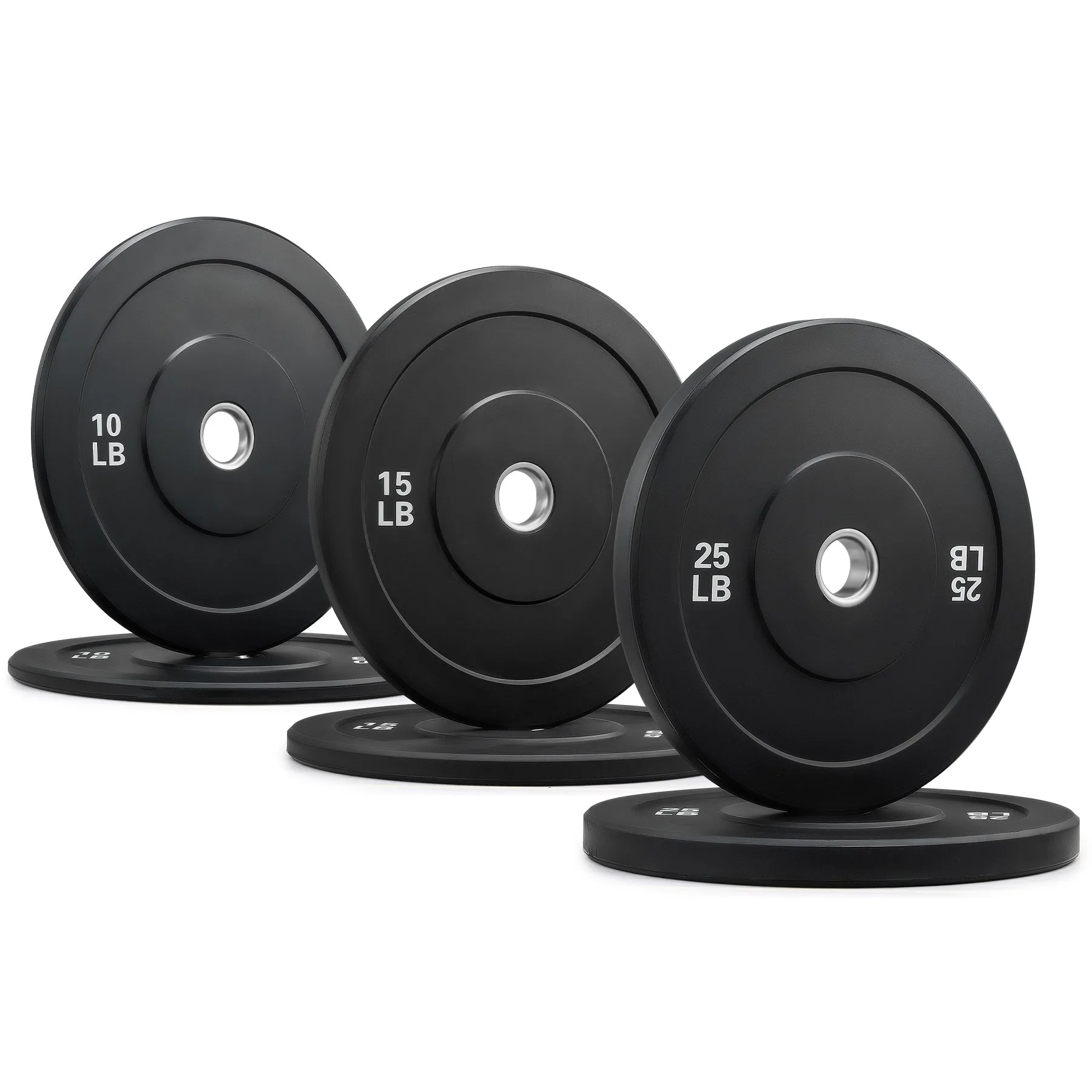
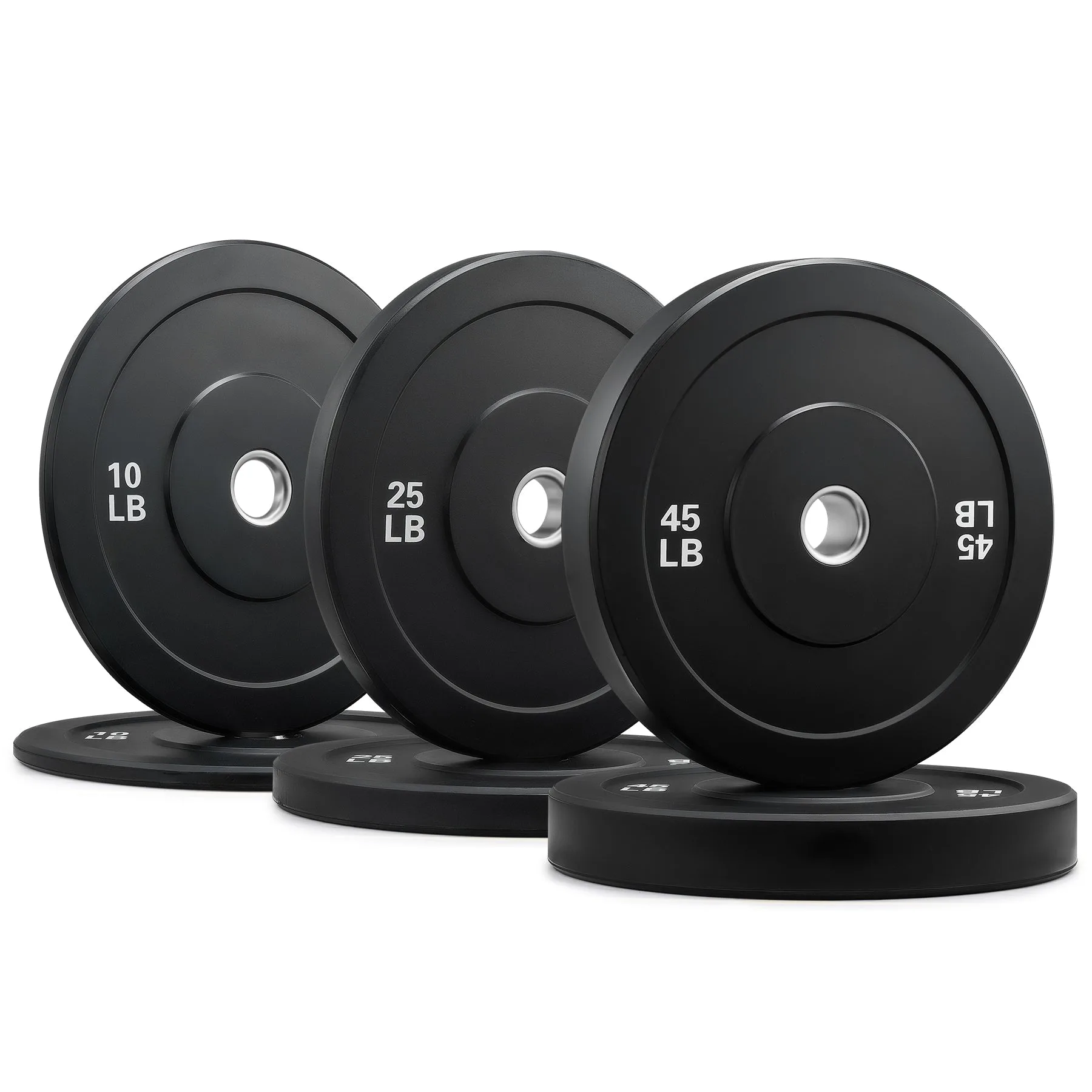
What to Look for in Home Gym Bumper Plates
When setting up a home gym, choosing the right bumper plates is a key decision. Unlike standard iron plates, bumper plates are designed to be dropped safely, making them ideal for Olympic lifts, CrossFit, and heavy strength training. The main factors to consider are material durability, bounce, thickness, and compatibility with your barbell.
Solid rubber plates are a popular choice because they resist cracking and stand up to repeated drops. Look for a low-bounce design—softer plates can bounce unpredictably, while firmer rubber stays put. Also check that the center hole fits standard barbell sleeves, which is the most common size for home gyms.
Why the SR Bumper Plates Fit the Bill
-
SR Bumper Plates (Single): Solid rubber with stainless steel inserts, low bounce (durometer 88), fits barbells with standard sleeves. These features mean the plates are tough enough for repeated drops, won't bounce across the room, and fit standard home gym barbells.
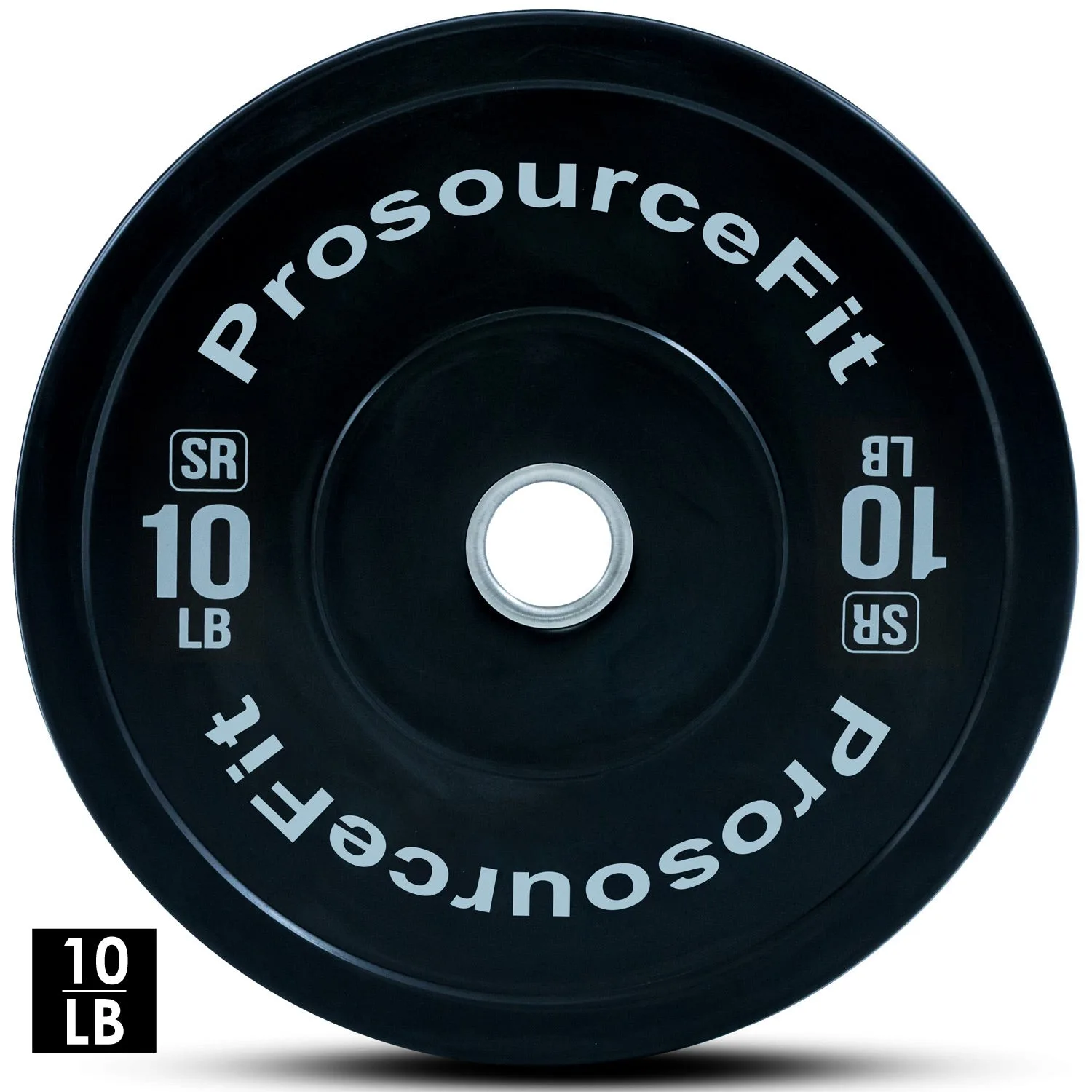
SR Bumper Plates (Single)
-
SR Bumper Plates (Single): Narrow design allows you to load more plates onto the barbell without running out of sleeve space. As you get stronger, you can add more weight without needing a longer barbell—important for progressive overload.
Weight Selection and Progressive Loading
Bumper plates come in various weights, typically from light to heavy or more. For a home gym, it's practical to start with a pair of lighter plates (like 25 lb) and a pair of heavier ones (like 35 lb) to cover a range of exercises. The SR Bumper Plates are sold individually, so you can buy exactly the weights you need and add more later.
Because they are made of solid rubber, they are quieter than iron plates when dropped and won't damage your floor. This makes them suitable for both indoor and outdoor use, especially if you have a rubber mat or platform underneath.
Bumper Plates vs. Iron Plates for Home Use
- Durability on drops: Bumper plates are designed to be dropped from overhead without breaking. Iron plates can chip or damage floors if dropped.
- Noise and floor protection: Rubber bumper plates are quieter and gentler on floors. Iron plates are loud and may require a deadlift platform.
- Thickness and barbell capacity: Bumper plates are thicker per pound than iron, so you may need a longer barbell for very heavy loads. The SR Bumper Plates' narrow design helps fit more weight on standard sleeves.
- Cost per pound: Iron plates are usually cheaper per pound. Bumper plates cost more but offer drop safety and versatility for Olympic lifts.
Making Your Choice
For most home gym owners who plan to do deadlifts, squats, cleans, or snatches, a set of solid rubber bumper plates is a smart investment. They protect your floor, your barbell, and your hearing. The SR Bumper Plates offer a budget-friendly entry point without sacrificing the key features you need: low bounce, durability, and a narrow profile for loading more weight.
If you're just starting out or have a limited budget, consider buying two pairs in different weights (e.g., 25 lb and 35 lb) to begin. As your strength grows, you can add heavier plates or a second pair of the same weight. Always check that your barbell has standard sleeves to ensure compatibility.